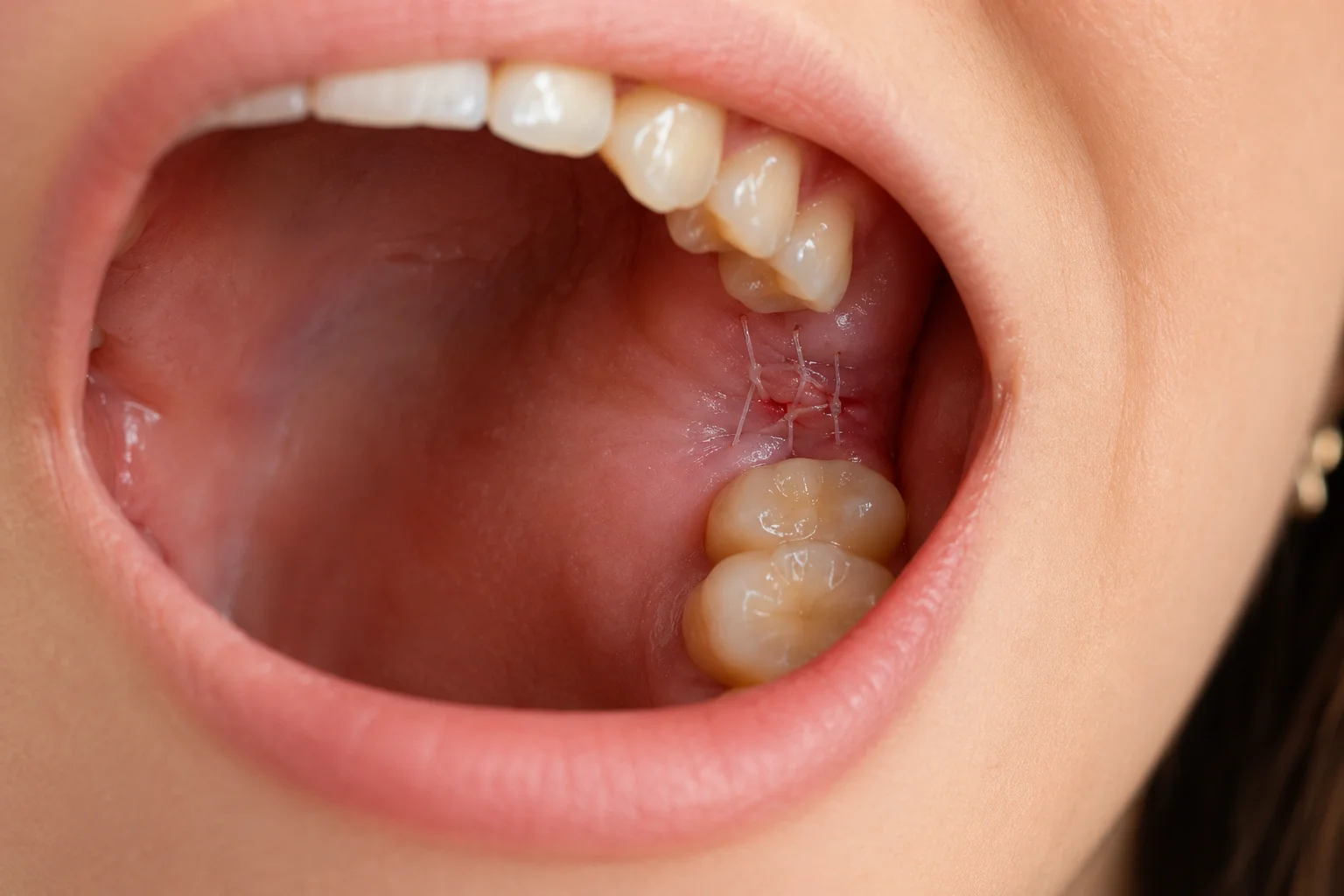
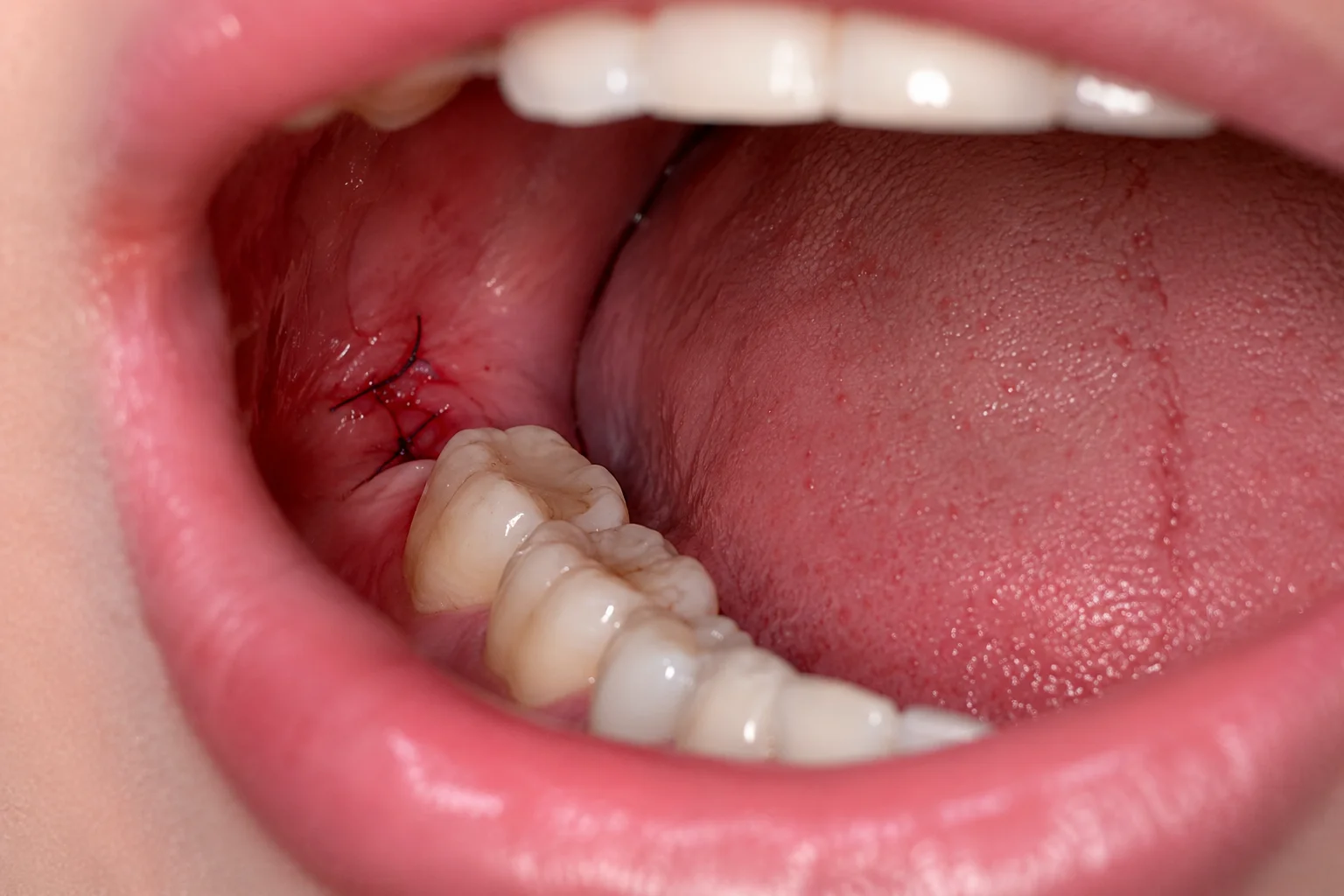
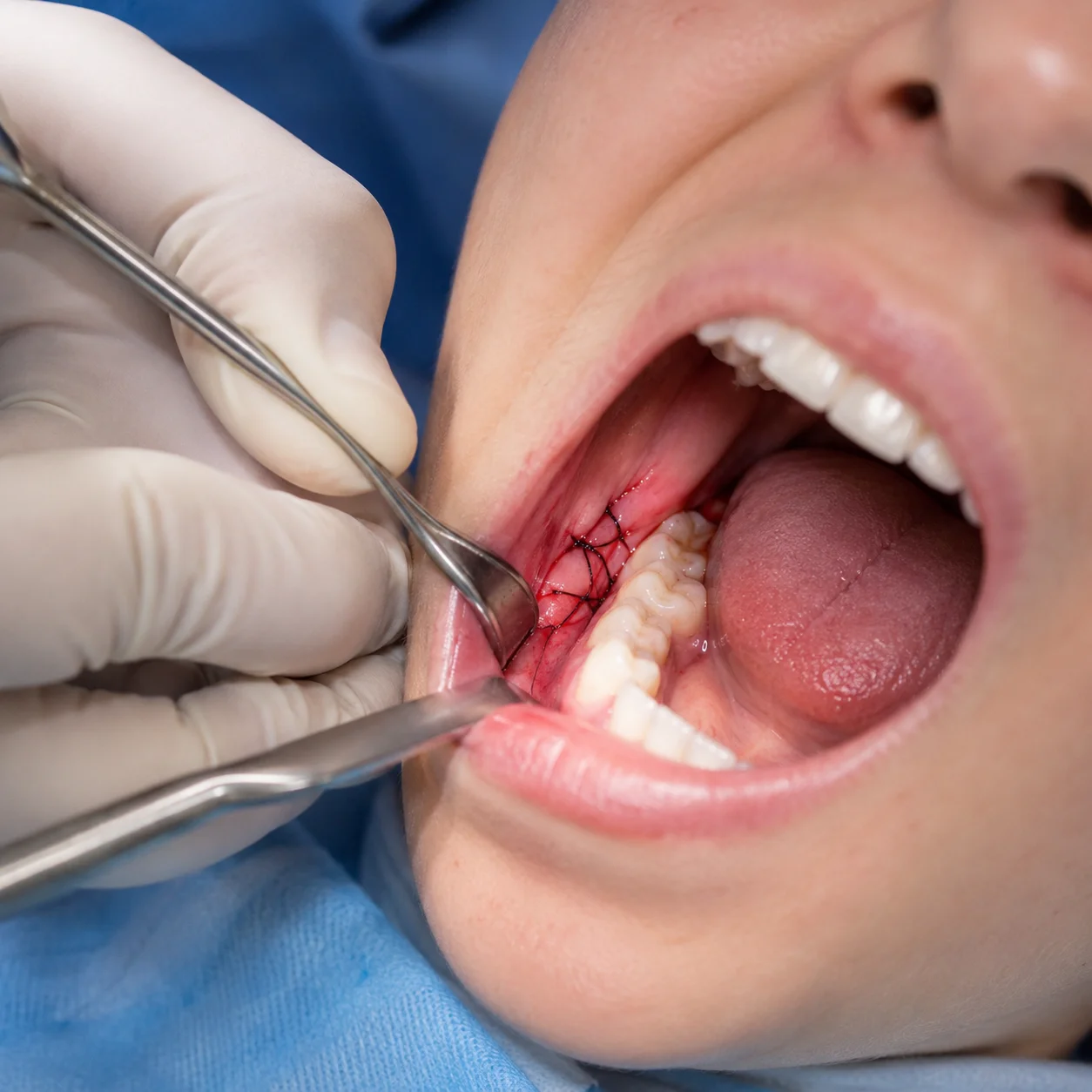
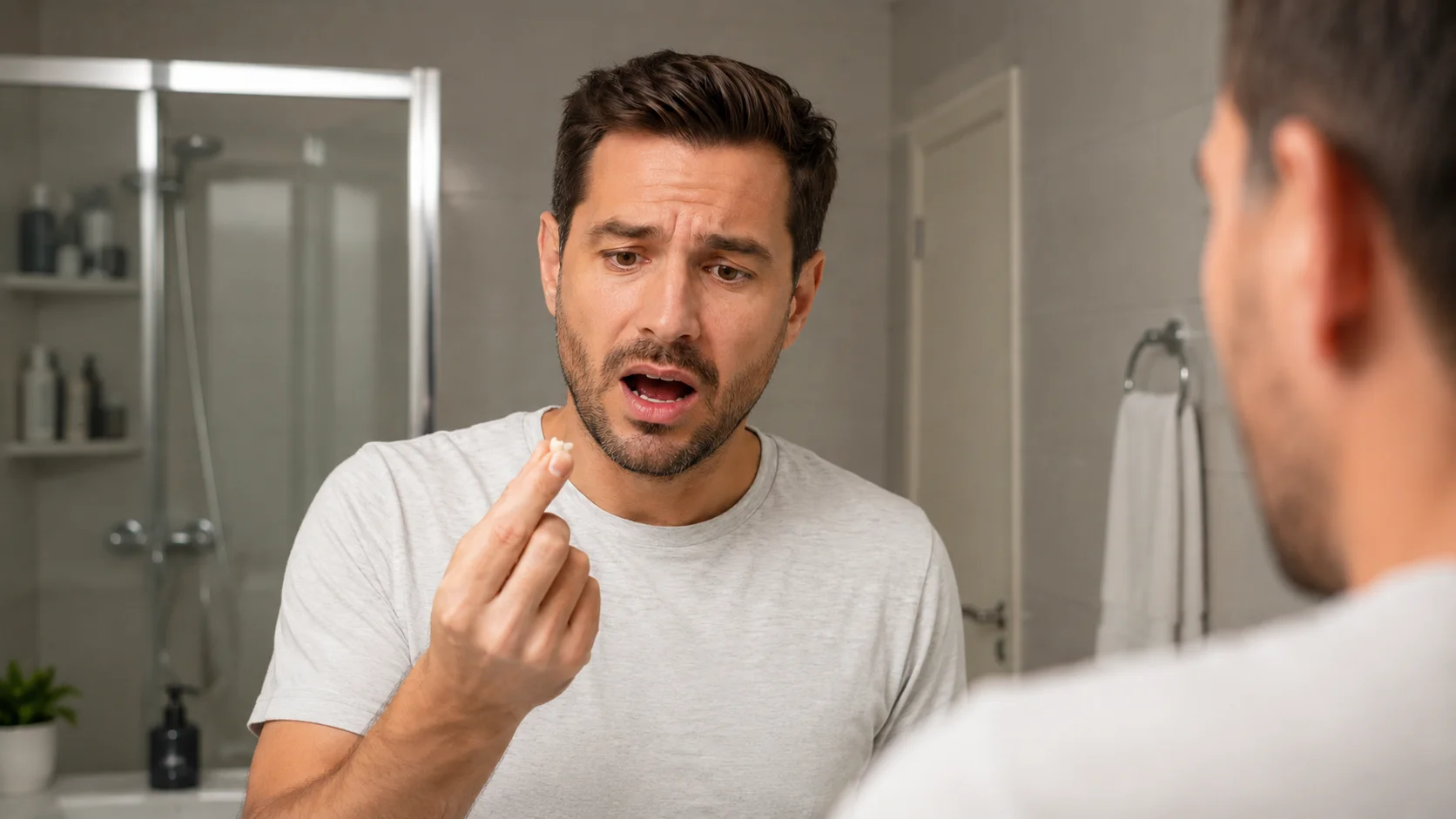

You cannot permanently fix a loose dental filling at home. A dentist needs to examine the tooth, remove any weak material or decay, and repair or replace the restoration. Until that visit, keep the area clean. Chew on the other side. Do not pull at the filling. Pharmacy temporary filling material may cover an open spot for a short time, but it cannot repair the cause.
A loose filling may feel like a small annoyance. It can become a bigger problem fast. Food and bacteria can slip beneath a broken edge. The tooth may crack under pressure. A deep cavity can also irritate the nerve.
No pain does not mean no problem.
Call your dental office as soon as you notice movement, a new gap, a rough edge, or a sudden change in your bite. Tell the team about pain, swelling, recent injury, and any missing piece. Those details help them decide how soon you should be seen.
Loose Dental Filling at a Glance
- A loose filling needs a dental exam and usually a new restoration.
- Do not tug, twist, or test the filling with your tongue or fingers.
- Avoid hard, sticky, very hot, and very cold foods on that side.
- Keep the tooth clean with gentle brushing and a mild warm-water rinse.
- Use pharmacy temporary filling material only as directed and only until your appointment.
- Facial swelling, fever, pus, severe pain, or trouble swallowing needs urgent help.
How Can You Tell If a Filling Is Loose?
Sometimes the filling moves. Sometimes it stays in place but no longer seals the tooth well. The second problem is easier to miss.
Common signs include:
- A filling that rocks or shifts
- A rough, sharp, or chipped edge
- Floss that catches or tears in one spot
- Food packing around the restored tooth
- Pain when biting or releasing a bite
- New sensitivity to cold, heat, air, or sweets
- A bite that suddenly feels high or uneven
- A visible line or gap around the filling
- Part of the filling coming out while eating
A loose filling and a loose tooth are different problems. If the whole tooth moves, read our guide on why an adult tooth may feel loose and arrange an exam promptly.
What Should You Do Right Away?
1. Stop chewing on that side
Pressure can move the filling farther or split the remaining tooth. Choose soft foods. Use the other side of your mouth. Skip nuts, ice, popcorn kernels, hard candy, chewy bread, caramel, and gum.
2. Call a dentist
Do this early. A loose filling rarely tightens again. The office may ask when the filling was placed, which tooth is affected, and what symptoms you feel. Mention any facial swelling or recent accident straight away.
South Shore Dentistry & Implants offers restorative and general dental services in Cudahy. Call 414-401-4944 if a filling feels loose or has fallen out.
3. Rinse gently
Use lukewarm water to clear loose food. A mild salt-water rinse may feel soothing. Do not swish hard. Strong rinsing can disturb a filling that is barely attached.
4. Brush carefully
Keep plaque away from the tooth. Use a soft toothbrush. Move slowly around the filling. Do not push bristles into a deep opening.
5. Save any piece that comes out
Place it in a clean container and bring it to the visit. Do not try to force it back into the tooth. A detached piece may no longer fit safely, and pressing it into place can trap debris.

Can You Use Temporary Filling Material at Home?
Pharmacies sell temporary dental repair material. It can cover an open cavity and reduce irritation while you wait for care. The Oral Health Foundation describes these kits as a short-term measure, not a permanent filling.
Follow the product label exactly. Stop if the material changes your bite, causes pain, or will not stay in place. Do not pack material deeply into the tooth. Do not place it over swelling, drainage, or uncontrolled bleeding.
If the filling is still partly attached, call the dental office before putting material around it. Covering a moving restoration can make the bite worse or hide a fracture.
What Should You Never Put on a Loose Filling?
Keep household glue out of your mouth. That includes superglue, craft glue, nail glue, and hardware adhesive. These products are not made for oral tissue. They can irritate the mouth and complicate professional treatment.
Do not use chewing gum as a filling. It traps sugar and debris. Do not push aspirin against the tooth or gum. Aspirin can burn soft tissue. Avoid probing the gap with a toothpick, pin, tweezers, or dental tool bought online.
And stop checking whether the filling still moves. Repeated testing adds force to an already weak area.

Why Do Dental Fillings Become Loose?
Fillings handle thousands of bites. They still have limits.
Common causes include:
- New decay developing around or beneath the filling
- Wear after years of chewing
- Biting ice, bones, hard candy, or another hard object
- Teeth grinding or clenching
- A crack in the filling or the surrounding tooth
- A large filling with little natural tooth left around it
- Trauma to the mouth
- A bond that has weakened over time
The cause changes the treatment. Replacing the filling may be enough. A cracked or heavily damaged tooth may need a crown. Deep decay near the pulp may call for root canal treatment. An exam and X-ray help the dentist see what a mirror cannot.
How Does a Dentist Fix a Loose Filling?
The dentist first checks the filling, tooth, gums, and bite. An X-ray may be needed to look for hidden decay, a deep cavity, or changes near the root.
The loose material is removed. The dentist then cleans the area and checks how much healthy tooth remains.
A new filling
A replacement filling may work when the damage is limited and the tooth still has enough support. Composite resin, amalgam, or another material may be considered based on the tooth and clinical needs.
Patients planning for treatment can review our guide to dental filling costs in Cudahy. A personal estimate still depends on the size of the repair and any added treatment.
A dental crown
A crown may be advised when a very large filling has failed or the remaining tooth is weak. The crown covers the tooth and spreads chewing pressure across a larger area.
Root canal treatment
Deep decay, a fracture, or long exposure may inflame or infect the pulp. Lingering heat pain, spontaneous throbbing, or pain that wakes you at night can point to nerve trouble. Only an examination can confirm it.
Tooth removal
Extraction is usually considered when the tooth cannot be restored. The dentist should explain why the tooth cannot be saved and discuss replacement choices. It is not the automatic answer to every lost filling.

Is a Loose Filling a Dental Emergency?
A loose filling needs timely care, but every case is not a hospital emergency. Call a dentist promptly even if the tooth does not hurt.
Ask for urgent dental care when you have:
- Severe or rapidly increasing pain
- Swelling in the gum, face, or jaw
- Fever, pus, or a bad taste with swelling
- A broken tooth with a sharp moving section
- Bleeding that will not slow
- Trouble opening your mouth
- A filling loosened by a blow to the face
Trouble breathing or swallowing needs emergency medical care. Do not wait for a routine dental appointment.
Patients near downtown, Bay View, or the lakefront can also review our Milwaukee-area dental care information.
What If the Filling Is Loose but There Is No Pain?
Book the appointment anyway.
Fillings and tooth enamel do not always hurt when a seal first fails. Decay can grow quietly beneath a restoration. A weak cusp can also break without much warning. Early repair may keep the treatment smaller.
Pain is useful information. It is a poor deadline.
How Long Can You Wait With a Loose Filling?
There is no safe universal number of days. The right timing depends on movement, tooth damage, decay, pain, and infection risk. Call when you notice the problem and follow the office’s advice.
A stable tooth with mild sensitivity may be handled differently from a filling that rocks during every bite. Swelling or severe pain changes the urgency. Waiting for the filling to fall out usually adds risk without adding any benefit.
How Can You Reduce the Chance of Another Loose Filling?
Brush twice a day with fluoride toothpaste. Clean between the teeth daily. Keep regular exams so a dentist can spot cracks, worn edges, or decay before the filling fails.
Do not chew ice. Be careful with popcorn kernels and hard candy. Ask about a night guard if you grind your teeth. A filling cannot hold up well when it gets hammered every night.
If cold sensitivity is the main concern and no filling seems loose, our guide to tooth soreness and sensitivity explains a different common cause. A dentist can tell which problem is present.
Loose Filling Care in Cudahy, WI
South Shore Dentistry & Implants sees patients from Cudahy, St. Francis, South Milwaukee, Oak Creek, Bay View, and nearby Milwaukee communities. The visit begins with a careful check of the filling and the tooth beneath it. You should leave knowing what failed, which repair is recommended, and what the treatment may cost.
Call 414-401-4944 or contact South Shore Dentistry & Implants at 3527 E Squire Ave, Cudahy, WI 53110. For other oral health topics, visit our dental blog library.
Frequently Asked Questions
Can a dentist tighten a loose filling?
Usually, a loose filling is removed and replaced rather than tightened. The dentist must check for decay, cracks, and weak tooth structure before placing the new restoration.
Can I push a loose filling back into place?
No. Pushing it can trap food or bacteria and may break more of the tooth. Leave it alone and call a dentist.
Can I brush a tooth with a loose filling?
Yes, but brush gently with a soft toothbrush. Keeping the area clean matters. Avoid force directly against a moving edge.
Is temporary dental cement safe for a lost filling?
A pharmacy product made for temporary dental repair may be used according to its label for a short period. It does not replace an examination or a permanent restoration.
Will a loose filling always hurt?
No. A filling can lose its seal without causing immediate pain. New sensitivity, a rough edge, food trapping, or a changed bite may be the first clue.
What happens if I swallow a filling?
Small fillings often pass through the digestive system, but call a healthcare professional for advice. Coughing, choking, chest pain, or breathing trouble may mean the piece entered the airway and needs urgent medical assessment.