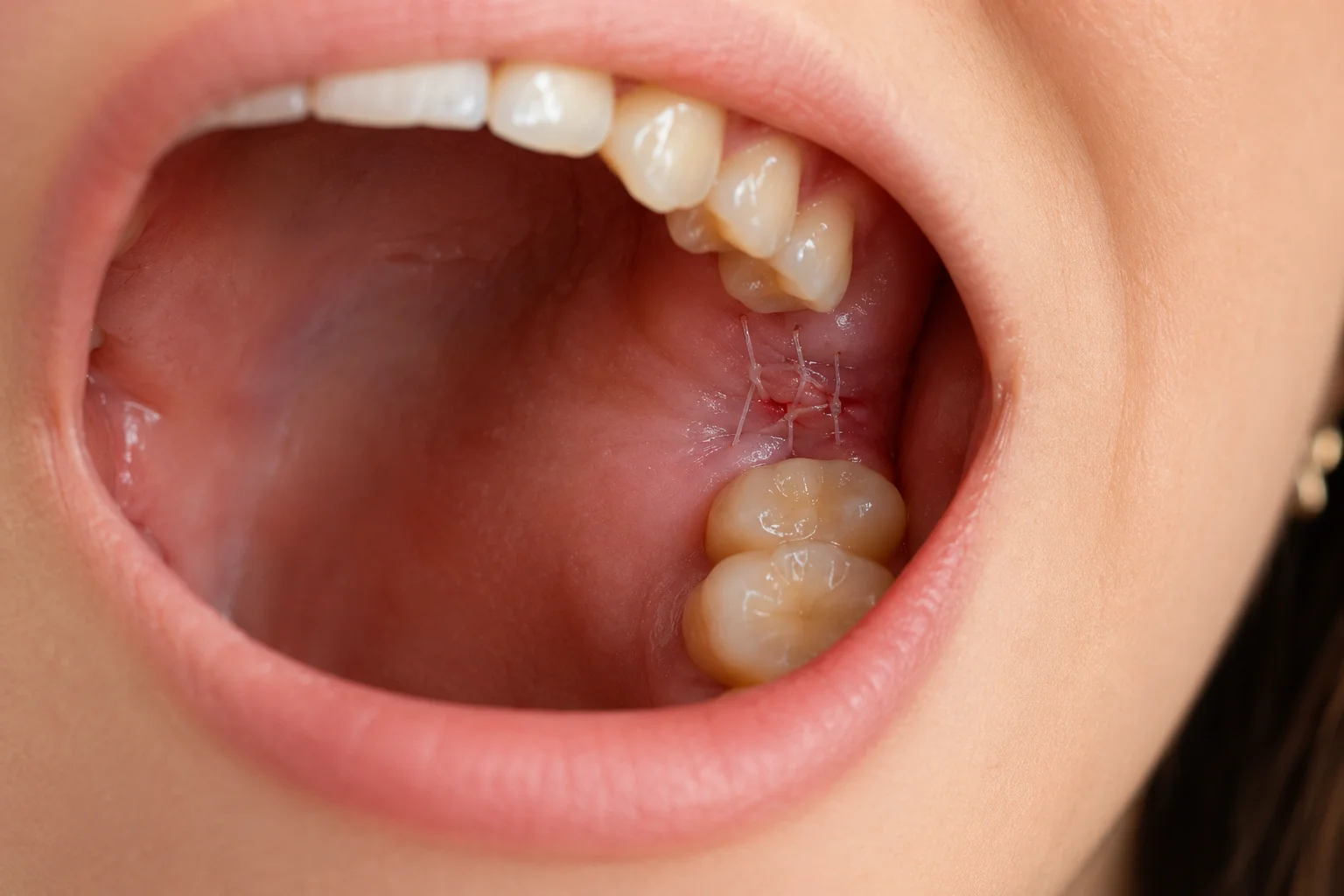
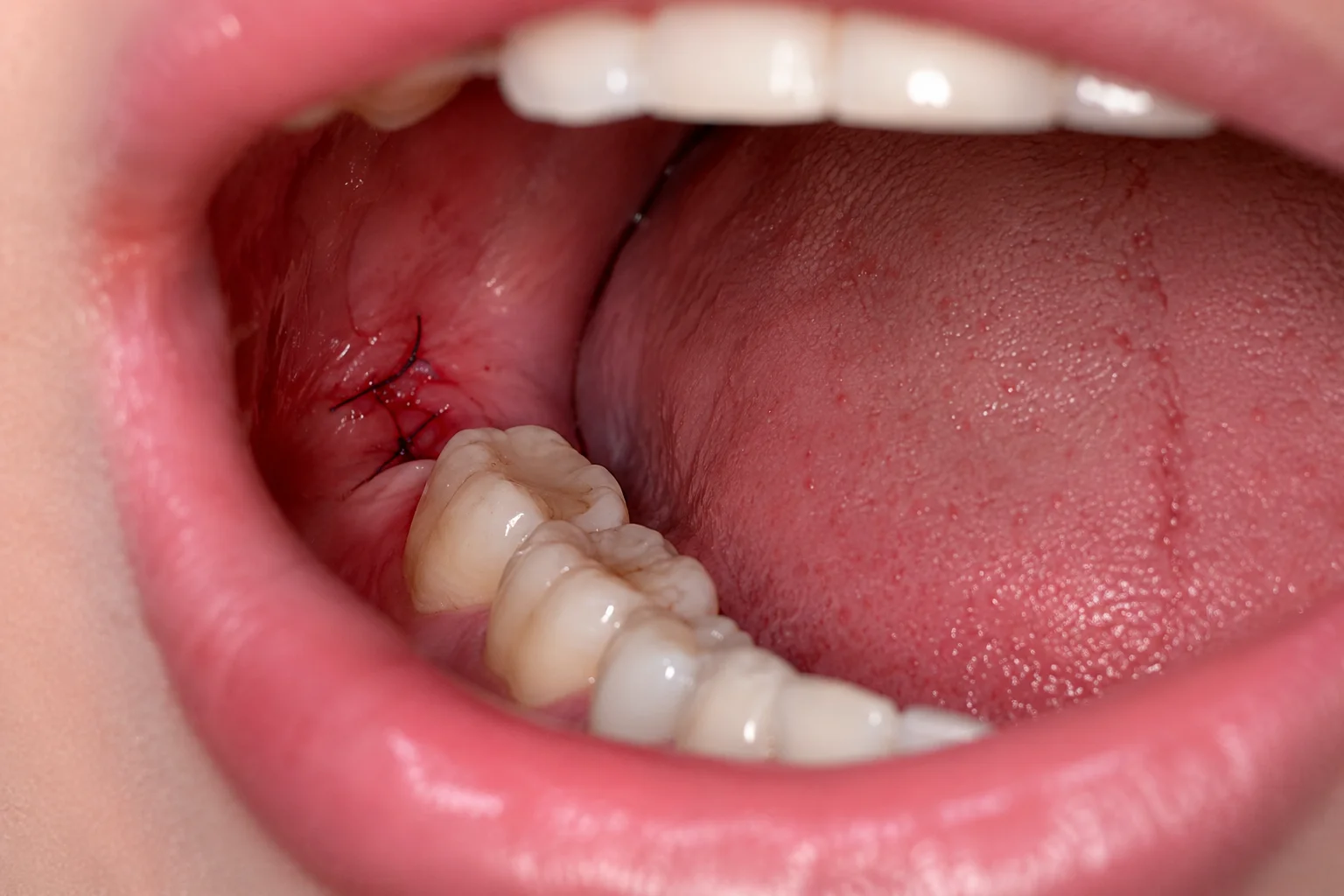
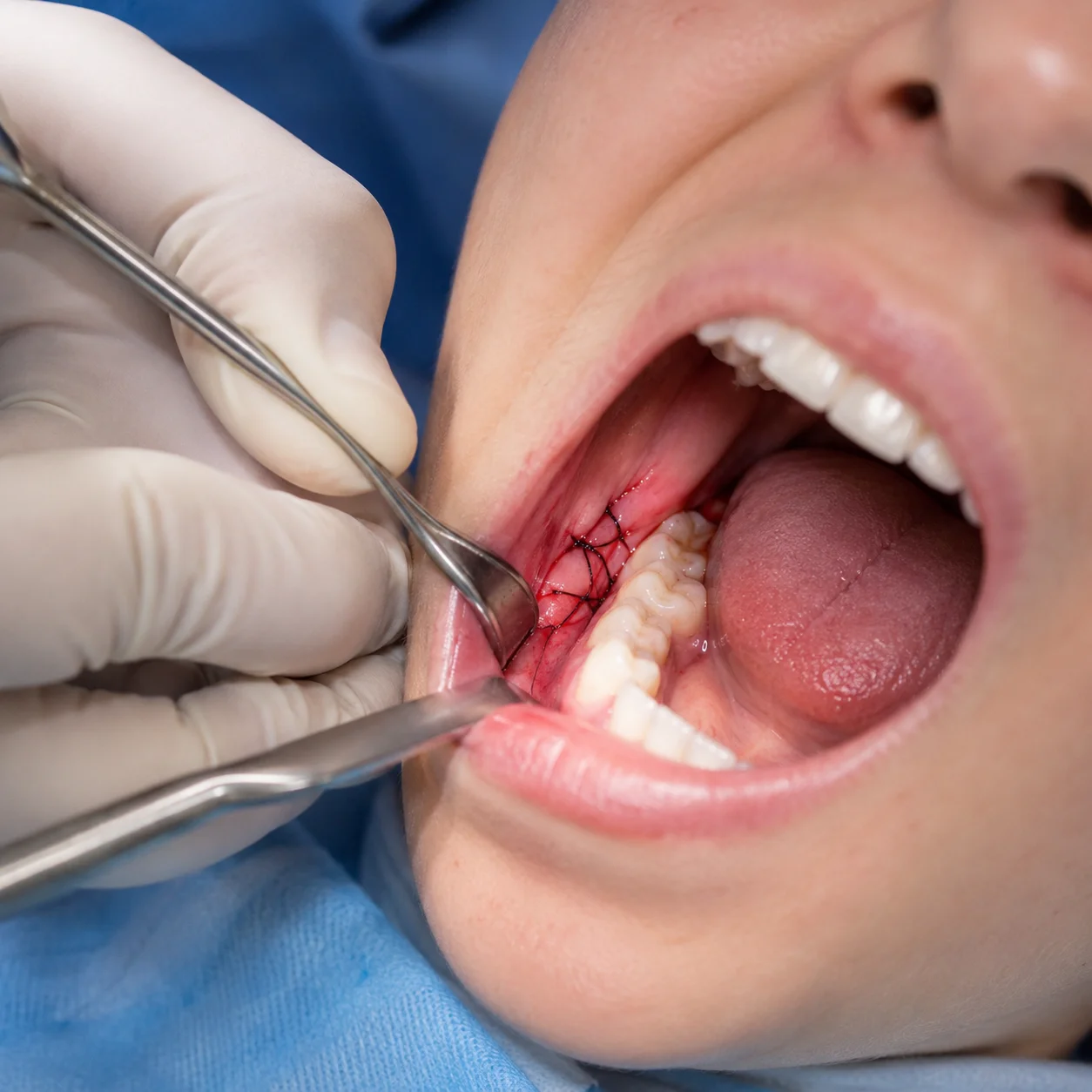
Have you ever left the dental clinic thinking your teeth would feel smooth and normal, but then noticed something a bit off once the numbness fades? A slight sting when you drink water. A quick sensitivity when cold air hits your teeth. Even a mild “bruised” feeling in your gums. It can catch you off guard.
It’s quite common, and usually nothing is wrong. At South Shore Dentistry & Implants, we often see this happen. Most of the time, your mouth just needs some time to get used to the cleaning. The plaque and tartar have been removed, and your teeth and gums need a little time to settle down. This is especially common if it has been a while since your last visit or if your gums were already a bit sensitive to start with.
In this blog, we’ll look at why it happens, what it feels like, how long it lasts, and a few simple ways to make it easier to deal with without worrying too much
Why teeth feel sore after cleaning
It happens because plaque and tartar are removed, exposing sensitive areas of teeth and gums. This temporary sensitivity is your mouth adjusting and healing after cleaning.

Removal of plaque and tartar buildup
A dental cleaning removes plaque and hardened tartar that have been sitting on your teeth for weeks or even months. Dental cleaning is really good at getting rid of this buildup. This buildup often collects near the gumline and in the spaces between your teeth.
When it gets removed, the surface underneath is suddenly exposed. That exposure is one of the main reasons teeth sore after cleaning happens. It’s not damage—it’s more like uncovering areas that haven’t been properly “touched” in a long time.
Gum inflammation reacting after cleaning
If your gums were a bit swollen before the appointment they might feel sore after it. During cleaning, when the tartar from the pockets around the gums is removed, gums may disturbed slightly. This can cause some pain especially when you eat foods like crunchy bread or nuts. It can feel a bit sore for a time and that’s normal.
Exposure of sensitive tooth surfaces
Sometimes tartar acts like a protective layer over sensitive areas. Once it’s removed, the teeth may react more to temperature changes.
Cold water is usually the biggest trigger. A quick sharp sensation may appear and disappear within seconds. Warm drinks are usually easier during this time, at least for a few days.
This sensitivity doesn’t mean something went wrong—it’s just the tooth adjusting again.
What the soreness actually feels like
It usually feels like brief tooth sensitivity when you drink something cold or breathe in air. Some mild gum tenderness can also show up while chewing or brushing.
Mild sensitivity and quick “zing” sensations
A lot of people describe it as a sudden sharp feeling when something cold touches the tooth. It doesn’t usually last long—just a few seconds.
It might happen in one tooth or a small group, depending on where the cleaning was deeper or where buildup was heavier.
Gum tenderness while chewing
Gums can feel slightly sore when chewing, especially if food presses against areas that were scaled. This is more noticeable with tougher foods.
Soft foods like rice, yogurt, or soups feel easier during this phase.
General mouth awareness
There’s also a less obvious feeling—your mouth just feels “different.” Not painful exactly, but more sensitive overall. Even brushing can feel a bit sharper than usual for a short time.
How long teeth soreness lasts after cleaning
Mild soreness after a dental cleaning usually lasts a few days and improves gradually. In deeper cleanings, it may take up to a week to fully settle.

First 24–48 hours
Most people notice the strongest sensitivity during this time. Cold drinks and brushing may trigger mild discomfort.
This is also when gums feel the most tender.
Up to one week in deeper cleanings
If scaling was done below the gumline (especially in cases of gum disease), soreness can last a bit longer. It usually improves slowly each day rather than disappearing suddenly.
A person might notice it fades more during meals than at rest.
When it should start improving
If everything is normal, there should be gradual improvement within a few days. It shouldn’t feel worse after the second or third day.
What can make soreness worse
Soreness after cleaning can feel stronger with very hot or cold drinks, hard brushing, or acidic foods. Avoiding gentle care or overusing the teeth too soon can also slow down recovery.
Very cold or hot drinks
Cold water, iced drinks, and even very hot tea can trigger sensitivity. Lukewarm options usually feel more comfortable during recovery. The reaction is usually quick and fades within seconds.
Aggressive brushing
It’s easy to overbrush after a cleaning because teeth feel extra smooth. But brushing too hard can irritate already sensitive gums. This can also make the soreness last a little longer than expected.
Skipping gentle oral care
Avoiding brushing completely isn’t helpful either. Plaque can build up again quickly, so gentle cleaning is still needed. A soft routine helps gums heal while keeping the mouth clean.
Simple ways to ease teeth soreness after cleaning
Soreness can be eased with gentle brushing, lukewarm water, soft foods, and sensitive toothpaste. The discomfort usually settles within a few days with simple care.
Switch to a sensitive toothpaste
Toothpaste for sensitivity is really helpful. It can calm down the nerves in your teeth. You will not feel the difference, instead a lot of people see improvement in just a few days. You should use toothpaste for sensitivity two times every day to get the results. When you brush your teeth do not rinse your mouth hard so the toothpaste for sensitivity stays effective for a longer time.
Use lukewarm water
Cold water can cause problems for a lot of people. If you switch to lukewarm water while brushing and rinsing teeth you will probably feel better. Cold water can make your teeth hurt. If you use lukewarm water your cold water sensitive teeth will not react as much. Even if the water is a little bit warmer it can make a big difference and you will not feel as much discomfort.
Eat softer foods temporarily
People with sensitive gums should eat foods like dal, yogurt, mashed potatoes or soups. You should stay away from crunchy foods for a few days. Eating slowly also helps because you do not put pressure on the tender areas of your sensitive gums. You can eat everything once the sensitivity settles down.
Avoid acidic foods for a short time
Citrus fruits and spicy foods can irritate your gums when they are already sensitive. It will not last forever. These foods can create the “zing” feeling. You should try eating them when your mouth is feeling okay and do it slowly.
Is It Normal to Have Bleeding or Swollen Gums After Cleaning?
Mild bleeding or slight gum swelling after a dental cleaning is common, especially if there was plaque or tartar buildup. It usually settles within a few days as the gums heal and adjust.

Mild bleeding right after cleaning
A small amount of bleeding during or right after a dental cleaning is quite common. It usually happens when tartar is removed from areas where the gums were already inflamed. The tissue is a bit sensitive, so even gentle cleaning can trigger slight bleeding.
This doesn’t mean something went wrong. In most cases, it’s actually a sign that the gums needed cleaning in the first place. The bleeding usually stops quickly and doesn’t continue once you’re back home.
Swollen or tender gums for a short time
Some gum tenderness or slight swelling can show up after cleaning, especially if there was a lot of buildup around the gumline. The gums may feel a bit puffy or sore when chewing or brushing for a day or two.
This reaction is temporary and usually settles as the gums start healing. Soft brushing and warm saltwater rinses often help reduce the discomfort faster.
When it’s still considered normal
Light bleeding that stops within a short time and mild swelling that improves within a few days are both considered normal. The gums are simply adjusting after being cleaned more deeply than usual.
If the discomfort is slowly getting better each day, it’s generally part of the normal healing process rather than a problem.
A realistic way to look at it
Teeth sore after cleaning is usually the mouth adjusting, not a complication. Think of it like a reset phase. The buildup is gone, gums are slightly irritated, and everything is settling back into a healthier state.
It doesn’t feel great for a short time, but it’s generally part of the normal healing response.
When to Contact a Dentist After Teeth Cleaning
Contact a dentist if pain gets worse, swelling doesn’t improve, or a specific tooth hurts sharply. Mild soreness is normal, but lasting or increasing discomfort may need a check-up.
Consult a dentist if you find these symbols:
- Pain that gets worse instead of improving after a few days
- Swelling or bleeding that continues for more than 2–3 days
- Sharp or constant pain in one specific tooth
- Sensitivity that becomes stronger over time instead of fading
- Difficulty chewing or discomfort that affects daily eating
- Signs of gum infection like pus, bad taste, or strong redness
Conclusion
Teeth sore after cleaning is usually temporary and happens because your teeth and gums are adjusting after plaque and tartar removal. Mild sensitivity, tenderness, or slight gum irritation often improves within a few days with gentle care and softer foods.
If the discomfort gets worse instead of better, or you notice ongoing swelling or sharp pain, it’s a good idea to contact your dentist. A little soreness is often just part of the normal healing process after a professional cleaning.
FAQs
1. Is it normal to have teeth sore after cleaning?
Yes, mild soreness or sensitivity after a dental cleaning is completely normal. It usually happens as your teeth and gums adjust and settle within a few days.
2. How long does soreness last after teeth cleaning?
Soreness usually lasts for 1–3 days. In some cases, especially after deep cleaning, it may take up to a week to fully go away.
3. Why do my teeth feel sensitive after cleaning?
It happens because plaque and tartar are removed, exposing sensitive areas of teeth and gums. This leads to temporary sensitivity during healing.
4. What helps relieve soreness after a dental cleaning?
Using sensitive toothpaste, lukewarm water, and soft foods can help reduce discomfort. Gentle brushing also supports faster healing.
5. Can gums bleed after a dental cleaning?
Yes, mild bleeding can occur if gums were inflamed before cleaning. It usually stops quickly and improves within a couple of days.
6. When should I worry about pain after cleaning?
If pain or swelling gets worse instead of improving after a few days, you should contact your dentist. Persistent sharp pain should also be checked.
Related guides: Learn more about why teeth hurt after cleaning and how to manage pain after teeth cleaning if the soreness continues past 48 hours.
If your dentist has recommended a deeper cleaning rather than a routine one, our guide on whether deep cleaning of the teeth is painful walks through what patients actually feel and how the dentist keeps discomfort manageable.