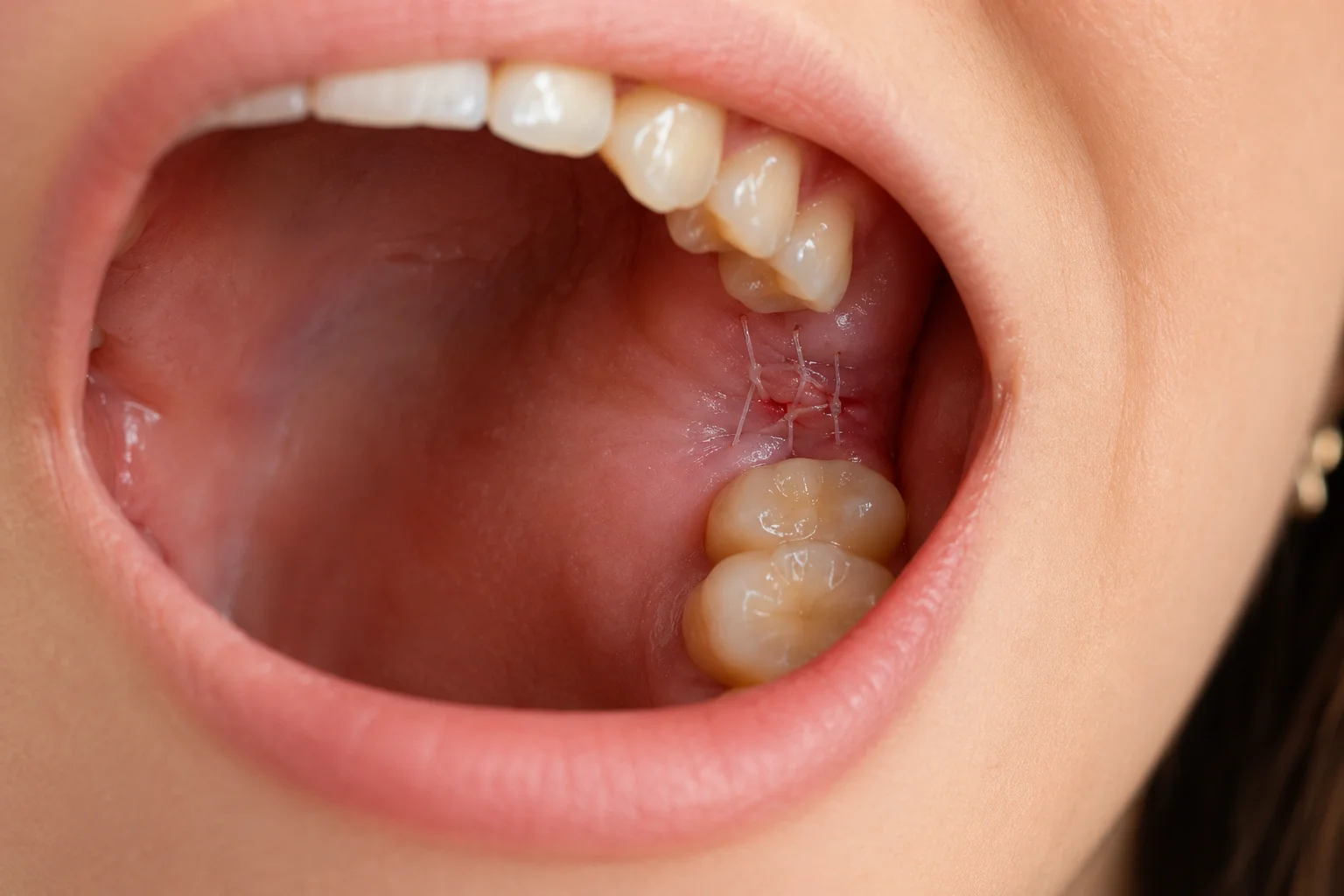
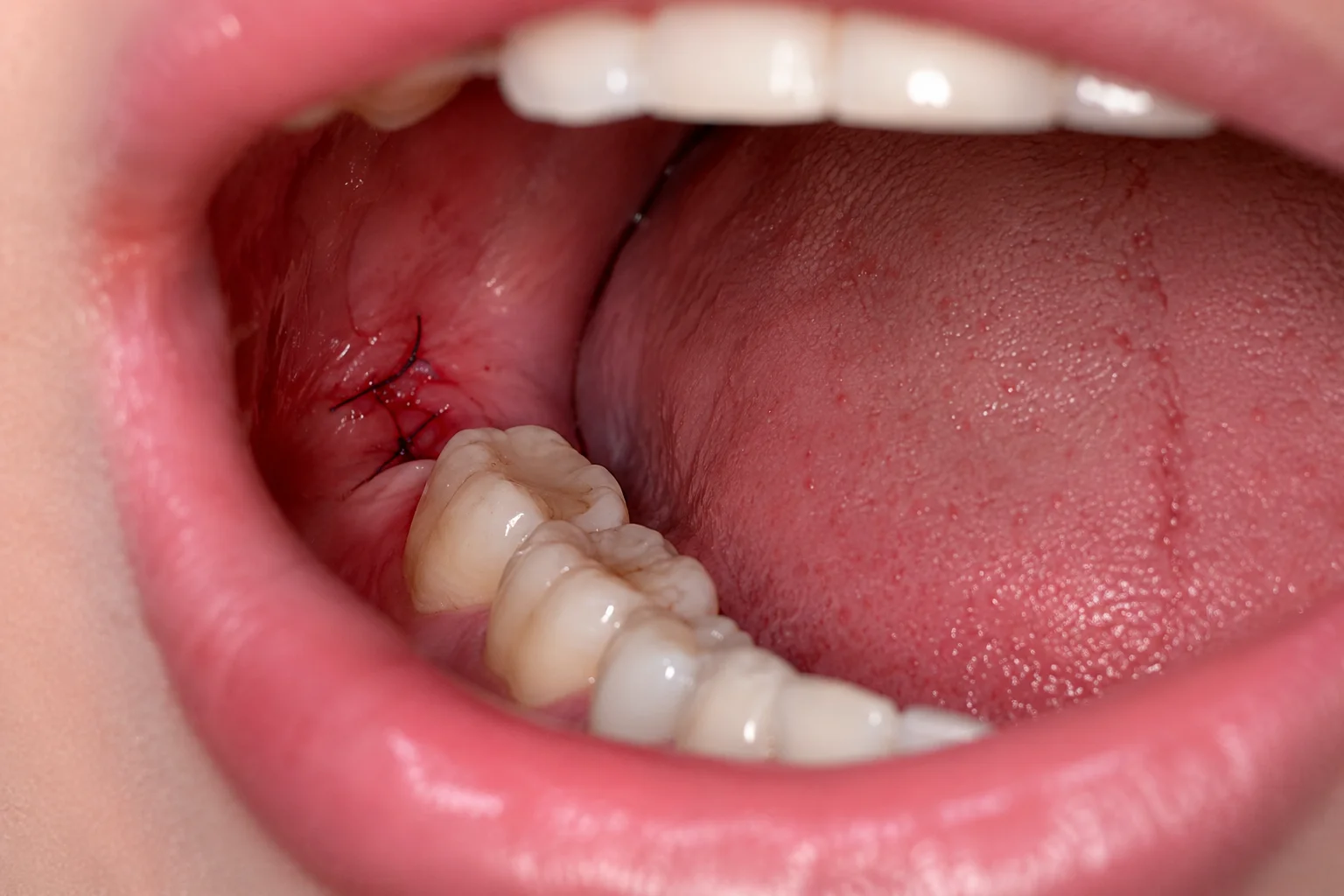
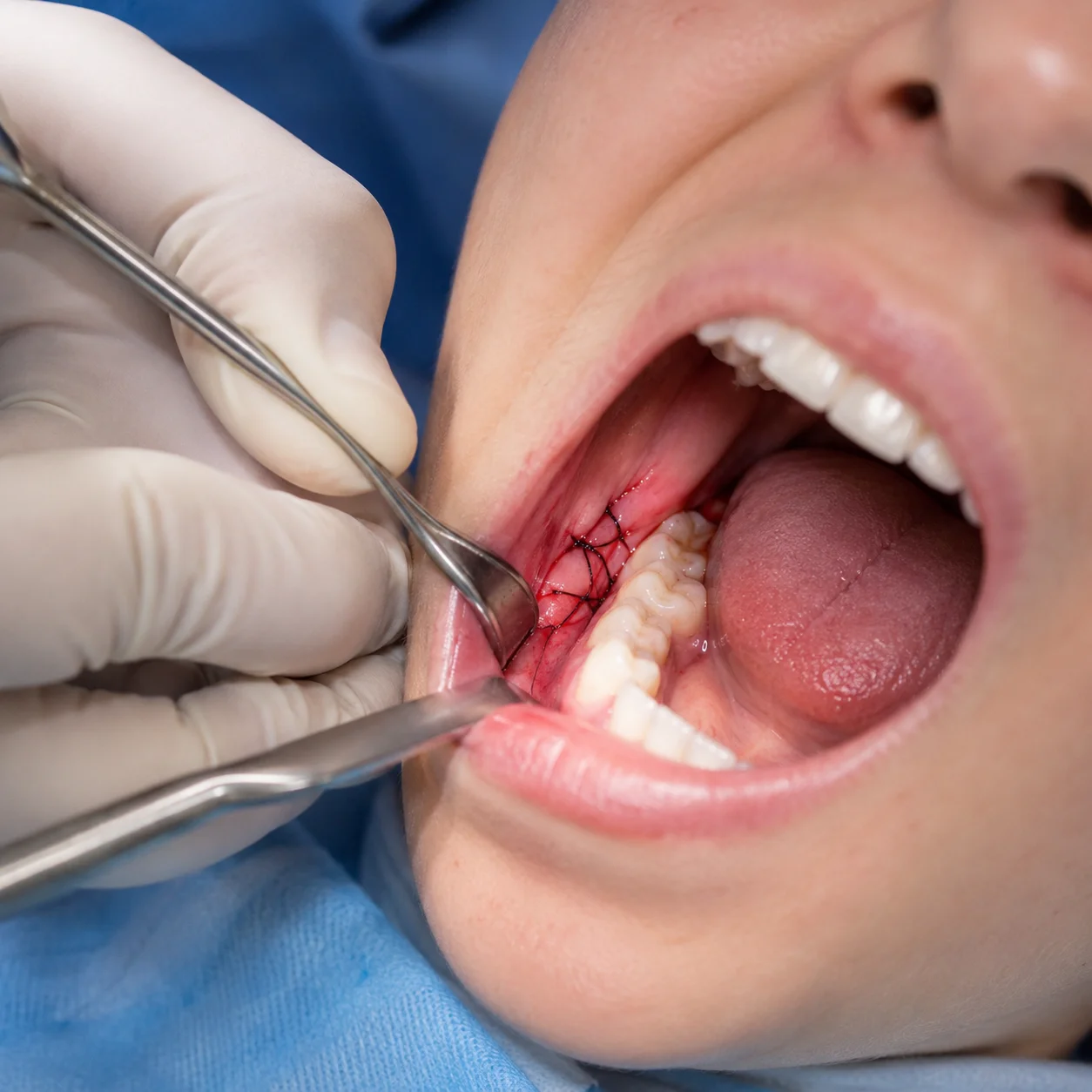

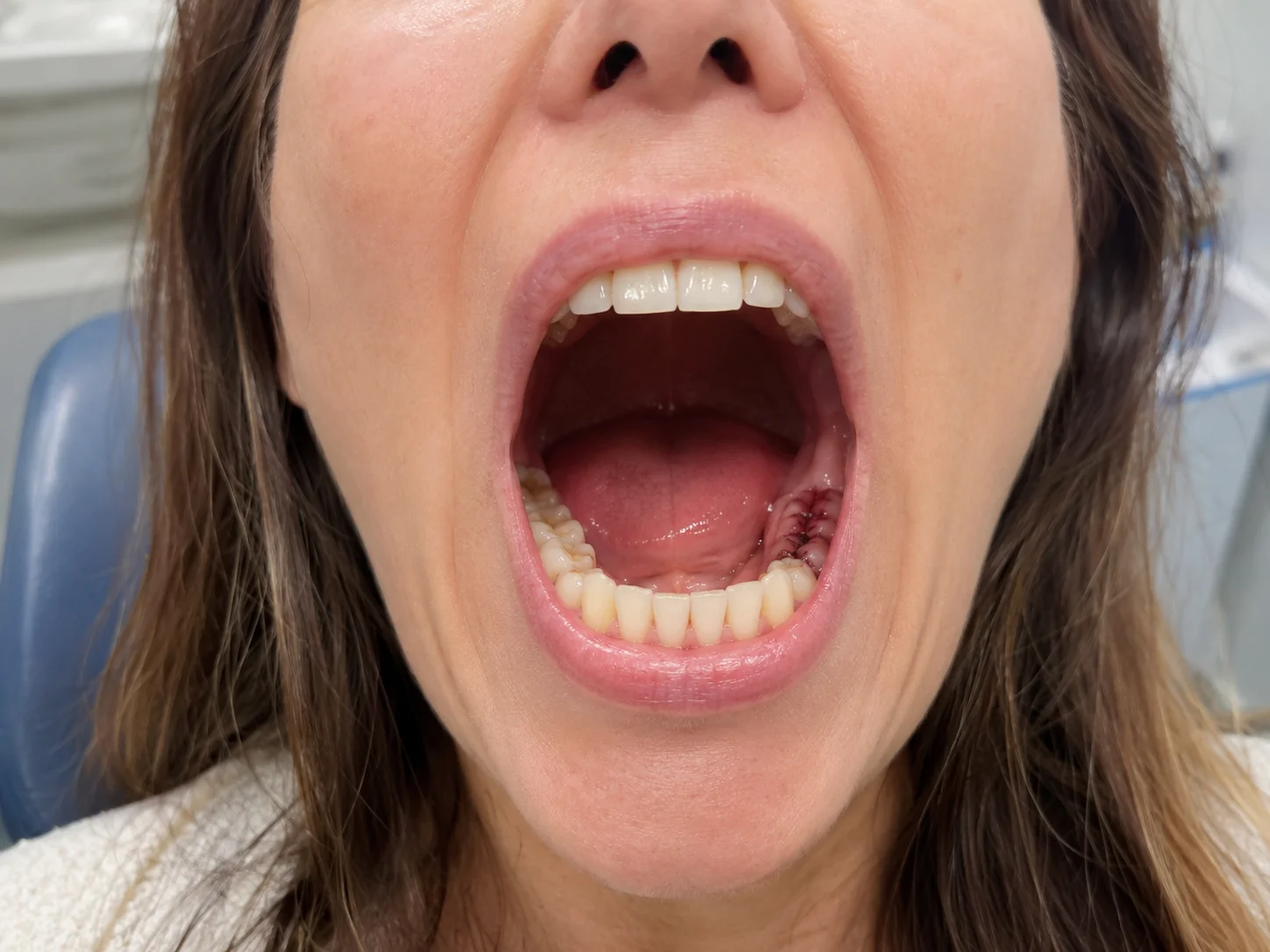
You were eating something — maybe it was crunchy, maybe it wasn’t — and suddenly there it was in your hand. A tooth. Your tooth. Your first instinct was probably panic, followed immediately by a strange sense of relief: it doesn’t hurt at all. Surely that means everything is fine, right?
Wrong. And this is exactly the kind of misunderstanding that turns a manageable dental situation into a costly, complicated one. The absence of pain after tooth loss is not a green light. When a tooth falls out but it doesn’t hurt, it often means the nerve inside the tooth had already been damaged before it came loose. In situations like this, treatment such as root canal therapy may still be relevant if infection or hidden damage is present.
In this guide, we’ll walk through exactly why teeth fall out without pain, what it means for your oral health, and — critically — what you need to do within the next few hours to give yourself the best possible outcome.
Why Doesn’t It Hurt? The Biology Behind Painless Tooth Loss
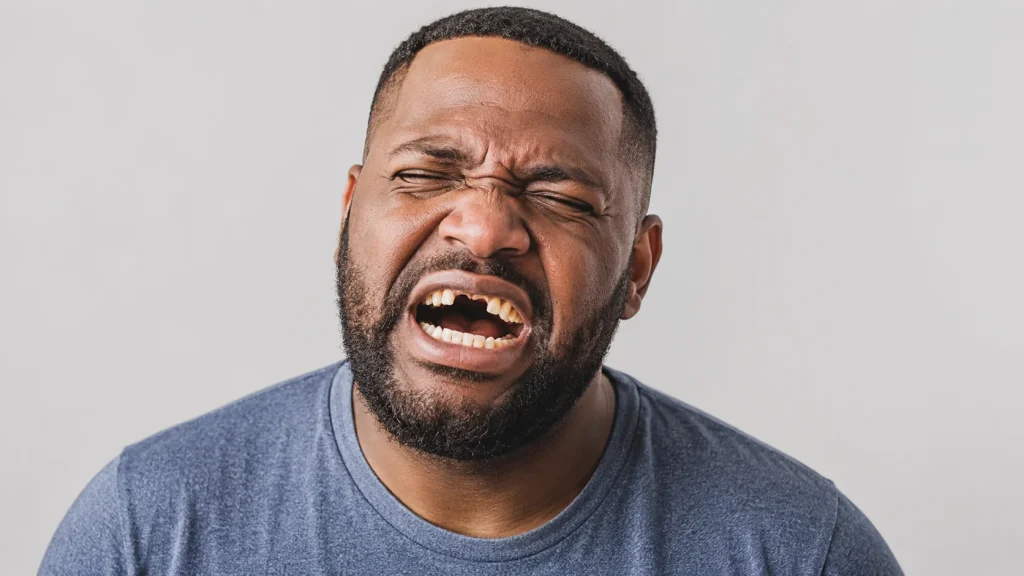
Pain in your teeth comes from the nerve inside the pulp — the soft, living tissue at the center of each tooth. But in most cases where a tooth falls out but it doesn’t hurt, the nerve is already dead or severely damaged.
Think of it this way: a healthy tooth doesn’t just fall out. Something has been weakening it for months — sometimes years — before it finally lets go. And that slow deterioration often kills the nerve long before the tooth itself gives up.
“Painless tooth loss is rarely harmless. It usually means the disease process is further along — not that it’s less serious.”
The nerve is already gone
Advanced tooth decay (dental caries) can silently destroy the pulp over time. Once the pulp dies, the nerve goes with it. The tooth may have been “dead” for months before it finally fell out, which is why there was no pain signal at the moment it came loose.
Chronic gum disease has done its work
Periodontal disease is the leading cause of adult tooth loss worldwide, and it is infamous for being painless. As the gum tissue and supporting bone gradually deteriorate, the tooth loses its anchor. The process is so slow that the body adapts — and you feel almost nothing until the tooth is simply gone.
Root resorption
In some cases, your own body begins to break down a tooth’s root from the inside or outside. This can happen after trauma, orthodontic treatment, or for reasons that aren’t always clear. As the root dissolves, the tooth loosens, and the nerve may be disrupted early in the process — leaving the tooth numb long before it falls out.
Previous dental work masked the problem
Crowns, large fillings, and root canals can mask what’s happening underneath. A crowned tooth that falls out, for instance, may have had a failing root for years — with no accessible nerve to send pain signals.
Is It a Baby Tooth or an Adult Tooth? It Changes Everything
The first question you need to answer honestly is: how old are you, and which tooth is this?
Children between the ages of 5 and 12 naturally lose baby teeth (primary teeth) to make way for permanent ones. If you’re a child or the parent of one, a painless, wiggly tooth that falls out is almost certainly normal and nothing to worry about
However, if you are past the age of 12, or if the lost tooth is clearly large and has long roots, you are dealing with a permanent tooth. Adult teeth are not supposed to fall out. The loss of a permanent tooth is always a sign of underlying disease, injury, or a structural failure that needs professional attention — no matter how painlessly it happened.
The 6 Most Common Causes of Painless Tooth Loss in Adults
Understanding what caused the loss is just as important as dealing with the immediate situation. Here are the most likely culprits:
1. Advanced Periodontal (Gum) Disease
This is the number one reason adults lose teeth. Periodontitis causes the bone supporting your teeth to erode quietly over years. By the time a tooth falls out, 40–60% of the surrounding bone may already be gone. Because this process is slow and the nerve is rarely directly affected, most people experience little to no pain until the very end.
2. Severe, Untreated Tooth Decay
Cavities that are left untreated can eventually destroy so much tooth structure that there is nothing left to hold the tooth in place. Once decay reaches and kills the pulp (nerve), the pain stops — falsely signaling that the problem has resolved. It hasn’t. The tooth is now structurally dead and vulnerable to fracture or complete loss.
3. Dental Trauma (Old Injury)
A blow to the face from years ago — a sports injury, a fall, an accident — may have slowly killed the root without your knowledge. Trauma-related tooth death can take months or even years to fully manifest. You may have forgotten about the original injury entirely.
4. Bruxism (Teeth Grinding)
Chronic grinding wears down enamel, fractures teeth, and stresses the supporting structures relentlessly. Many grinders don’t know they do it (it often happens during sleep). Over time, this can loosen and ultimately dislodge teeth — often without dramatic pain because the damage accumulates slowly.
5. Osteoporosis and Systemic Conditions
Certain health conditions — including osteoporosis, diabetes, and some autoimmune diseases — directly affect bone density and the immune system’s ability to fight oral infections. These can accelerate bone loss in the jaw, making tooth loss more likely and, often, less painful than it would otherwise be.
6. Failed or Aging Dental Work
Old crowns, bridges, and root-canal-treated teeth can fail structurally without triggering pain, especially if the nerve was removed during prior treatment. The internal structure degrades, and eventually the tooth — or the crown over it — simply comes away.
What to do Right Now: A step by step Action Plan

Whether or not you’re in pain, losing a tooth is a dental emergency. Here’s exactly what to do:
Step 1: Find the tooth and handle it carefully
Pick it up by the crown (the white part), never by the root. The delicate cells on the root surface are critical for reimplantation — if it’s a permanent tooth and comes out clean with the root intact, there may be a chance to save it.
Step 2: Keep it moist.
Do not let the tooth dry out. Place it in a glass of milk, a saline solution, or hold it between your cheek and gum (if you’re not at risk of swallowing it). Do not clean it with soap or wrap it in a tissue.
Step 3: Control any bleeding
Bite down gently on a clean piece of gauze or a folded cloth. Mild bleeding is normal. If it doesn’t stop within 10–15 minutes, contact a dentist or emergency room.
Step 4: Call a dentist immediately
Time is critical for reimplantation. A tooth reimplanted within 30 minutes has a significantly higher survival rate than one replanted after an hour. Even if reimplantation isn’t possible, same-day assessment prevents infection and plans the path forward.
Step 5: Do not eat on that side
Avoid hot, cold, or hard foods near the socket until you’ve been evaluated. The exposed socket is vulnerable to infection and further trauma.
Step 6: Do not smoke
Smoking dramatically impairs healing and increases the risk of dry socket and infection in the extraction site.
Signs You Need Emergency Care Right Now
Bleeding that doesn’t stop after 15 minutes of firm pressure
- Severe swelling in the jaw, face, or neck
- Fever, chills, or difficulty swallowing (possible abscess or spreading infection)
- Multiple teeth loose or affected simultaneously
- The missing tooth involved a prior root canal or had a crown — root may be fractured beneath the gumline
Your Replacement Options: What Comes Next

Once the immediate emergency is handled and the dentist has assessed the situation, you’ll need to think about tooth replacement. Leaving a gap isn’t just cosmetic — it causes adjacent teeth to shift, increases bite stress on remaining teeth, and accelerates bone loss in the jaw where the root is no longer stimulating tissue.
Dental Implants
Widely considered the gold standard for tooth replacement, implants are titanium posts surgically inserted into the jawbone to act as artificial roots. They look, feel, and function like natural teeth, and they preserve jawbone density. The process takes several months but delivers the most durable long-term result.
Dental Bridges
A bridge uses the adjacent teeth as anchors to support a false tooth (pontic) in the gap. It’s less invasive than an implant and faster to complete, but it requires grinding down healthy neighboring teeth and doesn’t prevent bone loss under the gap.
Partial Dentures
A removable appliance that can replace one or several missing teeth. More affordable than implants or bridges, but less comfortable and not as functionally reliable long-term. Best suited when multiple teeth are missing or implants aren’t medically suitable.
The Bottom Line
When a tooth falls out but it doesn’t hurt, it is not something to ignore or dismiss as harmless. It is a sign that a problem has been silently progressing long enough to cause serious structural damage. The nerve has gone quiet. The bone has receded. The foundation has crumbled — and you didn’t feel any of it.
The silver lining is that you now have the opportunity to stop the damage from spreading. See a dentist today at South Shore Dentistry & Implants. Not tomorrow, not next week. Today. The faster you act, the more options you have — and the better your long-term outcome will be.
Your remaining teeth are counting on it.
FAQs
Can a tooth that fell out be put back in?
Yes, but only in specific cases. A permanent tooth can sometimes be reinserted if it comes out with the root intact and is kept moist. Time is critical—ideally, you should see a dentist within 30–60 minutes. Avoid trying to put it back yourself, as improper handling can damage the tooth further.
Why did my tooth fall out with no pain and no warning?
This usually happens due to a slow, long-term issue like gum disease or severe decay. Over time, the nerve inside the tooth may die, so pain disappears even though the damage is getting worse. When the tooth finally falls out, it often feels sudden, but the process has been developing quietly for months or even years.
What happens if I don’t replace the missing tooth?
If a missing tooth is not replaced, nearby teeth may gradually shift into the empty space. This can affect your bite and create alignment problems. The jawbone in that area can also shrink due to lack of stimulation, making future treatments more complicated and sometimes more expensive.
Is a tooth falling out a sign of something serious?
Yes, in adults it usually indicates an underlying dental problem. Common causes include advanced gum disease, severe decay, trauma, or bone loss. Even if there is no pain, it should not be ignored, as it may point to ongoing damage that needs treatment.
How much does it cost to replace a tooth?
The cost depends on the treatment type and location. Dental implants are usually the most durable option, ranging from $1,500 to $5,000 per tooth. Bridges typically cost $700 to $2,500, while partial dentures may start around $300 to $500. Insurance coverage can reduce out-of-pocket expenses in some cases.