
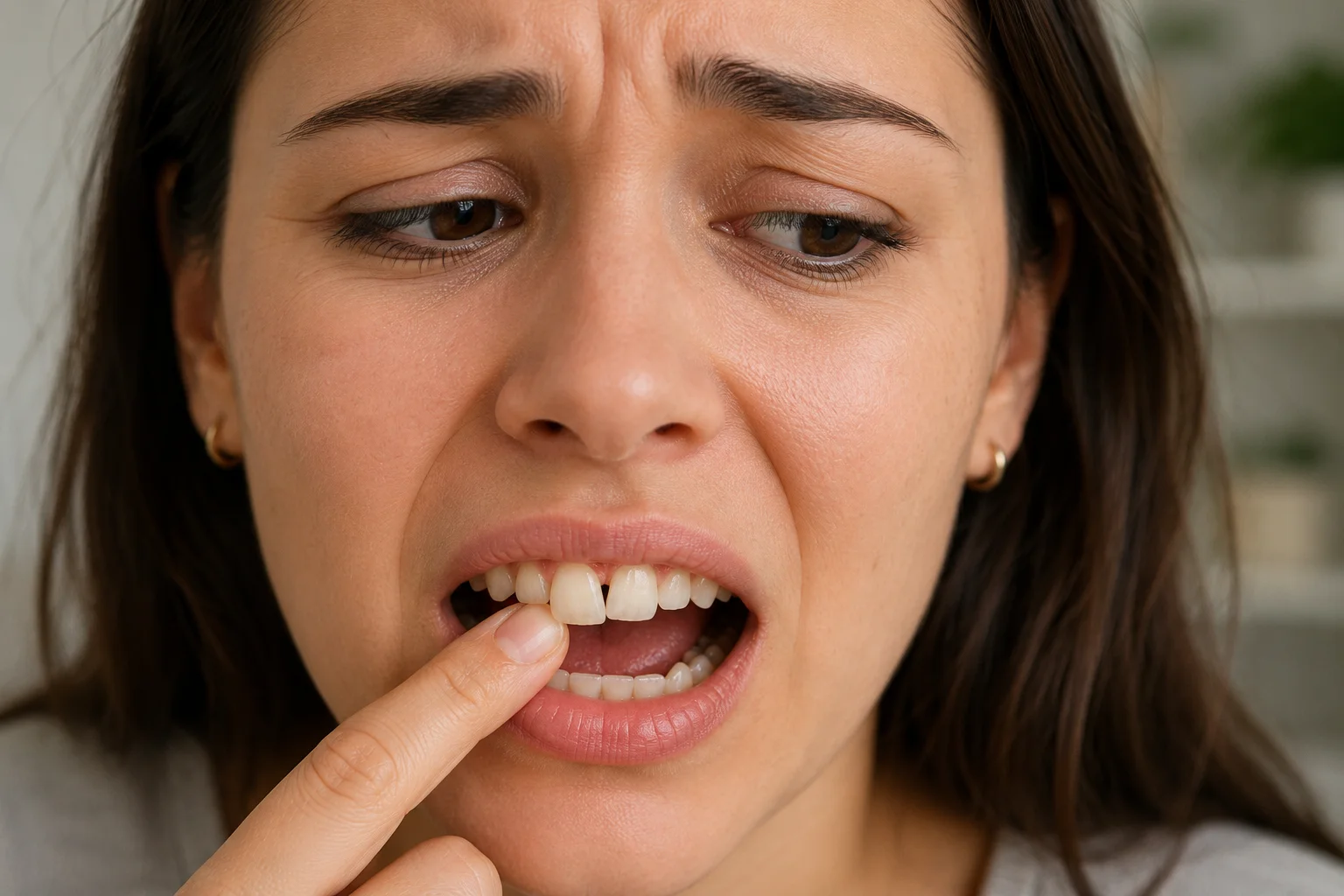
Tooth is loose but still attached is a situation that isn’t just uncomfortable — it’s confusing. You notice it while chewing, brushing, or just running your tongue over it. It hasn’t fallen out, but something clearly isn’t right.
That in-between stage is where most people get stuck. The tooth is still there, still functional, but every bite feels uncertain. And because it hasn’t gotten dramatically worse, it’s easy to put off doing anything about it.
Here’s the thing — a loose tooth doesn’t always mean you’re going to lose it. The cause matters a lot. It could be gum disease, bone loss, an injury, or even years of grinding putting pressure on the root. Some of these are very treatable, especially when caught early.
But waiting too long almost always makes it harder to save. So the first step is understanding what’s actually going on — and that starts with knowing why teeth become loose in the first place.
Why a tooth becomes loose but doesn’t fall out
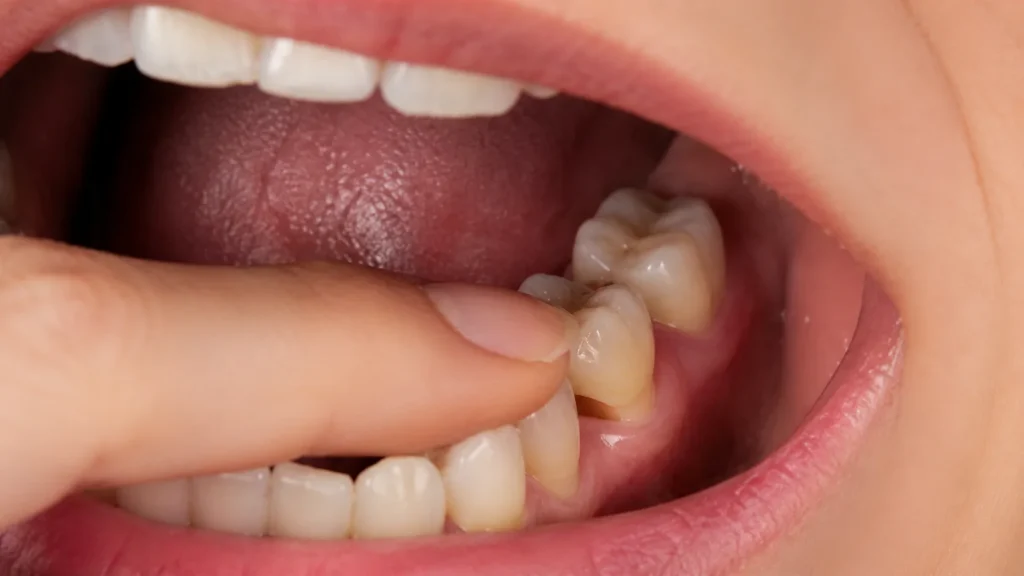
If your tooth is loose but still attached, it usually means the structures supporting it have weakened, even though the tooth hasn’t completely detached.
The key issue is that this breakdown often happens gradually. You don’t always feel pain. Instead, you notice movement first.
A loose tooth that is still attached usually points to one of a few underlying problems:
- Gum disease weakening the support system
- Bone loss around the root
- Injury or sudden impact
- Infection affecting the tissues
- Grinding or long-term pressure
Most common causes of a tooth that is loose but still attached
The most common causes include gum disease, bone loss, trauma, teeth grinding, or infection. In many cases, these problems develop slowly, weakening the ligaments and surrounding bone over time before the tooth begins to move. Understanding why a tooth is loose but still attached can help you identify the underlying problem before it progresses further.
Gum disease
When gums become inflamed and infected over time, they slowly pull away from the teeth. This condition, often called periodontitis, doesn’t usually start with pain. It starts quietly.
As it progresses, the bone that anchors the tooth begins to shrink. Once that support weakens, the tooth starts to feel mobile. You might notice it first while eating something firm or brushing a little harder than usual.
Some people ignore it because it doesn’t hurt much. That’s where the problem grows.
Clinically, this is one of the leading reasons adults end up with loose teeth that are still partially attached but unstable.
Bone loss changes everything
Even if gums look “okay” from the outside, the bone underneath might be thinning. Once that happens, the tooth loses its foundation.
Bone loss can be slow or accelerated depending on hygiene, smoking habits, diabetes, or long-standing infections.
What makes this stage frustrating is that the tooth can still look normal for a while. It may not hurt, and the gums might not bleed heavily. But internally, the support is already weakening.
At this stage, the tooth may feel slightly raised or shifted. Some people describe it as “different pressure when biting,” even before obvious looseness appears.
This is often where intervention becomes important if the tooth is to be saved.
Trauma or sudden force
Not every loose tooth comes from disease. Sometimes it’s a simple impact.
A fall, a sports injury, or even biting down on something unexpectedly hard can strain the ligament holding the tooth in place. The result is mobility without immediate loss.
In these cases, the tooth may stay attached but feel “off,” especially when chewing. The surrounding tissue may also become slightly tender.
Interestingly, trauma-related looseness can sometimes recover if the ligament heals properly and the tooth is protected from further stress.
But if the damage is severe, stability may not fully return.
Grinding and long-term pressure
Teeth are not designed to handle constant sideways force. Grinding or clenching (often during sleep) places repetitive stress on the supporting structures.
Over time, this weakens the connection between the tooth and bone. The process is slow, so people rarely connect the habit to the symptom.
You might wake up with mild jaw soreness or notice a single tooth feeling more mobile than others. That’s usually how it starts.
The pressure doesn’t just wear the enamel; it also strains the ligament system holding everything in place.
Infection and internal damage
Sometimes the problem starts inside the tooth or in the surrounding tissue. An infection can travel outward, affecting both gum and bone support.
When this happens, the tooth may loosen even without major visible decay. There might be mild swelling or a strange taste, but pain is not always strong or consistent.
That inconsistency often delays treatment, which allows the infection to progress further.
Why the tooth doesn’t always fall out immediately
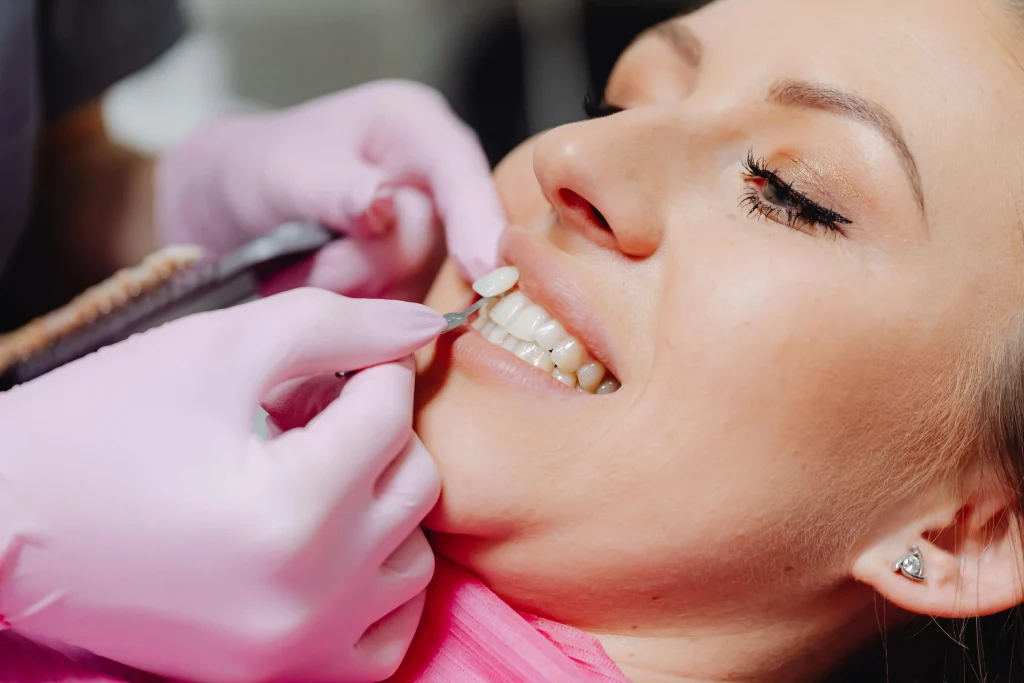
This is what confuses most people.
Even when support structures weaken, a tooth can remain partially anchored for a long time. The remaining fibers and surrounding tissue still hold it in place, even if that hold is weak.
So instead of falling out, it becomes mobile.
This is actually the body’s way of maintaining structure as long as possible. But it also means the problem can sit in a “stalled” phase where things don’t improve on their own.
When a tooth is loose but still Attached, changes in movement, sensitivity, or gum health can signal that the condition is worsening.
Signs the situation is getting worse
A loose tooth doesn’t always stay stable at that level. It can gradually progress.
Some warning signs include:
- Increased movement over days or weeks
- Pain while chewing that wasn’t there before
- Gum recession around the tooth
- Sensitivity to temperature
- A feeling that the tooth is shifting position
Once movement becomes more noticeable, the underlying support is usually weakening further.
Can a loose tooth be saved?
It depends on how much support is still there.
If the issue is caught early, treatments like deep cleaning, stabilisation, or addressing bite pressure can sometimes help. In trauma cases, splinting the tooth to nearby teeth may allow it to recover.
But if bone loss is severe or infection has progressed too far, saving the tooth becomes more difficult.
Dentists usually assess:
- Bone support around the root
- Degree of mobility
- Gum health
- Presence of infection
What people usually get wrong
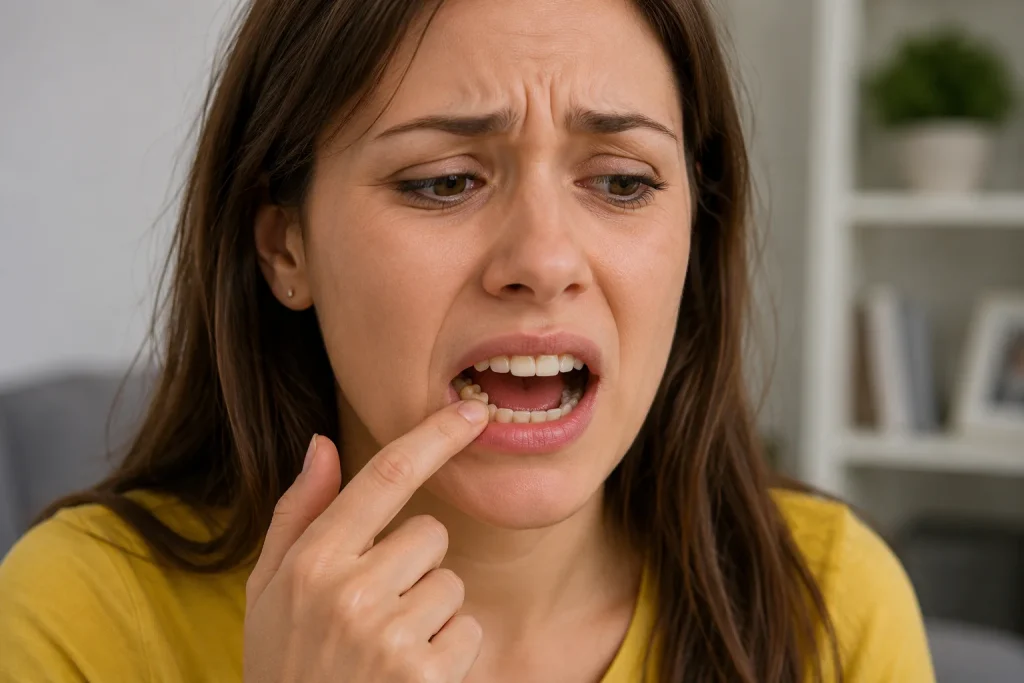
A common mistake is waiting for pain before acting. But with loose teeth, pain is not a reliable signal.
Another issue is overprotecting the tooth without addressing the cause. Avoiding chewing on one side may reduce discomfort, but it doesn’t stop underlying bone or gum deterioration.
There’s also the tendency to “test” the tooth repeatedly with the tongue or fingers. That can actually worsen mobility over time.
Daily care while waiting for treatment
Until professional care is available, gentle handling matters.
Soft brushing, avoiding hard foods, and keeping the area clean can reduce irritation. Flossing should be careful, not forced.
The goal isn’t to fix it at home, but to avoid making it worse before it’s properly assessed.
Conclusion
A tooth is loose but still attached situation is rarely an isolated issue. It’s the end result of something that’s been developing quietly for a while—gum breakdown, bone loss, trauma, or steady pressure from grinding. The tooth may still be attached, but the support around it is already compromised.
What makes this situation tricky is how normal it can feel at first. No sharp pain, no dramatic warning. Just a bit of movement that’s easy to ignore. But that small change is often the point where things can either be stabilized or allowed to slide further. If you notice any unusual tooth movement, scheduling an evaluation with a trusted dental provider such as South Shore Dentistry & Implants can help identify the cause before the problem becomes more difficult to treat.
The outcome depends less on the looseness itself and more on what’s happening underneath it. Catching the cause early can sometimes mean saving the tooth. Waiting usually reduces those options.
FAQ’s
Can a loose tooth tighten back up on its own?
It depends on the cause. A tooth loosened by minor trauma may stabilize as the surrounding tissues heal. However, if gum disease, bone loss, or infection is responsible, professional treatment is usually needed to prevent further damage.
Is a loose tooth always a sign of gum disease?
No. While gum disease is one of the most common causes, a loose tooth can also result from injury, teeth grinding, bone loss, or an underlying infection.
Should I pull out a loose tooth that is still attached?
No. Pulling on a loose tooth can damage the surrounding tissue and worsen the problem. It’s best to have a dentist evaluate the tooth and determine the safest course of action.
How do I know if a loose tooth is getting worse?
Signs that the condition may be worsening include increased movement, pain when chewing, gum recession, swelling, sensitivity, or changes in the way your teeth fit together when you bite.
What should I eat if my tooth is loose but still attached?
Stick to soft foods such as yogurt, eggs, soup, mashed potatoes, and smoothies. Avoid hard, crunchy, sticky, or chewy foods that could put additional stress on the tooth.
Can stress or teeth grinding cause a loose tooth?
Yes. Chronic clenching and grinding place repeated pressure on the teeth and supporting structures, which can eventually lead to tooth mobility and other dental problems.
When should I see a dentist for a loose tooth?
You should schedule an appointment as soon as you notice unusual tooth movement. Early evaluation increases the chances of treating the underlying cause and preserving the tooth.
Related reading: If your teeth feel loose in general and you are not sure why, our full teeth feel loose causes and care guide covers the warning signs and when to book a dental visit.