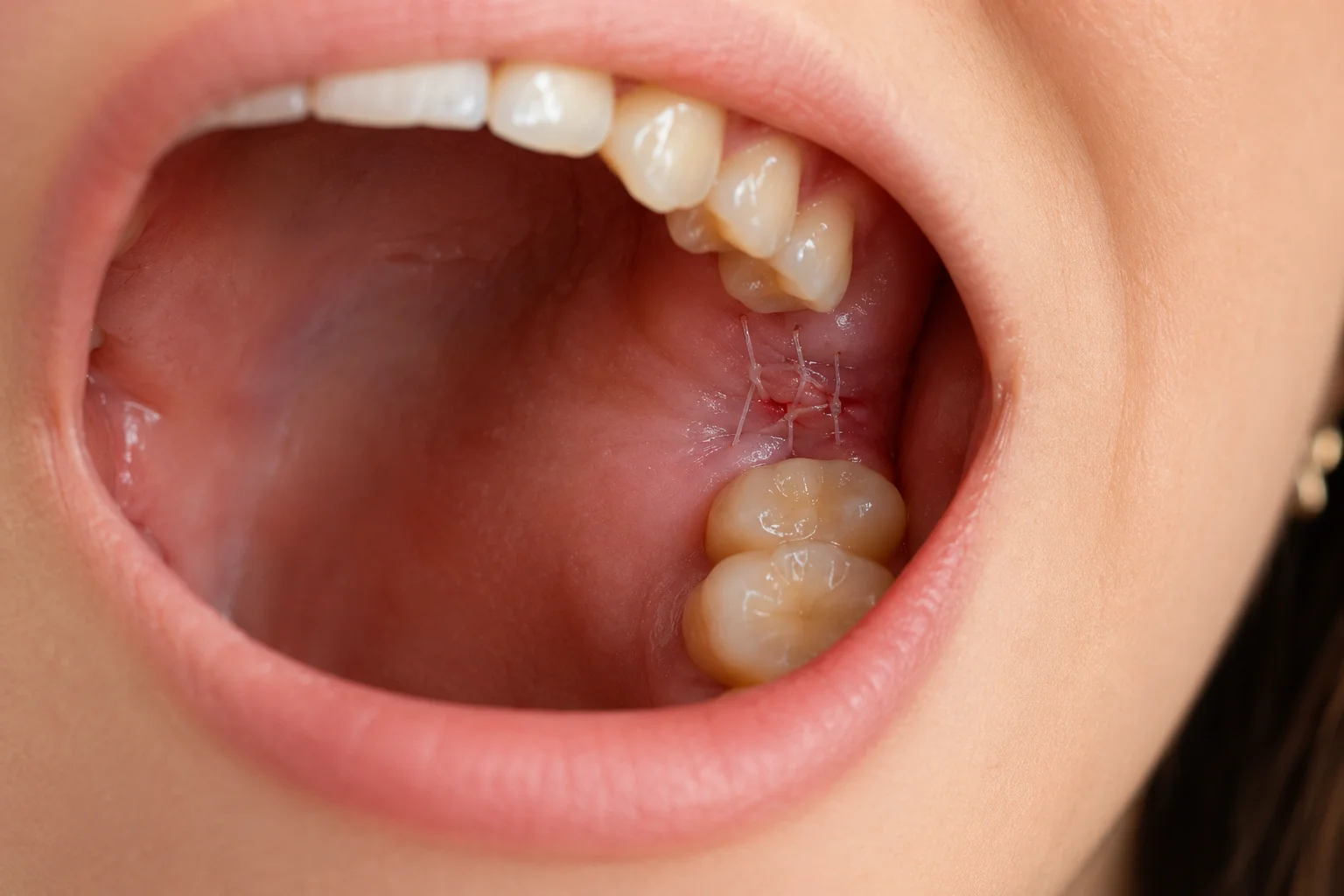
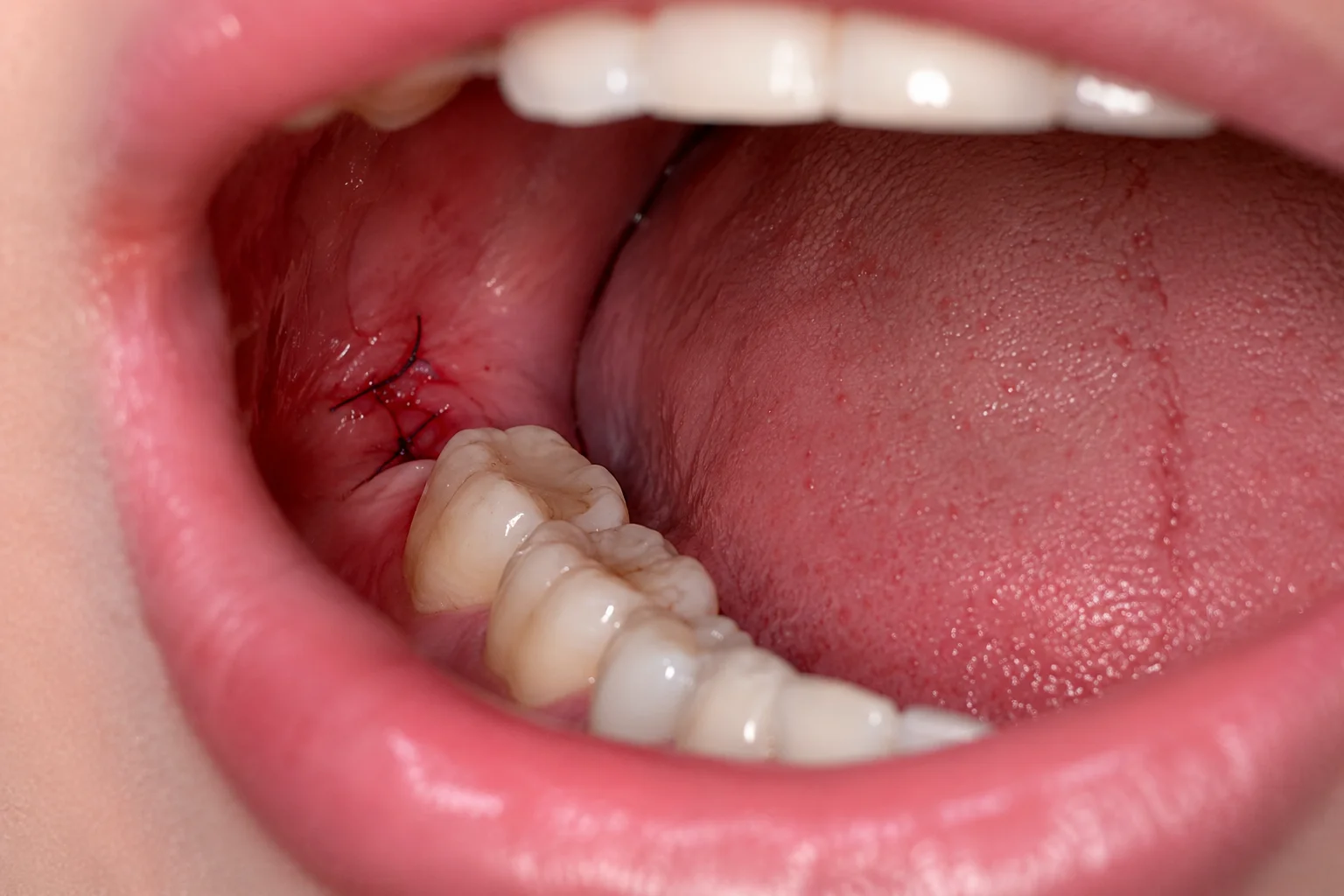
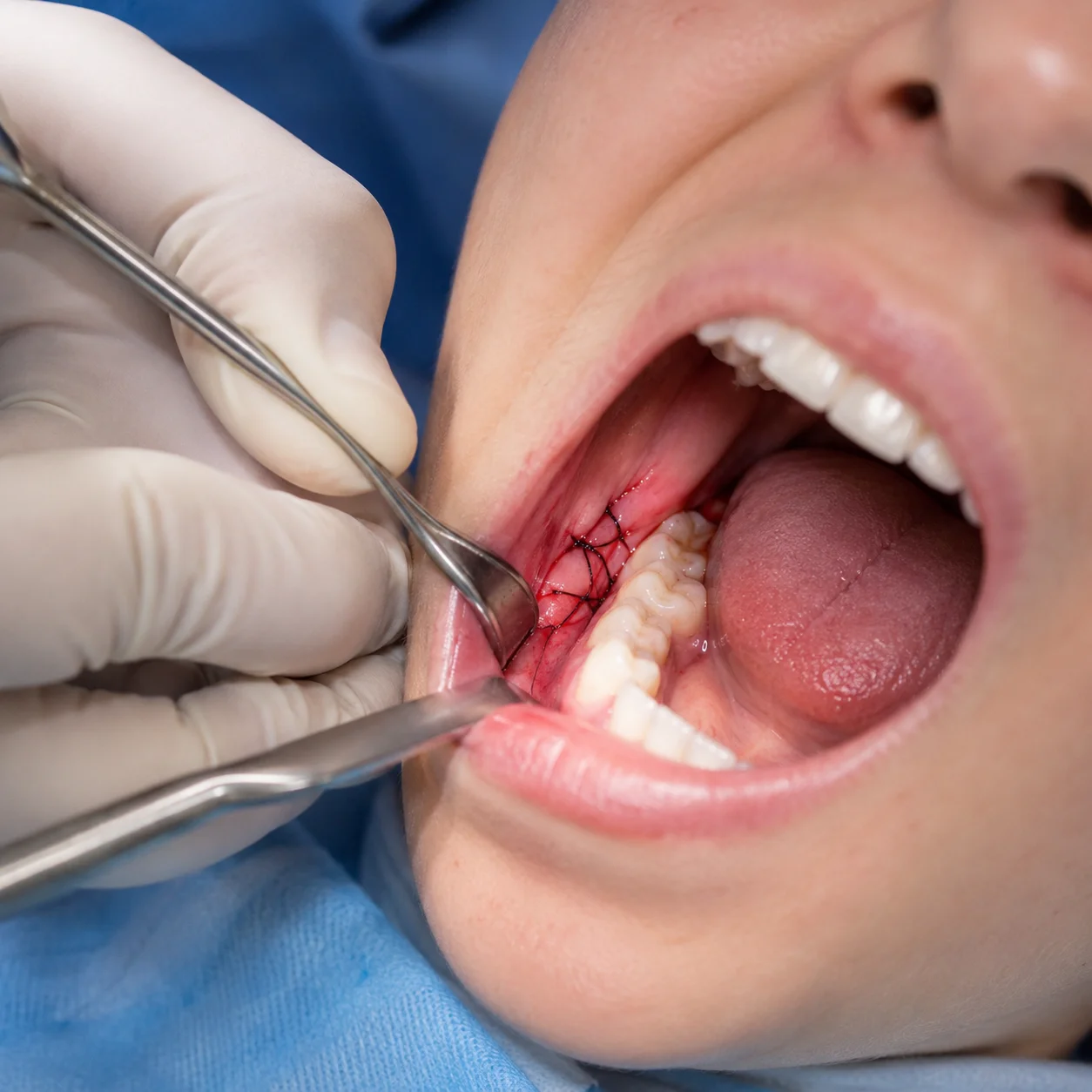

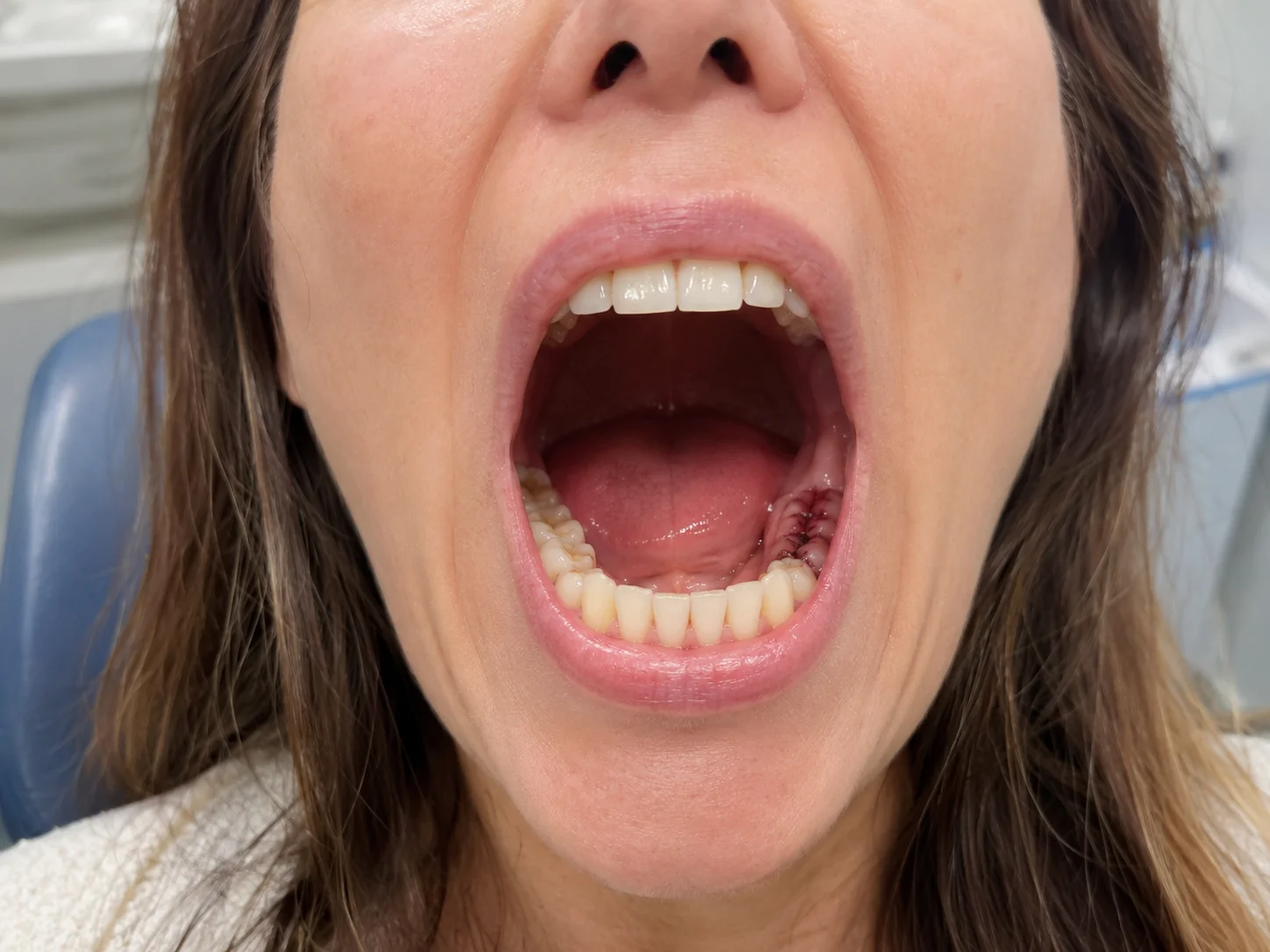
Got a wisdom tooth removed and noticed the stitches came out after just a few days—Is it something to be worried about? It often happens while eating, brushing, or even talking without even realizing it. Many patients at South Shore Dentistry & Implants experience this during early recovery and are unsure whether it’s normal healing or something that needs attention.
The answer isn’t the same for everyone. In some cases, especially with dissolvable stitches, this can be completely normal. In other cases, it’s better to get a quick dental check to make sure the socket is healing properly.
What really matters isn’t just the stitches coming out, but how the gum and extraction site are healing underneath.
Why wisdom teeth stitches came out early
There isn’t a single reason for this, and it often comes down to a mix of healing behavior and daily habits.
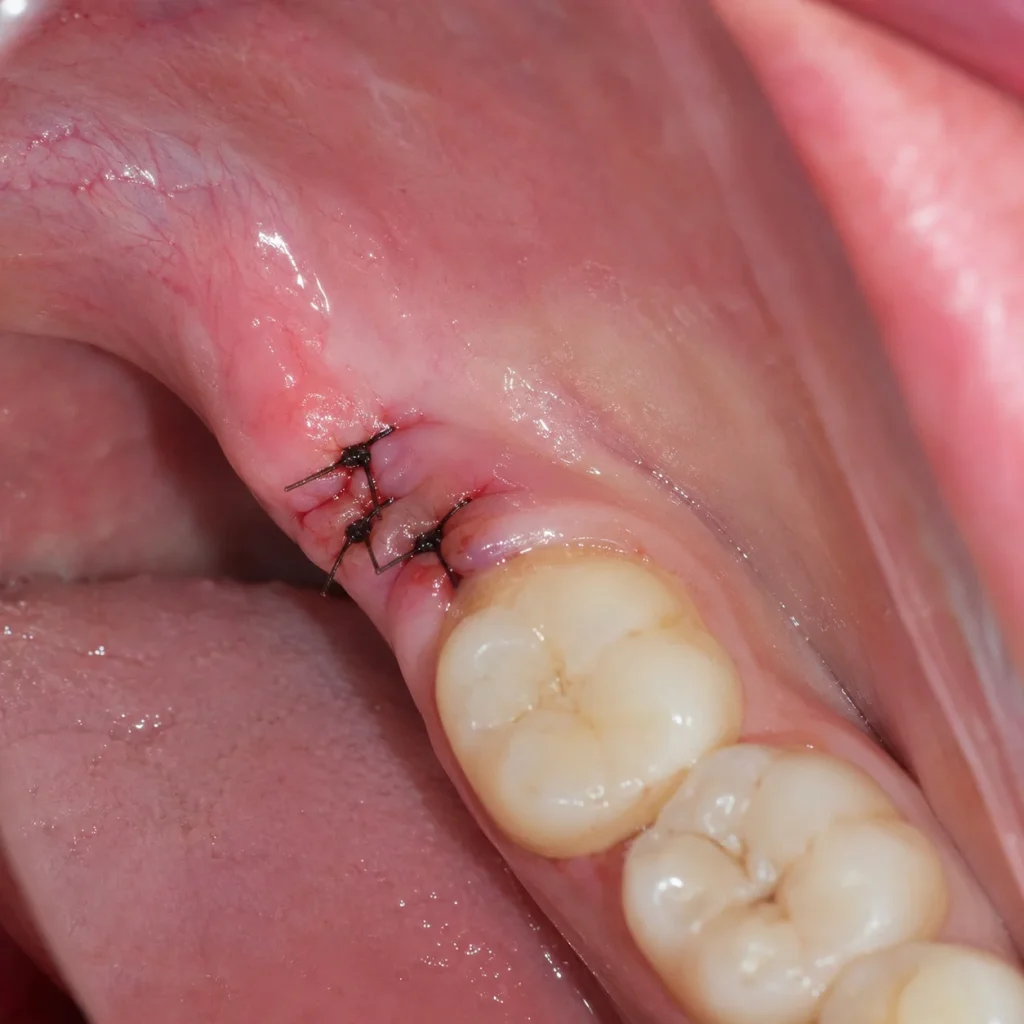
Dissolvable stitches do not last long in some people. They start breaking down because of saliva, enzymes and natural mouth movement. The stitches fell out because of the body’s natural process of dissolving them. This happens to some people. It is a normal process.
Then there is the stuff. Eating on that side too quickly, pulling with your tongue or brushing your teeth too hard can loosen stitches without you even realizing. Even laughing or opening your mouth wide can cause tension in the first few days.
Common triggers that loosen stitches early
- Chewing hard or crunchy foods too soon
- Touching stitches with tongue or fingers
- Brushing too aggressively near the site
- Natural dissolving of sutures
- Rapid reduction in swelling
Is it normal for stitches to fall out after tooth extraction?
In many cases, yes. Especially if dissolvable sutures were used.
These stitches are designed to break down gradually as the gum starts healing. Some dissolve within a few days, others last over a week. So noticing them gone after 3 days can still fall within normal healing patterns.
But not all stitches are the same.
Non-dissolvable stitches are meant to stay longer and are usually removed by a dentist after about a week or more. If these come out too early, it’s worth checking the area just to be safe.
Dissolvable vs non-dissolvable stitches
Dissolvable stitches:
- Break down naturally
- Can loosen within 3–7 days
- Don’t always need removal
Non-dissolvable stitches:
- Stay in place longer
- Require dentist removal
- Early loss may need review
What happens when stitches come out too soon?
When stitches fall out early, the concern isn’t the thread itself, it’s whether the gum tissue underneath is stable.
In a normal healing process, a blood clot forms inside the socket after extraction. That clot protects the bone and starts the repair process. Stitches mainly help keep the gum edges together while this happens.
If the clot stays undisturbed, healing continues even without stitches. But if it gets disrupted, problems can develop.
Signs the healing is still on track
- Mild soreness that slowly improves
- No unusual swelling after day 3
- Socket looks dark red or covered
- No strong bad smell or taste
Signs something may not be right
- Increasing pain instead of improvement
- Socket looks empty or exposed
- Persistent bleeding
- Pain radiating to ear or jaw
- Swelling getting worse after a few days
If these appear, it’s better not to wait.
Wisdom tooth socket opening after stitches came out
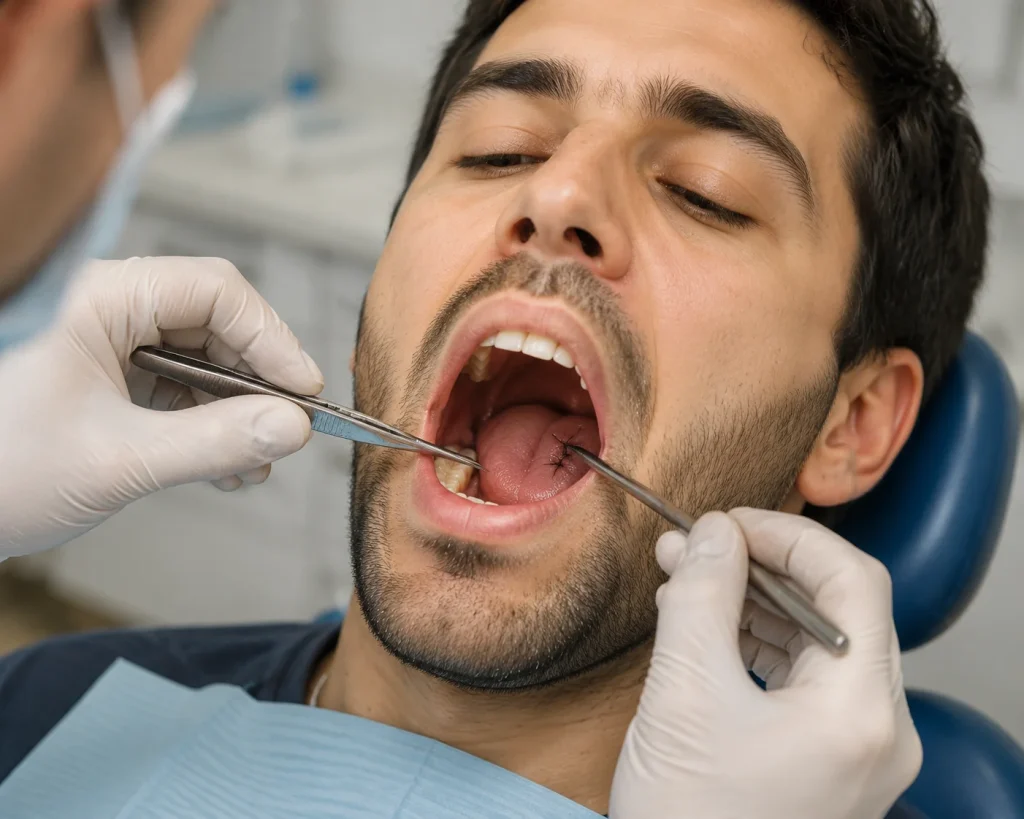
This is the part that usually causes the most worry.
A slightly open socket in the first few days isn’t unusual. The gum tissue takes time to close, and stitches only assist that process. Even without them, the body continues healing as long as the blood clot remains stable.
The real issue is exposure. If food gets trapped or the clot is disturbed, healing slows down and discomfort increases.
What a normal socket looks like
- Dark red or brownish area
- Slight indentation in the gum
- Mild tenderness
- No sharp or worsening pain
What may indicate dry socket risk
- Visible bone or empty-looking socket
- Sharp, throbbing pain starting after day 2–4
- Pain not improving with medication
- Bad taste that doesn’t go away
Dry socket doesn’t happen to everyone, but it’s something dentists watch closely in early recovery.
Wisdom teeth healing after stitches come out
Healing doesn’t stop just because stitches are gone. In fact, most of the important recovery happens beneath the gum surface.
The first few days are about stability. The body forms a clot, and the tissue slowly begins closing over it. By the end of the first week, the gum starts to strengthen and cover the area more securely.
Lower wisdom teeth often take longer to heal compared to upper ones because the bone is denser and the area gets more movement during chewing.
What normal healing feels like week by week
Days 1–3:
- Swelling and mild discomfort
- Blood clot formation
Days 4–7:
- Gradual pain reduction
- Stitches may loosen or dissolve
Week 2:
- Gum starts closing over socket
- Eating becomes easier
Simple habits that support healing
- Stick to soft foods like rice, yogurt, mashed potatoes
- Avoid chewing on the extraction side
- Rinse gently with salt water after 24 hours
- Keep brushing, but carefully around the area
- Stay hydrated
Wisdom tooth extraction recovery problems to watch for
Not every discomfort means complications, but some symptoms should not be ignored.
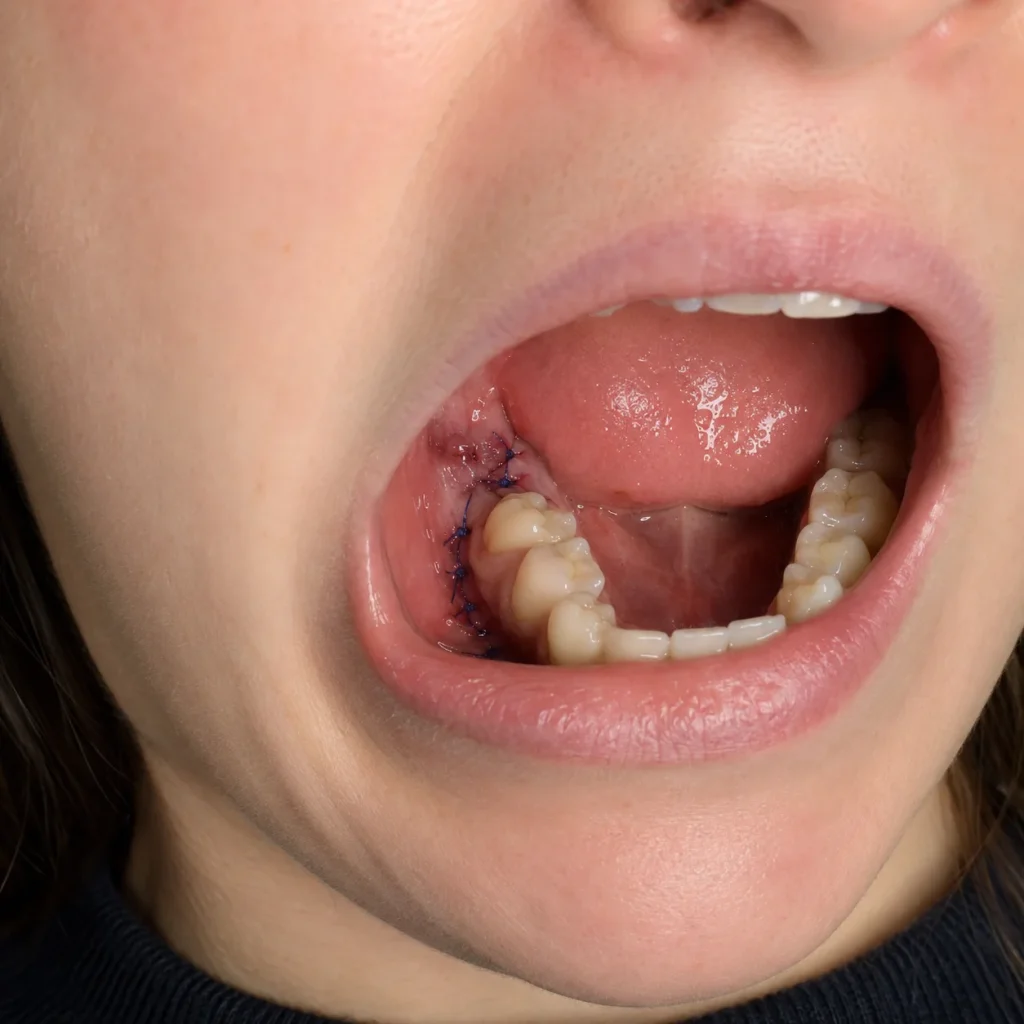
Sometimes food particles can get stuck in the socket and cause irritation. Other times, swelling can linger slightly longer than expected. These are usually manageable with proper cleaning and care.
However, worsening symptoms are different.
When to contact a dentist
- Pain increasing after day 3
- Swelling that doesn’t reduce
- Bleeding that returns repeatedly
- Pus or unusual discharge
- Difficulty opening mouth
- Fever or general discomfort
These signs don’t always mean infection, but they do need attention.
Gum stitches came out after 3 days. Should you panic?
No, not immediately. Three days is still early in the healing process, and many patients notice stitch changes around this time.
What matters most is how the area feels and looks. If discomfort is improving and there are no warning signs, the healing process is likely continuing as expected.
But if something feels off, even slightly, a quick dental check is better than waiting. Early follow-ups often prevent small issues from turning into painful complications.
A simple way to think about it
Stitches provide support, not the actual healing itself.
They help guide the gum edges, but your body does the real work underneath. Once the clot is stable and tissue starts forming, stitches become less important than the condition of the socket itself.
So when they come out early, it’s not automatically a setback—it just means the healing stage needs a closer look.
Final thoughts
Wisdom teeth stitches coming out after 3 days can feel alarming, but it’s not always a problem. Dissolvable sutures, normal mouth movement, and early healing changes often explain it.
The key is to observe symptoms rather than focus only on stitches. If pain is improving and the socket looks stable, recovery is usually on track. If discomfort increases or the area looks exposed, getting it checked early makes all the difference.
Healing after extraction isn’t always perfectly predictable, but with the right care in the first week, most people recover without complications.
FAQs
1. Is it normal for wisdom teeth stitches to come out after 3 days?
Yes, it can be normal in some cases, especially if dissolvable stitches were used. These are designed to loosen or break down within a few days as healing begins.
2. Should I worry if my wisdom tooth stitches fell out early?
Not always. If there is no severe pain, swelling, or bleeding, it may still be part of normal healing. However, if symptoms are getting worse, a dental check is recommended.
3. What should I do if my stitches come out after wisdom tooth removal?
Keep the area clean, avoid chewing on that side, and rinse gently with salt water after 24 hours. Don’t try to replace or touch the area yourself.
4. Can early loss of stitches affect healing?
It can, but not always. Healing mainly depends on the blood clot and gum tissue, not just stitches. If the socket stays stable, recovery usually continues normally.
5. How do I know if my wisdom tooth socket is healing properly?
Mild discomfort that slowly improves, reduced swelling, and no unusual smell or discharge are good signs. Increasing pain or an open-looking socket may need attention.
6. Can stitches fall out due to eating or brushing?
Yes, stitches can loosen if you eat hard foods, chew on that side, or brush too roughly near the area.
7. What are signs of infection after stitches come out?
Signs may include increasing pain, swelling, pus, bad taste, or fever. If you notice these, contact a dentist as soon as possible.