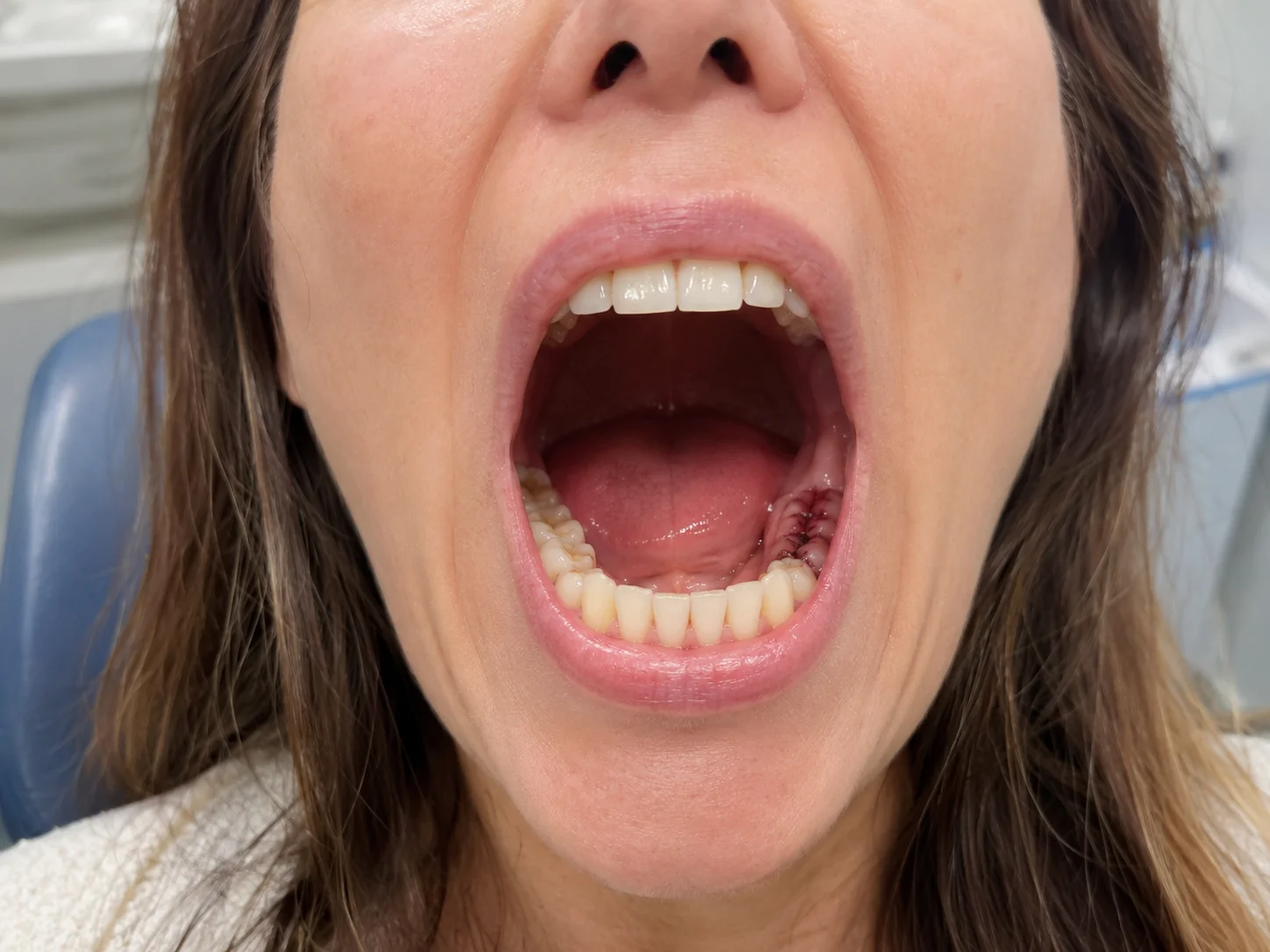
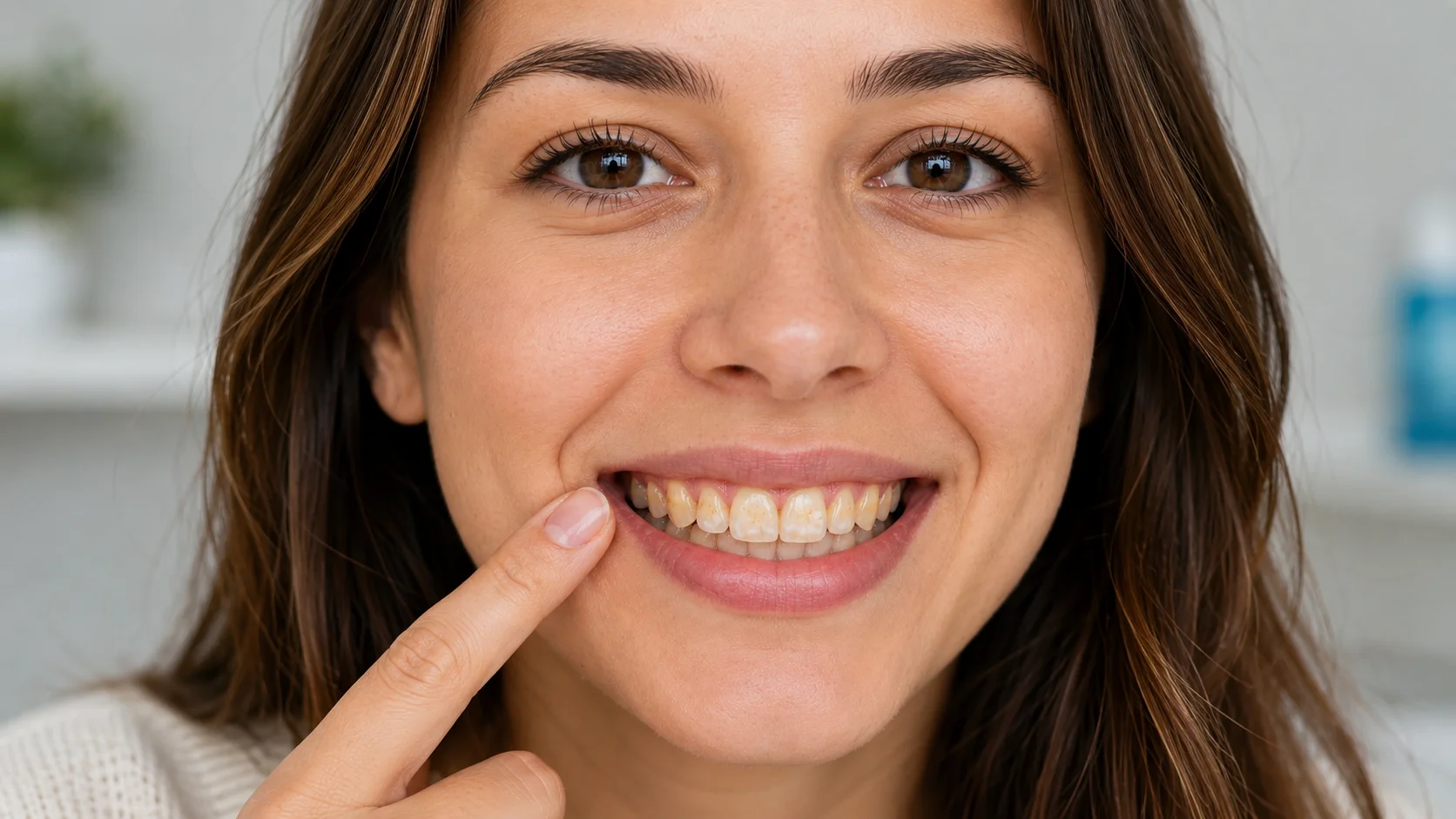
At South Shore Dentistry & Implants, yellow spots on teeth are one of those things patients often notice but rarely talk about openly. You might catch a glimpse of them in a photo, or suddenly notice them in harsh bathroom lighting. They can signal something minor, like a diet habit you haven’t thought much about, or something more involved, like enamel damage that’s been quietly building for years.
This guide breaks down the actual causes behind yellow spots on teeth (not just surface-level staining), and goes into what realistically works to remove or reduce them.
What Causes Yellow Spots on Teeth

Yellow spots on teeth can appear due to a mix of everyday habits and underlying dental issues. Common causes include plaque and tartar buildup, frequent consumption of staining foods and drinks like coffee or tea, and smoking. Over time, these factors can settle on the enamel and create visible yellow patches.
In some cases, the cause goes deeper than surface staining. Conditions such as enamel wear, fluorosis, or early tooth decay can also lead to yellow spots on teeth. These issues often develop slowly, which is why regular dental checkups are important for early detection and proper treatment.
Why Yellow Spots on Teeth Appear — and Not Always Evenly
Most people assume yellow teeth are just about coffee or smoking. But yellow spots — as opposed to general discoloration — usually point to something more specific. The uneven distribution matters.
Fluorosis
Fluorosis is the main reason people get patchy yellow or white-yellow spots on their teeth. This happens a lot to people who grew up in places where the water has fluoride in it or who used toothpaste with a lot of fluoride when they were kids. When teeth are growing much fluoride can mess up the enamel formation. This leaves behind spots or streaks that can be white, like chalk or yellow-brown.
It doesn’t hurt. It’s purely cosmetic. But it’s also permanent, because the spots form inside the enamel structure itself, not on the surface.
Enamel Hypoplasia
This condition is not very famous. It is more common than you think. Enamel hypoplasia occurs when the enamel does not develop correctly. This often happens due to illness, not eating well, or during premature birth when teeth are growing. As a result the enamel is thinner, in some areas. This makes those spots appear yellow because you can see the dentin underneath. Also these spots can decay easily.
Adults who had recurring high fevers as kids sometimes discover, years later, that this is why certain teeth look different from the rest.
Demineralization and Early Decay
Those chalky white or yellow-white spots you sometimes see near the gumline or around orthodontic brackets? That’s demineralization — the early stage of tooth decay, before an actual cavity forms. Acids produced by bacteria strip minerals from the enamel, leaving behind dull, opaque patches.
If you had braces and didn’t clean around the brackets well, you’ve likely seen this. Yellow spots on teeth often show up clearly once the braces come off, which can catch people off guard.
Tartar Buildup
Tartar — hardened plaque — can be yellow or yellow-brown and tends to accumulate in specific spots: behind the lower front teeth, along the gumline, between teeth. Unlike soft plaque, tartar can’t be brushed away. It bonds to enamel and has to be removed professionally.
People often mistake tartar buildup for staining, but the two are different. Tartar changes the texture of the tooth surface; staining changes the color.
Diet and Surface Staining
Certain foods and drinks stain enamel over time — coffee, tea, red wine, tomato sauce, berries. These stains tend to be more diffuse, but they can concentrate in areas where enamel is rougher or slightly pitted.
Acidic foods also soften enamel temporarily, making it easier for pigments to penetrate. Drinking orange juice and then brushing immediately afterward actually makes this worse, not better.
Medications
Tetracycline antibiotics, when taken during childhood and pregnancy, can cause problems for teeth. Some other medicines like Antihistamines and antipsychotics can also affect the teeth. They do this by reducing the amount of saliva in the mouth. Some blood pressure medications can do the thing. When there is no saliva it can lead to stains on the teeth.
Genetics
Some people just have yellow teeth naturally. The dentin layer under the enamel is yellow. Enamel thickness is different for each person. When enamel is thin the yellow color shows through. It does not matter how well someone brushes their teeth.
Are Yellow Spots on Teeth a Sign of a Dental Problem?
Not always — but they can be. The answer depends entirely on what’s behind them.
Spots caused by fluorosis or genetics are cosmetic. They’ve been there since the teeth formed and won’t get worse with age unless other factors like staining or erosion are layered on top. They don’t hurt, and they don’t indicate anything is wrong with the tooth’s health.
On the other hand, spots from demineralization are a different issue. These spots mean that the enamel is losing minerals and getting weaker. If you leave them unchecked, they can turn into cavities. The same is true for spots that appear with sensitivity changes, in visible pitting. These spots need a proper dental checkup instead of just a cosmetic fix.
How to Remove Yellow Spots
Here’s where it gets nuanced, because the type of yellowing dictates what’ll actually help. A whitening toothpaste won’t touch fluorosis. Professional bleaching won’t fix enamel hypoplasia. Knowing what you’re dealing with saves a lot of wasted effort.
Professional Cleaning (Scaling and Polishing)
If tartar is the problem then cleaning is the only way to fix it. The hygienist will use tools like ultrasonic scalers and hand instruments to break up the tartar and remove it. When the tartar is gone the stains on the surface usually go away too because the tartar was hiding them.
Most people are surprised by how much brighter their teeth look after a thorough clean — not because the enamel changed, but because the buildup was hiding it.
Whitening Toothpastes and Abrasives
These toothpastes work by rubbing the tooth surface. They can help remove surface stains from things like coffee, tea and food well if you use them regularly. They do not go into the enamel so stains that are inside the tooth like those from fluorosis, tetracycline or hypoplasia do not change much.
Look for toothpastes with a RDA (relative dentin abrasivity) value below 250. Some toothpastes that claim to whiten teeth are too rough to use every day. They can actually wear away enamel over time which makes your teeth look more yellow not less.
Hydrogen Peroxide and Carbamide Peroxide Bleaching
Professional take-home trays or in-office bleaching use peroxide to penetrate enamel and break apart pigment molecules. This is the most effective option for general yellowing and diffuse staining.
Results vary. People with naturally thin enamel or existing sensitivity may not tolerate bleaching well. And for spotty fluorosis or hypoplasia, bleaching sometimes makes the contrast between spots and surrounding enamel more pronounced before it gets better — which can be alarming if you’re not expecting it.
Microabrasion
For mild to fluorosis and superficial enamel staining, microabrasion is something you should consider. A dentist uses an acidic compound, usually hydrochloric acid mixed with pumice and gently removes the top layer of enamel where the spots are.
This method works well for spots that’re only on the outer enamel, not deeper. There is a limit to how much enamel can be removed before other issues occur which makes microabrasion not suitable for cases.
Composite Bonding
When spots are deeper or more pronounced, the dentist can put composite resin right on the affected teeth. The dentist will make the surface of the teeth a little rough then put tooth colored resin on them to shape it to look nice. Composite resin looks very natural. Can stay in good shape for several years if you take good care of your teeth and the composite resin.
Porcelain Veneers
For fluorosis significant tetracycline staining or enamel hypoplasia that affects multiple teeth veneers are often the best solution. The veneers hide the discoloration. Make teeth look better. Severe fluorosis and tetracycline staining can cause tooth discoloration. Enamel hypoplasia can also affect the look of teeth.
Remineralization for Early Decay Spots
If yellow spots on teeth stem from demineralization (early decay), the approach is different from cosmetic treatments. The goal is to actually repair the enamel, not just mask it.
High-fluoride toothpastes, prescription fluoride gels, and products containing hydroxyapatite or CPP-ACP (casein phosphopeptide-amorphous calcium phosphate) can help remineralize early lesions. Caught early enough, these spots can fade noticeably — sometimes completely — without any drilling or restorative work
Home Remedies for Yellow Spots — What Works and What Doesn’t
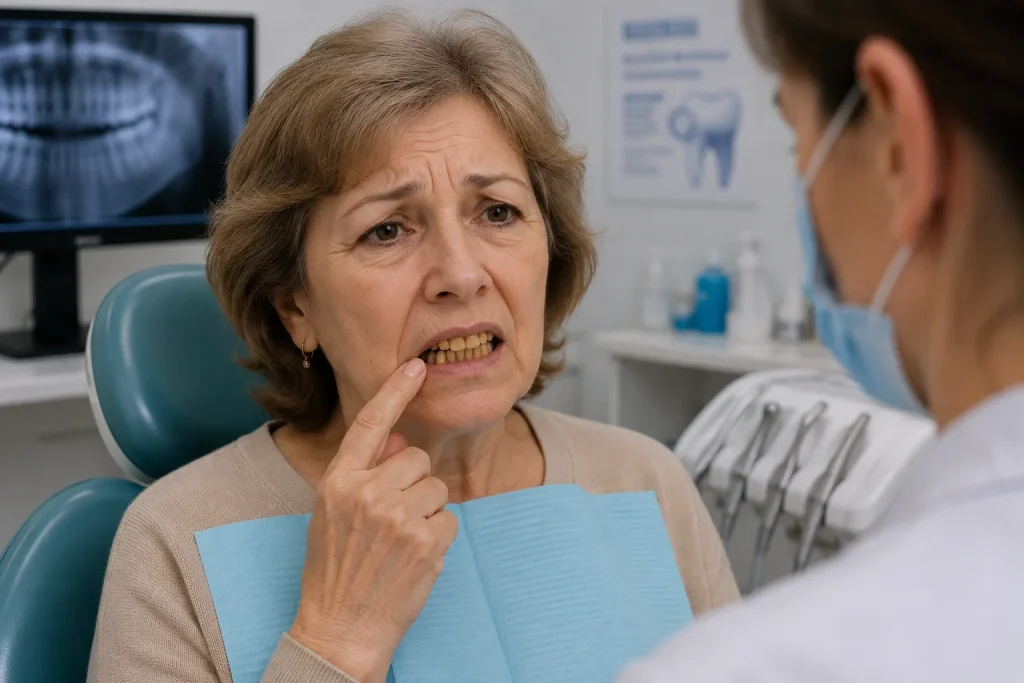
There’s no shortage of home remedies floating around online — oil pulling, baking soda pastes, activated charcoal, lemon juice. They’re popular, but the results are inconsistent at best and damaging at worst.
Baking soda
It has mild abrasive properties and can lift some surface staining with careful, infrequent use. It won’t affect intrinsic spots.
Oil pulling
Oil Pulling (swishing coconut or sesame oil) may reduce bacteria and surface plaque marginally, but there’s no strong clinical evidence it removes staining in any meaningful way.
Activated charcoal
It is highly abrasive and has become a trend in whitening products. Most dental associations advise against regular use — it can scratch enamel, which actually makes staining worse over time by creating a rougher surface for pigments to cling to.
Lemon juice or apple cider vinegar
They are both acidic enough to temporarily soften enamel. Applying acid directly to teeth is not a whitening strategy — it’s enamel erosion. Skip these entirely.
Habits That Make Yellow Spots on Teeth Worse
A few things accelerate staining and enamel damage in ways people don’t always connect:
Mouth breathing
Mouth breathing especially during sleep — dries out the mouth and reduces saliva. Saliva is protective; without it, teeth are more vulnerable to acid attacks and staining.
Frequent snacking on acidic or sugary foods
It keeps the mouth in an acidic state for longer than three large meals would. The more time enamel spends under acid attack, the more minerals it loses.
Using a hard-bristled toothbrush
Brushing aggressively wears enamel mechanically. This is particularly damaging near the gumline, where enamel is already thinnest.
Skipping flossing
It allows plaque to build up between teeth and along the gumline — exactly where tartar tends to form and where yellow spots often appear.
How to Prevent Yellow Spots from Coming Back

Prevention looks different depending on the cause, but a few fundamentals apply broadly.
Brush your teeth twice every day with a toothpaste that has fluoride in it. Brush gently in circular strokes. If you do not floss the plaque that is between your teeth will turn into tartar in a few days usually, between 24 to 72 hours. That is when your teeth start to get those yellow stains.
Watch the frequency of acidic and staining foods more than the quantity. Sipping coffee slowly over two hours can hurt your teeth because of the acid in the coffee. Rinsing your mouth with water after you eat or drink something can make a lot of difference.
Regular dental cleanings — typically every six months — catch tartar buildup before it becomes visually significant and give your dentist a chance to spot early demineralization before it progresses.
When to See a Dentist
Some yellowing is cosmetic and benign. But certain signs suggest something worth having evaluated:
- Spots that have appeared or changed recently
- Spots accompanied by sensitivity to hot, cold, or sweets
- Rough or pitted texture on the surface of a spot
- Yellow or brown spots near the gumline that seem to be spreading
A dentist can usually identify the cause of yellow spots on teeth from a visual exam alone. Occasionally, they’ll use transillumination or X-rays to check what’s happening beneath the surface.
A Note on Realistic Expectations
No treatment makes every set of teeth look the same. Natural variation in enamel thickness, dentin color, and tooth shape means that even perfect oral hygiene won’t produce perfectly uniform, bright white teeth for everyone.
That’s actually fine. The goal is healthy teeth, and healthy teeth come in a range of natural shades. Yellow spots that stem from decay or enamel damage are worth addressing promptly. Spots caused by genetics or mild fluorosis — while cosmetically noticeable — are largely harmless and often manageable with targeted cosmetic options if they bother you.
The right approach depends on what’s actually causing the spots. Getting that diagnosis right is half the work.
Conclusion
Yellow spots on teeth don’t appear overnight. They usually build up slowly from everyday habits, enamel changes, or underlying dental conditions like tartar buildup or early enamel damage. Some cases are purely cosmetic, while others can point to early decay or weakening enamel that needs attention.
With the right diagnosis and consistent oral care, most people can significantly improve the appearance of yellow spots on teeth and prevent them from coming back. Regular dental visits, proper brushing habits, and early treatment make a noticeable difference over time.
FAQs
1. What causes yellow spots on teeth?
Yellow spots on teeth can be caused by plaque buildup, tartar, enamel wear, fluorosis, early decay, or staining from food, drinks, and smoking. Sometimes more than one factor is involved.
2. Can yellow spots on teeth go away on their own?
No, most yellow spots do not disappear on their own. Surface stains may reduce with good oral hygiene, but deeper spots usually need professional dental treatment.
3. Are yellow spots on teeth a sign of decay?
They can be. If the spots are caused by demineralization or early enamel damage, they may indicate the beginning stage of tooth decay.
4. How can dentists remove yellow spots on teeth?
Dentists may use professional cleaning, whitening treatments, microabrasion, bonding, or veneers depending on the cause and severity of the spots.
5. Can brushing remove yellow spots on teeth?
Brushing helps prevent new stains and may reduce mild surface discoloration, but it cannot remove deep stains or hardened tartar.
6. Are home remedies safe for yellow spots on teeth?
Some mild methods like baking soda may help slightly, but acidic remedies like lemon juice or vinegar can damage enamel and should be avoided.
7. How can I prevent yellow spots on teeth?
Regular brushing, daily flossing, reducing coffee/tea intake, drinking water after meals, and routine dental cleanings can help prevent new spots from forming.