


Many people feel nervous about getting a root canal because they expect it to be painful. If your dentist has recommended a root canal, one of your biggest concerns may be whether the procedure will be painful. You might be asking yourself, “Do root canals hurt?”
The good news is that root canal treatment is usually not painful because dentists use local anesthesia to numb the affected tooth. You may feel some pressure during the procedure and mild soreness afterward, but most patients find the discomfort manageable.
Knowing what happens during treatment, how long soreness lasts, and what to expect during recovery can help you feel more prepared for your appointment.
Do Root Canals Hurt During the Procedure?
A common question patients ask is, “Does root canal hurt during treatment?” The answer is that most patients experience little or no pain during a root canal because the dentist numbs the tooth and surrounding tissues before starting. Local anesthesia blocks pain signals, allowing the dentist to remove infected or inflamed tissue while keeping you comfortable.
You may still notice slight pressure, movement, or vibrations during treatment, but these sensations should not feel like sharp pain. If you experience discomfort, tell your dentist immediately. Additional anesthesia or other pain-control techniques may be needed, especially when the tooth is severely inflamed.
The purpose of root canal treatment is to relieve dental pain, remove infection, and preserve your natural tooth whenever possible.
How Painful Is a Root Canal Compared to a Filling?
A common question patients ask is, is root canal painful than getting a regular filling? Both procedures usually involve local anesthesia to reduce discomfort. Learn more about dental fillings and how they help restore damaged teeth. A root canal may take longer and involve deeper treatment, but most patients experience little pain while the tooth is properly numbed.
However, a tooth with severe inflammation may be more difficult to numb completely. Your dentist may need additional anesthetic techniques to manage discomfort. Although every patient’s experience is different, modern root canal procedures are designed to make treatment as comfortable as possible.
What Happens During a Root Canal Treatment?
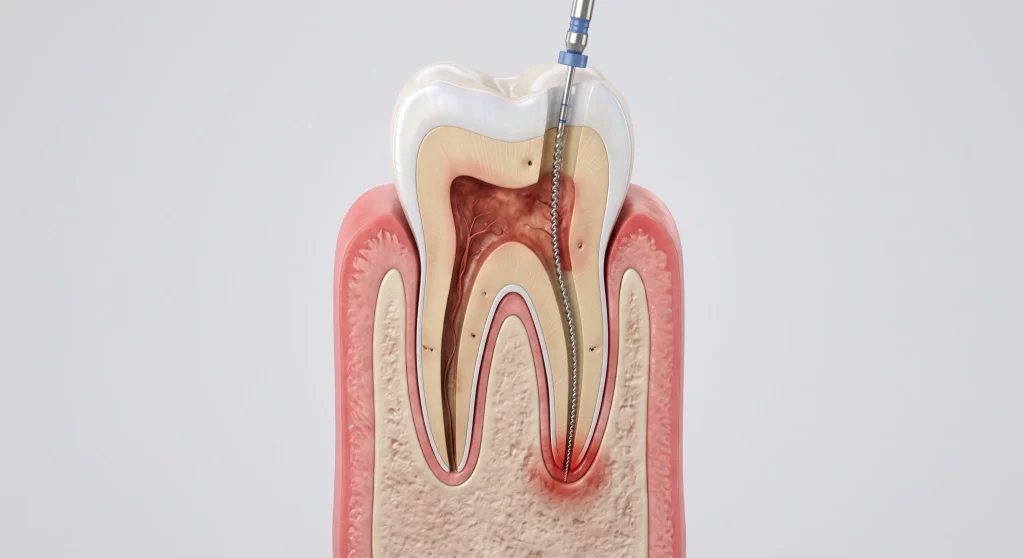
A root canal removes damaged or infected tissue from inside a tooth to prevent further infection and save the natural tooth. Before starting, the dentist examines the affected tooth and applies local anesthesia to numb the area. You may feel a slight pinch during the injection, but the treatment itself should cause little discomfort.
Once the tooth is numb, the dentist makes a small opening to reach the infected pulp. The damaged tissue is carefully removed, and the root canals are cleaned and shaped to remove bacteria. The canals are then filled and sealed to help prevent reinfection.
After cleaning, the dentist places a temporary or permanent filling to close the tooth. In some cases, a dental crown is recommended to provide additional strength and protection to the treated tooth. Depending on the condition of the tooth, the treatment may require one or more appointments.
Is Root Canal Treatment Completely Painless?

Many patients wonder, is root canal painless with modern dental techniques? Local anesthesia helps numb the affected tooth and surrounding tissues, making treatment comfortable for most people. However, you may still feel slight pressure, vibrations, or brief discomfort during the procedure. These sensations are usually manageable and should not involve significant pain.
Patients in Cudahy, WI, who feel anxious about dental treatment can discuss their concerns before the procedure. If you have difficulty getting numb or have experienced painful dental treatment in the past, tell your dentist. They can review appropriate pain-control options and take steps to improve your comfort throughout the appointment.
How Much Pain Is Normal After a Root Canal?
Mild pain or soreness after a root canal is normal as the tissues around the treated tooth heal. Read more about common causes of tooth pain and when to seek dental care. Once the anesthesia wears off, you may experience tenderness when biting, slight sensitivity, or discomfort around the jaw. These symptoms are usually temporary and often improve within a few days, although some tenderness can last longer.
The amount of soreness varies depending on the tooth’s condition before treatment. Teeth with significant inflammation or infection may feel more sensitive during recovery.
However, severe pain, worsening swelling, or discomfort that does not gradually improve should not be ignored. Contact your dentist if symptoms become worse or interfere with normal activities.
How to Relieve Pain After a Root Canal
Patients often ask, “Are root canals sore after treatment?” Mild discomfort after a root canal can usually be managed with proper care and your dentist’s instructions. The treated tooth may remain sensitive for a few days as it heals. Following simple precautions can reduce soreness and support a smooth recovery.
Follow these simple tips to manage soreness after treatment:
- Take recommended pain medication: Use over-the-counter pain relievers such as ibuprofen or acetaminophen if they are appropriate for you, and follow your dentist’s instructions.
- Avoid chewing on the treated tooth: Choose soft foods and avoid hard or sticky foods until your dentist advises that normal chewing is safe.
- Wait until the numbness wears off: Avoid chewing while your mouth is numb to prevent accidentally biting your tongue or cheek.
- Maintain good oral hygiene: Continue brushing and flossing gently to keep the treated area clean.
- Attend follow-up appointments: Complete any recommended fillings or crowns to protect the tooth from further damage.
If pain becomes severe, swelling develops, or a temporary filling falls out, contact your dentist for further instructions.
When Do You Need a Root Canal?
A root canal may be necessary when the soft tissue inside a tooth, called the pulp, becomes inflamed or infected. This can happen because of deep tooth decay, cracks, repeated dental procedures, or an injury. Without proper treatment, the condition may worsen and lead to persistent pain, infection, or tooth loss. In severe cases, tooth extraction may be considered if the tooth cannot be saved.
Common signs that you may need a root canal include:
- Persistent toothache: Continuous or recurring pain that may occur without an obvious cause.
- Lingering sensitivity: Discomfort from hot or cold foods that continues after the temperature changes.
- Pain when chewing: Tenderness or discomfort when biting down on the affected tooth.
- Swollen or tender gums: Inflammation near the tooth, sometimes accompanied by a small bump on the gums.
- Cracked or broken tooth: Damage that allows bacteria to reach the inner pulp.
- Tooth discoloration: A tooth that becomes darker following injury or internal damage.
Conclusion
So, do root canals hurt? For most patients, root canal treatment causes little or no pain during the procedure because local anesthesia numbs the affected tooth. Mild soreness afterward is common, but it usually improves within a few days.
If you have ongoing tooth pain, sensitivity, or swelling, getting an examination can help identify the cause before the condition becomes more serious.
South Shore Dentistry & Implants helps patients in Cudahy, WI, understand their dental concerns and available treatment options. Schedule a dental consultation to find out whether root canal treatment is right for you.
Frequently Asked Questions About Root Canal Pain
Does a Root Filling Hurt?
A root filling is usually placed after the tooth’s pulp has been removed and the canals have been cleaned. Because the area is numbed during treatment, most patients do not experience significant pain. Mild soreness may occur afterward as the surrounding tissues heal. Although root canals hurt for some patients after treatment, the discomfort is usually temporary.
Does the Numbing Injection Hurt Before a Root Canal?
You may feel a brief pinch or slight stinging sensation during the local anesthetic injection. Dentists may apply a topical numbing gel before the injection to reduce discomfort. Once the anesthesia takes effect, the treatment area should feel numb.
Can You Feel Pain During a Root Canal?
Most patients do not feel sharp pain during root canal treatment because local anesthesia blocks pain signals. However, you may notice pressure or movement. If you experience pain, inform your dentist immediately so they can assess the area and provide additional anesthesia if necessary.
How Long Does Soreness Last After a Root Canal?
Mild soreness usually improves within a few days after root canal treatment. Some patients may experience tenderness for longer, particularly if the tooth was infected beforehand. Even when root canals hurt after treatment, the soreness generally improves as the surrounding tissues heal. Contact your dentist if the pain becomes severe, increases, or does not gradually improve.
Can a Root Canal Hurt if the Tooth Is Already Infected?
An infected tooth may be more sensitive and sometimes harder to numb effectively. However, dentists can use additional anesthetic techniques when needed. Root canal treatment removes the infected pulp and helps relieve the source of dental pain, although temporary soreness afterward is possible.