
Why Do My Teeth Hurt? Signs, Causes, and Dental Care
The tooth may feel completely normal for hours, only to suddenly become sensitive when you bite into your lunch, drink cold water or eat something sweet. It can be a single tooth sometimes. Sometimes multiple teeth ache at the same time.
That leads to the big question: why do my teeth hurt? Tooth pain can come from a cavity, sensitivity, a crack, a worn filling, gum problems, an exposed root, grinding, clenching, or even the jaw joint.
Pay attention to where it hurts, what triggers it, what the pain feels like, and how long it lasts. On their own, these details cannot diagnose the issue, but they can help your dentist determine where to start examining.
At South Shore Dentistry & Implants, Dr. Hanan Kayali and Dr. Sami Martini provide general dental care and can evaluate tooth pain to help determine its source.
Pattern of Your Tooth Pain
Think — before you rack your brains over what might have caused it, consider what you were doing when the pain began.
Ask yourself:
- Does one tooth hurt, or do several teeth feel sore?
- Does it hurt when you’re biting on it or chewing?
- Does cold water cause a quick sting?
- Do hot drinks or sweets trigger it?
- Is the pain sharp, dull throbbing or pressure like?
- Does the pain stop right away, or does it linger?
- Do your gums feel puffy or sore?
- Does your jaw hurt too?
A quick cold sting feels very different from a deep throbbing ache. Pain in one molar is also different from soreness that spreads across several teeth. It is sufficient to describe the pattern even if you are not able to trace it back as to which tooth it actually is.
Why Do My Teeth Hurt When Biting or Chewing?
Pain when biting is a common reason people notice that something is wrong with a tooth. Your tooth might seem okay while your mouth is at rest, but when chewing, pressure travels through the tooth and tissues surrounding its root.
If a tooth hurts when you bite down, the cause may be a cavity, a crack, a worn filling, irritated tissue, or an infection. If multiple teeth hurt under pressure, grinding or clenching could be a factor as well.
Cracked Tooth
A tiny crack can lead to severe pain while biting, particularly when chewing tough or crunchy items. Although the pain can occur when you do bite down, some people find that the strongest jolt of pain occurs after they release their bite.
Cracks are one of the most overlooked aspects. The tooth can appear normal in the mirror, and the pain can only be presented at times. All seems well with one meal until suddenly, the next brings shooting sharp pain.
Cold sensitivity, heat sensitivity and trouble pinpointing which tooth hurts. If one tooth keeps hurting under pressure, do not test it with hard foods and seek a dental visit.
Cavity or Tooth Decay
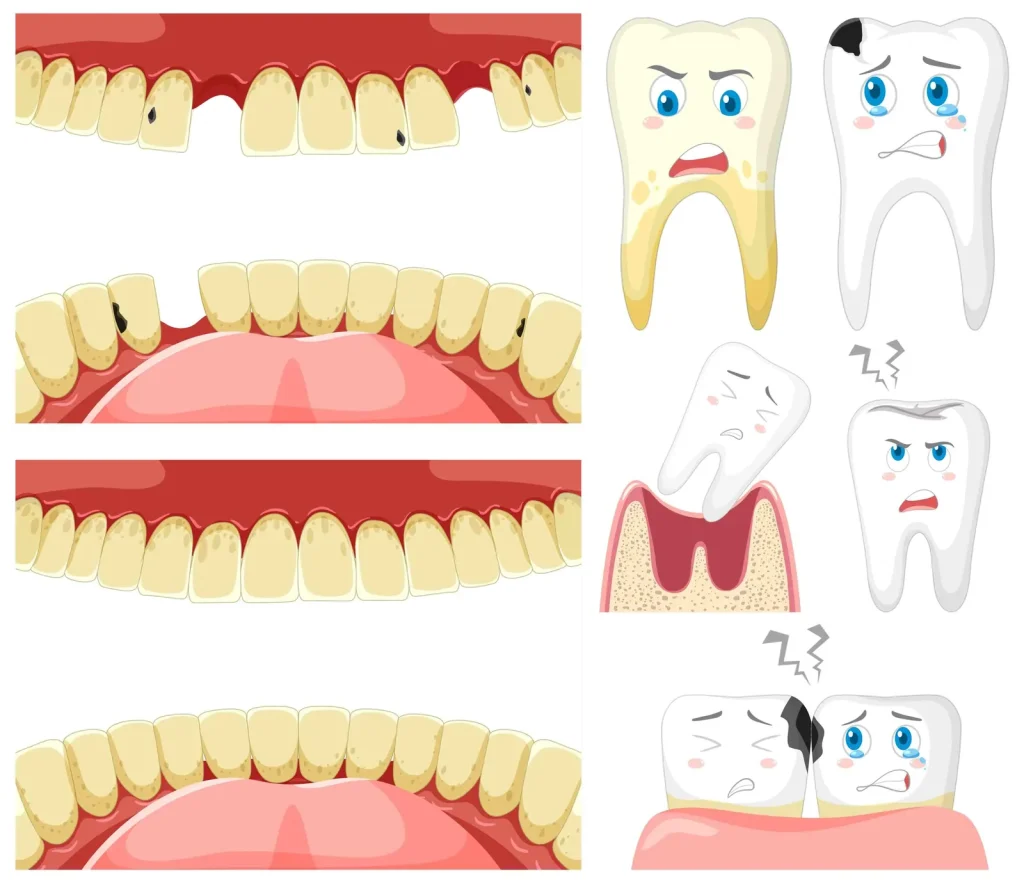
A cavity can also produce discomfort while chewing. When more of the tooth is damaged by decay, pressure from food can create pain. In addition, sours and sweets start to annoy this same locality, and food can catch on the tooth.
Dental decay in its early stages is often painless. In some cases, for a while, a small cavity may be silent. Becoming deeper, sensitivity and pain may become more pronounced or longer in duration.
Even if the pain goes away between meals, that repeated sore feeling should not be ignored because it occurs every time you try to chew something with that particular tooth. A period without pain is not a sign that the decay has healed.
Loose, Worn, or Damaged Filling
In fact, an older filling may break down, crack or loosen over time. Decay can also form in the space between a filling and the tooth.
You could experience discomfort when chewing, a new found sensitivity to cold, a rough edge, food getting lodged in it or a bite that suddenly feels off. On the other hand, if a had previously filling tooth starts to hurt, then both the filling and adjacent tooth must be examined.
Dental Infection
A tooth with an infection could be extremely painful to pressure. It can be difficult to even eat soft food if the tissues surrounding the tooth are inflamed.
Other signs to be wary of are throbbing pain, swollen gums, facial swelling and in some cases fever or bad taste in the mouth. Infection requires expert oral care and cannot be treated with home remedy alone.
Why Are My Teeth Sensitive to Cold, Hot or Sweet?
Cold sensitivity often feels like a fast, sharp sting. Cold drinks, ice cream, hot coffee and also sweets, acidic foods or perhaps chilly air can bring the discomfort.
Possible causes include:
- Worn enamel
- Gum recession
- Exposed tooth roots
- Cavities
- Small cracks
- Worn or damaged fillings
- Gum disease
For example, when did the pain start? One of those is a rapid sting that disappears almost without even knowing. Pain after you’re finished with the food or drink is another matter and needs to be made known to your dentist.
When One Tooth Is The Sensitive Tooth
If one tooth responds much more strongly than adjacent teeth, there may be a localized issue. It may be a cavity, a crack, an exposed root or simply an old filling.
Examine sensitivity, new is probably worth checking out in particular if the tooth was previously comfortable. If a tooth that used to feel normal suddenly becomes sensitive, it is worth getting checked.
Why Does Cold Air Make a Tooth Ache?
When you inhale through your mouth, cold air gets to the surfaces of sensitive teeth. This is even more evident in colder weather.
Again, if the same tooth responds to ice water or ice cream, sensitivity is a contributor to the problem. A few reasons include gum recession, worn enamel, cavities, cracks and older fillings.
Why Does One Molar Hurt When I Bite Down?
The molars take on much of the pressure exerted for chewing, and a problem in one of those back teeth becomes more apparent when you eat.
Possible causes if the pain is only in one molar include cavity, crack, damaged filling, infection or irritation or inflammation at the root of the tooth.
And a cracked molar might hurt if you eat something crunchy, but could feel fine when you eat something soft. A cavity can respond to both pressure and cold. Take an infected molar that is tender even with light pressure.
Notice if the pain happens when you are biting down and it is present when you release the bite or if there is no pain as you bite but if it there as you release. Do the same thing with cold drinks, and see if they affect the same tooth. Those details can help pin down the reason why.
An issue in one single tooth is less likely than grinding, clenching, gum problems or uneven bite pressure feeling sore if several molars are together.
What Causes Front Tooth or Canine Tooth Pain?
Additionally, your front teeth experience cold air exposure and are at the greatest risk for damage due to falling, traumatic impacts from sports accidents, nail biting and similar direct pressure.
Common Causes of Front Tooth Pain
- Sensitivity
- Gum recession
- Exposed roots
- Cavities
- Small cracks
- Grinding
- Clenching
- Past injury
If the pain is in both of the front teeth, identify a shared trigger such as cold air or grinding. If the pain is occasional and only affects a single tooth, however, then the problem might be localized, such as a cavity, cracked tooth or exposed root.
Canine teeth can develop sensitivity or pain too. Pain when chewing = pressure issue, discomfort near the gumline = root sensitivity.
Discomfort Following an Injury to a Front Tooth
If Your Front Tooth Is Injured It May Not Appear To Be Damaged Immediately After an Accident A tooth may seem fine after a knock, fall or sports injury but weeks later can become sensitive, painful when biting down on it, loose or darker in colour.
Get a tooth checked if it acts differently after an injury. At home, hidden damage is not easy to detect.
What Causes Multiple Teeth to Hurt All at Once?
If they are tender or “bruised” sore in the morning on multiple teeth, this is usually consistent with grinding or clenching.
Bruxism is also known as teeth grinding. Some people grind while sleeping. Some people for example will only grind their teeth during the day, such as when they are working or driving or even trying to concentrate on something which is irritating and difficult, others simply do it when feeling stressed.
Possible signs include:
- Morning tooth soreness
- Jaw tightness
- Headaches
- Several sensitive teeth
- Worn tooth edges
- Small chips
- Tired chewing muscles
- Jaw soreness after chewing
Pressure does not have to make grinding noises for it to be a problem! Clenching can happen silently.
Your dentist can check for the wear and chips, changes in your bite, and other indicators of repeated force. On your visit, tell us about any headaches in the morning and/or pain in the jaw area if many teeth are sore at once.
Gum Problems and Exposed Roots
Inflammation of the gumline is part of a problem, but it sometimes feels as if the pain comes from a tooth.
Gums that are red, swollen, tender, or bleed while brushing When the gums draw back from the teeth, part of root is exposed Tooth roots are more sensitive because the enclosing enamel layer at the base of the tooth is thinner than on impact sites on the visible crown of the tooth.
The following are symptoms that indicate the involvement of gum or root problems:
- Bleeding gums
- Red or swollen gums
- Bad breath
- Sensitivity near the gumline
- Pain while chewing
- Teeth that appear longer
- Discomfort while brushing certain areas
For example, cold drinks and cold air can cause a sharp pricking sensation when the root is exposed. If you’re experiencing recurrent gum bleeding/swelling/sensitivity, get a dental checkup.
Tooth Decay Can Start Without Pain
Tooth decay is a very common reason for tooth pain, but it does not always hurt at first.
Bacteria in the mouth use sugars from food and drinks and produce acids that can weaken enamel. Over time, a cavity may form.
You might notice that as decay goes on:
- Cold or heat sensitivity
- Pain after sweets
- Pain while biting or chewing
- Food traps around a single tooth
- A dark or rough area
- Pain that returns after meals
A cavity may hurt one day and feel quiet the next. That does not mean the decay has disappeared.
Pain may get stronger or last longer as decay reaches deeper, more sensitive areas of the tooth. Infection may happen if bacteria get into the inside of the tooth.
This is why ongoing pain should not be neglected — catching decay earlier means treatments are often simpler.
Dental Abscess and Signs of Infection
A dental abscess is a pus pocket resulting from an infected tooth. It develops in such instances as deep decay or when bacteria gain access through a crack, which may even be caused by an injury.
Possible signs include:
- Severe toothache
- Deep or throbbing pain
- Pain while biting
- Swollen gums
- Facial swelling
- Fever
- Heat or cold sensitivity
- A bad taste in the mouth
- Sensitivity to touch or pressure on a tooth
That pain, while it may subside from time to time, doesn’t mean the infection is eradicated.
If you suspect that you have an abscess then contact a dentist urgently. Get emergency medical help if you have swelling of your face, lips, tongue, or throat and difficulty breathing or swallowing.
Why Does My Tooth Hurt While I Eat?
If tooth pain during meals happens, consider what triggers it.
It could be a crack, cavity, loose filling, infection or irritated tissue that is causing pain when chewing. There is a specific bite with the pain that can fit.
Decay can hurt when food gets packed into one area. Soft food can make an infected tooth sore.
Temperature can provide another clue. Cold foods might give just a brief pang in a sensitive tooth, but persistent pain after exposure to hot or cold foods could indicate something that requires investigation.
Sweet foods, too, they can highlight an injured or tender spot. Cutting back on sweets may lessen the trigger for a time, but it does not fix a cavity or other cause.
If the pain persists after meals, note down its location, what triggered it and an estimate of how long it lasted. If you are preparing for a dental exam, that information can be valuable.
Is the Pain Actually Radiating From Your Jaw Instead?
Not all pain near the teeth comes from inside a tooth. The joint of the jaw and the muscles involved in chewing can cause pain that seems near to the back teeth.
Jaw issues can be linked to grinding, clenching, muscles being sore, chewing most often on one side or jaw joint irritation.
Possible signs include:
- Pain near the ear
- Jaw stiffness
- Painful clicking
- Tired chewing muscles
- Trouble opening wide
- One-sided jaw pain
- Headaches
- A sensation that the jaw is catching or locking
Excessive chewing gum, however, can also wear down already fatigued jaw muscles. When chewing gum causes jaw pain, rest and eat soft foods that require little to no chewing until the area settles.
Jaw and tooth pain can overlap, so let your dentist know exactly where you feel it and If it radiates toward the ear, cheek or temple.
When the Pain Comes From the Mouth Instead of the Tooth
Pain while eating does not always come from a tooth. A burn of the roof of the mouth can occur from hot pizza, soup, coffee or tea and is often accompanied by a sore feeling. Hard foods can scratch the tissue and small mouth ulcers may be sore when eating spicy salty or acidic foods.
The tissue takes time to heal and therefore any small irritation will often be improved. But sores that do not heal, keep coming back or get more painful should be seen by a dentist or doctor.
What Can You Do Until You See a Dentist?
While home care can help to make an area hurting less, it cannot fill a cavity, seal a crack, tighten a filling that has come loose or cure an infection in the tooth.
Keep the Area Clean

Keep brushing the painful tooth and surrounding areas carefully. Gently floss teeth if food is stuck, but do not push the floss or other object into an area that produces sharp pain.
Avoid Known Triggers
If you already know what is causing the pain, stop testing it over and over again. For some problems that means not using:
- Hard foods
- Ice
- Very hot or cold foods
- Sticky foods
- Hard candy
- Nail biting
- Chewing gum when the jaw hurts
- Chewing on the side where one experiences pain
Choose Softer Foods
Choose foods that are easy to chew. eggs, yogurt, soft rice and warm—not scalding—soups should be ok for a while.
Stop Testing the Tooth
It is easy to take another bite, just to see if the pain remains. Constantly prompting an injured tooth can exacerbate the territory. Write down pressure as the cause of the pain and let your dentist know.
What the Pain Pattern Can Tell You
Tooth pain is easier to describe when you focus on the pattern instead of trying to name the problem yourself. Start with the trigger, then notice the location, strength, and timing.
A sharp pain when you bite may point toward a crack, cavity, worn filling, or irritated tissue. Pain that appears after you release your bite can also be useful information, especially when one tooth keeps reacting.
A quick sting from cold often behaves differently from pain that stays after the drink is gone. Short sensitivity may come from exposed dentin or a root surface, while longer pain deserves a closer dental check.
Throbbing pain is another pattern to report. It becomes more important when it comes with swelling, tenderness, a bad taste, fever, or pain that wakes you at night.
Pain in several teeth may have a different cause from pain in one tooth. Grinding, clenching, gum irritation, or uneven bite pressure can make several teeth feel sore at the same time.
The location can also help. Pain near the gumline may involve an exposed root or irritated gums, while pain deep in one back tooth may be linked to decay, a crack, a filling problem, or infection.
Do not keep testing a painful tooth with ice, crunchy food, or repeated biting. Notice the pattern during normal eating and drinking, write down anything useful, and share those details during your dental visit.
When Tooth Pain Changes Over Time
A changing pain pattern is worth paying attention to. A tooth that starts with mild sensitivity and later hurts when chewing may be telling you that the problem has changed.
The same is true when pain begins lasting longer. A quick sting that turns into an ache after cold food or drinks should be mentioned to your dentist.
Watch for new symptoms too. Swelling, gum tenderness, a bad taste, fever, or pain that spreads toward the jaw or face can make the situation more urgent.
A tooth may also feel normal between painful moments. That does not always mean the cause has gone away, especially when the same trigger brings the pain back again.
Recent dental work can also change how a tooth feels for a short time. A filling or crown may feel slightly different at first, but worsening pain, strong pressure sensitivity, or a bite that feels uneven should be checked.
If the pain becomes severe, keeps you awake, makes eating difficult, or appears with growing facial swelling, seek dental care sooner. If swelling affects breathing or swallowing, get emergency medical help right away.
When Should You Visit A Dentist for Tooth Pain?
Mild occasional sensitivity is common but returning pain should be investigated.
Schedule a Dental Visit If:
- The same tooth continues to hurt when you bite or chew
- Pain keeps returning
- Sensitivity is becoming stronger
- Your gums are tender or bleed often
- A filling feels loose, rough, or damaged
- You suspect you may have a cracked tooth
- Your jaw keeps hurting
- Your bite suddenly feels different
- A tooth feels loose
- Swelling appears around a tooth
- You get pain that is heavy or pounding
Do not wait until tooth pain becomes hard to manage. You need a dental exam to find out what is really going on because different causes require different treatments.
When tooth pain is combined with increasing facial swelling, fever or other signs of possible infection seek care sooner. If you have difficulty breathing or swallowing and swelling of the mouth, face, tongue or throat then your medical help is needed immediately.
At South Shore Dentistry & Implants, Dr. Hanan Kayali and Dr. Sami Martini can examine the painful tooth, surrounding gums, existing dental work and bite to help determine what may be causing the discomfort.
Dental Care for Tooth Pain in Cudahy and Milwaukee
A dental exam can help identify the source of tooth pain instead of simply avoiding one side of your mouth. This matters even more when pain starts affecting meals or sleep.
South Shore Dentistry & Implants proudly treats Cudahy, Bay View, downtown Milwaukee, St. Francis, South Milwaukee, Oak Creek and surrounding communities on the South Side. The practice lists Dr Hanan Kayali and Dr Sami Martini as general dentists.
Treatment may include fillings, crowns, root canal therapy, extractions, implants, preventive care and emergency evaluation mainly depending on the cause of pain. A cavity must be considered in a different way than a cracked tooth, exposed root, filling worn down or infection.
The practice works with a range of dental insurance plans. Since benefits and participation can change, patients should confirm current coverage, fees, and payment options with the office.
Frequently Asked Questions
Can a Tooth Hurt Even if I Cannot See Anything Wrong?
Yes. Cavities between teeth, tiny cracks, filling problems, and irritation inside a tooth may not be visible in a mirror.
Why Does a Tooth Hurt With Crunchy Food but Not Soft Food?
Hard food puts more pressure on the tooth. A crack, cavity, loose filling, or sore tissue may hurt only when enough force is applied.
Why Are Several Teeth Sore in the Morning?
Nighttime grinding or clenching can put repeated pressure on several teeth and the jaw. Morning headaches or jaw tightness can be useful clues.
Why Does Hot or Cold Water Hurt One Tooth More Than the Others?
One sensitive tooth may have a local issue such as an exposed root, small cavity, crack, or old filling. Repeated or lingering sensitivity should be checked.
Can Gum Problems Make a Tooth Feel Sensitive?
Yes. Gum recession can expose the root surface, which reacts more easily to cold air, cold drinks, and brushing.
Why Does My Tooth Feel High When I Bite?
Inflammation or a recent filling or crown can change how a tooth meets the tooth above it. If the bite keeps feeling uneven, have it checked.
Can Jaw Pain Feel Like Molar Pain?
Yes. Jaw muscles and the jaw joint sit close to the back teeth, so soreness can feel like it comes from a molar.
What Should I Tell My Dentist About the Pain?
Tell your dentist where it hurts, what triggers it, what it feels like, and how long it lasts. Also mention swelling, jaw pain, or recent dental work.
Final Thoughts
Dental pain is a symptom, not a disease. The same sharp sting or chewing pain can mean many things.
So let us start with the right pattern: where is the pain, what causes it, how does it feel and for how long does it last? Do not poke the painful tooth, keep it clean, and minimize clear triggers until you can get care.
Above all, pay careful attention to recurrence of ouch. The reason can be understood and the next step properly guided by examining the tooth, gums, filling, bite and even jaw since only a dentist examines all of them.
Patients experiencing recurring tooth pain can also schedule an evaluation with Dr. Hanan Kayali or Dr. Sami Martini at South Shore Dentistry & Implants.