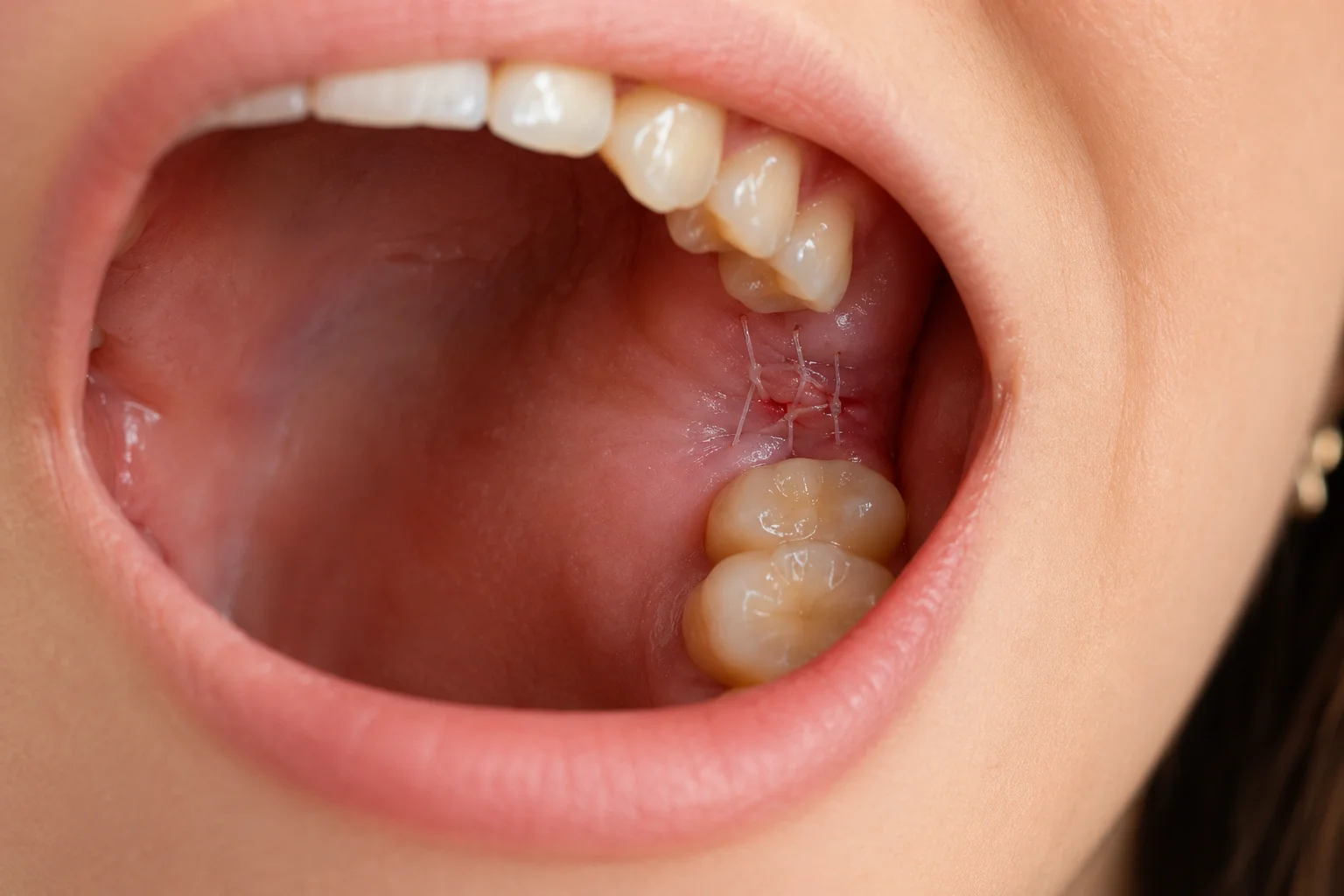
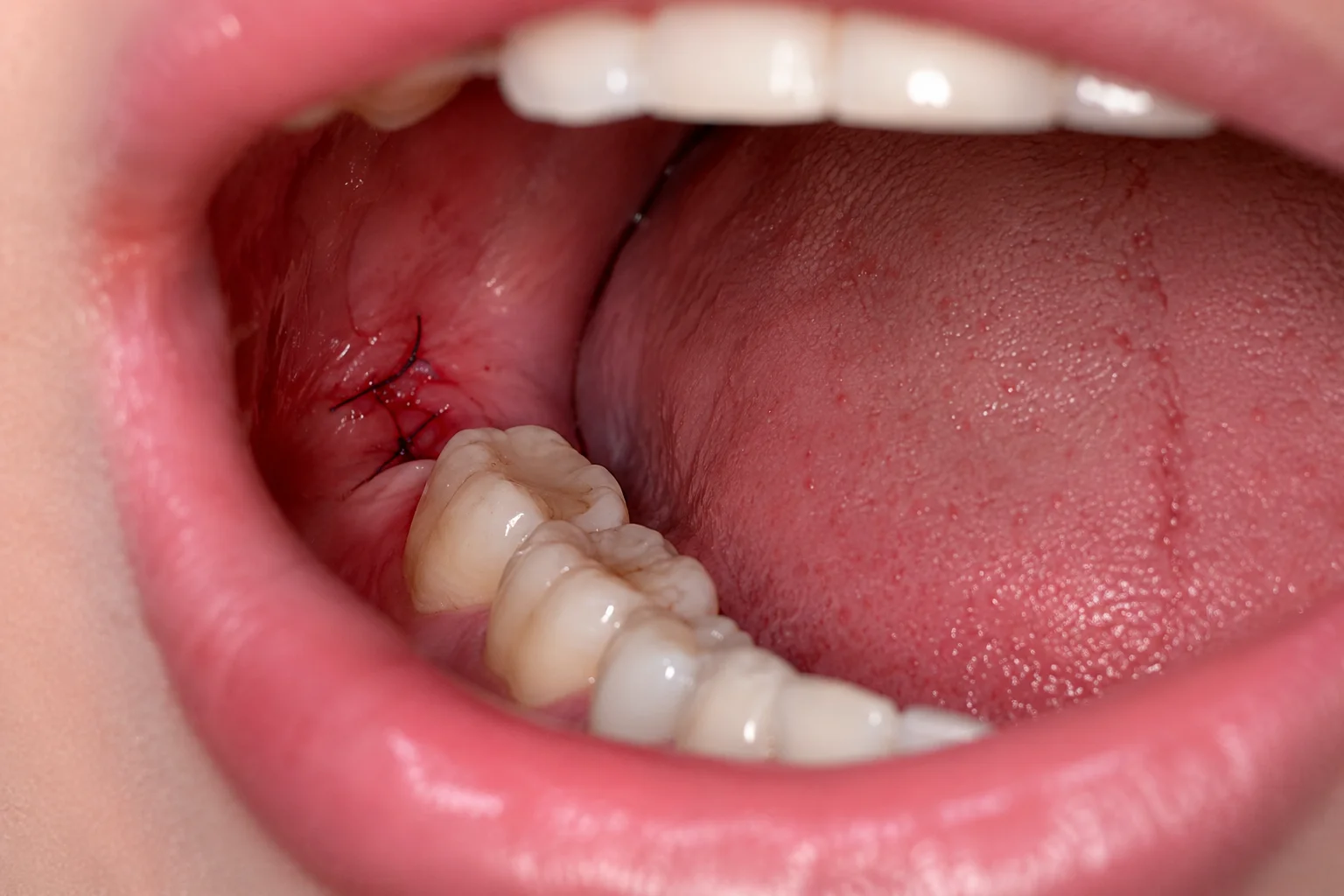

Losing a molar doesn’t always feel as serious as losing a front tooth, but the effects often show up quickly. Chewing can start to feel uneven, some foods become harder to eat, and over time the nearby teeth may slowly move into the empty space.
Back teeth do most of the hard chewing work. When one is missing, the rest of the teeth take extra pressure without you noticing at first. This can slowly affect how your bite feels. In cases like this, a dental implant for molar tooth replacement is often suggested. It is not a quick fix, but it is one of the most reliable long-term options to replace a missing back tooth.
Why molar teeth matter more than people think
Molar teeth take the pressure of almost every bite you take. They grind food, absorb force, and keep your bite aligned. Unlike front teeth, you don’t really notice them until something goes wrong.
Changes will appear over time. For example, when you eat you will probably start chewing your food on one side of your mouth. This can make eating feel weird because it is not balanced. Sometimes food can be really hard to chew, especially if it is tough.
A missing molar tooth can also have an effect on the bone. It does this in a very quiet way. The jawbone, in the area where the tooth is missing, does not get the stimulation it needs. Over time the jawbone can start to get smaller.
What is a molar tooth implant?
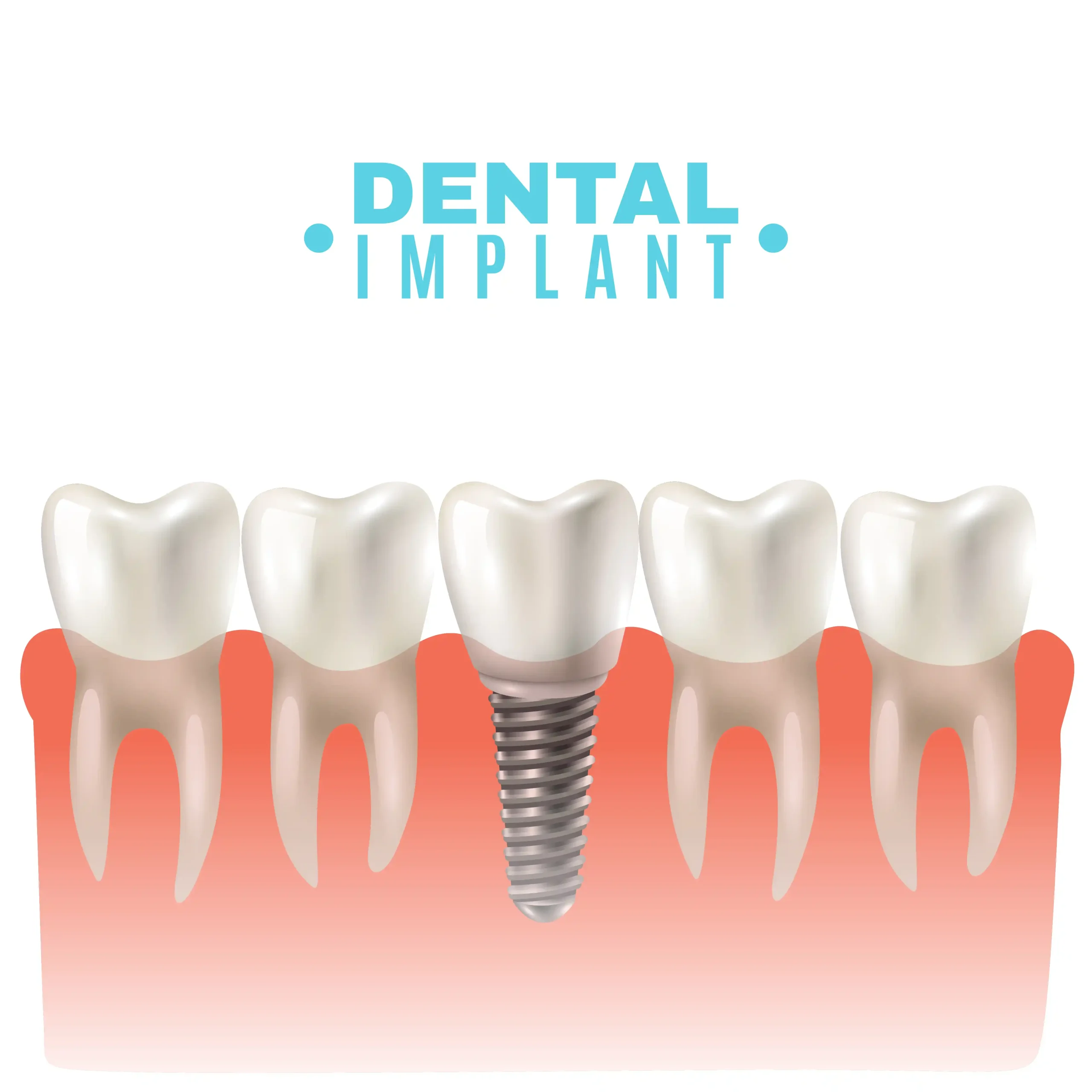
A molar tooth implant is like a metal rod that the doctor puts into the jawbone where the molar used to be. This metal rod is made of titanium. It works like a root for the new tooth. After it heals, the doctor attaches a crown on top of the tooth implant.
Compared to bridges or dentures, dental implants for back teeth are designed to stay fixed in place. You don’t remove them. You don’t adjust them daily. They just become part of the mouth after healing.
When is a dental implant for molar teeth needed?
Not every missing tooth automatically needs an implant, but in the case of molars, it’s often recommended more strongly.
Common situations include:
- A severely decayed molar that can’t be saved
- Tooth loss due to infection or abscess
- Fractured molar below the gum line
- Failed root canal treatment
- Long-term missing back tooth affecting bite
In lower molar cases, dentists often pay extra attention to bone density and nerve positioning before planning treatment.
The dental implant process for molars
The procedure is usually done in stages. It’s not a single-visit treatment, and that surprises some people.
1. Initial assessment
The dentist checks how strong your bones are, the health of your gums, and how much space is available. They use X-rays or 3D scans to see if your jaw can hold an implant. If bone is too thin, they might suggest a bone graft before they proceed with the implant.
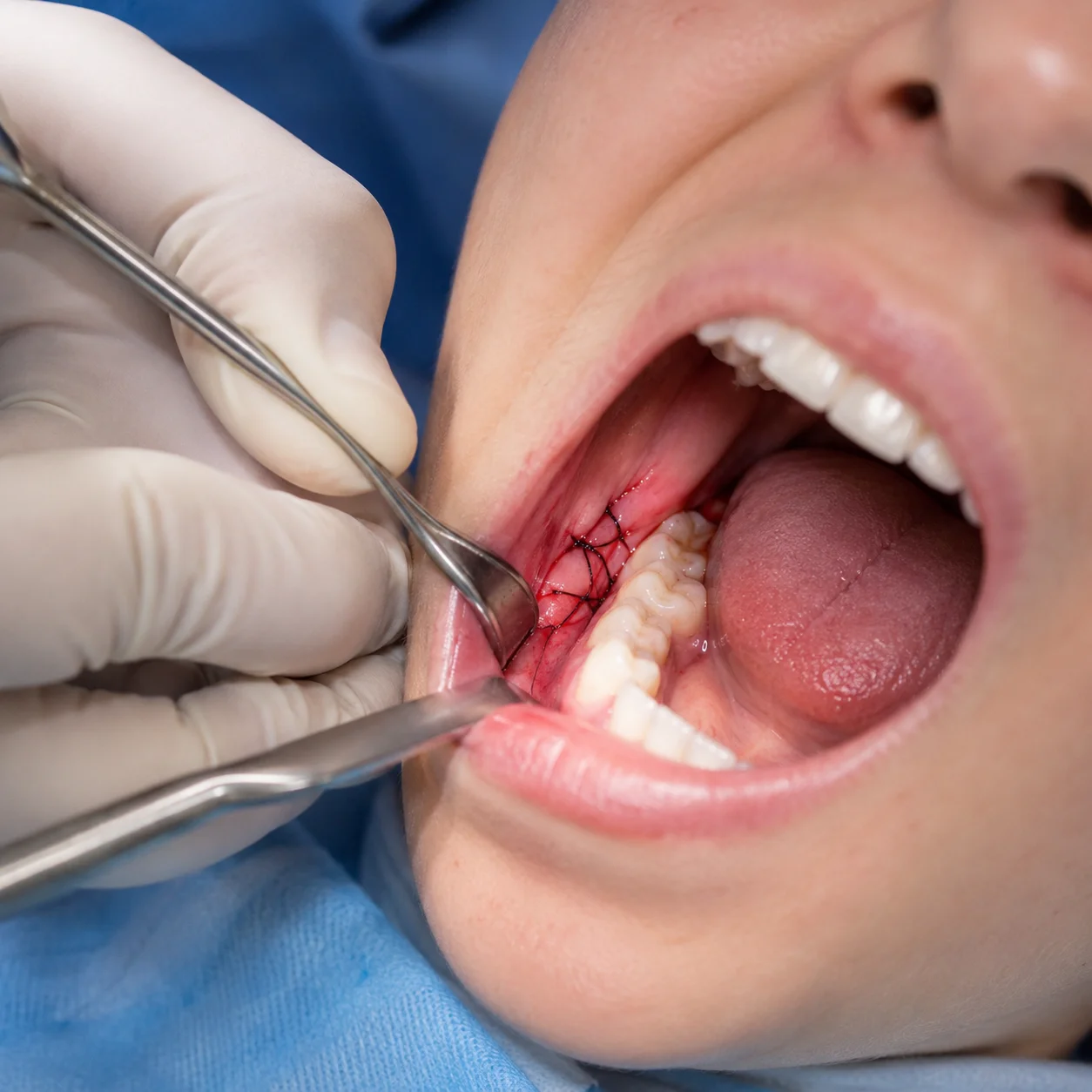
2. Implant placement
A small titanium post is placed into the jawbone. This is the actual “root” replacement. For molar teeth implant procedures, this step requires precision because back teeth handle high bite pressure later.
3. Healing phase
This stage takes time. The bone slowly starts to join with the implant. This is called osseointegration. The bone and the implant become one. It takes a month for the bone and the implant to really connect. During these months the area around the bone and the implant is left alone. This is so the bone and the implant can heal properly.
4. Abutment and crown placement
When the healing process is finished, a connector, which is called an abutment, is put on. Then a special crown is made to fit on top of the implant. This crown is made to look like a molar. The dental implant and the crown work together so the tooth works like it did before.
Why molar implants are slightly more complex
Replacing back teeth isn’t always as straightforward as replacing front teeth. The molar area handles much stronger chewing pressure, which puts more demand on the implant once it is placed.
During surgery, it is harder to get to the back of the mouth. This makes the surgery a little more difficult. For molar implants, we have to be very careful not to hurt the nerves that are nearby. The bone in these areas can be different from the bone in other parts of the jaw, which can make things more complicated.
Because of these factors, dental implants for molars often require careful planning, especially in the lower jaw, to ensure accuracy and long-term success.
Molar replacement options besides implants
Implants are popular, but they aren’t the only option.
Dental Bridge
A dental bridge uses nearby teeth for support to fill the gap. It requires grinding down the healthy teeth on either side. People often choose this when they want a solution that is fixed in place without having to have surgery. The dental bridge does place load on the teeth that are next to it over time.
Partial Denture
A partial denture usually does not cost as much, but it can move around a bit when you are eating. Some people like to use it for a while until they can get something that will last longer, especially when they are missing a lot of teeth.
No Replacement
Some people decide to leave the gap as it is. This is more likely if the missing tooth is at the back and not visible when you smile. It might seem okay for a while, but changes in how your teeth fit together and line up can still occur over time. As time passes, the teeth near the gap may slowly move into the space. This can affect how your teeth fit together when you bite down.
Resin-Bonded (Maryland) Bridge
This type of bridge is old fashioned. It has a metal or ceramic base that is attached to the back of the teeth on either side. The good thing about this kind of bridge is that it does not hurt the teeth as much. However, it is usually only suggested for areas of the mouth where the teeth do not have to work hard.
Implant-Supported Bridge
An implant-supported bridge uses one or more implants instead of natural teeth for support. It is often recommended when multiple adjacent molars are missing, as it provides strong stability without affecting healthy neighboring teeth.
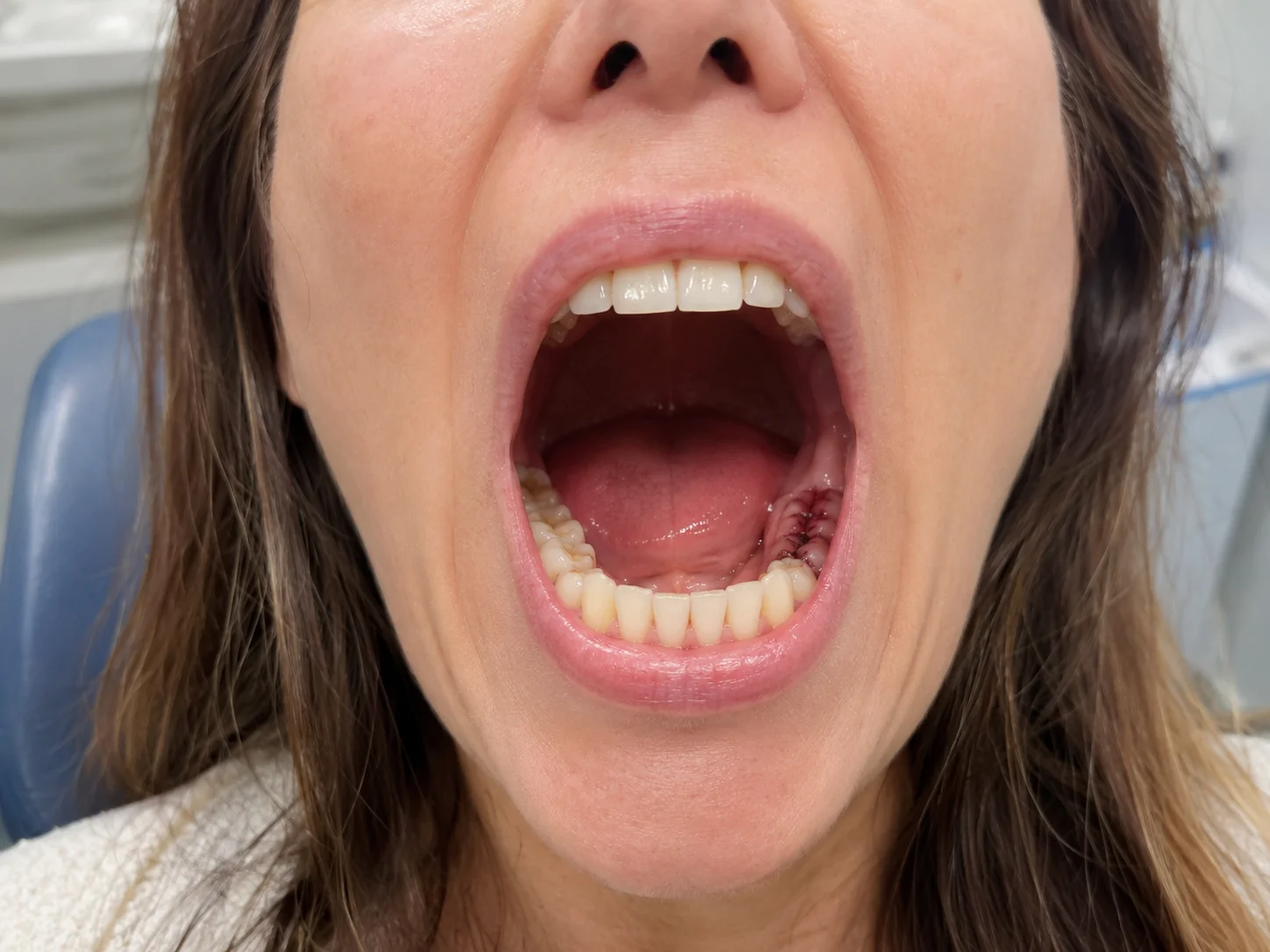
Healing after molar implant surgery
Recovery varies, but most people notice a pattern. In the first few days, swelling and mild discomfort are normal. Chewing on the opposite side is usually recommended.
After about a week, most daily activities feel normal again, though the implant itself is still integrating with the bone. The deeper healing phase continues quietly for months. It doesn’t feel dramatic. You mostly just stop noticing it.
Lower molar implants: what’s different?
Lower molar cases often need extra evaluation because of the mandibular nerve that runs through the jaw. Dentists take extra care when planning the procedure, especially with implant depth, bone thickness, angle of placement, and nerve proximity.
This does not mean that lower molar implants are risky. It just means that good planning is very important for a successful result. In many cases, 3D imaging is used to carefully map the area before treatment starts. This helps the dentist place the molar implant more accurately.
How long do dental implants for back teeth last?
Dental implants for teeth can really last a long time if taken good care of. They can even last for years, and sometimes for decades. The thing is, how long dental implants for teeth last depends on a few things like good oral hygiene habits, healthy gums, and regular dental check-ups.
Lifestyle choices can also affect how long dental implants last. For example, smoking can shorten the lifespan. Habits like grinding teeth or biting down hard can put pressure on the implant. The crown on top of the implant may need to be replaced at some point because it wears out. The implant itself should stay in place and work well for a long time if you take good care of it.
Eating after a molar tooth implant
During the healing period, food habits usually need to change, especially in the early days. Soft foods like yogurt, mashed potatoes, soups, and rice dishes are typically easier to manage and reduce pressure on the implant site.
Hard or crunchy foods are avoided for some time to protect the area that is healing. When recovery is done, most people can go back to eating their foods without any problems. In many cases, they even forget which side had the implant after some time.
Possible risks and limitations
Like any dental procedure, implants come with considerations:
- Infection if aftercare is ignored
- Slow healing in smokers or uncontrolled diabetes
- Temporary swelling or soreness
- Rare implant failure if bone doesn’t integrate properly
- Gum irritation or inflammation around the implant site
- Minor bleeding or sensitivity during the initial healing phase
Daily care for molar implants
Taking care of an implant isn’t complicated, but consistency matters.
- Brush twice daily
- Floss around the implant gently
- Avoid excessive force on hard foods
- Regular dental cleaning visits
- Use a soft-bristled toothbrush to protect gums
- Avoid smoking or tobacco use to support long-term implant health
Final thoughts
A dental implant for a tooth replacement is not just about filling a gap in the mouth. The dental implant actually restores how the mouth functions when you are eating or biting down. This is something that most people do not think about until they lose a tooth like a molar.
The goal is to rebuild stability in the tooth, whether it is a molar or an upper back tooth. We want to get back the chewing strength that was lost in the tooth.
It takes time, a few steps, and some patience. But once it settles, it usually stops being something you think about at all.
FAQs
Q1: How long does a molar dental implant procedure take?
Molar implants are completed in stages, not a single visit. After the initial assessment, the implant is placed and then left to heal for several months while it fuses with the bone. Once healed, the crown is attached. The full process typically takes anywhere from a few months to over a year depending on your case.
Q2: Is a dental implant better than a bridge for a missing molar?
Implants generally offer better long-term results. A bridge relies on neighboring teeth for support and requires grinding them down, while an implant stands independently in the jawbone. Implants also help preserve the jawbone over time, which a bridge cannot do.
Q3: What happens if you leave a missing molar untreated?
Nearby teeth can gradually shift into the empty space, affecting your bite. The jawbone in that area also loses stimulation and begins to shrink over time. What seems harmless at first can lead to more complicated and costly dental problems down the road.
Q4: Are lower molar implants more complicated than upper ones?
They require more careful planning due to the mandibular nerve running through the lower jaw. Dentists use 3D imaging to map the area precisely before placement. This does not make them riskier; it simply means thorough preparation is especially important.
Q5: How long do molar implants last and how do you care for them?
With proper care, molar implants can last decades. Brush twice daily, floss gently around the implant, attend regular dental check-ups, and avoid smoking or grinding your teeth. The crown may need replacing over time, but the implant itself is built to last long term.