

Being told you need a root canal can make you feel worried about pain, treatment costs, or losing your tooth. You may wonder whether there is another way to treat the problem without going through a root canal procedure.
The good news is that an alternative to root canal treatment may be available, depending on the condition of your tooth. Dental fillings, pulp capping, and pulpotomy can sometimes preserve a tooth when the pulp is still healthy enough.
If the tooth cannot be saved, extraction and tooth replacement may be necessary. Identifying your options can help you make an informed decision about your dental health.
Key Takeaways
- Root canal alternatives depend on the severity of tooth decay, infection, or damage.
- Dental fillings and pulp therapy may help save teeth before the pulp becomes severely damaged.
- Tooth extraction may be an option when a tooth cannot be saved or root canal treatment is declined.
- Dental implants, bridges, and dentures can replace missing teeth after extraction.
- Natural remedies cannot reliably eliminate an infection inside the tooth.
- A dental examination helps determine the safest and most suitable treatment.
What Is the Alternative to a Root Canal?
The best alternative to a root canal depends on how deeply decay or damage has affected your tooth. If the pulp is still healthy or can recover, a filling or vital pulp therapy may help preserve the natural tooth. However, when the pulp is infected or dead, root canal treatment or tooth extraction may be necessary.
Common alternatives to root canal treatment include:
- Dental fillings: Treat cavities before decay causes serious pulp damage.
- Pulp capping: Protects living pulp tissue in selected cases.
- Pulpotomy: Removes affected pulp tissue while preserving suitable remaining pulp.
- Tooth extraction: Removes a tooth that cannot be saved or when root canal treatment is not chosen.
- Dental implants, bridges, or dentures: Replace a missing tooth after extraction.
When Is a Root Canal Necessary?
A root canal may be needed when the soft tissue inside a tooth, known as the pulp, becomes severely inflamed, infected, or damaged. The pulp contains nerves and blood vessels that help a tooth develop. Deep cavities, cracks, and dental injuries can allow bacteria to reach this sensitive area.
Common signs that may indicate a pulp problem include:
- Persistent or severe tooth pain
- Prolonged sensitivity to hot or cold foods
- Pain when biting or chewing
- Swollen or tender gums
- A pimple-like bump on the gums
- Tooth discoloration
- Swelling around the affected tooth
Some infected teeth cause little or no pain, so symptoms alone cannot determine whether a root canal is necessary.
Your dentist may use X-rays, temperature tests, and a clinical examination to evaluate the tooth.
Alternatives to Root Canal Treatment: What Are Your Options?
Several dental treatments may help patients avoid a root canal, but the correct option depends on how much damage has occurred. Some procedures are designed to preserve living pulp tissue, while others involve removing the affected tooth.
1. Dental Fillings for Early Tooth Decay
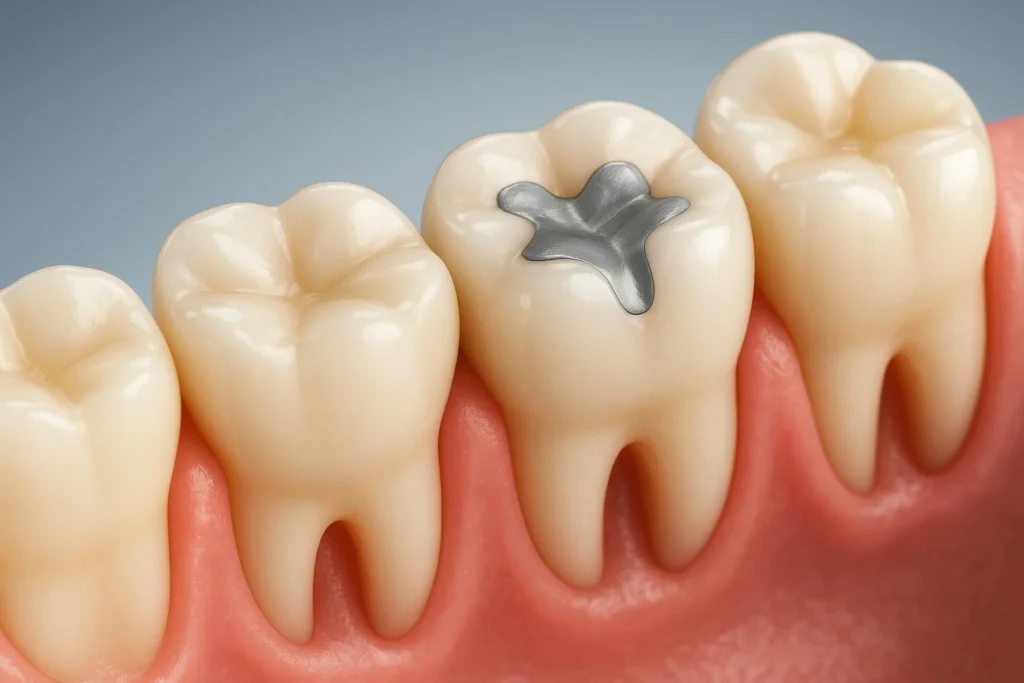
A dental filling may be suitable when decay affects the outer layers of a tooth without causing serious pulp damage. The dentist removes the decay and fills the cavity to restore and protect the tooth.
However, a filling cannot treat an infection inside the pulp. If the decay has caused severe pulp damage, additional dental treatment may be necessary.
2. Pulp Capping to Protect the Tooth Nerve
Pulp capping is a procedure that may help preserve healthy pulp tissue when decay or an injury reaches close to the nerve.
There are two main approaches:
- Indirect pulp capping: A protective material is placed over a thin layer of remaining dentin when the pulp is not exposed.
- Direct pulp capping: A suitable protective material is placed directly over a small pulp exposure in carefully selected cases.
3. Pulpotomy to Preserve Healthy Pulp Tissue
A pulpotomy removes the affected pulp from the upper portion of the tooth while attempting to preserve healthy tissue inside the roots.
It is commonly used in children’s teeth, but it may also be an option for certain permanent teeth.
During treatment, the dentist removes the affected tissue, places a suitable protective material, and restores the tooth. The remaining pulp must be healthy enough for the procedure to succeed.
4. Tooth Extraction When the Tooth Cannot Be Saved
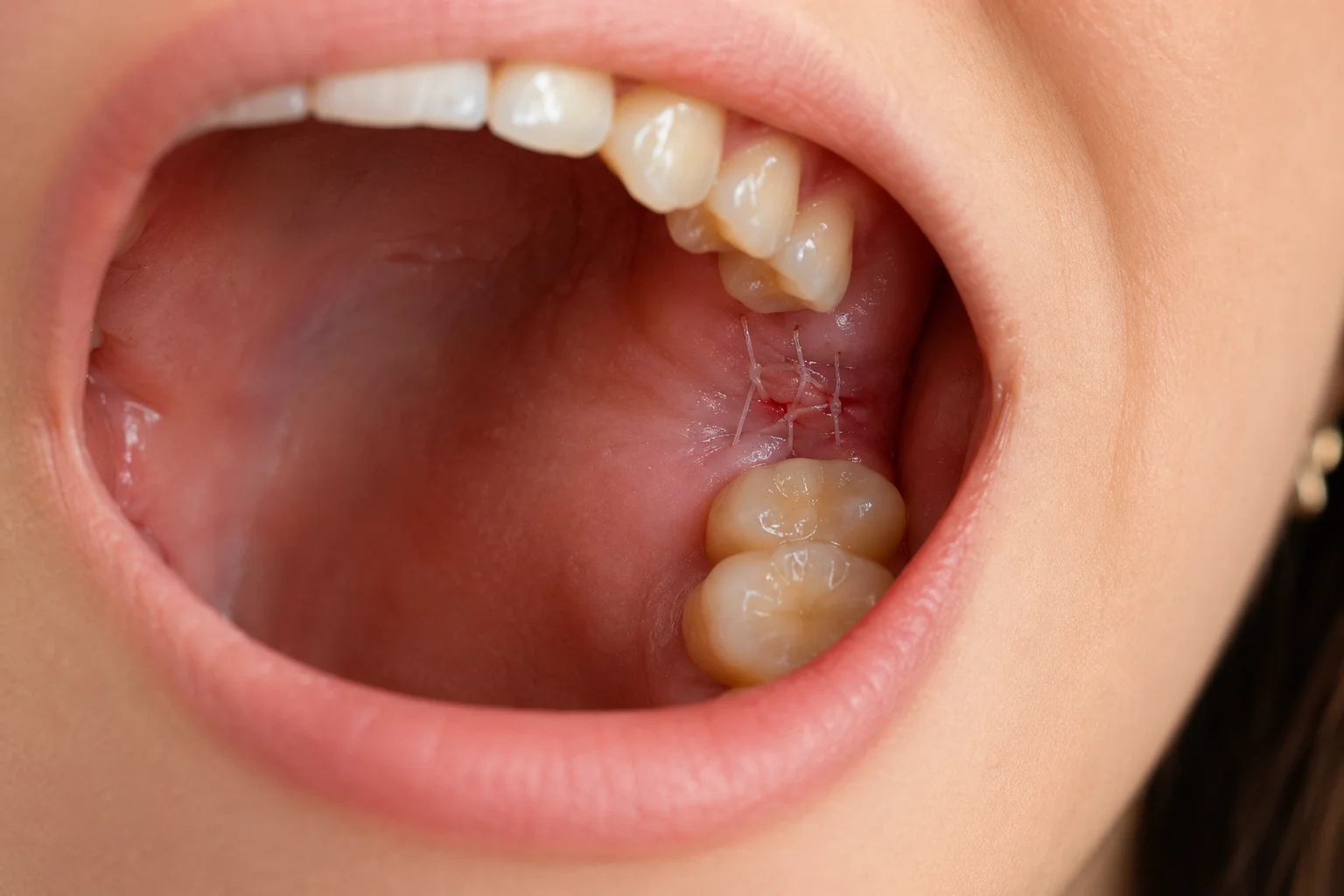
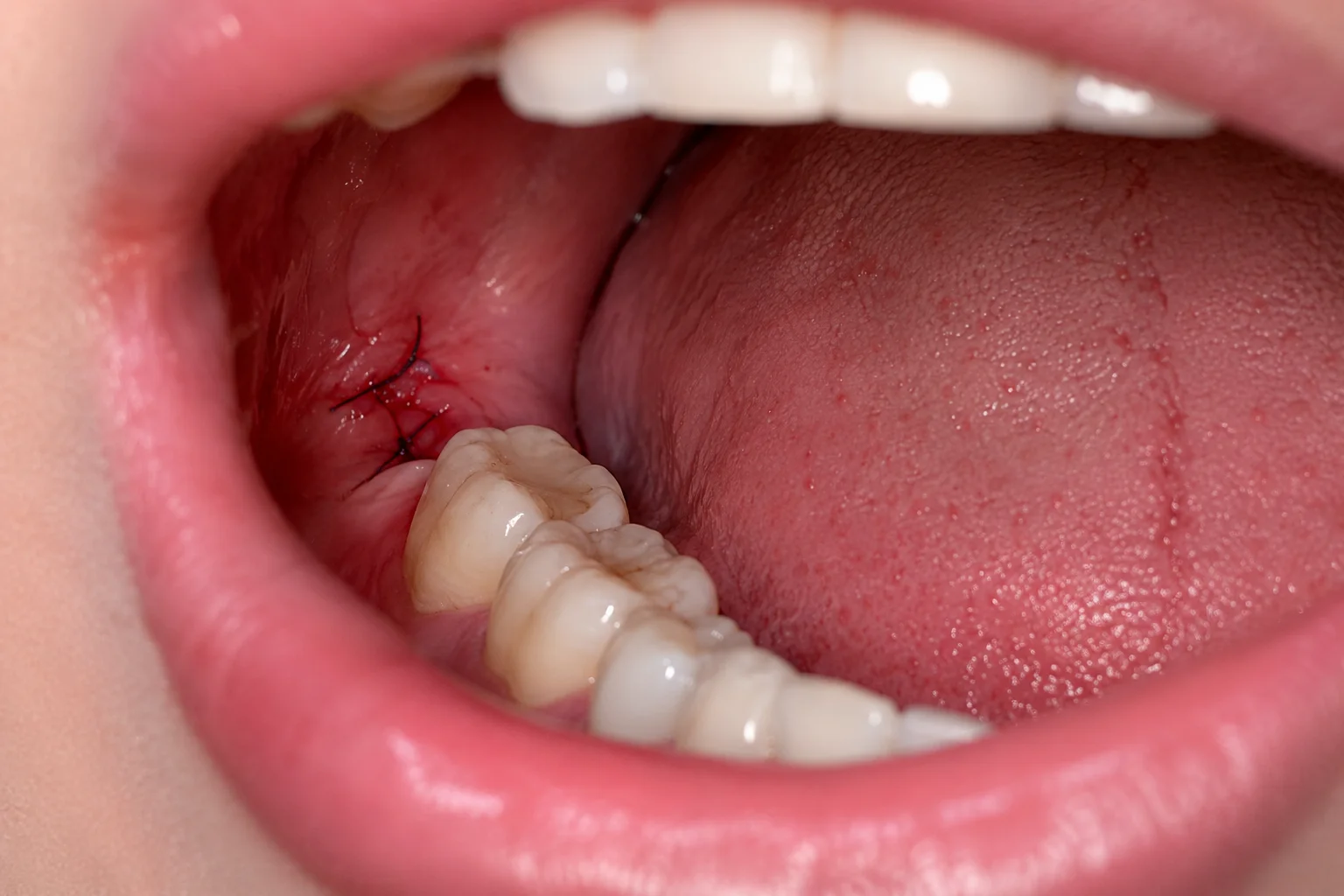
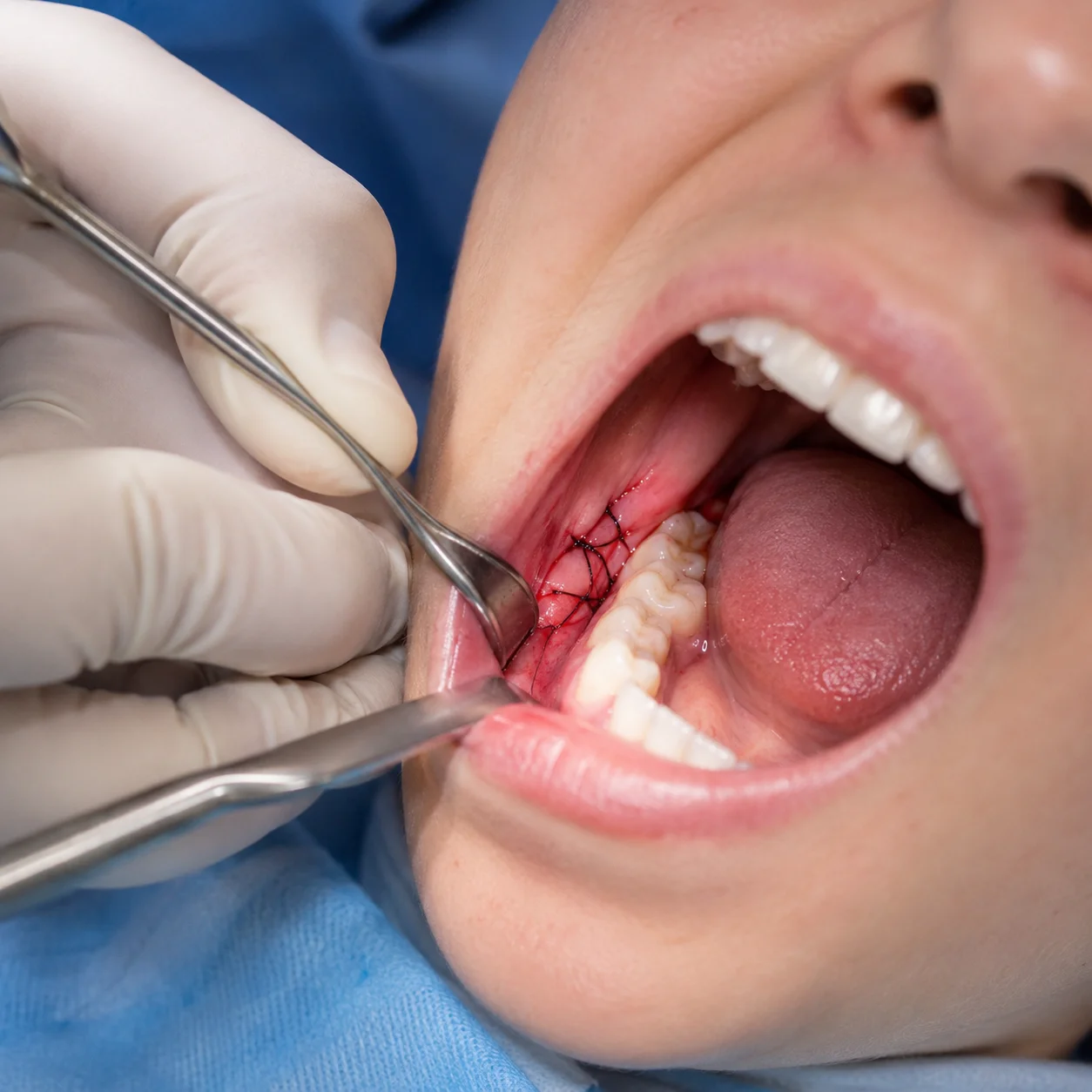
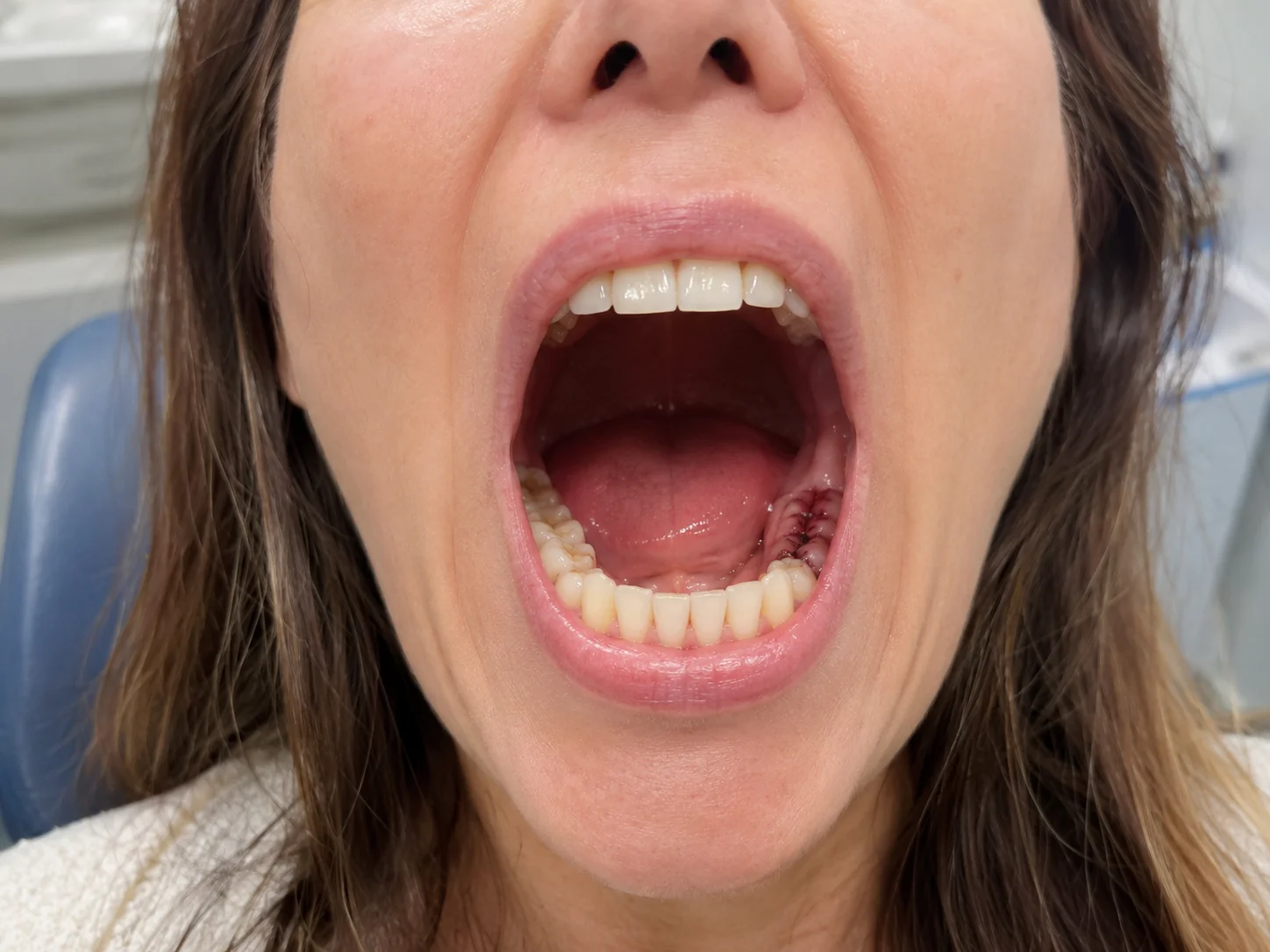
Tooth extraction is another alternative to root canal treatment, particularly when the tooth is too damaged to restore.
A dentist may recommend extraction when:
- The tooth has a severe fracture extending below the gumline.
- Extensive decay has destroyed too much tooth structure.
- Advanced gum disease has weakened the tooth’s support.
- The tooth cannot be restored with a predictable long-term outcome.
- The patient chooses extraction after discussing reasonable treatment options.
5. Dental Implants, Bridges, or Dentures After Extraction
When a tooth must be removed, several replacement options are available.
Dental Implants replace missing teeth using an implant placed in the jawbone to support a crown. They may provide a stable, long-term solution for suitable candidates.
Dental bridges replace missing teeth by attaching an artificial tooth to neighboring teeth or other supports.
Dentures are removable replacements for one or more missing teeth.
Patients with insufficient jawbone may need bone grafting for dental implants to create adequate support before implant placement.
Can You Reverse a Root Canal Naturally?
Some patients look for ways to reverse a root canal naturally because they want to avoid dental procedures. However, natural remedies cannot cure an established infection inside a tooth. Herbal rinses, supplements, and home treatments cannot remove infected or dead pulp tissue.
Mild tooth pulp inflammation may improve if a dentist treats the cause early, such as removing decay and placing a filling. However, when the pulp becomes severely damaged, infected, or dead, professional dental treatment is usually necessary.
Home remedies may provide temporary relief from tooth pain while waiting for a dental appointment. Gentle saltwater rinses and appropriate over-the-counter pain medication may help manage discomfort, but they cannot eliminate the underlying infection.
Avoid placing aspirin directly on your gums or using unproven treatments inside a damaged tooth. If you experience persistent pain, swelling, or signs of infection, visit a dentist promptly to prevent further complications.
Root Canal vs. Tooth Extraction: Which Is Better?
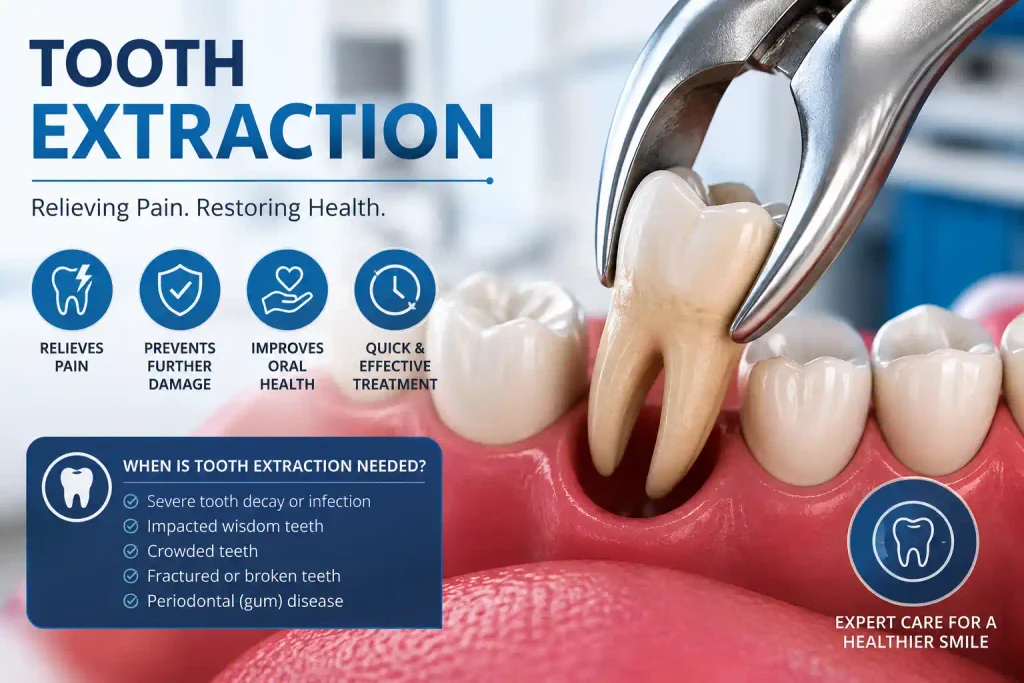
Root canal treatment saves the natural tooth, while extraction removes it. Saving a restorable tooth is generally preferred to maintain chewing function and avoid replacement.
| Factor | Root canal treatment | Tooth extraction |
| Natural tooth | Preserved | Removed |
| Main purpose | Treat affected pulp and retain the tooth | Remove the damaged or infected tooth |
| Procedure | Cleans and seals the root canals | Removes the tooth from its socket |
| Recovery | Usually involves temporary tenderness | Requires healing of the extraction site |
| Additional treatment | A crown or other restoration may be needed | A replacement tooth may be recommended |
| Long-term costs | Root canal and restoration expenses | Extraction plus possible replacement expenses |
When Saving the Natural Tooth Makes Sense
If enough healthy tooth structure remains and the tooth has adequate support, root canal treatment may help preserve it for many years.
Keeping your natural tooth can help maintain chewing function and avoid the need for replacement treatment.
However, the long-term outcome depends on the tooth’s condition and the quality of the final restoration.
When Tooth Extraction May Be the Better Option
Extraction may be more appropriate when severe damage, extensive decay, or advanced gum disease makes the tooth impossible to restore.
It may also be considered when a patient chooses removal after understanding the available alternatives.
Before deciding, ask your dentist about the expected outcome, recovery time, replacement options, and overall costs.
How Much Do Root Canal Alternatives Cost?
In Cudahy and the greater Milwaukee area, the out-of-pocket cost for root canal alternatives generally ranges from $200 to over $5,000, depending on whether the tooth can be preserved with a minor procedure or needs to be extracted and replaced. By comparison, a standard root canal in Wisconsin typically runs $600 to $1,400 before adding a permanent crown ($800 to $2,500).
Several factors affect treatment costs:
- Type of procedure: Fillings, pulp therapy, and extraction have different treatment requirements.
- Tooth location: Back teeth may require more complex treatment than front teeth.
- Severity of damage: Extensive decay or infection may require additional procedures.
- Tooth replacement: Implants, bridges, or dentures add costs after extraction.
- Dental insurance: Coverage varies depending on the procedure and individual plan.
What Happens If You Avoid a Needed Root Canal?
Delaying necessary dental treatment can allow decay or infection to progress. A tooth that initially causes mild discomfort may later develop severe pain, swelling, or an abscess. Even when the pain temporarily disappears, the underlying problem may remain. An untreated infection can damage surrounding tissues and may eventually lead to tooth loss.
Possible complications include:
- Increasing tooth pain or sensitivity
- Infection spreading around the tooth root
- Gum or facial swelling
- Dental abscess formation
- Damage to surrounding bone
- Loss of a tooth that might otherwise have been saved
How to Choose the Right Alternative to Root Canal Treatment
Choosing the right treatment starts with understanding why your tooth is painful or damaged. A filling may be enough for early decay, while selected pulp treatments may preserve living tissue.
However, an infected or severely damaged tooth may require root canal treatment or extraction. A dental examination helps identify which options are appropriate and whether your natural tooth can be saved.
Patients in Cudahy, WI, who are concerned about root canal treatment should discuss their symptoms, treatment preferences, and budget during the consultation.
If the diagnosis is complex, your dentist may recommend an evaluation by an endodontist, a dentist with advanced training in treating problems inside teeth.
Conclusion
Finding the right alternative to root canal treatment depends on the condition of your tooth. Fillings and pulp therapy may help preserve teeth with suitable pulp health, while extraction may be necessary when a tooth cannot be saved. A professional evaluation can help you understand your options and avoid unnecessary treatment delays.
If you are experiencing tooth pain or considering alternatives to a root canal in Cudahy, WI, South Shore Dentistry & Implants can evaluate your oral health and discuss appropriate treatment options.
Schedule a dental consultation to learn whether your natural tooth can be preserved or if another treatment may be more suitable.
Explore Dental Implant Options | Schedule a Dental Appointment
Frequently Asked Questions
What to Do Instead of a Root Canal?
If you are looking for an alternative to root canal treatment, possible options include dental fillings, pulp capping, pulpotomy, or tooth extraction. If the tooth must be removed, dental implants, bridges, or dentures can replace it. A dentist must determine which treatment is appropriate.
Can a Damaged Tooth Heal Without a Root Canal?
Some teeth with early decay or reversible pulp inflammation can be treated without a root canal. These treatments may provide an alternative to root canal treatment when the tooth’s pulp is still healthy enough to recover.
Is Tooth Extraction Better Than a Root Canal?
Not necessarily. A root canal preserves the natural tooth when it can be restored, while extraction removes it. Tooth extraction can be an alternative to root canal therapy when the tooth is too damaged to save or other treatment options are unsuitable.
Can Antibiotics Replace a Root Canal?
No. Antibiotics cannot serve as an alternative to root canal treatment because they do not remove infected pulp or repair tooth damage. Professional dental treatment is still necessary to address the underlying problem.
Can You Naturally Reverse Tooth Nerve Damage?
Mild pulp inflammation may improve after the cause is professionally treated. However, an infected or dead tooth nerve cannot be reliably restored using home remedies or natural treatments.
What Is the Least Invasive Alternative to a Root Canal?
A dental filling may be the least invasive alternative to root canal treatment when decay has not caused irreversible pulp damage. Pulp capping may also be appropriate in selected cases. The best treatment depends on the diagnosis.
Can a Dentist Save an Infected Tooth Without a Root Canal?
In selected cases involving inflamed but living pulp, vital pulp therapy may preserve the tooth without a full root canal. This can be an alternative to root canal therapy in suitable cases. However, when the pulp is dead or has an established infection that cannot be managed conservatively, root canal treatment or extraction may be necessary.