
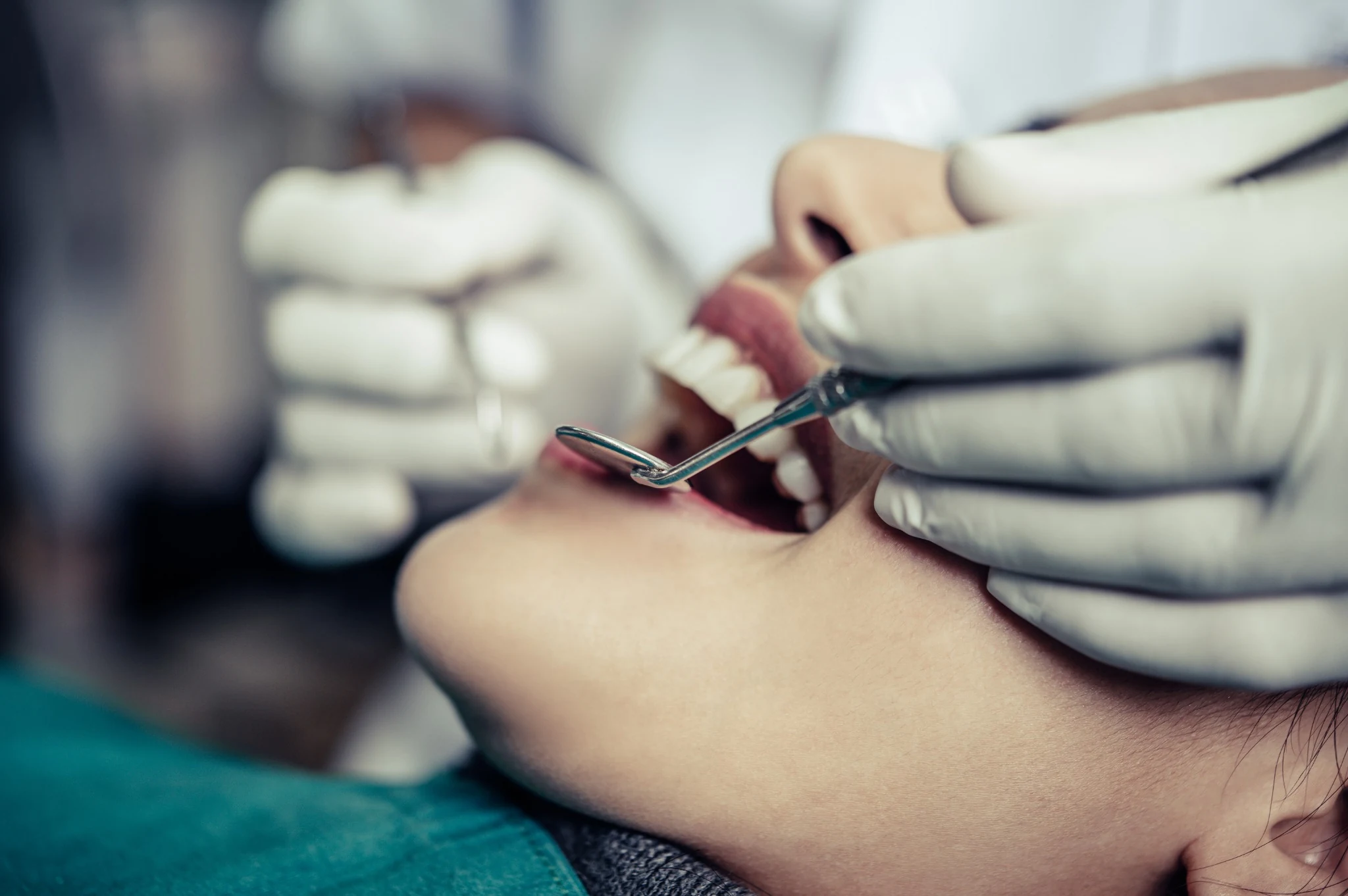
Dental implants need healthy jawbone to stay secure and support replacement teeth. However, losing a tooth, having gum disease, or experiencing an injury can cause the jawbone to shrink over time. When there is not enough bone to support an implant, your dentist may recommend a dental bone graft.
Bone grafting for dental implants helps rebuild lost jawbone and create a stronger foundation for implant placement. Not everyone needs this procedure, but it can make dental implants possible for patients with bone loss. Recognizing how it works, how long healing takes, and what to expect can help you feel more prepared for treatment.
Key Takeaways
- Bone grafting for dental implants helps rebuild lost jawbone when there is not enough bone to support an implant.
- Not every patient needs a bone graft. Your dentist will check your jawbone before recommending treatment.
- A dental bone graft may be placed after tooth extraction or before dental implant surgery.
- Initial gum healing usually takes 1–2 weeks, while the bone may need several months to heal.
- Some discomfort, swelling, and tenderness are normal after the procedure, but worsening symptoms need dental attention.
- Bone graft costs depend on the amount of bone needed, graft material, and treatment complexity.
What Is a Dental Bone Graft?
A dental bone graft is a procedure used to rebuild or increase bone in an area of the jaw where bone has been lost. During treatment, a dentist places natural or synthetic bone graft material in the affected area. This material acts as a framework that supports new bone growth as the area heals.
Patients considering dental implant treatment may need a bone graft if their jawbone does not provide enough support.
Dental bone grafting is commonly recommended before dental implants when the existing jawbone is too thin, weak, or narrow to support them. The procedure can also help preserve bone following tooth extraction.
Over time, your body forms new bone around or within the graft material. Once enough healthy bone has developed, your dentist can determine whether the area is ready for an implant.
Why Is Bone Grafting Needed for Dental Implants?
Dental implants are placed directly into the jawbone, so they need enough bone for stability. When bone volume is insufficient, an implant may not have the support required for successful treatment. A bone graft for a dental implant can help rebuild the area and improve the conditions for implant placement.
Several conditions can lead to jawbone loss.
- Missing teeth: The jawbone can gradually shrink when a tooth is missing because it no longer receives normal stimulation through the tooth root.
- Gum disease: Advanced periodontal disease can damage the bone supporting natural teeth.
- Tooth extraction: Bone changes often occur after a tooth is removed.
- Dental injuries: Trauma can damage the jawbone and surrounding tissues.
- Natural bone structure: Some people have thinner or narrower jawbones that require additional support for implants.
Because advanced gum disease can affect the supporting jawbone, periodontal treatment may be important for maintaining oral health.
Not everyone who loses a tooth needs bone grafting. Your dentist will examine the area and use appropriate imaging to decide whether your natural jawbone is sufficient.
Types of Dental Bone Grafts Used for Implants
Different bone graft materials can be used depending on the amount of bone loss, treatment location, and individual health needs. Your dentist will choose a suitable material based on the procedure and how much new bone needs to develop. The main types of dental bone grafts include the following.
Autograft: Bone From Your Own Body
An autograft uses bone taken from another area of your body, such as a different part of the jaw. Because the material comes from your own body, it contains natural bone components that can support healing. However, collecting the bone may require an additional surgical site.
Allograft: Human Donor Bone
An allograft uses specially processed bone from a human donor. The material is obtained through regulated tissue banks and prepared for medical use. This option avoids the need to collect bone from another part of your body.
Xenograft: Animal-Derived Bone Material
A xenograft uses processed bone material from an animal source, commonly cattle. It provides a framework that supports the development of new bone. The material is carefully processed before clinical use.
Alloplast: Synthetic Bone Graft Material
An alloplast uses laboratory-made materials designed to support bone regeneration. These materials may include calcium-based compounds similar to minerals found in natural bone.
Each graft type has different properties. Your dentist can explain which option is appropriate for your treatment and why.
What Happens During a Dental Bone Graft Procedure?
A tooth bone graft procedure is usually performed with local anesthesia to numb the treatment area. Depending on the complexity of the procedure and your needs, sedation may also be available. The exact steps vary based on where the graft is placed and the amount of bone required.
Here is what typically happens during dental bone grafting:
- Dental examination: Your dentist examines your teeth and gums and uses X-rays or 3D imaging when needed to evaluate the jawbone.
- Local anesthesia: The treatment area is numbed to help keep you comfortable.
- Preparing the area: The dentist may make a small opening in the gum tissue to access the bone.
- Placing the graft: Bone graft material is added to the area where additional bone is needed.
- Protecting the graft: A protective membrane may be placed over the material to support healing.
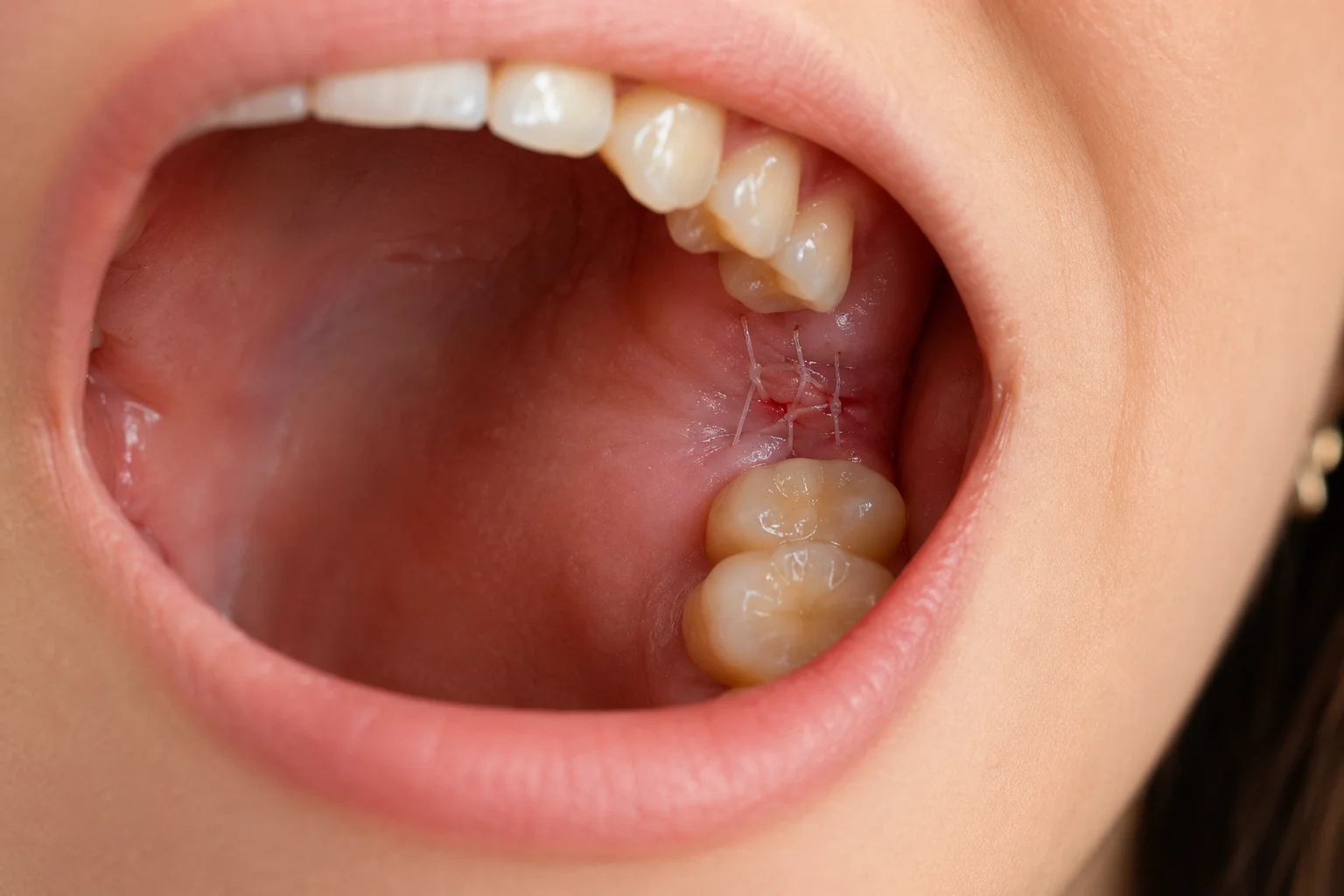
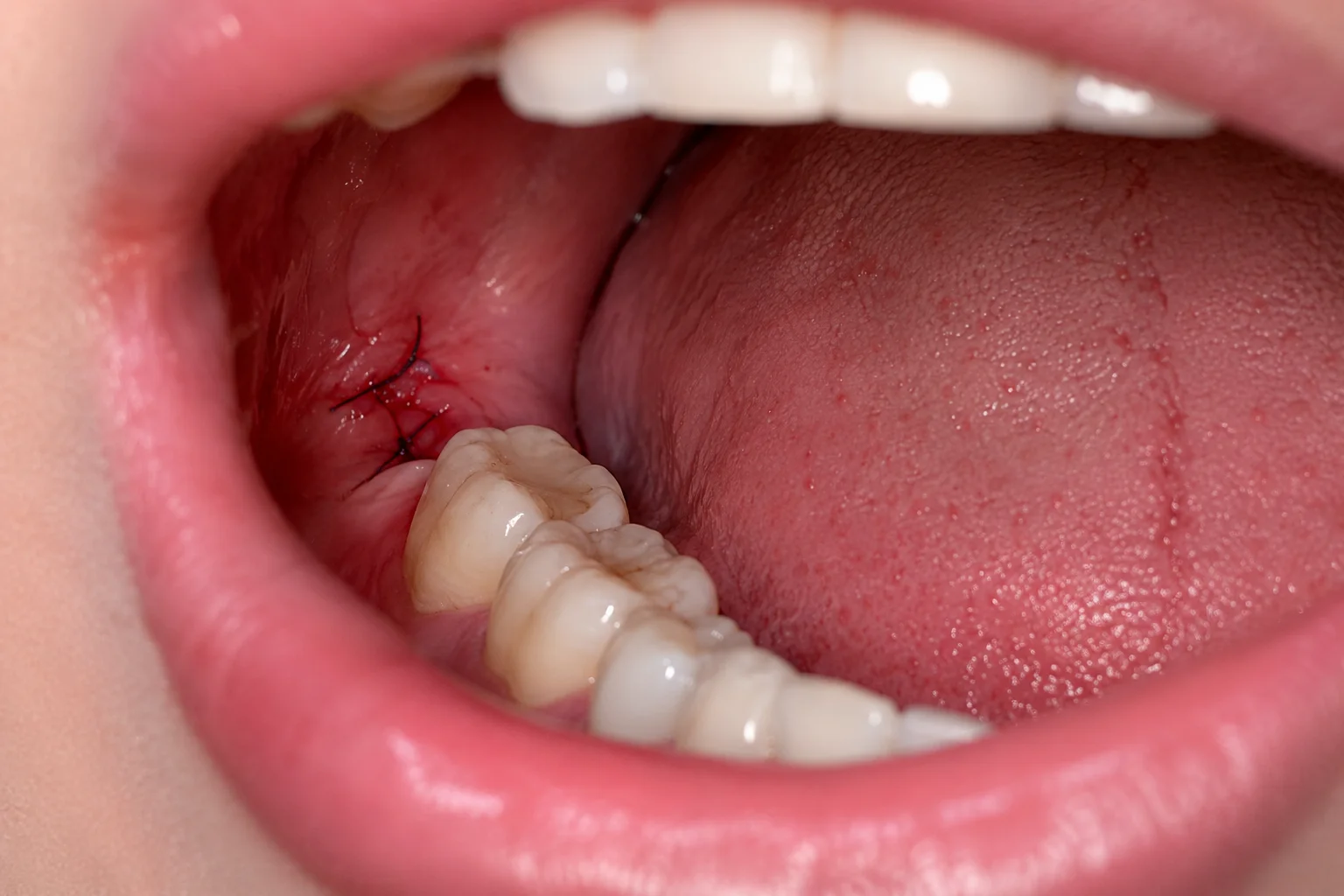
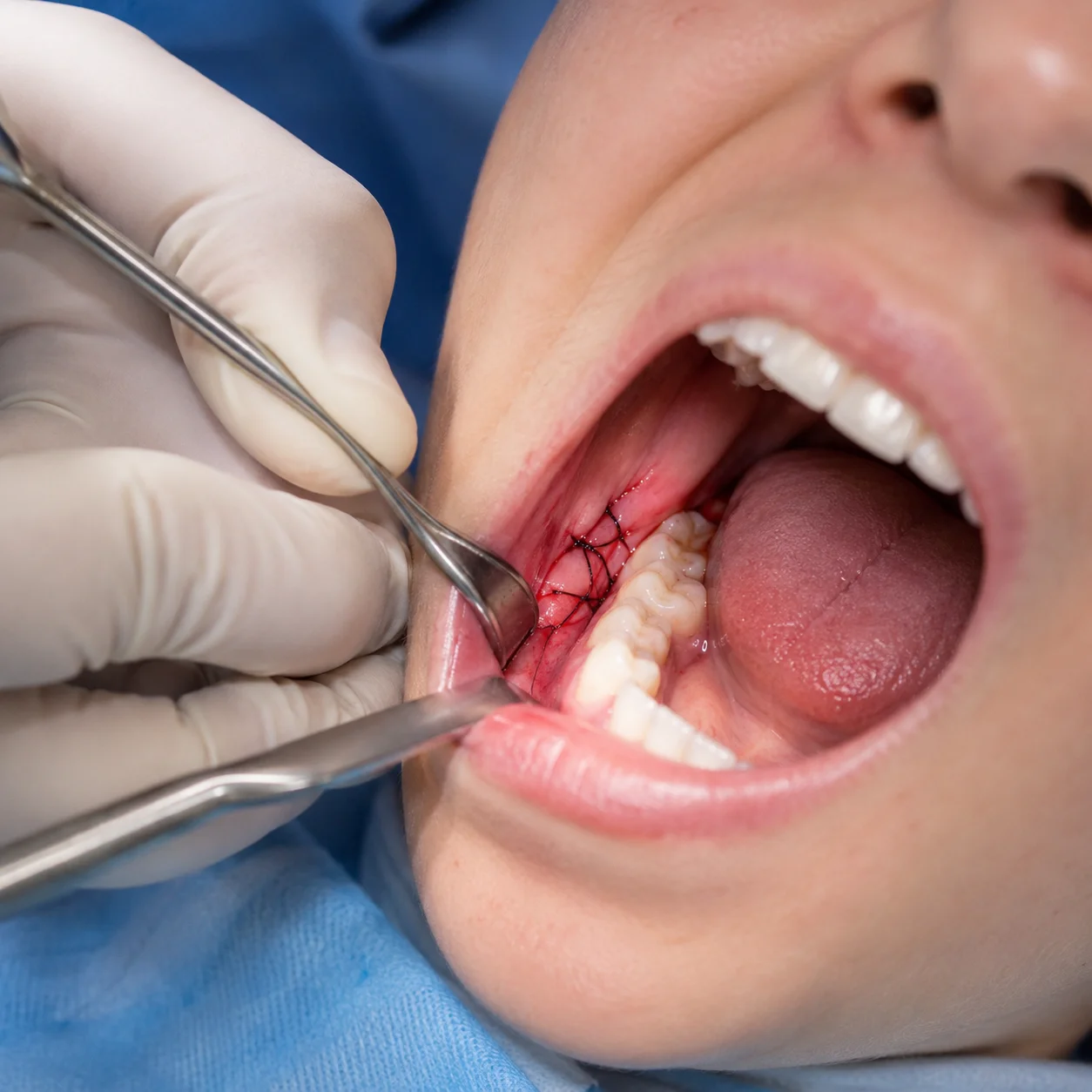
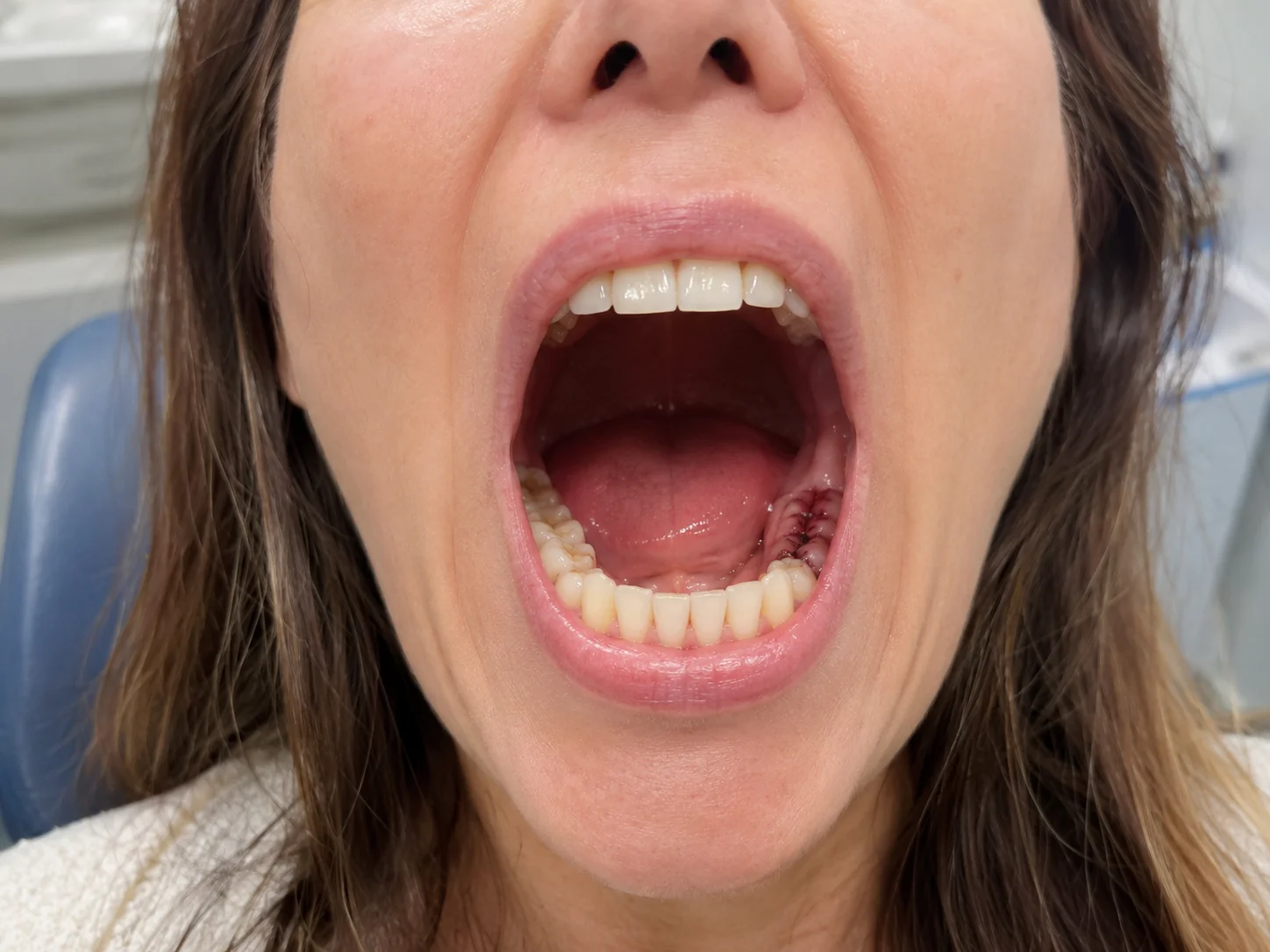
- Closing the gums: The gum tissue is repositioned and may be secured with stitches.
Bone Grafting After Tooth Extraction
Bone loss often begins after a tooth is removed because the jaw no longer has a tooth root in that location. To help preserve the bone, a dentist may recommend placing graft material into the empty tooth socket. This procedure is commonly called socket preservation.
A bone graft after tooth extraction may help maintain the shape and volume of the jawbone for future dental implant placement. However, it does not completely prevent bone changes, and not every extraction requires grafting.
If a damaged or infected tooth needs removal, a professional tooth extraction procedure may be the first step before planning future implant treatment.
Molar Extraction With Bone Graft
A molar extraction with bone graft may be recommended when a back tooth needs removal and the patient plans to replace it with a dental implant.
Molars have large roots and play an important role in chewing. After removal, the surrounding bone may change in height or width. Placing graft material in the socket can help preserve bone volume for a future implant.
The need for grafting depends on the amount of remaining bone, the condition of the socket, and the planned replacement treatment.
How Long Does a Dental Bone Graft Take to Heal?
Healing after a dental bone graft happens in stages. The gums usually heal within one to two weeks, but the bone needs several months to develop enough support for dental implants. Larger or more complex grafts may require additional healing time.
Your dentist can explain the dental implant healing process and determine when your jawbone is ready for the next treatment stage.
| Healing stage | General timeframe |
| Initial gum healing | About 1–2 weeks |
| Early bone healing | Around 3 months or longer |
| Bone development before implant placement | Often 3–6 months, depending on the procedure |
| Larger or complex bone grafts | May require 9–12 months |
These timelines are estimates. Your healing period may differ depending on the graft material, jawbone condition, overall health, and treatment complexity.
Is Bone Grafting for Dental Implants Painful?
Most patients receive local anesthesia during bone graft surgery, so they should not feel sharp pain while the area is numb. However, you may notice pressure or movement during the procedure. Some tenderness, swelling, and mild discomfort are common after the anesthesia wears off.
Discomfort usually improves during the first several days. Your dentist may recommend appropriate pain medication and provide instructions for managing swelling.
The amount of discomfort depends on the size of the graft and whether other procedures, such as tooth extraction, were performed at the same time. If pain becomes severe or increases instead of improving, contact your dentist for an evaluation.
Risks and Signs of Dental Bone Graft Failure
Dental bone grafting is a commonly performed procedure, but complications are possible. In some cases, the graft may not develop enough new bone to support a dental implant. Infection, poor healing, or excessive movement around the surgical area can affect the result.
Possible complications include:
- Infection: Bacteria may cause inflammation around the grafted area.
- Poor bone healing: The graft may not produce enough usable bone.
- Graft exposure: Gum tissue may open and expose the graft or protective membrane.
- Persistent pain: Discomfort may continue or worsen beyond the expected recovery period.
- Excessive swelling or bleeding: Symptoms may indicate a complication requiring attention.
Contact your dentist if you experience severe or worsening pain, increasing swelling, fever, pus, or unusual bleeding.
Dental Bone Graft Recovery and Aftercare Tips
Proper aftercare helps protect the surgical site while the bone graft heals. Following your dentist’s instructions can reduce irritation, support recovery, and lower the risk of complications. Patients should avoid disturbing the grafted area, even when the gums begin to feel better.
How to Care for Your Mouth After a Bone Graft
Follow these practical recovery tips:
- Eat soft foods: Choose foods such as yogurt, scrambled eggs, mashed potatoes, and soft pasta during the early healing period.
- Avoid touching the graft: Do not press the area with your tongue or fingers.
- Follow cleaning instructions: Brush your other teeth normally while following specific directions for cleaning near the surgical site.
- Avoid smoking and vaping: Tobacco and nicotine use can interfere with healing.
- Take medications as directed: Follow instructions for prescribed or recommended pain relief and other medications.
- Avoid strenuous activity initially: Follow your dentist’s advice about exercise and heavy lifting.
- Attend follow-up visits: Your dentist needs to monitor healing before planning the next stage.
Patients in Cudahy, WI, who are preparing for dental implants should attend their scheduled follow-up visits even when recovery seems normal.
How Much Does Bone Grafting for Dental Implants Cost?
The cost of bone grafting for dental implants varies depending on the amount of bone needed and the complexity of the procedure. A small graft placed after tooth extraction may cost less than a larger procedure involving significant jawbone reconstruction. Imaging, graft materials, and additional surgical treatments can also affect the total expense.
Patients who need tooth removal before grafting can also review information about tooth extraction costs.
Several factors influence the final cost:
- Size of the graft: Larger areas of bone loss may require more material and treatment.
- Type of bone graft: Different materials and techniques have different costs.
- Treatment location: Some areas of the jaw require more complex procedures.
- Additional treatments: Tooth extraction, sinus augmentation, or other procedures may increase the overall cost.
- Insurance coverage: Some plans may cover part of the procedure, depending on the reason for treatment and policy terms.
Does Dental Insurance Cover Bone Grafting?
Dental insurance may cover some bone grafting procedures, but coverage depends on your plan and why the treatment is needed.
Some plans exclude bone grafting associated with dental implants, while others may provide benefits under specific conditions.
Before starting treatment, ask your dental office for a written cost estimate and insurance benefits review. This can help you understand potential out-of-pocket expenses and plan your treatment budget.
Can You Get Dental Implants Without a Bone Graft?
Yes, many patients can receive dental implants without bone grafting. If the jawbone has enough height, width, and density to support an implant, additional bone may not be necessary.
However, patients with significant bone loss may need grafting to create a more suitable foundation.
In some cases, alternative implant sizes, positions, or treatment techniques may be considered. The available options depend on the amount of healthy bone, nearby anatomical structures, and overall oral health.
A dentist will evaluate your jawbone through an examination and appropriate imaging before deciding whether a bone graft for a tooth implant is necessary.
Patients exploring alternatives for replacing missing teeth can also learn about implant-supported dentures.
Conclusion
Bone grafting for dental implants can help rebuild lost jawbone and create a more suitable foundation for replacement teeth. Although the procedure may add several months to your treatment plan, it can help patients with insufficient bone become candidates for dental implants. The need for grafting depends on your individual oral health and jawbone condition.
If you are considering dental implants in Cudahy, WI, South Shore Dentistry & Implants can evaluate your oral health and discuss appropriate treatment options. Schedule a dental implant consultation to learn whether bone grafting may be part of your treatment plan.
Explore Dental Implant Treatment | Schedule an Appointment
Frequently Asked Questions
Is Bone Grafting Always Necessary for Dental Implants?
No. Bone grafting is not always necessary for dental implants. It is usually recommended when there is not enough healthy jawbone to support an implant or when preserving existing bone may benefit future treatment. During an examination, your dentist will evaluate your jawbone and determine whether bone grafting is needed to provide adequate support for the implant.
How Long After Bone Grafting Can I Get a Dental Implant?
After bone grafting, many patients need to wait several months for the new bone to heal and integrate with the existing jawbone. The healing period often ranges from three to six months, although larger grafts may require additional time. Your dentist will monitor the healing process and confirm when the grafted area is ready for dental implant placement.
Can Dental Bone Grafting Fail?
Yes, bone grafting can sometimes fail to produce enough healthy bone for successful implant placement. Infection, poor healing, smoking, and certain medical conditions may increase the risk of complications. Following your dentist’s aftercare instructions and attending regular follow-up appointments can help monitor bone graft healing and identify potential problems early.
Is Bone Grafting Painful?
Bone grafting is generally performed under local anesthesia, which numbs the treatment area during the procedure. Some patients experience mild swelling, tenderness, or discomfort afterward. These symptoms usually improve as the grafted bone heals. Your dentist may recommend appropriate pain relief and aftercare instructions to support recovery.
Can Bone Grafting and Dental Implants Be Done at the Same Time?
Sometimes. If enough healthy jawbone is available to stabilize the implant, your dentist may perform bone grafting and implant placement during the same procedure. However, patients with significant bone loss may need a separate grafting procedure first. This allows the grafted bone to heal and develop sufficient support before the dental implant is placed.
How Do I Know if I Need Bone Grafting for a Tooth Implant?
You may need bone grafting if you have lost jawbone because of missing teeth, gum disease, or an injury. Bone loss can reduce the amount of support available for dental implants. Your dentist will perform an oral examination and may use dental X-rays or 3D imaging to evaluate your jawbone volume and density. These assessments help determine whether bone grafting is necessary before implant treatment.