
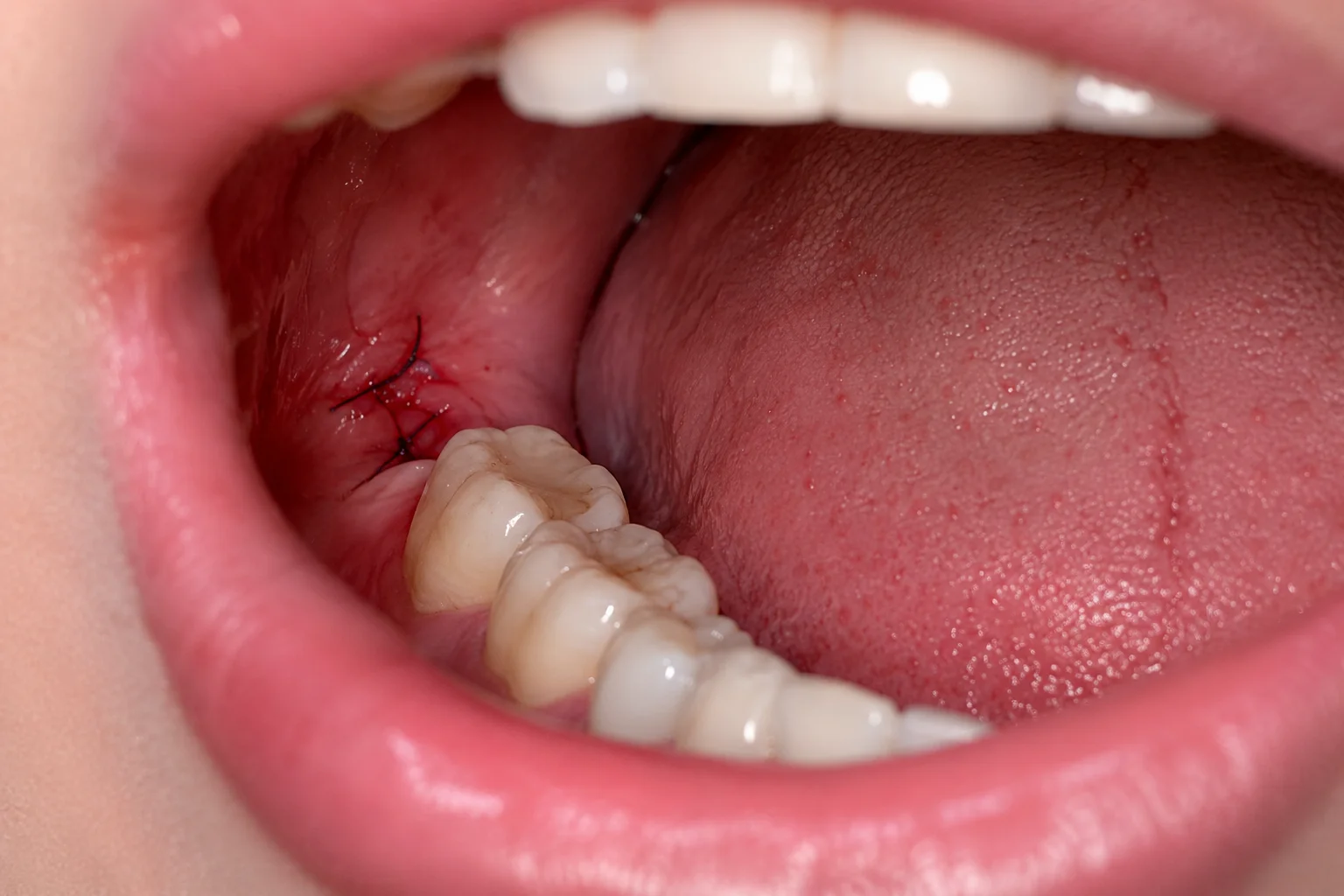




Getting a dental fillings is a common treatment for dental filling costs. Still, you may wonder how much time you need for your appointment. You might also have questions about comfort options during a dental filling, pain, or what happens during the procedure.
So, how long does a filling take? A routine dental filling often takes about 20 to 60 minutes per tooth. Small cavities may take less time, while larger ones may need longer treatment. Numbing and other steps can also affect the total appointment time.
At South Shore Dentistry & Implants, we understand that patients want to know what to expect before dental treatment. This guide explains filling times, the procedure, and what happens after your appointment.
How Long Does a Dental Filling Usually Take?
Most routine dental fillings take around 20 to 60 minutes for one tooth. However, the exact time depends on the size of the cavity and the treatment needed.
A small cavity may be filled quickly. A larger cavity usually needs more preparation and filling material.
Here is a general guide to filling times:
| Type of Filling | Estimated Time |
|---|---|
| Small cavity filling | 20–30 minutes |
| Medium cavity filling | 30–45 minutes |
| Large or complex filling | 45–60 minutes or longer |
| Multiple cavity fillings | Depends on the number of teeth |
| These times are estimates. Your dentist may need more or less time based on your dental condition. |
How Long Does One Filling Take Without Numbing?
Numbing can add extra time to a dental filling appointment. The dentist may use local anesthesia to keep the tooth comfortable during treatment. After the injection, the dentist usually waits a few minutes for the area to become numb. The waiting time varies from person to person.
If you are asking how long for one dental filling excluding numbing, the active filling work may take around 15 to 40 minutes for a simple cavity. Larger fillings may take longer. Some small fillings may not require anesthesia. This depends on the cavity and the patient’s comfort.
What Happens During a Dental Filling Appointment?
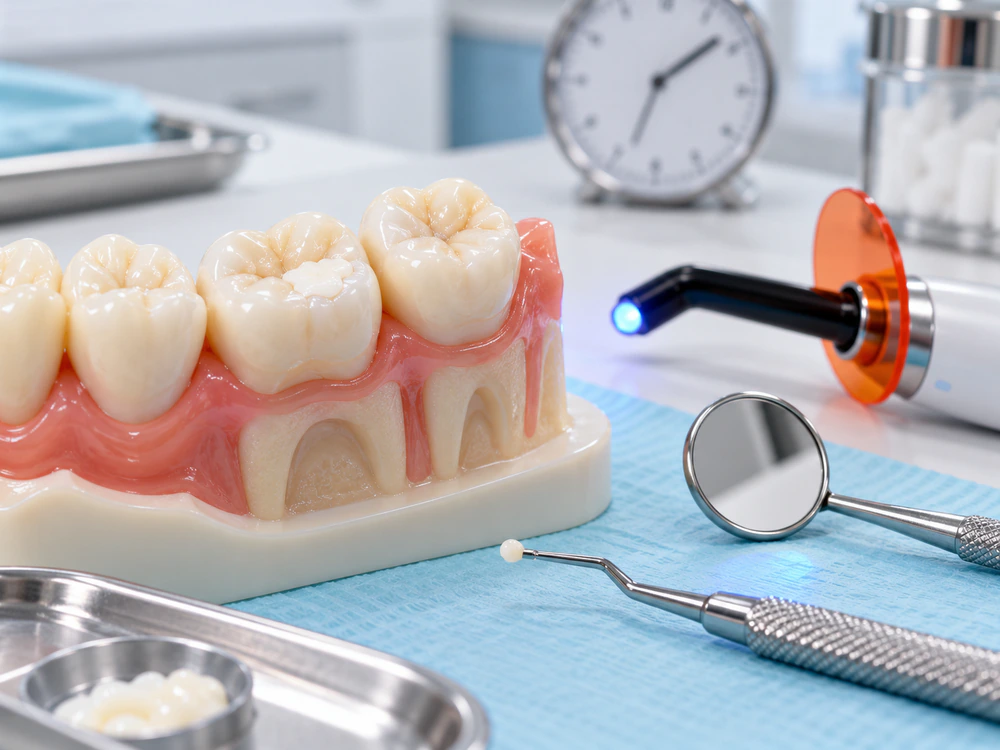
If you are wondering how long does it take to get a filling, it helps to understand the steps involved.
A dental filling is usually a straightforward procedure. The dentist removes the decay and fills the damaged area to restore the tooth.
1. Examining and Numbing the Tooth
The dentist first checks the affected tooth and reviews the treatment plan. If needed, local anesthesia is used to numb the area. You may feel a small pinch during the injection. Once the area is numb, the dentist can begin treatment.
2. Removing the Tooth Decay
The dentist uses dental instruments to remove the decayed part of the tooth. This step helps prepare the area for the filling. The time needed depends on how large or deep the cavity is. You may feel some pressure or vibration, but the area should be numb if anesthesia is used.
3. Placing the Filling Material
After removing the decay, the dentist cleans and prepares the tooth. The filling material is placed in the prepared area. Tooth-colored composite fillings are commonly used for this treatment.
For composite fillings, a special curing light hardens the material. The dentist may apply the material in layers.
4. Checking the Bite and Finishing
Once the filling is placed, the dentist checks how your upper and lower teeth meet. If the filling feels too high, small adjustments may be made. The surface is then smoothed or polished. This final step helps make the filling comfortable when you bite or chew.
Factors that Affect How Long a Cavity Filling Takes
Not every cavity takes the same amount of time to treat. Several factors can affect the procedure and appointment length.
If you are asking how long does a cavity filling take, the following factors can make a difference.
Size and Depth of the Cavity
Small cavities usually take less time to fill because there is less damaged tooth material to remove. Deep or larger cavities need more preparation. The dentist may also need extra time to protect the remaining tooth structure.
Location of the Tooth
Some teeth are easier to reach than others. For example, a cavity on a front tooth may be easier to access. A cavity between back teeth may require more time and careful preparation. The exact location of the decay affects the treatment process.
Type of Filling Material
Different filling materials have different placement methods. Tooth-colored composite fillings are placed and hardened using a curing light. Some other materials have different setting requirements.
Number of Teeth Being Treated
One small filling may take less time than treating several teeth. If you need multiple fillings, the dentist may complete them during the same appointment. However, some patients may need separate visits.
Numbing and Patient Comfort
Local anesthesia can add a few minutes to the appointment. Some patients may need additional numbing or short breaks during treatment. Your dentist may adjust the procedure to help you remain comfortable.
How Long Does It Take to Fill Multiple Cavities?
The time needed for multiple fillings depends on how many teeth require treatment.
If you are wondering how long does it take to fill a cavity, a simple filling may take around 20 to 60 minutes. Treating two or three teeth usually takes longer.
For example, two small cavities may be treated during one appointment. Larger cavities or teeth in different areas of the mouth may require more time.
Sometimes, the dentist may recommend separate appointments. This can depend on the location of the teeth and the amount of treatment needed.
Does Getting a Dental Filling Hurt?
Many patients feel nervous before their first filling. However, local anesthesia can help reduce pain during treatment. The dentist may numb the area around the affected tooth before removing the decay. You might still feel some pressure or vibration during the procedure.
If you experience pain, tell your dentist. Additional anesthesia or a short break may help. After treatment, your tooth may feel slightly sensitive. This is common and usually improves with time.
A dental filling should not cause severe or lasting pain. contact our dental team if discomfort becomes worse or does not improve.
How Long Does It Take to Recover After a Dental Filling?

Most people can return to their usual daily activities after a routine filling. If you are wondering how long does a filling take to recover from, your mouth may remain numb for a few hours if local anesthesia was used. During this time, avoid chewing to prevent accidentally biting your cheek, lip, or tongue.
Some patients notice mild tooth sensitivity to hot or cold foods after treatment. The tooth may also feel slightly tender when chewing.
These symptoms often improve within a few days. Deeper fillings may cause sensitivity that lasts longer. If you have emergency dental care, swelling, or sensitivity that continues without improvement, contact your dentist.
When Can You Eat After Getting a Filling?
When you can eat depends on the filling material and whether your mouth is still numb. Tooth-colored composite fillings are usually hardened during the procedure. However, you should wait until numbness wears off before chewing.
Eating while your mouth is numb can cause accidental bites to your lips, tongue, or cheeks. Start with soft foods if your tooth feels sensitive. Avoid very hot, cold, or hard foods if they cause discomfort.
Some filling materials may require different eating instructions. Follow the advice given by your dentist.
When Should You Contact Your Dentist After a Filling?
Mild sensitivity after a filling is common. However, certain symptoms may need further attention.
Contact your dentist if you notice:
- Severe or increasing tooth pain.
- Sensitivity that does not improve.
- Pain when biting or chewing.
- A filling that feels too high.
- A filling that becomes loose or breaks.
- Swelling around the treated tooth.
Sometimes, a small bite adjustment is enough to improve comfort. Other symptoms may need a closer examination.
Final Thoughts on Dental Filling Time
A dental filling is a common procedure that helps treat cavities and protect your teeth. If you are wondering how long does a filling take, most routine fillings require about 20 to 60 minutes per tooth.
The exact time depends on the cavity size, tooth location, numbing, and treatment needed. Knowing these details can help you plan your appointment and feel more prepared.
At South Shore Dentistry & Implants in Cudahy, patients can receive guidance about cavity treatment and dental filling options.
Contact our dental team to schedule an appointment and learn more about your dental care needs.
Frequently Asked Questions
How Long Does It Take to Fill a Cavity?
A routine cavity filling often takes about 20 to 60 minutes. Small cavities may take less time, while deeper or larger cavities can require a longer appointment and additional treatment steps.
How Long Does a Tooth Filling Take for One Tooth?
One tooth filling usually takes around 20 to 60 minutes. The exact time depends on the cavity size, tooth location, filling material, and whether local anesthesia is needed during treatment.
How Long Does Filling a Cavity Take Without Numbing?
Without numbing time, filling a simple cavity may take around 15 to 40 minutes. The procedure may take longer for larger cavities. Your dentist can give a more accurate estimate.
How Long Does It Take to Get a Filling for Two Teeth?
Two dental fillings may take around 40 to 90 minutes or longer. The time depends on cavity size, tooth location, and whether both fillings can be completed during one appointment.
How Long Does a Filling Take to Set?
Tooth-colored composite fillings usually harden during treatment with a curing light. Other filling materials may need more time to set. Follow your dentist’s instructions before eating or chewing.
How Long Will My Mouth Stay Numb After a Filling?
Your mouth may stay numb for a few hours after treatment. The duration depends on the anesthetic used. Avoid chewing until normal feeling returns to prevent accidental bites.