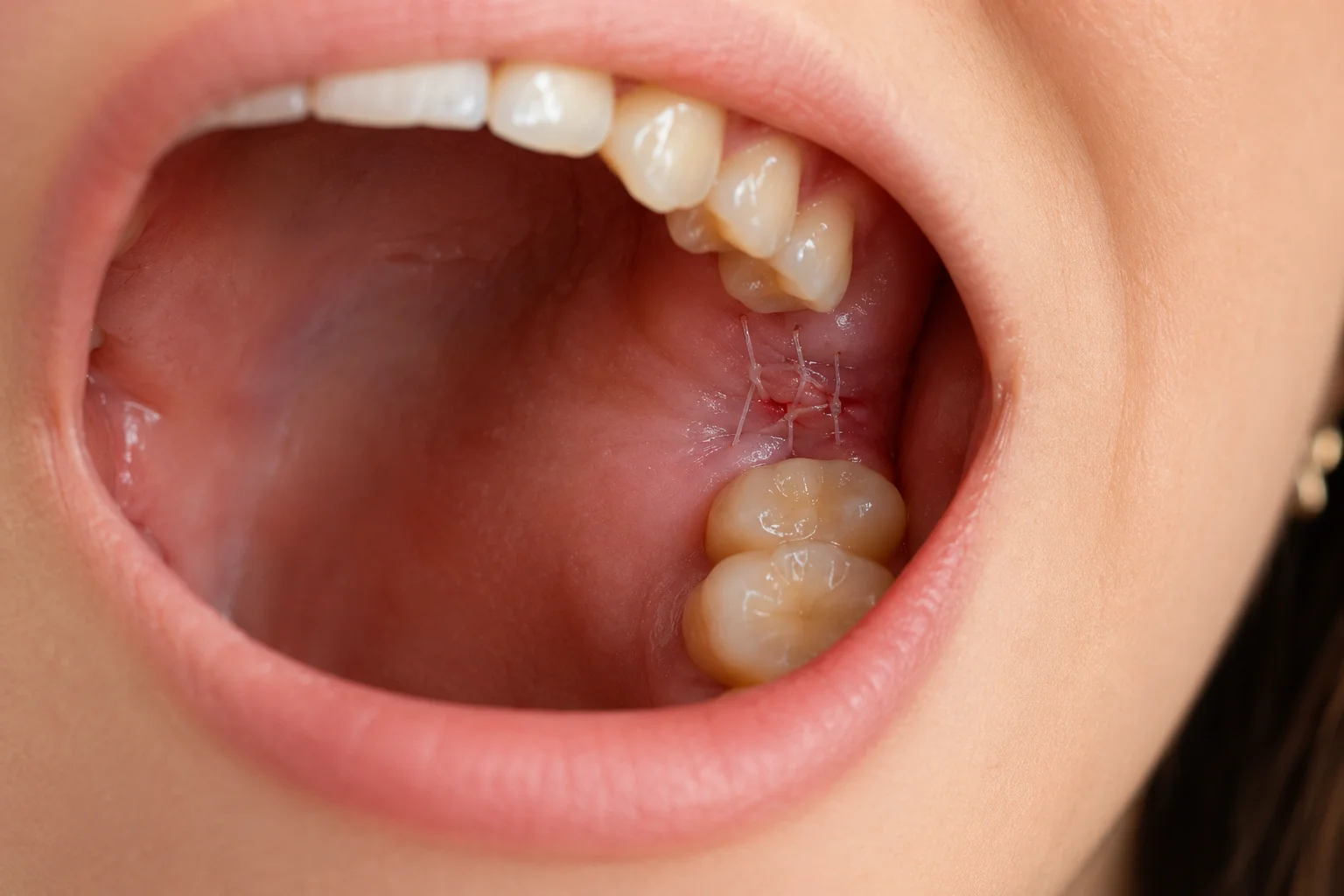
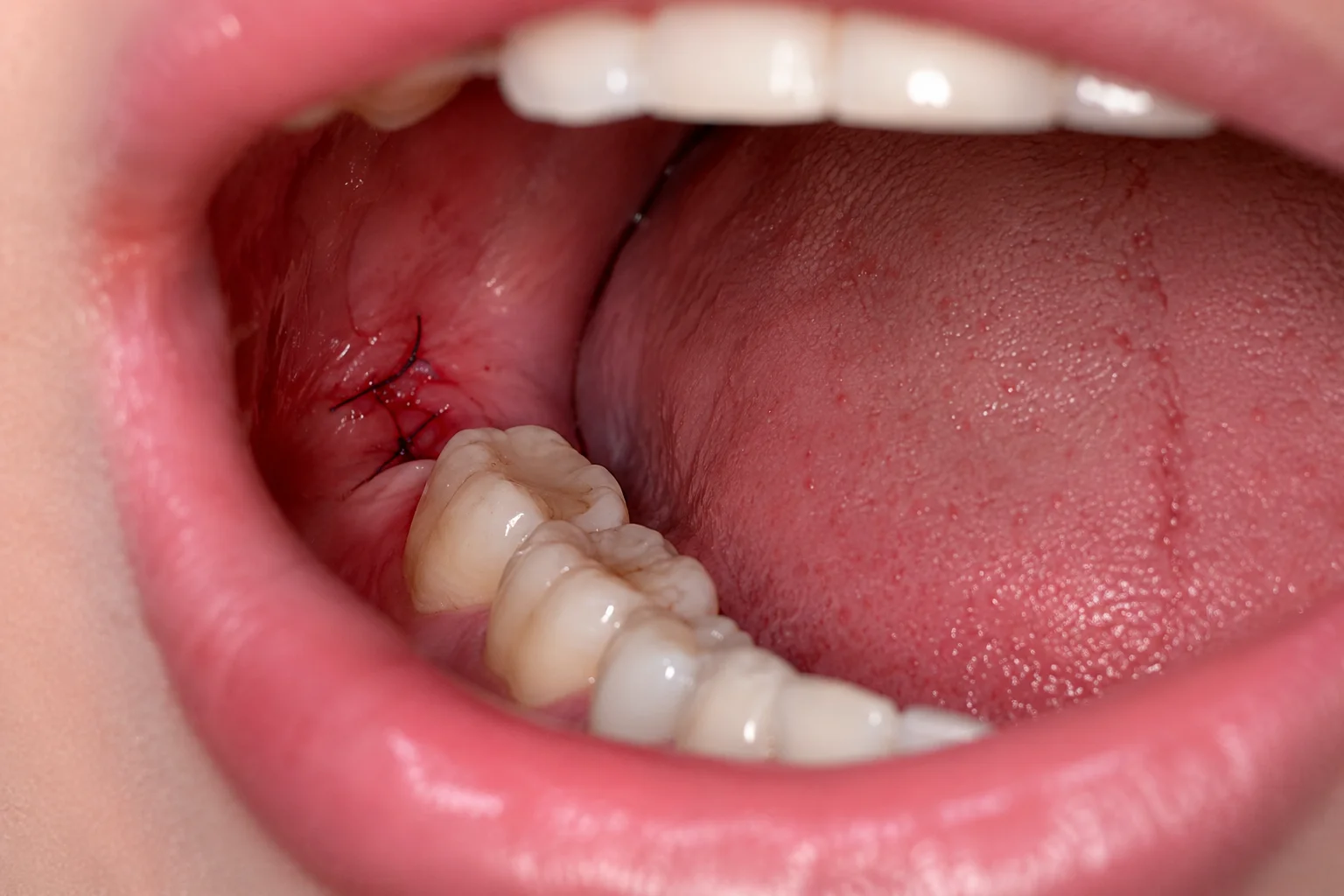
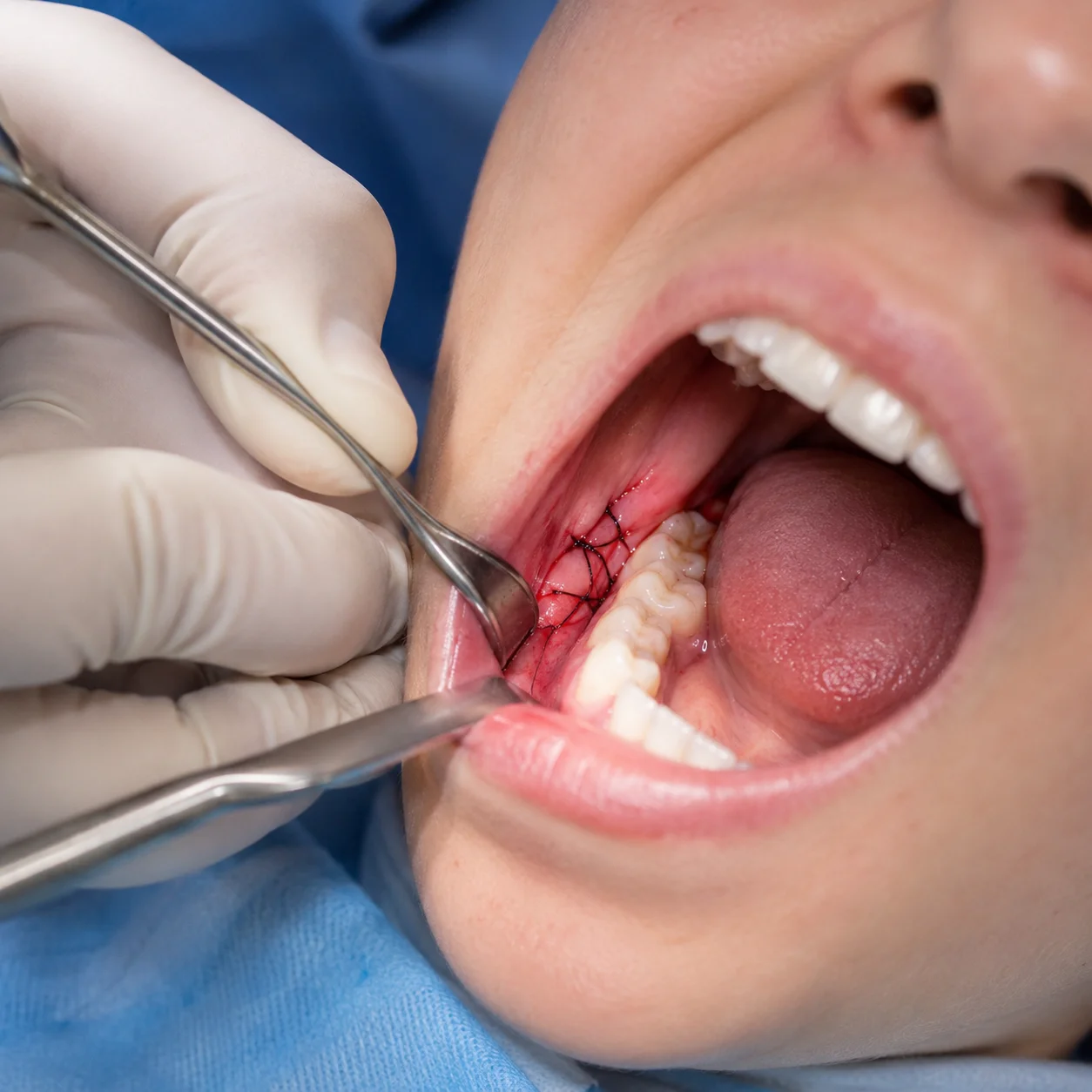
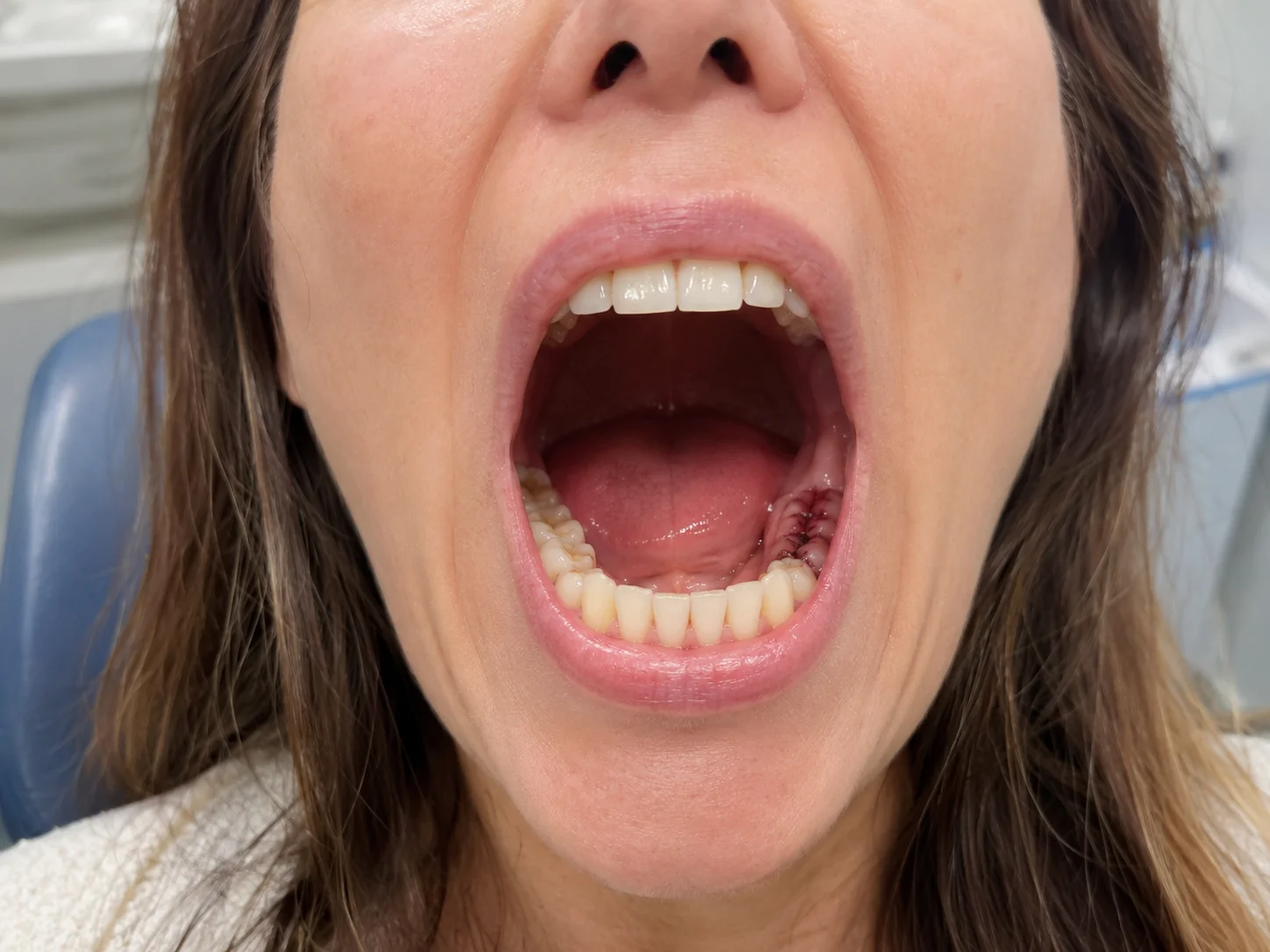

Before and after All-on-4 dental implant photos can show a striking new smile. They cannot show the whole result.
The bigger changes often happen away from the camera. Loose or failing teeth are removed. A fixed bridge replaces a full row of teeth. Chewing may become easier after healing. Speech takes time to settle. Daily cleaning changes too. And the teeth placed on surgery day may be temporary rather than the final set shown months later.
That last point matters. A polished “after” photo can make All-on-4 treatment look like a one-day makeover. The real process includes planning, surgery, swelling, a soft-food period, follow-up visits, and a final bridge after the implants have healed. Results also vary. Bone health, smoking, gum condition, bite forces, medical history, and home care all affect the outcome.
This guide explains what patients may notice before treatment, immediately after surgery, during healing, and once the final teeth are fitted.
All-on-4 Before and After at a Glance
- All-on-4 uses four implants to support a fixed full-arch bridge, though some patients need a different number or another treatment plan.
- Same-day teeth are often temporary. The final bridge is usually fitted after healing and bite checks.
- The early result includes swelling, soreness, diet limits, and speech changes. It is not the polished final stage.
- A final result may improve smile appearance and chewing stability, but it will not feel exactly like natural teeth.
- Long-term results depend on daily cleaning, regular maintenance, health, tobacco use, and control of grinding or heavy bite forces.
- A personal exam and 3D imaging are needed before a dentist can predict candidacy, timing, cost, or likely results.
What Are All-on-4 Dental Implants?
All-on-4 is a full-arch tooth replacement approach. A dentist places four implants in one jaw to support a fixed bridge. The two implants near the front are generally placed upright. The implants farther back may be angled to use available bone and support the bridge.
The treatment may be considered when most or all teeth in one arch are missing, badly damaged, or unlikely to remain healthy. Some patients need treatment in the upper jaw. Others need the lower jaw or both arches restored.
Four is a treatment concept, not a promise that every patient needs exactly four implants. Some people are better suited to five or six implants. Others need bone grafting, staged treatment, or a removable implant-supported option. A clinical exam and 3D imaging help determine the right plan.
Before All-on-4 Treatment
People do not usually reach this decision because of one small cavity. They may have lived with dental problems for years. Some first notice that an adult tooth feels loose. Others have several teeth that cannot be repaired.
Common concerns before treatment include:
- Several missing or broken teeth
- Teeth that move during chewing
- Advanced decay or gum disease
- Repeated infections and emergency visits
- A removable denture that shifts or causes sore spots
- Trouble eating firm foods
- Hiding the teeth in photos or while speaking
The starting point differs for every patient. One person may still have many teeth that look acceptable but cannot be saved. Another may have worn full dentures for years. That is why two before-and-after cases should never be treated as a forecast of your result.
What Happens Before Surgery?
Good results start with careful planning. The consultation may include a review of your health history, a dental examination, X-rays, photographs, digital scans, and a cone-beam CT scan. The CT image helps the dentist study bone volume and the location of nerves and sinus spaces.
The team also plans the bridge. Tooth size, color, lip support, speech, bite, and cleaning access all deserve attention. A very white smile may look impressive on a screen. A shade and shape that suit the patient’s face often look better in real life.
Tell the dentist about every medicine and supplement you take. Diabetes control, smoking, teeth grinding, past gum disease, and certain medications can affect healing. Some patients need medical clearance before implant surgery.

The Immediate Before-and-After Difference
Treatment may include removing failing teeth, preparing the bone, placing the implants, and attaching a temporary fixed bridge. This is often described as “teeth in a day.” The phrase needs context.
The patient may leave with fixed teeth on the day of surgery when the implants achieve enough initial stability and the clinical plan allows immediate loading. Those teeth are commonly a temporary bridge. They protect appearance and basic function during healing. They are not permission to bite into hard food that evening.
The first visible change can be dramatic. Missing, stained, broken, or uneven teeth are replaced by a complete row. Lip and facial support may also look different. Yet swelling can hide the final appearance for several days. Bruising may occur. The gums need time to settle.
The First 72 Hours After All-on-4 Surgery
The early “after” stage is recovery, not the finished result.
Swelling often increases during the first few days. Mild bleeding, soreness, tightness, and bruising may occur. Prescribed and over-the-counter medicine should be used only as directed by the treating clinician. Patients should follow their own written instructions because medical needs vary.
Food must place very little force on the new bridge. Smooth soups, yogurt, eggs, mashed vegetables, soft fish, and similar foods are common early choices. Avoid smoking. Do not test the bridge by chewing something hard.
Call the dental office if bleeding will not slow, swelling suddenly worsens, pain is severe or increasing, a fever develops, or the bridge feels loose. Trouble breathing or swallowing needs emergency medical attention.
The First Few Weeks
The mouth begins adapting once the early swelling falls.
Speech may sound different at first. The tongue has to learn the shape of the new teeth. Small changes in airflow can affect sounds such as “s” and “f.” Reading aloud for a few minutes each day can help, but persistent speech trouble should be discussed at a follow-up visit.
The bite may also feel unfamiliar. A full-arch bridge does not feel exactly like natural teeth. Implant-supported teeth lack the same periodontal ligament sensation as natural teeth. Most patients adapt, but the process is gradual.
The soft-food instructions still matter even when the mouth feels better. Implants need time to join with the surrounding bone. Feeling comfortable does not mean healing is complete.
Temporary Teeth Versus the Final Bridge
Many online comparisons mix two different stages.
The temporary bridge is designed for the healing period. It may be adjusted as swelling changes and the gums settle. The final bridge is made after the implants and tissues become stable enough for the restorative phase.
During final design, the dentist can refine:
- Tooth length and width
- Shade and translucency
- Lip support
- Bite contacts
- Speech
- The fit against the gums
- Access for cleaning beneath the bridge
The final restoration may use zirconia, acrylic over a supporting framework, or another planned material. Each has advantages, limits, maintenance needs, and costs. Ask what material is included in the treatment quote and why it suits your bite. Our 2026 dental implant cost guide explains why imaging, surgery, bridge material, and added procedures can change the fee.

What Changes in the Final All-on-4 Result?
Smile appearance
The final bridge can create a full, even smile with a planned tooth shape and shade. It may replace missing gum tissue with pink restorative material when needed. The goal is balance. Teeth that are too long, too bulky, or too white can look artificial despite being technically well made.
Chewing
Patients often gain a more stable chewing surface than they had with failing teeth or a loose removable denture. That does not make implant teeth indestructible. Very hard foods can chip a bridge or overload components. The dentist may recommend limits based on the bridge material and the patient’s bite.
Confidence
Patients may feel less worried about a denture moving during a meal or a damaged tooth showing in a photo. This change is personal and hard to measure in a photograph, but it is often a major reason people seek treatment.
Facial support
Replacing missing teeth and lost gum volume can support the lips and lower face. The amount of visible change depends on the starting condition and bridge design. Dental treatment does not stop normal facial aging.
Daily routine
The bridge stays in place, but it still needs cleaning. Food and plaque can collect underneath it. A water flosser, bridge threader, interdental brush, or other tool may be recommended. The office should demonstrate the technique rather than hand over a bag of products and hope for the best.

What Before-and-After Photos Do Not Tell You
A photograph shows appearance at one moment. It does not show implant position, bone support, gum health, bite balance, speech, hygiene access, or long-term maintenance.
Check the details when viewing a case:
- Is the after image from surgery day or after the final bridge?
- Were one or both arches treated?
- How long after treatment was the photo taken?
- Did the patient need extractions or grafting?
- Are the images taken in similar light and at a similar angle?
- Is the case an actual patient of that dental office?
Real clinical photography should be shared with the patient’s permission. Stock photos can explain a concept, but they should not be presented as treatment results.
Who May Be a Good Candidate?
All-on-4 may suit an adult who has lost most teeth in an arch or has remaining teeth with a poor prognosis. The patient also needs enough usable bone for the planned implant positions and must be able to undergo oral surgery.
A good candidate is willing to clean the bridge daily and attend maintenance visits. That part is non-negotiable. Implants cannot decay, but the tissue and bone around them can develop disease.
Smoking, uncontrolled diabetes, severe grinding, untreated gum infection, or certain medical conditions may increase risk. These factors do not produce the same answer for every person. They need an individual assessment.
When All-on-4 May Not Be the Best Choice
All-on-4 is one option among several. Saving restorable natural teeth may be better for some patients. Another person may benefit from an implant-supported removable denture. A different implant number or a staged grafting plan may provide a more suitable result. Reviewing denture types and costs can help patients prepare better questions before the consultation.
Be cautious with any consultation that recommends full-mouth extraction before discussing which teeth can be saved. Removing a natural tooth is permanent. The diagnosis should support the decision. Patients who do need surgery may also find our tooth-extraction healing guide useful, though their own surgical instructions always come first.
Risks and Possible Complications
All-on-4 treatment has a strong record in selected patients, but complications can happen. Research reports high implant survival, while also describing biological and mechanical problems.
Possible issues include:
- An implant failing to integrate with bone
- Infection or delayed healing
- Gum inflammation or peri-implantitis
- Temporary or permanent altered sensation
- Screw loosening
- Chipping or fracture of the bridge
- Food trapping or cleaning difficulty
- Bite discomfort
Implant survival and treatment success are related but different. An implant can remain in place while the bridge still needs repair or the surrounding tissue needs treatment. Long-term care matters.
How Long Do All-on-4 Results Last?
There is no honest lifetime guarantee.
Implants may function for many years when the patient remains healthy, keeps the area clean, avoids tobacco, and attends professional maintenance. The bridge may need repair or replacement sooner than the implants themselves. Wear depends on the material, bite, grinding, diet, and care.
A night guard may be advised for patients who clench or grind. It only works when it is worn.
Questions to Ask at an All-on-4 Consultation
Bring these questions to the appointment:
- Which teeth can still be saved?
- Why are four implants recommended for my jaw?
- Will I receive fixed temporary teeth on surgery day?
- What could prevent immediate loading?
- Who performs the surgery and who designs the bridge?
- What material will be used for the temporary and final teeth?
- What services are included in the quoted fee?
- How will I clean underneath the bridge?
- What happens if one implant fails?
- How often will I need maintenance visits?
Clear answers matter more than a dramatic gallery.
All-on-4 Dental Implants in Cudahy, WI
South Shore Dentistry & Implants provides dental implant consultations for patients in Cudahy, St. Francis, South Milwaukee, Bay View, Oak Creek, and nearby Milwaukee communities. Patients closer to downtown can review our Milwaukee-area dental services. Your visit should begin with a careful examination and a frank discussion about which teeth can be kept, what treatment can realistically achieve, and which full-arch option fits your health and goals.
Call 414-401-4944 or request an appointment at 3527 E Squire Ave, Cudahy, WI 53110 to discuss full-mouth dental implant options.
Frequently Asked Questions
Do All-on-4 implants look natural?
They can look natural when tooth shape, shade, gum contours, lip support, and the patient’s face are planned together. The result depends heavily on the restorative design and lab work.
Are the teeth fitted on surgery day permanent?
Often, no. Many patients receive a fixed temporary bridge during healing. The final bridge is made after the dentist confirms that the implants and tissues are ready.
How soon can I eat normally after All-on-4 surgery?
Follow the treating dentist’s diet instructions. Patients usually need soft foods during early healing and should not return to hard chewing simply because soreness has improved.
Can everyone receive teeth on the same day?
No. Immediate loading depends on implant stability, bone quality, surgical findings, bite forces, and the treatment plan. A delayed approach may be safer in some cases.
Can All-on-4 implants fail?
Yes. Failure is possible even though published studies report high survival in selected patients. Smoking, health conditions, infection, poor cleaning, heavy bite forces, and other factors can affect risk.
How do I clean under an All-on-4 bridge?
Cleaning usually involves a soft toothbrush plus tools that reach below the bridge, such as floss threaders, interdental brushes, or a water flosser. Your dental team should recommend tools for the exact bridge design.