

Cost
A tiny cavity can stay hidden for months. Then one day, you bite into something cold and feel a sharp twinge. For many people in Cudahy, WI, the question of filling costs comes up unexpectedly. A minor sensitivity can quickly turn into a dental appointment and a discussion about treatment options and expenses.
Some fillings cost less than $100, while others can cost several hundred dollars. The final price depends on the type of material used, the size of the cavity, the location of the tooth, and whether dental insurance helps cover the expense. Most people don’t think much about fillings until they need one. At South Shore Dentistry and Implant, we believe that understanding your treatment options early can help you protect your smile and avoid more extensive dental problems.
Average Dental Filling Costs
The price of dental fillings varies depending on the type of restoration and the complexity of treatment.
| Type of Filling | Typical Cost Per Tooth |
| Silver Amalgam Filling | $50–$300 |
| Composite Resin Filling | $100–$500 |
| Ceramic Filling | $250–$1,500 |
| Gold Filling | $300–$2,500 |
These figures are approximate and can differ based on location and dental practice.
Why Filling Costs Vary So Much
Two patients can visit different dental offices for similar cavities and receive entirely different estimates.
Several factors affect pricing.
Size of the Cavity
A small cavity usually needs less material to fix and can often be repaired fast. Larger areas of tooth decay may require a lot of preparation and more work to restore. The more of the tooth structure is damaged, the more it costs to treat.
Location of the Tooth
Molars are really tough to get to. They have to deal with a lot of chewing pressure. So when we need to fix the back teeth, we might need to use stronger stuff, and it can take a bit longer to do the job. This is why it can cost more to restore molars than it does to fix the overall teeth.
Type of Filling Material
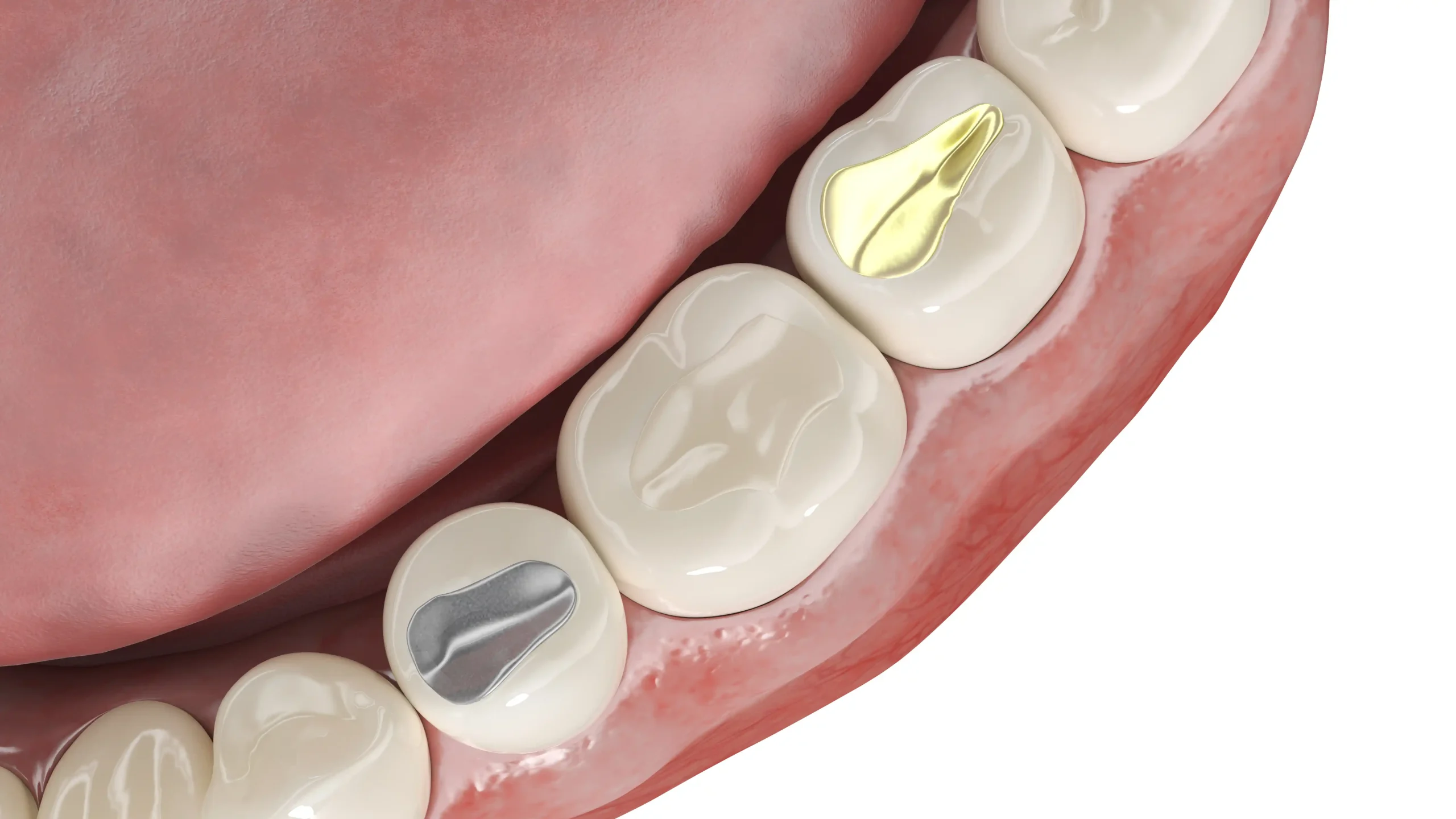
Silver amalgam fillings usually cost more than tooth-colored composite restorations. Ceramic fillings and gold fillings are often a lot more expensive. They need work from a laboratory and special materials. Silver amalgam fillings are just simpler.
Geographic Location
Dental fees can vary significantly depending on where you receive care. For example, patients in Oak Creek may see different pricing than those in other communities because practice expenses and local market rates can influence treatment costs.
Cavity Filling Cost by Material
The material selected for your filling plays a major role in determining the final price.
Composite Filling Price
The composite filling price usually ranges between $100 and $500 per tooth. Many people prefer composite restorations because they are less noticeable than silver fillings. They are particularly popular for visible teeth and small to moderate cavities.
White Filling vs Silver Filling Cost
One of the most common questions involves the difference between white filling vs silver filling costs.
| Feature | White Composite Filling | Silver Amalgam Filling |
| Typical Cost | $100–$500 | $50–$300 |
| Appearance | Tooth-Colored | Metallic Silver |
| Aesthetics | Excellent | Limited |
| Durability | Good | Very Good |
| Popular Use | Front and Back Teeth | Mostly Back Teeth |
Silver fillings generally cost less. Composite fillings cost more but offer superior aesthetics. In practice, appearance often influences the decision just as much as price.
Ceramic and Gold Fillings
Ceramic restorations are very good at resisting stains. They look a lot like natural tooth color. Gold fillings are durable and can last for many years. Their higher prices reflect both material costs and the additional laboratory work involved.
Tooth Filling Cost Without Insurance

Patients from Maitland Park often ask whether paying out of pocket for a filling is worthwhile. In most cases, treating a cavity early is far less expensive than waiting until it requires more extensive procedures.
| Filling Type | Approximate Self-Pay Cost |
| Silver Filling | $50–$300 |
| Composite Filling | $100–$500 |
| Ceramic Filling | $250–$1,500 |
| Gold Filling | $300–$2,500 |
Many dental offices offer payment plans, financing options, or membership programs to help make treatment more manageable.
Why Small Cavities Shouldn’t Be Ignored
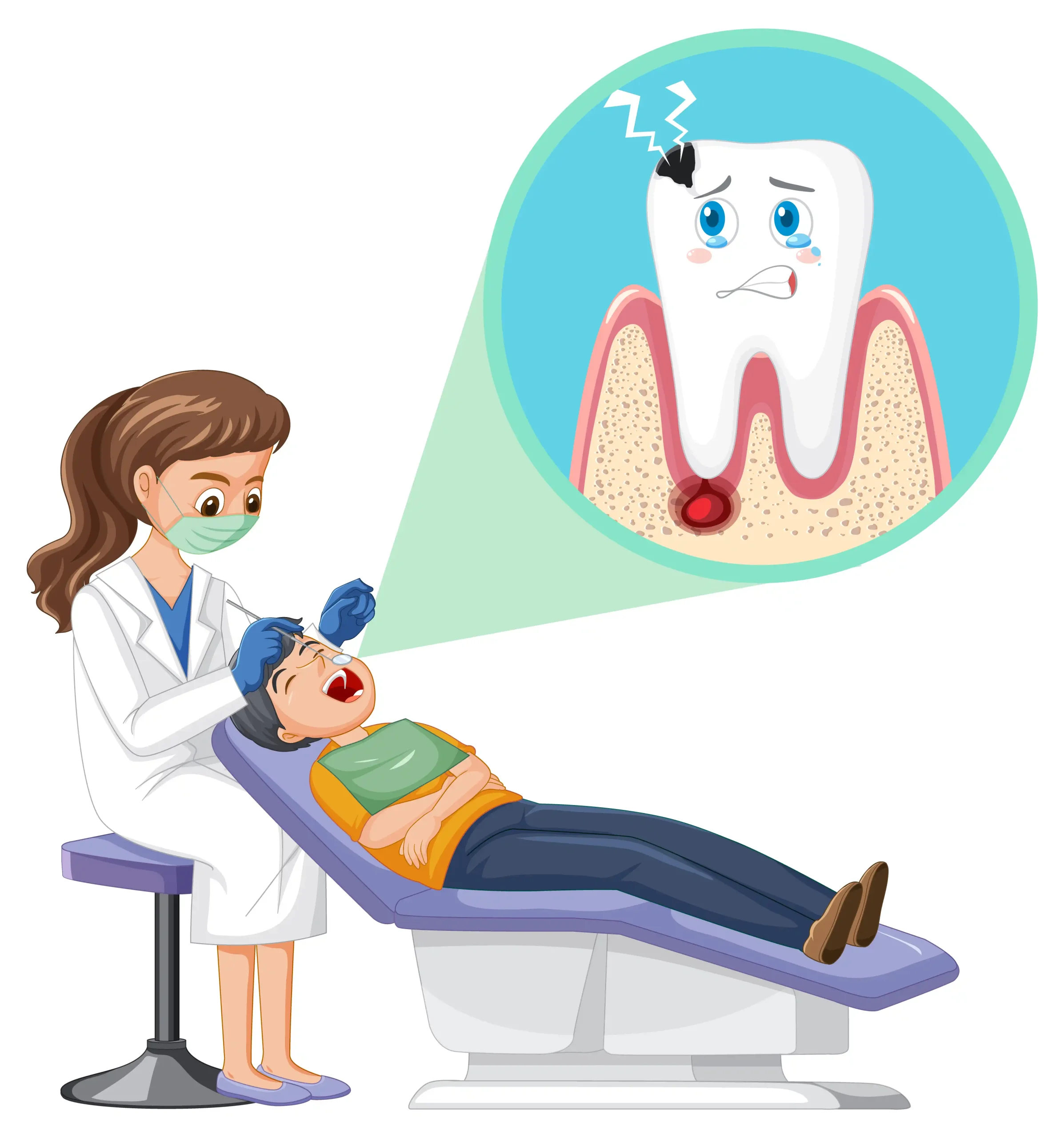
This is something dentists see regularly among patients from Holler Park and nearby areas. A cavity that initially causes no discomfort can gradually worsen and eventually require significantly more complex and costly treatment. The cavity may have progressed to the point where you need Root Canal Therapy followed by a Dental Crown instead of a simple filling.
What Happens During a Filling Appointment?
Most filling appointments are relatively straightforward. The dentist looks at the tooth. Takes out the part that is decayed. The area is cleaned well. Then put the filling material and shape it. The filling is then made hard. Adjusted so it feels good when you bite down.
Many appointments can be finished in an hour. You can usually get back to normal fast, and most people go back to their daily routines right away after the appointment.
Filling Replacement Cost
Fillings are strong, but they don’t last forever. They can wear out over time. This can cause restorations to crack or become loose. Decay can also form around the edges. The cost to replace a filling is usually similar to getting a new filling. If the replacement is large, you might need extra treatment. Replacement costs for teeth can be higher when the tooth has a lot of damage, like when many surfaces of the tooth are affected.
Decay Treatment Cost: Why Prevention Matters
The decay treatment cost is often much lower when cavities are caught early. Preventive care helps find problems before they get big. Regular Dental Cleanings and exams help dentists detect cavities before they become larger and more expensive to treat.
One thing I have noticed again and again is that patients often wait until they feel some discomfort. Unfortunately pain usually means the tooth cavity has already got bad. If we detect problems early, it usually saves both time and money in the long run.
Does Dental Insurance Cover Fillings?
Dental insurance plans usually help pay for things like fillings. Dental insurance will pay for some of the cost of dentures; it could be 50%. It could be 80%. It really depends on things, like how dental insurance you can use in a year how much you have to pay before dental insurance kicks in.
Patients should check what their insurance covers before getting treatment. This is because insurance plans are different and can be confusing. Knowing what you are covered for can help you avoid medical bills.
Cavity Repair Cost vs Waiting Too Long
Many people delay treatment because the cavity isn’t painful or because they hope the problem will improve on its own. Unfortunately, cavities don’t heal naturally.
The cavity repair cost of a simple filling may seem inconvenient at first, but waiting can become far more expensive. A small cavity today can become a much bigger problem later and may require a Root Canal Therapy Dental Crown and Tooth Extractions
Tooth Repair Fee: What Are You Really Paying For?
The tooth repair fee includes much more than the filling material itself.
Treatment fees often cover:
- Clinical examination
- Diagnostic imaging when necessary
- Local anesthesia
- Removal of decay
- Follow-up recommendations
- Placement and shaping of the filling
- Bite adjustments
A Practical Way to Look at Filling Costs
The cost of dental fillings can range from under $100 to several hundred dollars per tooth, depending on the material, the size of the cavity, and individual treatment needs. While tooth-colored composite fillings generally cost more than silver fillings, many people value their natural appearance and ability to preserve healthy tooth structure. The biggest expense often comes from delaying treatment. Addressing cavities early usually keeps treatment simpler, less invasive, and considerably less expensive than waiting until more extensive damage develops.
Frequently Asked Questions
1. How much does a dental filling cost on average?
The cost of a dental filling typically ranges from $50 to $2,500 per tooth, depending on the material used. Silver fillings are generally the least expensive, while ceramic and gold fillings usually cost more.
2. How much is a tooth filling without insurance?
Without insurance, a tooth filling can cost anywhere from $50 to $300 for a silver filling and $100 to $500 for a composite filling. More advanced materials can cost significantly more.
3. Does dental insurance cover fillings?
Most dental insurance plans cover 50% to 80% of the cost of fillings. Coverage varies based on factors such as deductibles, annual maximums, waiting periods, and network restrictions.
4. Why are composite fillings more expensive than silver fillings?
Composite fillings usually cost more because they are tooth-colored, require more precise placement, and bond directly to the tooth. Many patients choose them for their natural appearance, especially on visible teeth.
5. What happens if I delay getting a cavity filled?
Delaying treatment can allow the cavity to worsen and may eventually require more extensive procedures, such as a larger filling, root canal therapy, a dental crown, tooth extraction, or even tooth replacement.