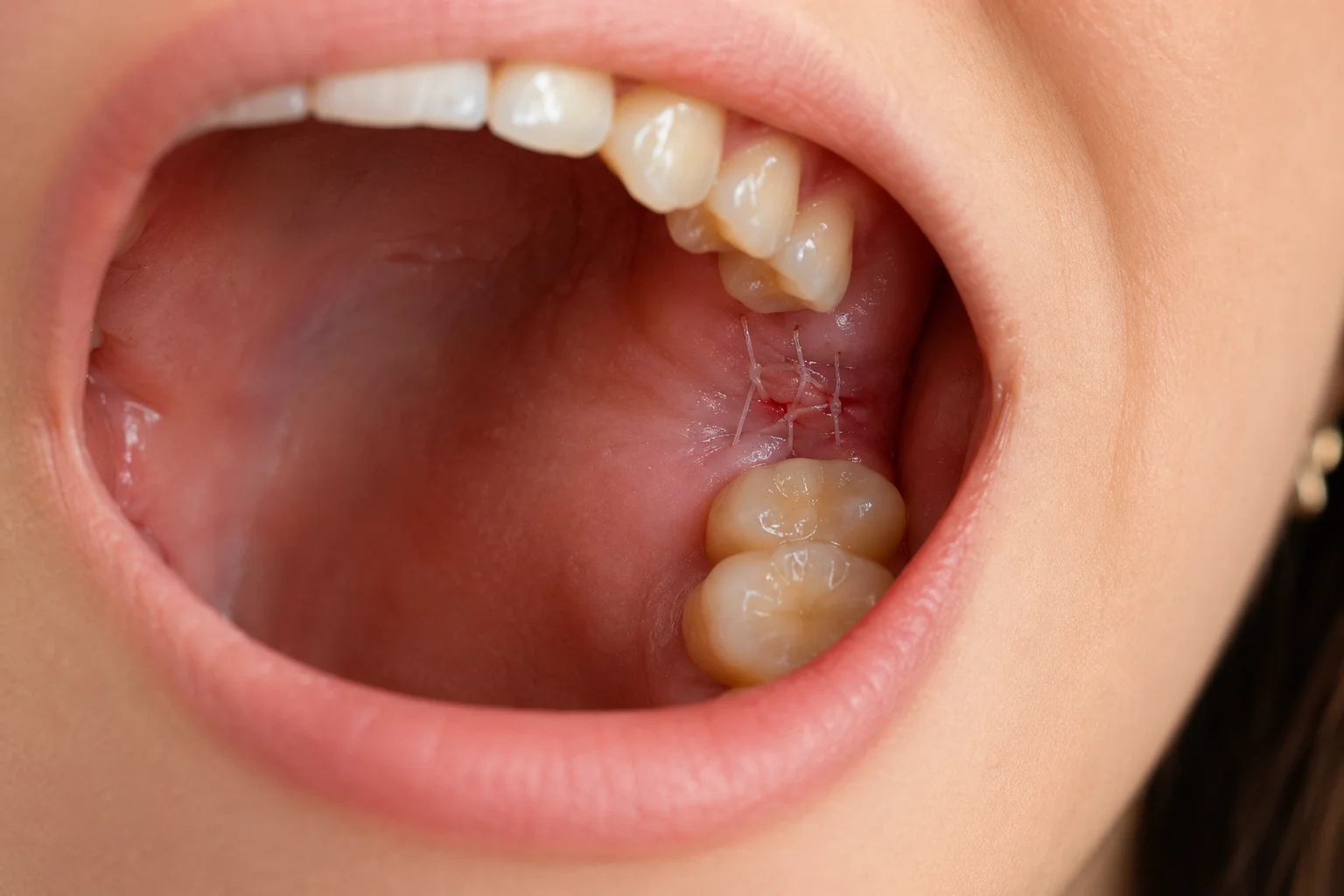
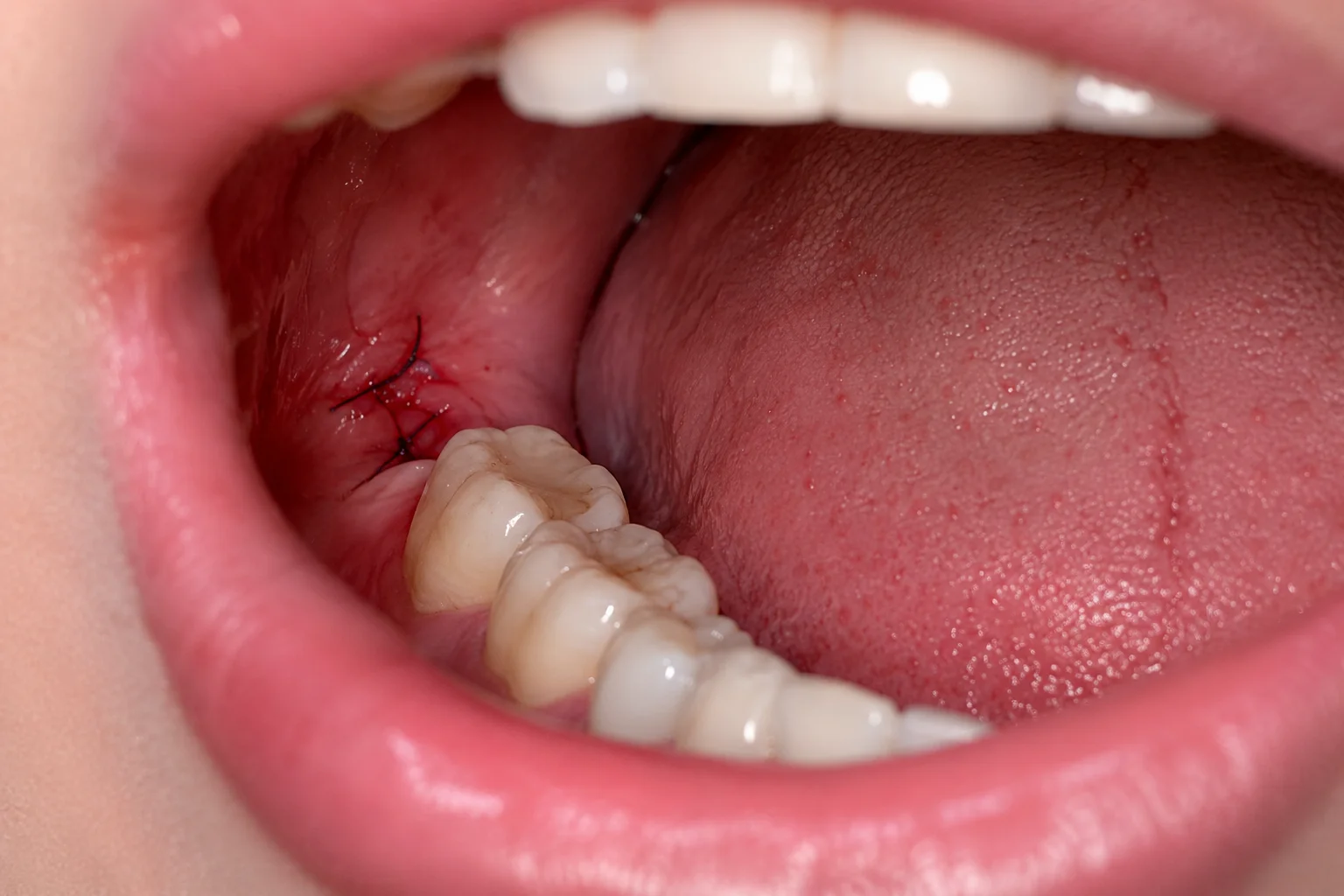
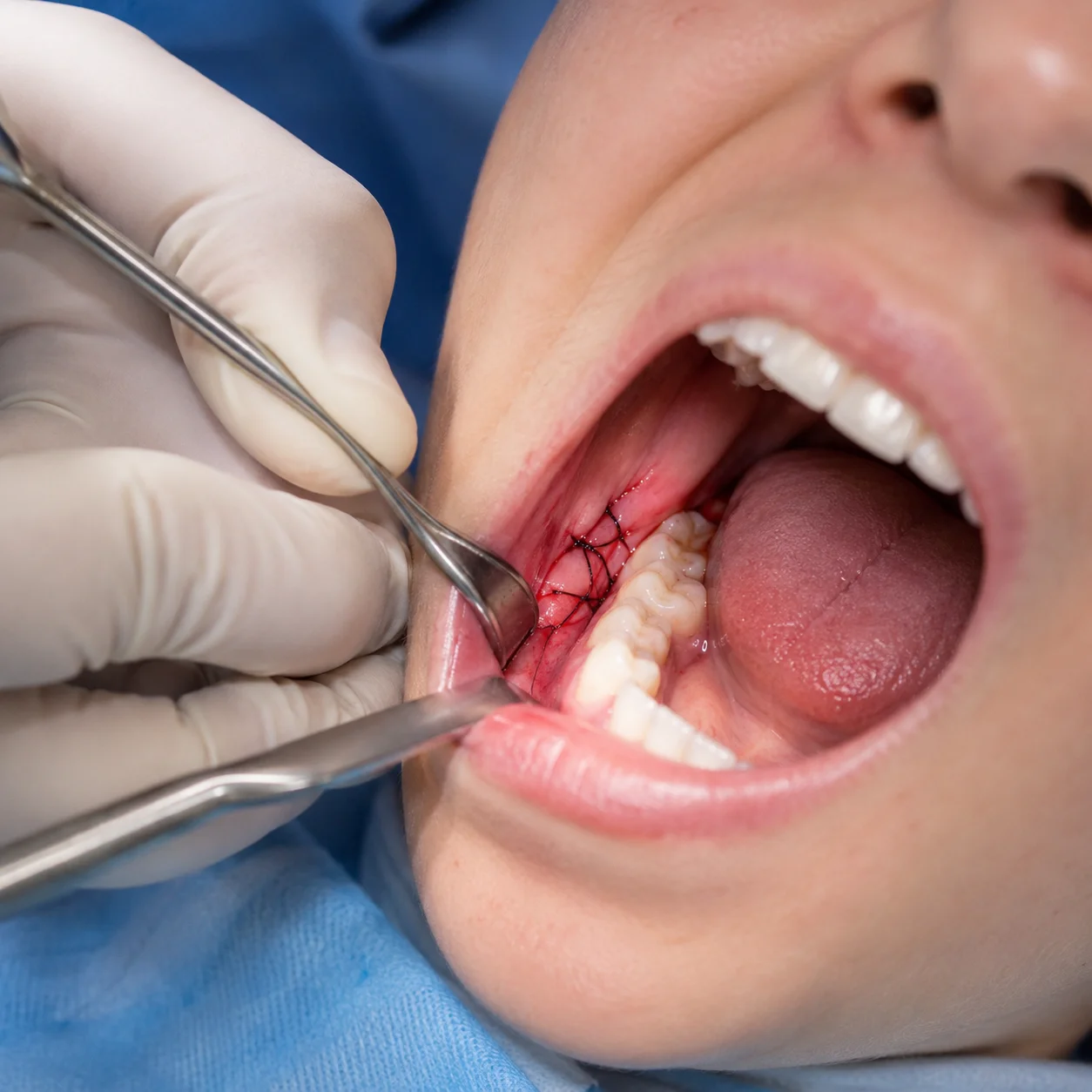

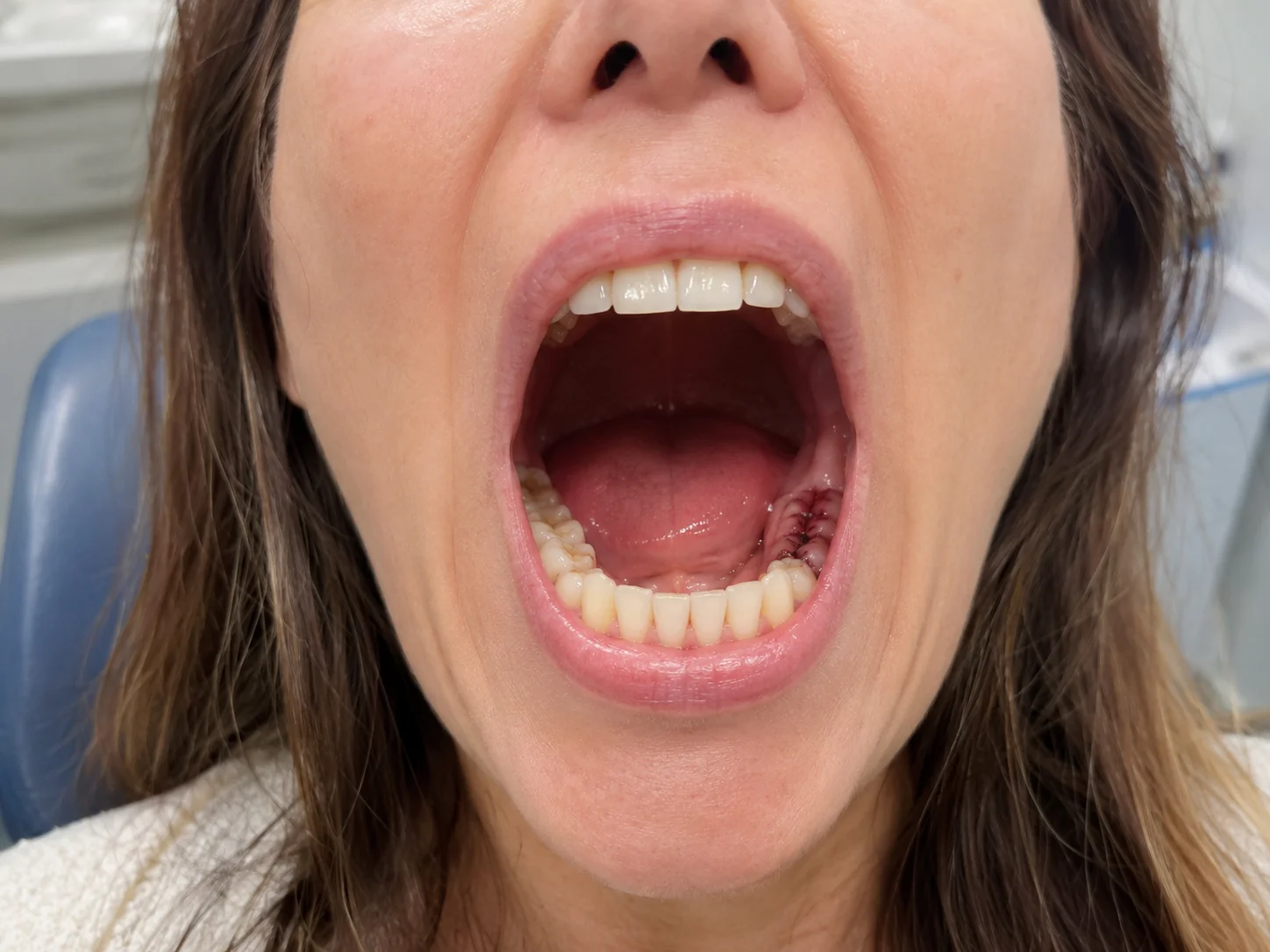

Getting a tooth removed can leave you wondering what happens next. You may feel soreness, notice some swelling, or worry about how long your gums will take to heal. These concerns are common, especially if this is your first tooth extraction.
The good news is that tooth extraction healing usually follows a predictable process. Most people begin feeling better within a few days, although the extraction site takes longer to heal completely. Knowing what to expect and how to care for your mouth can make recovery more comfortable.
At South Shore Dentistry & Implants, patients can receive guidance about caring for their mouths following dental treatment. This guide explains the different healing stages, recovery time, first-night care, and warning signs that should not be ignored.
What Happens During Tooth Extraction Healing?
Tooth extraction healing begins as soon as a dentist removes your tooth. The area where the tooth was located is called the tooth socket. Your body immediately starts protecting this space and repairing the surrounding gum tissue.
One of the first changes is the formation of a blood clot. This clot covers the exposed area, helps stop bleeding, and supports the healing process.
Over the following days, your body gradually replaces the clot with new healing tissue. The gums begin closing over the socket, while the bone underneath continues repairing itself.
The process happens in stages. You may feel comfortable eating and returning to regular activities before the area has fully healed.
Tooth Extraction Healing Stages: What to Expect
Knowing about the healing stages of tooth extraction can help you recognize normal changes and identify possible problems.
Stage 1: First 24 Hours After Extraction
The first day is important because your body forms a blood clot to protect the extraction socket. You may experience mild bleeding, soreness, swelling, or tenderness. Some blood mixed with saliva is normal during the first few hours.
Your dentist may place gauze over the socket to control bleeding. Avoid vigorous rinsing, spitting, smoking, using a straw, or touching the area to protect the blood clot.
Stage 2: Days 2–3 — Early Tissue Healing
During the second and third days, your gums begin repairing themselves. Some swelling and discomfort may still be present, especially after a surgical extraction. Swelling may reach its highest point during this period.
You may notice mild jaw stiffness, tenderness when chewing, slight bruising, or a white or yellowish layer of healing tissue over the socket.
This light-colored layer is not always a sign of infection. However, severe pain, pus, fever, or symptoms that continue getting worse should be checked by a dentist.
Stage 3: Days 4–7 — Gum Recovery
For many people, noticeable improvements happen during the first week. Swelling and discomfort should generally begin decreasing. Eating may become easier, and you may feel comfortable returning to more normal daily activities.
The gum tissue continues growing over the socket, but the opening may still be visible. Continue eating carefully and avoid placing sharp or crunchy food directly against the healing area.
If sutures were used, understanding how long dissolvable stitches take to dissolve can help you avoid mistaking normal loosening for a problem.
Stage 4: Weeks 2–3 — Gum Tissue Continues Closing
During the next couple of weeks, the gums usually become less sensitive, and the socket gradually gets smaller.
Many uncomplicated extraction sites show substantial soft-tissue healing during this period. However, larger sockets, molar extractions, and surgical extractions may need additional time.
You might still notice a small indentation where the tooth was removed. This does not necessarily mean something is wrong.
Continue keeping the surrounding teeth clean and follow any special instructions given by your dentist.
Stage 5: Following Weeks and Months—Bone Healing
Even when your gums look normal, healing continues underneath the surface. The jawbone slowly fills in and changes shape around the former tooth socket. This process can take several months.
If you plan to replace your missing tooth with a dental implant, your dentist may recommend an examination or imaging to evaluate the bone and determine the appropriate treatment timing.
Once healing is far enough along, replacement options may also include a dental bridge supported by neighboring teeth or dentures when several teeth are missing.
How Long Does Tooth Extraction Healing Take?
The time needed for extraction recovery depends on the tooth being removed and the complexity of the procedure.
Here is a general guide:
| Recovery Period | What Usually Happens |
|---|---|
| First 24 hours | Blood clot forms and early healing begins |
| Days 2–3 | Tenderness and swelling may still be present |
| Days 4–7 | Pain and swelling generally begin improving |
| Weeks 2–3 | Gum tissue continues closing over the socket |
| Following weeks | Deeper tissues continue repairing |
| Several months | Bone healing and remodeling continue |
| These are general estimates rather than exact deadlines. Some patients heal faster, while others need more time. |
If you are still planning the procedure, our guide to tooth extraction cost explains the factors that commonly affect the price.
First Night After Tooth Extraction: Important Care Tips

The first night after tooth extraction can feel uncomfortable because the numbness from the procedure begins wearing off. You may notice soreness or have questions about sleeping, eating, and keeping the area clean.
A few simple precautions can help protect the extraction site.
Keep Your Head Slightly Elevated
Try sleeping with your head raised on an extra pillow if it feels comfortable. Keeping your head slightly elevated may help limit swelling and minor bleeding during the first night. If possible, avoid sleeping with direct pressure against the extraction area.
Do Not Disturb the Blood Clot
Avoid touching the socket with your fingers or tongue. You should also avoid forceful spitting, vigorous rinsing, or using a straw during the first 24 hours. These actions can disturb the blood clot and increase the risk of a painful condition known as dry socket. If your wisdom tooth stitches fall out, do not pull at the area; contact your dentist if the wound opens, bleeding restarts, or pain increases.
Take Pain Medication as Directed
Some discomfort is normal as the local anesthetic wears off. Take any prescribed or recommended pain medication according to your dentist’s instructions. Do not exceed the recommended dose.
Choose Soft, Comfortable Foods
If you feel hungry and your dentist has allowed you to eat, choose foods that do not require much chewing. Good choices may include yogurt, applesauce, mashed potatoes, scrambled eggs, or lukewarm soup.
Avoid very hot foods and drinks, especially while your mouth is numb. You could accidentally burn your mouth without realizing it.
Get Enough Rest
Avoid strenuous exercise, heavy lifting, or other physically demanding activities on the day of your extraction. Rest gives your body time to begin the healing process and can help prevent unnecessary bleeding.
Tooth Pulled Care After Extraction: Simple Recovery Tips
Proper aftercare helps protect the blood clot, keeps your mouth clean, and supports the healing process.
1. Keep Your Mouth Clean
Keep your mouth clean by brushing gently around the extraction site without disturbing it. After 24 hours, you can usually rinse with warm saltwater, unless your dentist advises otherwise.
2. Apply a Cold Compress When Needed
If you experience swelling, gently hold a cold compress against the outside of your cheek. Use it for short periods with breaks between applications. Keep a cloth between the cold pack and your skin. Cold compresses are often most helpful during the early recovery period.
3. Stay Hydrated
Drink enough water throughout the day. Water helps you stay hydrated without irritating the extraction site. Take small, comfortable sips and avoid using a straw during the early healing period.
4. Eat Foods That Are Easy to Chew
Choose foods that place little pressure on the healing socket. As discomfort improves, gradually return to your usual diet. Try chewing on the opposite side of your mouth until the extraction area feels comfortable.
5. Avoid Tobacco Products
Smoking and tobacco use can slow healing and increase the risk of dry socket. Avoid smoking and vaping during recovery, and ask your dentist when it is safe to resume.
6. Follow Your Dentist’s Instructions
Every extraction is different. Your instructions may vary based on the tooth removed, your medications, and your medical history. If dissolvable stitches were placed after the extraction, follow the specific cleaning and activity guidance your dentist provides.
Best Foods to Eat During Tooth Extraction Recovery

Eating the right foods can make recovery more comfortable and reduce irritation around the healing socket.
During the first few days, focus on soft foods that are easy to swallow and chew.
| Foods to Consider | Foods to Avoid Initially |
|---|---|
| Yogurt | Chips and crackers |
| Mashed potatoes | Hard nuts |
| Scrambled eggs | Crunchy toast |
| Applesauce | Sticky candy |
| Soft pasta | Tough or chewy meat |
| Lukewarm soup | Very hot soup |
| Smoothies eaten with a spoon | Drinks consumed through a straw |
| You do not need to follow a soft-food diet forever. Return to more solid foods gradually as your mouth becomes comfortable. |
Common Mistakes That Can Delay Tooth Extraction Healing
Small mistakes during recovery can irritate the extraction site or disturb the protective blood clot.
Rinsing Too Soon
Some patients try to clean their mouths immediately after extraction. However, forceful rinsing during the first 24 hours can disturb the clot. Follow your dentist’s instructions before beginning gentle saltwater rinses.
Drinking Through a Straw
Using a straw creates suction inside your mouth. This pressure may dislodge the blood clot. Drink directly from a cup while the extraction site is in its early healing stage.
Eating Hard or Crunchy Food
Hard foods may scrape the healing gums, while small food particles can become trapped in the socket. Choose soft foods until chewing becomes comfortable and your dentist allows a normal diet.
Touching the Extraction Area
It can be tempting to check the socket repeatedly with your tongue or fingers. However, touching the area can irritate healing tissue and may disturb the clot. Leave the socket alone and allow it to heal naturally. If you are concerned about wisdom tooth stitches coming out early, contact the dental office rather than trimming or removing them at home.
Returning to Exercise Too Quickly
Heavy exercise can increase blood pressure and may trigger additional bleeding. Take it easy for the first day and follow your dentist’s advice about returning to exercise, particularly after surgical tooth removal.
Normal Healing vs. Signs of a Problem
Knowing the difference between expected symptoms and possible complications is an important part of tooth extraction recovery.
| Usually Normal During Early Healing | Signs That Need Dental Attention |
|---|---|
| Mild soreness | Severe or worsening pain |
| Slight bleeding or blood-stained saliva | Bleeding that does not stop with firm pressure |
| Mild swelling | Swelling that keeps worsening |
| Temporary jaw stiffness | Fever or pus |
| A gradually shrinking socket | Strong bad taste or odor with worsening pain |
| Discomfort that improves over time | Pain that gets worse after initially improving |
Contact your dentist promptly if you experience increasing pain, signs of infection, or persistent bleeding. If bleeding will not stop, swelling spreads rapidly, or you have trouble breathing or swallowing, seek help from an emergency dentist or emergency medical service.
Dry Socket After Tooth Extraction
Dry socket is a painful condition that can affect tooth extraction healing when the protective blood clot becomes loose, falls out, or fails to form properly. Without this clot, the underlying bone and nerve endings become exposed, causing pain and delaying recovery.
Dry socket usually develops within the first few days after tooth extraction. Symptoms include severe, throbbing pain that may spread to the ear or jaw, an unpleasant taste or smell, and a socket that appears empty. Worsening pain after initial improvement can also be a warning sign.
If you notice these symptoms, contact your dentist promptly. Treatment may include cleaning the socket and applying a medicated dressing. Following aftercare instructions, avoiding smoking, and protecting the blood clot can help reduce the risk of dry socket.
When Can You Return to Normal Activities?
Many people can return to light daily activities within one or two days after a simple tooth extraction. However, recovery time depends on the procedure and your overall health.
If your job involves heavy lifting or physical labor, you may need extra rest. Avoid strenuous exercise during early healing and follow your dentist’s instructions.
Start with soft foods and gradually return to your normal diet as your mouth heals. If you had a surgical extraction or received sedation, you may need additional precautions.
Conclusion
Tooth extraction healing is a gradual process that begins with blood clot formation and continues as the gums and bone repair themselves. While most people start feeling better within several days, complete healing takes longer.
The best way to support recovery is to protect the blood clot, keep your mouth clean, eat soft foods, avoid tobacco, and follow your dentist’s aftercare instructions. Pay attention to any unusual symptoms and seek dental advice if your pain or swelling becomes worse.
If you live in Cudahy or a nearby community and have questions about tooth removal or recovery, a dental examination can help you understand your treatment options and receive personalized aftercare guidance.
Frequently Asked Questions About Tooth Extraction Healing
1. How long does it take for the hole to close after tooth extraction?
The visible opening often becomes smaller over the first few weeks, but larger sockets can take longer to close. Healing beneath the gums continues for several months as the jawbone repairs itself. The exact timeline depends on the tooth removed and the type of extraction.
2. Is it normal to have pain three days after tooth extraction?
Some soreness can still be normal on the third day, especially after a difficult extraction. However, the pain should generally begin improving. Severe pain, pain that suddenly worsens, or discomfort accompanied by an unpleasant smell or taste should be evaluated by a dentist.
3. How do I know if my tooth extraction is healing properly?
Signs of normal healing include gradually decreasing pain, less swelling, reduced tenderness, and gum tissue beginning to cover the socket. A small opening may remain visible for some time. If you develop worsening pain, persistent bleeding, fever, or unusual discharge, contact your dentist for an examination.
4. Can I brush my teeth during tooth extraction healing?
Yes, you can brush your teeth after an extraction, but be gentle around the healing area. Avoid brushing directly over the socket during the first 24 hours. Continue cleaning your other teeth to maintain good oral hygiene. Follow your dentist’s instructions when cleaning near the extraction site.
5. What is the fastest way to heal after tooth extraction?
The best way to support tooth extraction healing is to follow your dentist’s aftercare instructions. Get enough rest, eat soft foods, drink water, and keep your mouth clean. Avoid smoking, drinking through a straw, and touching the extraction site. Healing takes time, so do not rush the process.
6. When can I eat normally after tooth extraction?
Many people can gradually return to regular foods within several days to a week after a simple extraction. However, recovery may take longer after surgical tooth removal. Start with soft foods and avoid hard, crunchy, or chewy foods until the extraction area feels comfortable. Follow your dentist’s specific advice.
7. Why is my tooth extraction hole still open after two weeks?
It is common for the extraction socket to remain partially open after two weeks, especially when a large tooth has been removed. The gums gradually close over the area, while the bone underneath takes several months to heal. If you experience increasing pain, swelling, discharge, or a bad smell, contact your dentist.