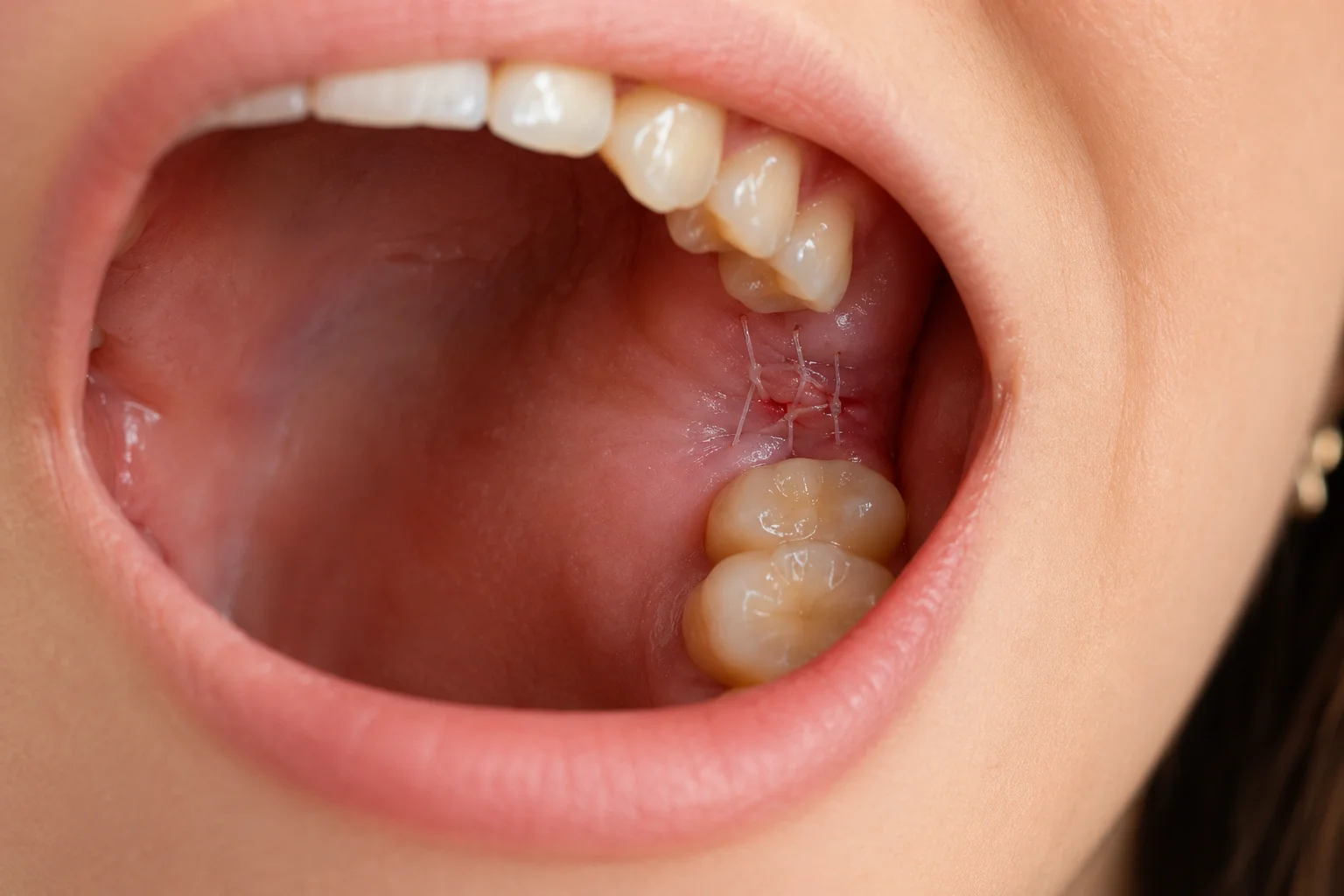
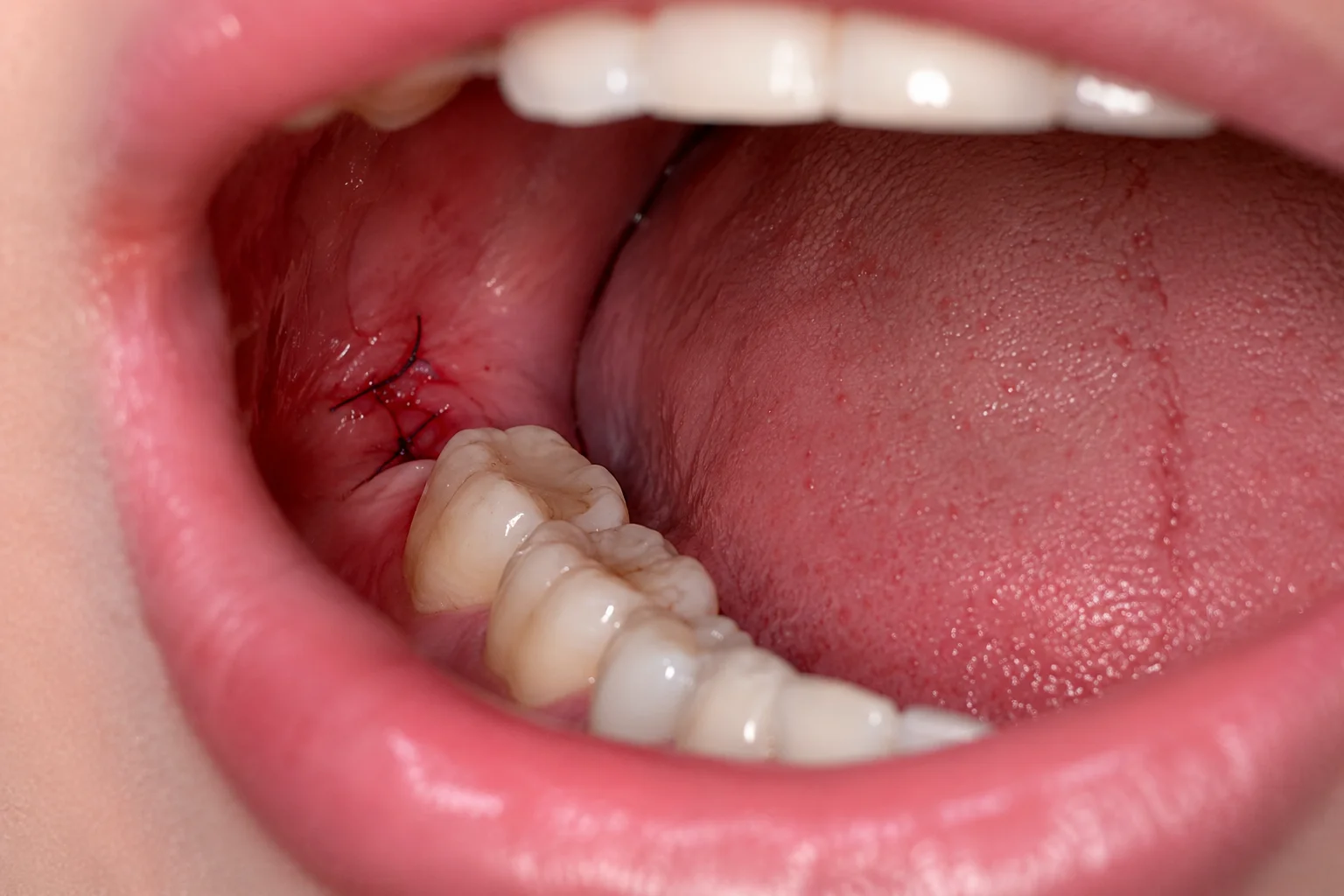
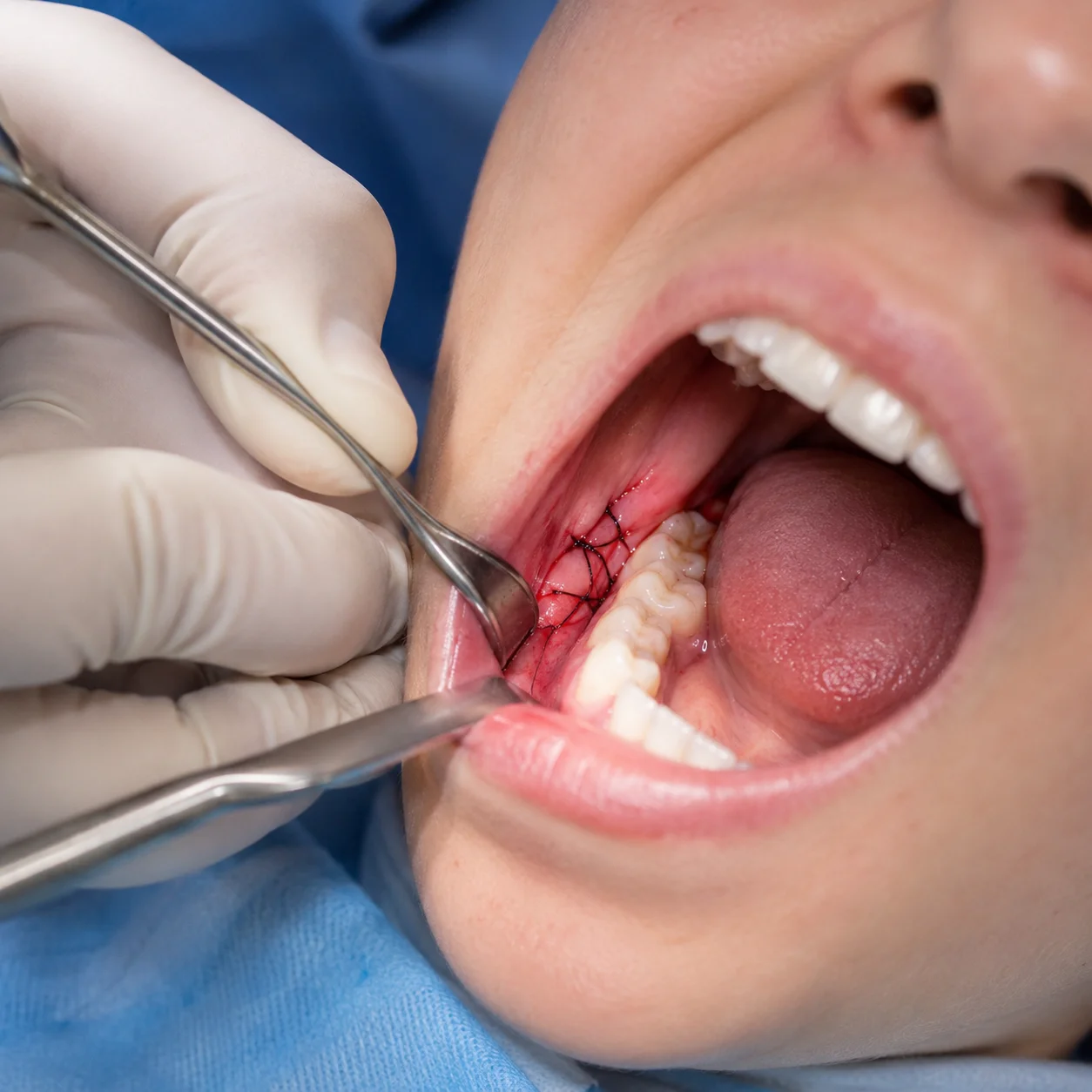
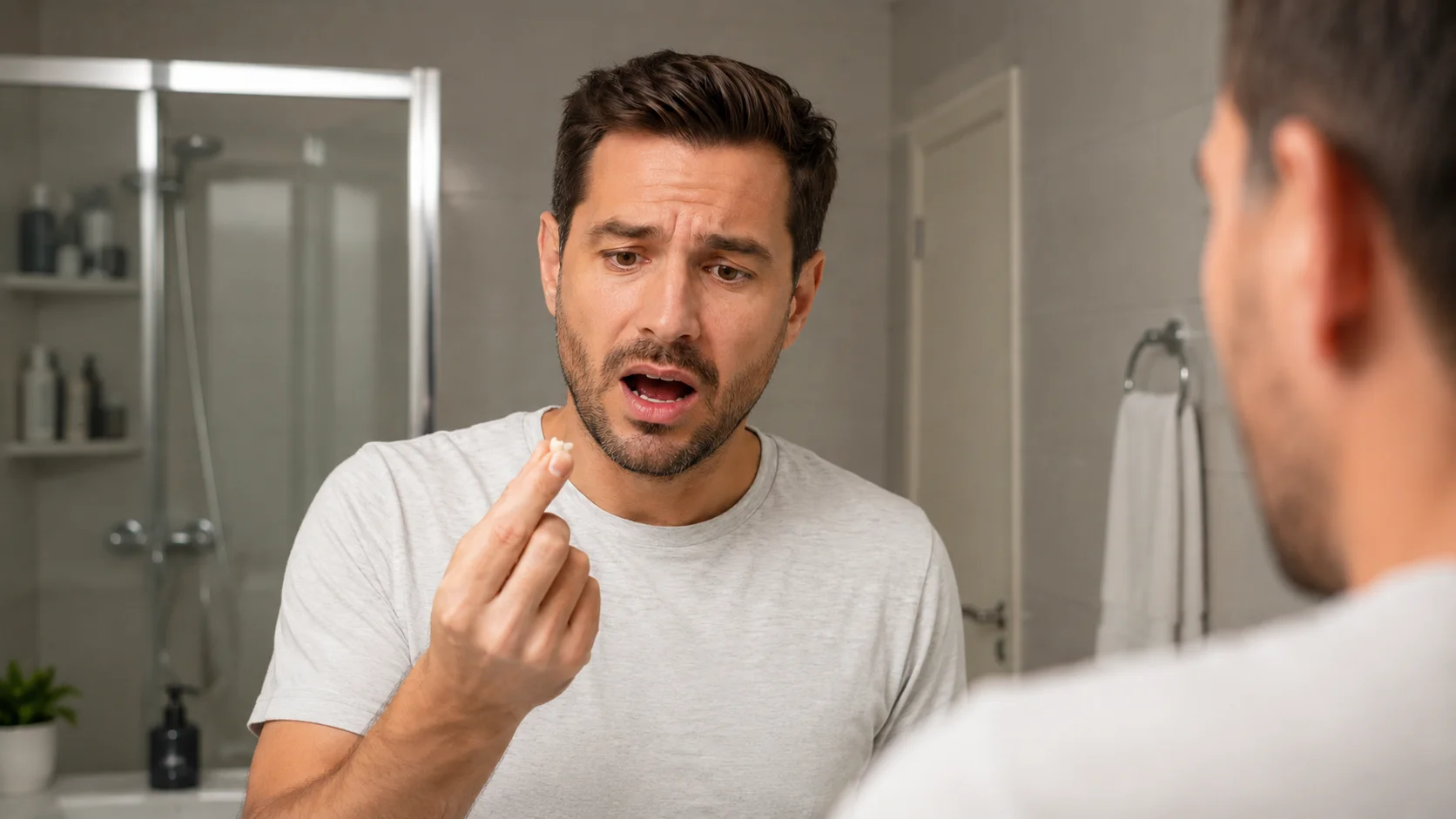
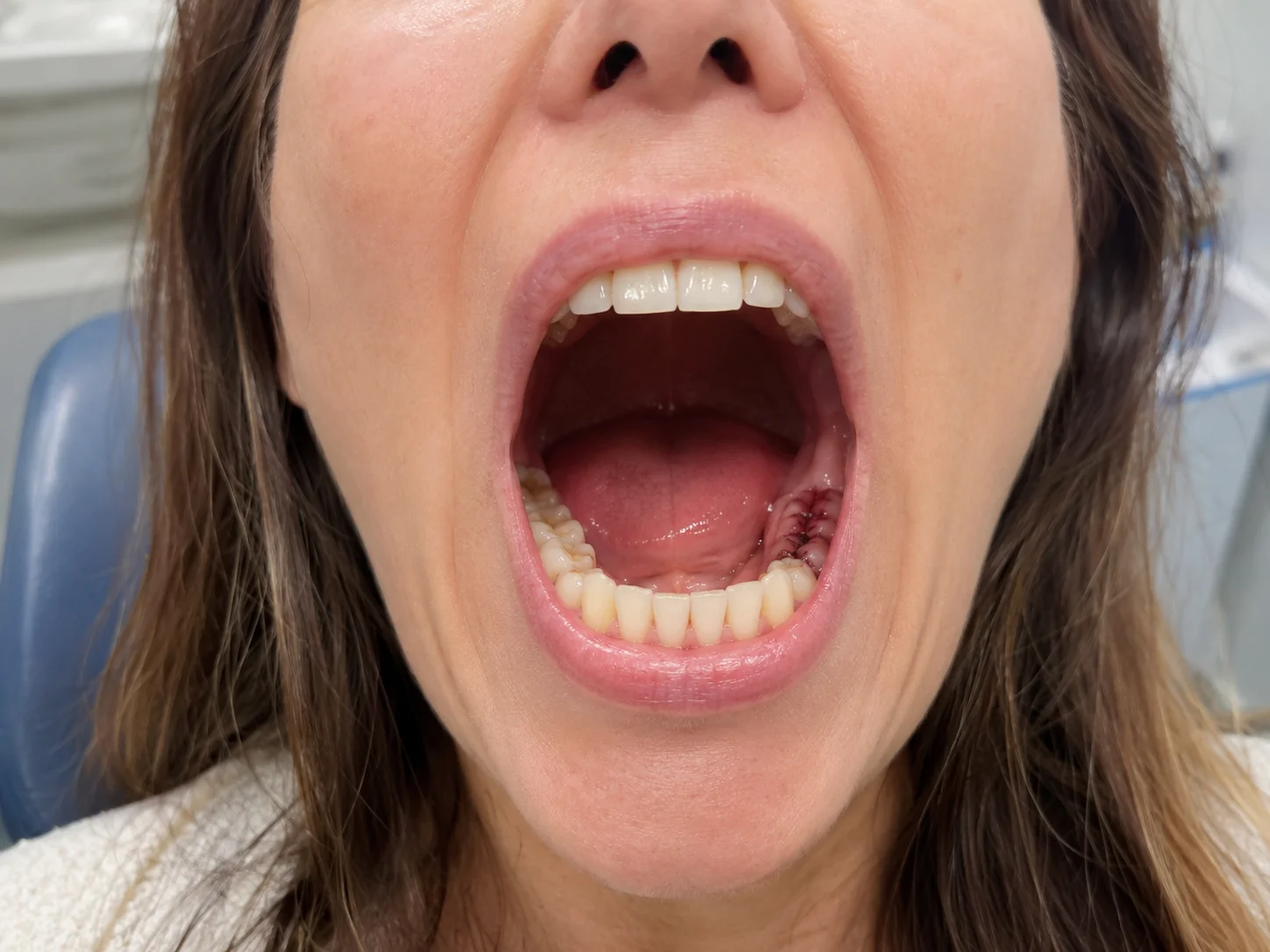

A dental cleaning usually feels like a reset button for your mouth. You go in with buildup, leave with a smoother smile, and expect everything to feel better instantly. But for some people, the opposite happens for a short while teeth hurt after cleaning, sometimes right away and sometimes a few hours later. Cold drinks feel sharper, gums feel a bit swollen, and chewing doesn’t feel as effortless as expected.
This article breaks down what’s actually happening inside the mouth, and how to tell the difference between normal recovery and something that needs attention.
What Happens During a Dental Cleaning
A professional cleaning removes plaque, tartar, and surface stains that regular brushing can’t fully eliminate. Even if your teeth look clean, hard deposits often build up slowly along the gumline and between teeth.
Once these layers are removed, the mouth goes through a short adjustment phase. That’s often when teeth hurt after cleaning, because surfaces that were previously covered are suddenly exposed to air, temperature changes, and pressure again.
This process isn’t damaging to the teeth. In fact, it’s a sign that hidden buildup has been cleared away. But the nerves inside the teeth and the surrounding gum tissue need time to settle.
Why Teeth Hurt After Cleaning (Main Causes)

1. Exposure of sensitive tooth layers
When the dentist removes the tartar the hidden enamel gets visible. In some cases the dentin layers underneath become more sensitive. The dentin has microscopic tubules that are connected to the tooth’s nerve. The tooth’s nerve is what makes the tooth feel pain.
So when cold water or air hits the teeth, the sensation travels faster. This is one of the main reasons teeth hurt after cleaning, especially in the first 24–48 hours.
2. Gum irritation after scaling
Gums can be a little swollen. You might not even notice. Plaque can build up along your gums for months. Slowly irritate the tissue.
During cleaning, instruments remove this buildup, which is good—but the gums can feel tender afterward. That’s why brushing or eating slightly firm foods may feel uncomfortable.
When teeth hurt after cleaning, the gums are often part of the reason, not just the teeth themselves.
3. Temporary nerve sensitivity
Teeth are not just solid structures in our mouth. They have nerves inside that feel changes in temperature and pressure. When you clean your teeth these nerves can get more sensitive. This is because the stuff that builds up on them and protects them is gone.
This is why cold drinks, sweet foods, or even breathing through the mouth can create a quick, sharp sensation. It usually settles as the teeth adjust to being clean again.
4. Heavy tartar removal effect
If there was a lot of buildup before cleaning the sensitivity usually gets worse after. A thick layer of tartar can actually protect your teeth even though it’s not good for you.
Once removed, teeth may feel “different” or even slightly loose for a short time. This sensation is temporary, but it can feel more noticeable than expected.
Common Sensations After a Dental Cleaning
Most people don’t feel pain in a severe way. It’s usually mild discomfort or sensitivity that changes throughout the day.
You may notice:
- Sharp sensitivity when drinking cold water
- Mild soreness while chewing harder foods
- Tender gums when brushing
- Slight bleeding during flossing
- A strange “smooth but sensitive” feeling
These symptoms often come and go rather than staying constant. For many patients, teeth hurt after cleaning only for a short period before improving gradually.
When the Discomfort Feels Worse Than Expected

Not everyone experiences the same level of sensitivity. Some people barely notice anything, while others feel it more strongly.
There are a few reasons for stronger reactions:
- Long gaps between dental visits
- Existing gum inflammation
- Thin enamel or naturally sensitive teeth
- Deep cleaning (scaling below the gums)
- Heavy plaque or tartar buildup
Signs That Are Normal vs. Signs to Watch
Normal after cleaning
- Mild sensitivity to cold or hot drinks
- Slight gum tenderness
- Light bleeding when brushing
- Discomfort that improves daily
When to pay attention
- Pain getting worse after 3–4 days
- Swelling that increases instead of reducing
- Sharp pain in a single tooth
- Fever or visible infection signs
- Sensitivity lasting longer than a week
How Long Does Sensitivity Last?
For routine cleanings, sensitivity usually lasts 1 to 3 days. Deep cleanings may take a bit longer, sometimes up to a week, depending on gum condition.
The key pattern is improvement. Even if teeth hurt, the discomfort should slowly decrease rather than stay the same or worsen.
If there’s no gradual improvement, it’s worth getting a follow-up check.
How to Reduce Discomfort After a Cleaning
Use a gentle brushing approach
Brushing harder doesn’t clean better after a professional cleaning. It often irritates already sensitive gums. A soft brush and light pressure are enough while the mouth adjusts.
Switch to sensitivity toothpaste
Toothpaste designed for sensitive teeth helps calm nerve reactions over time. It works best with consistent use rather than immediate results.
Avoid extreme temperatures
Cold water and hot drinks can trigger sensations in your teeth and can cause a lot of pain. Room-temperature foods and drinks are easier and will not hurt your teeth.
Rinse with warm salt water
A mild saltwater rinse is really good for your gums. It can help reduce the swelling. It works very well when teeth are in pain.
Eat softer foods temporarily
Soft meals like rice, yogurt, eggs and soups reduce pressure on sensitive areas. Avoid crunchy foods for a couple of days.
Why Some People Don’t Feel Anything
It’s completely normal for some patients to feel zero discomfort after a cleaning. This usually happens when:
- Cleanings are done regularly
- There’s minimal tartar buildup
- Gums are already healthy
- Enamel is strong and not sensitive
So when others say teeth hurt after cleaning, it doesn’t mean something is wrong—it just reflects different oral conditions.
Why Cold Sensitivity Is the Most Common Complaint
Cold drinks tend to trigger the most noticeable discomfort. That’s because temperature changes travel quickly through exposed dentin and reach the nerve endings inside the tooth.
This reaction is usually short-lived. It fades as the tubules inside the tooth naturally adjust and the gums recover from minor irritation.
Can a Dental Cleaning Damage Teeth?
Routine professional cleanings do not damage healthy teeth. The tools used are designed to remove buildup without harming enamel.
However, cleanings can reveal existing issues such as cavities or cracks that were previously hidden. In those cases, teeth hurt after cleaning because the underlying problem becomes noticeable, not because the cleaning caused it.
Conclusion
When teeth hurt after cleaning, it often feels surprising, but it’s usually a normal short-term response. The mouth is adjusting after buildup removal, and both teeth and gums need a little time to settle. At South Shore Dentistry & Implants, patients are often reminded that mild sensitivity after a cleaning is common, especially when tartar or gum inflammation was present beforehand.
In most cases, the discomfort fades gradually within a few days without any treatment. Paying attention to how the symptoms change helps separate normal recovery from something that needs professional dental care.
FAQs
Why do teeth hurt after cleaning?
Because plaque and tartar removal exposes sensitive areas of the teeth and gums, making them more reactive to temperature changes and pressure. Once these protective layers are cleared, the nerves inside the teeth respond more quickly. This feeling is usually temporary and improves as the mouth adjusts.
Is it normal for teeth to hurt after cleaning?
Yes, mild sensitivity after a dental cleaning is very common. It happens as the teeth and gums adjust after the removal of buildup that had been present for a long time. In most cases, the discomfort settles on its own within a few days.
How long does it last?
For most people, the sensitivity lasts only a few days after a routine cleaning. In cases where a deep cleaning was done, it may take up to a week for the gums and teeth to settle. The key sign is gradual improvement.
Can cleaning cause permanent sensitivity?
No, dental cleaning does not cause permanent sensitivity. However, it can reveal existing issues such as enamel wear, gum recession, or small cavities that were already present. In these cases, the sensitivity comes from the underlying condition.
What helps the most?
Gentle brushing with a soft toothbrush helps reduce irritation and protects sensitive gums during recovery. Using toothpaste designed for sensitivity can calm nerve responses over time. Avoiding very cold foods and drinks for a few days helps ease discomfort.