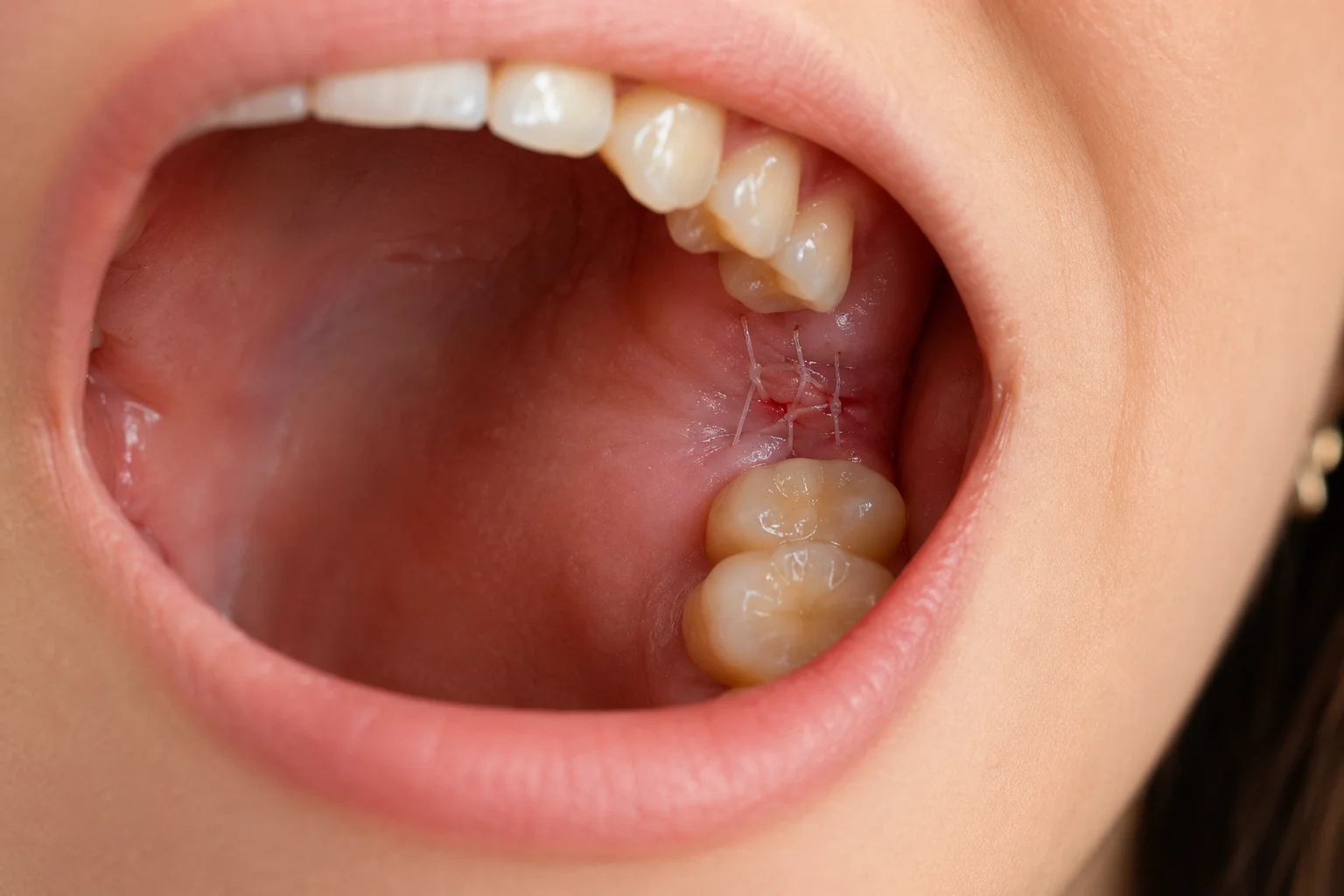
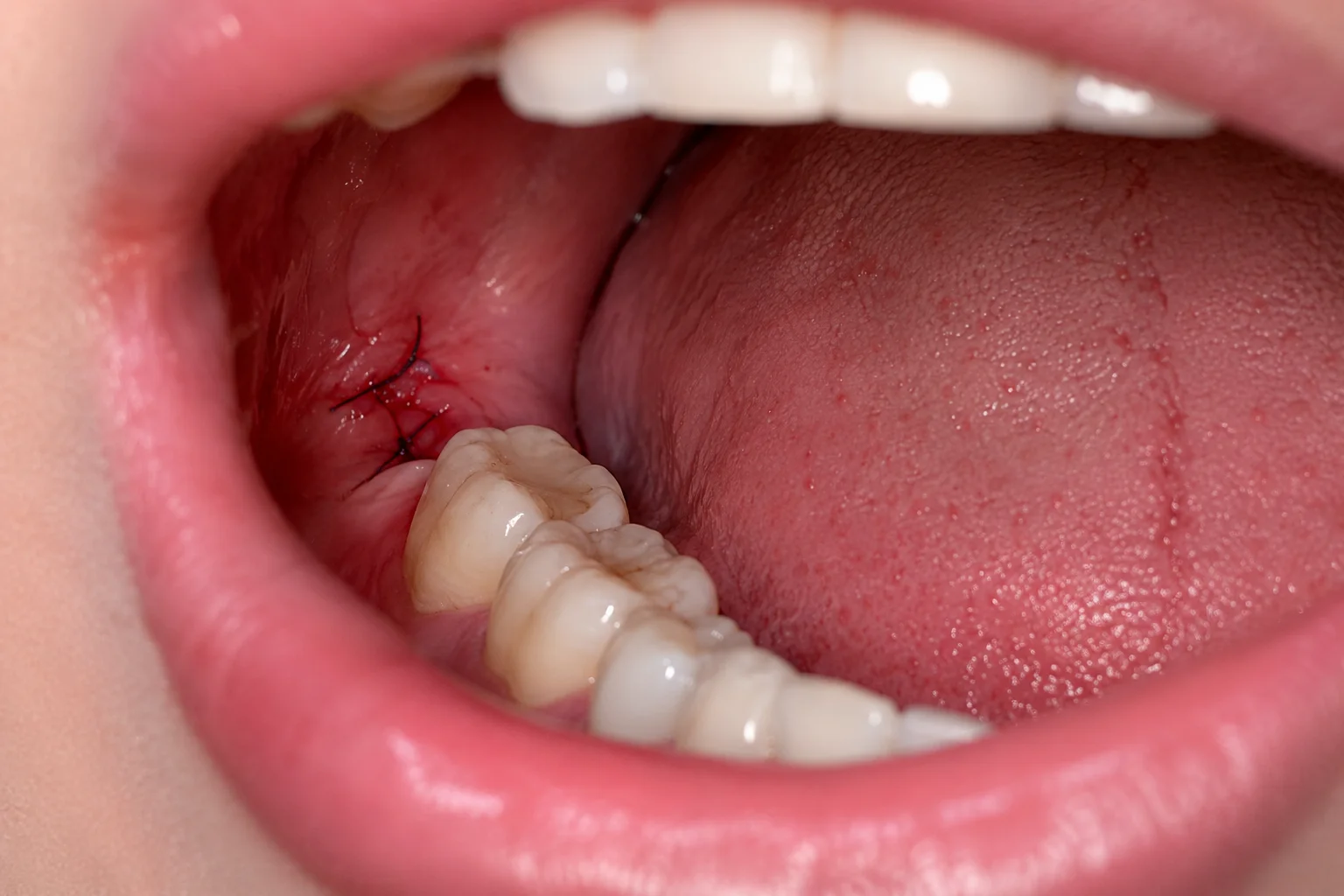




When you have a badly damaged or infected tooth, your dentist may recommend a root canal or tooth extraction. Both treatments can address the problem, but choosing between them isn’t always easy. You might wonder which procedure hurts less, costs less, or offers better long-term results.
The main difference between root canal vs extraction is that a root canal treats the damaged tissue inside your tooth while keeping the natural tooth in place. An extraction removes the entire tooth.
If your tooth can be saved and restored, a root canal is generally the preferred option. However, extraction may be necessary when the damage is too severe.
Knowing how these treatments compare can help you make a more informed decision with your dentist.
Root Canal vs Extraction: What’s the Difference?
A root canal and a tooth extraction are two different ways to address serious dental problems. A root canal removes infected or inflamed tissue from inside the tooth while preserving its structure.
An extraction removes the tooth completely, including its roots. Your dentist may recommend either treatment depending on the condition of the tooth and its supporting tissues.
Both procedures are performed with anesthesia to help manage discomfort. However, they differ in recovery, costs, and long-term effects on your smile. Here’s how they compare.
| Factor | Root Canal | Tooth Extraction |
| Purpose | Saves the natural tooth | Removes the damaged tooth |
| Procedure | Cleans and seals the root canals | Removes the tooth from its socket |
| Pain during treatment | Local anesthesia helps prevent pain | Local anesthesia helps prevent pain |
| Recovery | Usually mild soreness for a few days | Several days of initial healing |
| Cost | Root canal plus filling or crown | Extraction plus possible replacement |
| Tooth replacement | Usually not needed | May need an implant, bridge, or denture |
| Long-term outcome | Preserves the natural tooth | Leaves a space unless replaced |
What Is a Root Canal and When Is It Needed?
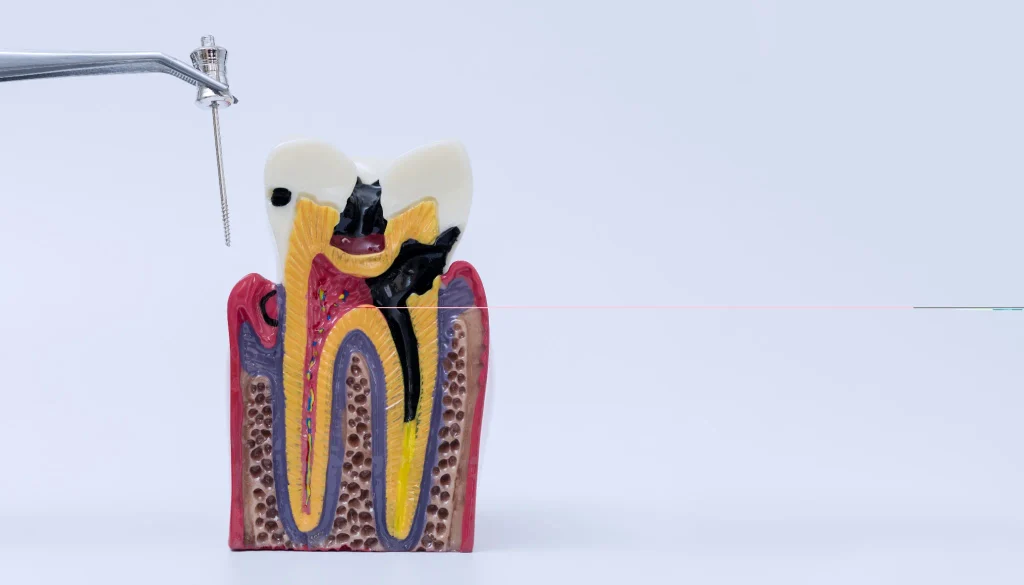
A root canal is a dental procedure that treats infection or inflammation inside a tooth. The inner portion, called the pulp, contains nerves, blood vessels, and connective tissue. When this tissue becomes infected or permanently damaged, it can cause tooth pain, sensitivity, swelling, or an abscess.
During treatment, your dentist removes the damaged pulp, cleans and disinfects the canals, and fills them with a special sealing material. The tooth is then restored with a filling or crown to protect it.
A root canal may be recommended when you have:
- Deep tooth decay that has reached the pulp.
- Persistent tooth pain or sensitivity.
- An infected or abscessed tooth.
- A cracked or damaged tooth affecting the pulp.
- Pulp damage caused by a dental injury.
The main benefit is that you get to keep your natural tooth. With proper restoration and care, a root canal-treated tooth can continue functioning for many years.
What Is a Tooth Extraction and When Is It Necessary?
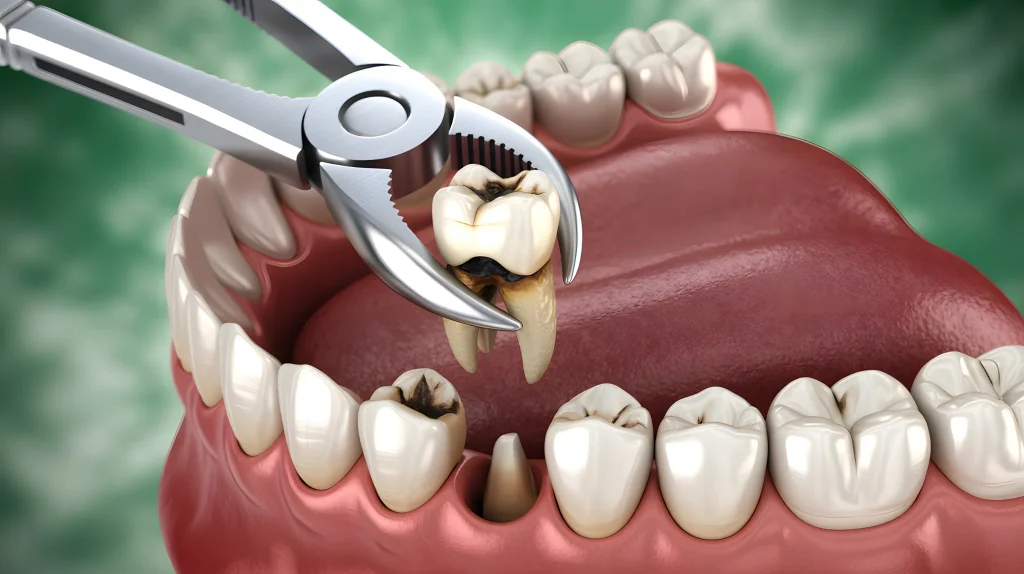
Tooth extraction is a dental procedure that removes a damaged or infected tooth from its socket. It is usually recommended when the tooth cannot be saved through a root canal or other treatment.
Extraction may be necessary due to severe decay, root fractures, advanced gum disease, or unsuccessful previous treatments. Your dentist will assess the tooth before recommending removal.
Advanced gum disease can weaken the tissues and bone supporting your teeth, sometimes making extraction necessary. Learn how gum disease treatment can help protect your natural teeth and maintain healthy gums.
There are two main types of tooth extraction:
Simple Tooth Extraction: A simple extraction is performed when the tooth is visible and easily accessible above the gumline. The dentist numbs the area, loosens the tooth, and gently removes it using dental instruments.
Surgical Tooth Extraction: A surgical extraction is needed when a tooth is broken below the gumline, impacted, or difficult to access. The dentist may make a small incision in the gum or remove some surrounding bone to safely extract the tooth.
Should a Tooth Be Pulled or Have a Root Canal?
When dealing with a badly damaged or infected tooth, you may wonder whether to get a root canal or pull the tooth out. The right choice depends on the extent of the damage, the health of the surrounding gums and bone, and whether the tooth can be restored.
Tooth extraction may be necessary when severe decay, a deep root fracture, or advanced gum disease makes the tooth difficult to save. It may also be recommended when previous treatments have failed and further treatment is unlikely to succeed.
Your dentist will examine the tooth, take X-rays, and check for infection, cracks, and bone loss. Based on these findings, they can recommend whether a root canal or extraction offers the best long-term outcome for your oral health.
Root Canal vs Tooth Extraction: Which Is More Painful?
Both root canal treatment and tooth extraction are performed under local anesthesia to minimize pain. You may feel some pressure during either procedure, but you should not experience sharp pain. Your dentist will make sure the area is properly numb before starting treatment.
After a root canal, you may experience mild soreness or sensitivity when chewing. This discomfort usually improves within a few days. Root canal treatment also helps relieve pain caused by infected or inflamed tissue inside the tooth.
Tooth extraction may cause more discomfort during recovery because the gum and tooth socket need time to heal. Mild swelling, soreness, and bleeding are common afterward. Extraction may involve more postoperative pain than a root canal, especially when surgical removal is required.
Root Canal vs Extraction: Which Costs More?
A simple tooth extraction usually costs less upfront than a root canal. However, the total cost depends on the tooth’s location, treatment complexity, and additional dental work. Root canal treatment may cost more initially, especially for molars with multiple root canals.
After a root canal, you may need a filling or crown to protect the treated tooth. If you choose extraction, replacing the missing tooth with a dental implant, bridge, or partial denture can increase the overall expense. Therefore, saving a natural tooth may be more cost-effective in the long run.
Dental insurance may cover part of the cost of root canals, extractions, and tooth replacements. Coverage varies depending on your plan, deductibles, and annual limits. Ask your dentist for a complete treatment estimate and check your insurance benefits before making a decision.
The cost of removing a tooth depends on the procedure’s complexity, tooth location, and additional treatment needs. Explore the factors that affect tooth extraction costs before planning your dental treatment.
Before choosing a root canal, it’s helpful to understand the treatment expenses involved. Read more about root canal treatment costs and the factors that can influence your final dental bill. before planning your dental treatment.
Root Canal vs Extraction Recovery: What to Expect
Recovery after a root canal is usually faster than after a tooth extraction. Most patients can return to normal activities shortly after treatment, while extraction requires more healing time. Recovery depends on the tooth’s condition, treatment complexity, and overall oral health.
After a root canal, mild soreness or sensitivity may last a few days. Avoid chewing until the numbness wears off, eat soft foods if needed, and avoid hard foods until the tooth is fully restored. Follow your dentist’s instructions and complete any recommended filling or crown.
After tooth extraction, initial healing usually takes several days, while the gum and bone take longer to heal. Eat soft foods, avoid smoking and straws, and do not rinse vigorously during the first 24 hours. Follow your dentist’s instructions to protect the blood clot and prevent complications.
Root Canal vs Extraction for a Back Molar
Choosing between a root canal and extraction for a back molar depends on the tooth’s condition and its role in chewing. Molars handle much of the pressure when eating, so losing one can affect your chewing ability and bite. Nearby teeth may also shift over time if the missing tooth is not replaced.
A root canal is often preferred when the molar has enough healthy tooth structure and strong bone support. Although molar root canals can be more complex due to multiple roots and canals, treatment followed by a crown can help preserve the tooth’s strength and function.
Extraction may be necessary if the molar has severe decay, a root fracture, or damage that cannot be repaired. Wisdom teeth may require a different approach because of their position and function. Your dentist will evaluate the tooth to determine which treatment offers the best long-term outcome.
Can a Tooth That Has Already Had a Root Canal Be Extracted?
Yes. A tooth that has previously received root canal treatment can still be extracted if it develops problems that cannot be successfully treated.
Although root canals are designed to preserve natural teeth, treatment does not guarantee that a tooth will last forever. New decay, a fracture, or persistent infection can sometimes affect a previously treated tooth.
Common reasons for extracting a root-canaled tooth include:
- A fracture that makes the tooth impossible to restore.
- Extensive new decay beneath a filling or crown.
- Persistent infection that cannot be resolved predictably.
- Severe loss of bone or gum support.
However, extracting a root-canalled tooth is not always the only option.
What Happens If You Choose Extraction Instead of a Root Canal?
Tooth extraction permanently removes a damaged tooth and may affect nearby teeth, jawbone health, and chewing ability, especially if the missing tooth is not replaced. If an extracted tooth leaves a gap, a dental bridge may help restore your chewing function and smile. Explore available dental bridge options to learn how missing teeth can be replaced.
Removing a tooth can lead to several changes. Understanding these effects is important when comparing Root Canal vs Extraction and considering your long-term oral health.
Changes in Chewing Ability
Losing a molar can reduce chewing efficiency, especially when multiple teeth are missing. You may find yourself chewing more often on the opposite side of your mouth.
Movement of Nearby Teeth
A gap left by an extracted tooth may allow neighboring teeth to tilt or shift over time. This can affect your bite and sometimes make the space more difficult to restore.
Jawbone Changes
The bone that once supported the tooth can gradually shrink after extraction. Dental implants may help maintain bone around an implant, but the amount of bone change varies from person to person.
Need for Additional Dental Treatment
Replacing a missing tooth may involve several appointments, additional healing, and further costs.
Not every extracted tooth needs replacement. Your dentist can help determine whether replacing it is beneficial based on its position and function.
How to Choose the Right Treatment for Your Tooth
Choosing between Root Canal vs Extraction should be based on a dental examination and a realistic understanding of the expected results. A root canal may help preserve a restorable tooth, while extraction may be the more predictable choice when the tooth cannot be saved.
Before agreeing to either procedure, consider asking your dentist these questions:
- Can my tooth be saved? Find out whether the remaining tooth structure is strong enough for restoration.
- How long is the tooth expected to last? Ask about the likely outcome of the recommended treatment.
- Will I need a crown after a root canal? Understand what is required to protect the treated tooth.
- What is the total treatment cost? Include restorations and potential tooth replacement.
- What happens if I leave the space empty? Ask how losing the tooth could affect your chewing and bite.
- Should I see an endodontist? A specialist’s evaluation may be useful when the tooth is difficult to treat.
Get Your Tooth Evaluated Before Deciding
Tooth pain, swelling, or sensitivity can be signs of a problem that needs professional attention. A dental examination can help identify the cause and determine whether root canal treatment, extraction, or another procedure is appropriate.
Do not delay care if you suspect a dental infection. An untreated abscess can spread to nearby tissues and cause more serious complications. If swelling makes it difficult to breathe or swallow, seek emergency medical care immediately.
A dentist can explain the condition of your tooth, review the available treatment options, and help you understand the expected costs and recovery.
Schedule a dental evaluation to find out whether your tooth can be saved.
Final Thoughts
When comparing root canal vs extraction, the most important question is whether your natural tooth can be saved and remain functional. A root canal is generally preferred for a tooth that can be successfully restored. Extraction is an appropriate option when the damage is too extensive or the tooth has a poor prognosis.
If you are experiencing tooth pain or infection in Cudahy, WI, or the Greater Milwaukee area, South Shore Dentistry & Implants can help you understand your treatment options through a dental evaluation.
Don’t make a permanent decision about your tooth without understanding your options. Visit the dental practice website to request an appointment.
FAQ’s
Is It Better to Get a Root Canal or Pull the Tooth?
When comparing Root Canal vs Extraction, a root canal is generally better when the tooth can be successfully treated and restored. It preserves your natural tooth and helps maintain normal chewing. Extraction may be necessary if the tooth is too damaged or has a poor long-term outlook.
Is Extraction Cheaper Than a Root Canal?
In a Root Canal vs Extraction cost comparison, a simple tooth extraction usually costs less upfront. However, if you need an implant, bridge, or denture afterward, the overall cost can be higher than root canal treatment and restoration.
Which Heals Faster, a Root Canal or an Extraction?
A routine root canal generally has a shorter recovery period. Mild soreness often improves within a few days. In comparison, tooth extraction involves healing of the socket and surrounding tissues, which can take longer.
Can a Badly Infected Tooth Still Be Saved?
Yes. Many infected teeth can be saved with root canal treatment if enough healthy tooth structure and support remain. Your dentist will evaluate the extent of the damage before recommending treatment.
Is It Better to Extract a Back Molar or Get a Root Canal?
When considering Root Canal vs Extraction for a back molar, saving the natural tooth is often preferable if it can be restored. Molars are important for chewing, and removing one may affect your bite. However, extraction may be appropriate if the tooth has severe damage or cannot be treated predictably.
Can a Root Canal-Treated Tooth Be Extracted Later?
Yes. A root canal-treated tooth can be removed later if it develops a serious fracture, extensive decay, or another problem that cannot be treated successfully. In some cases, retreatment may be possible before extraction becomes necessary.