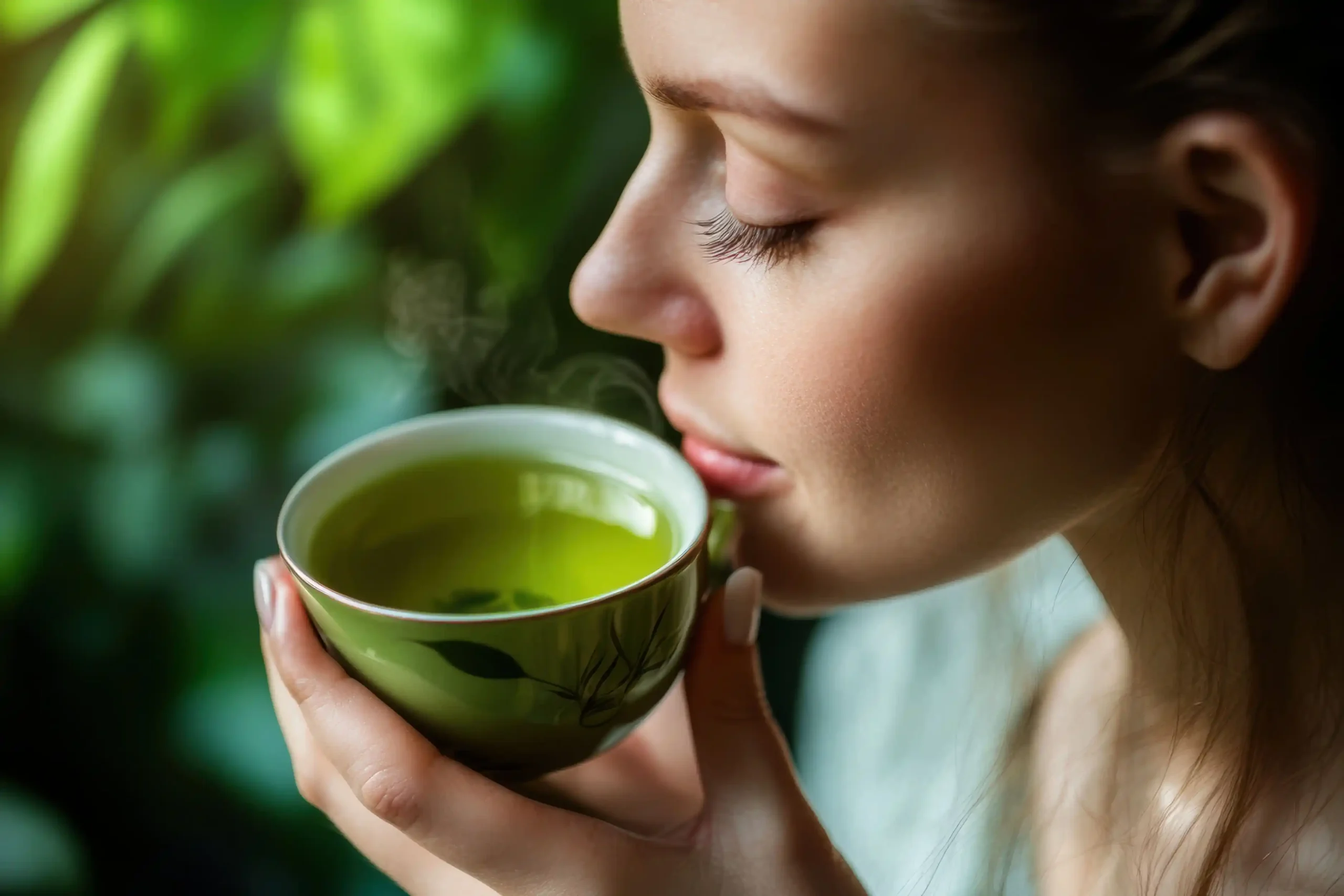
A matcha latte has become very popular in coffee shops, home kitchens and social media feeds. The bright green color of matcha latte is really noticeable. People like it for more than just the way it looks. Many people are choosing matcha over coffee because they want to have energy, antioxidants and a smoother caffeine experience.
People often ask questions about matcha. They want to know if matcha is good for them. They want to know what matcha tastes like. They also want to know if matcha can stain their teeth like coffee does.
The answers to these questions are not simple. Matcha has health benefits but it also has some drawbacks. If you understand what you are drinking you can enjoy it while taking care of your health and your smile.
What Is a Matcha Latte?
A matcha latte is a drink made from ground matcha powder mixed with milk and water. Unlike green tea, where you steep the leaves and then remove them matcha is consumed whole. The leaf is ground into a powder and whisked directly into the drink.
Because you use the leaf matcha has more antioxidants, vitamins, minerals and caffeine than regular green tea. Matcha is usually made by whisking the powder with water until it’s smooth and frothy. If you want a latte you can add milk or a non-dairy milk alternative to make it creamy and less strong.
What Makes Matcha Powder Different?
Matcha powder is not all the same. The quality of matcha powder really depends on how the tea plants are grown and processed. Premium matcha comes from tea plants that are grown in the shade and these plants make chlorophyll and amino acids.
The powder is usually categorized into two primary grades:
Ceremonial Grade Matcha
This is the highest quality available. The texture of this thing is really smooth, the color is green and the flavor is sweet, in a natural way. People often use this for making tea in the old fashioned way.
Culinary Grade Matcha
Culinary-grade matcha is for making recipes, smoothies, desserts and lattes. This type of matcha has a taste and a bit of bitterness. It works well with milk and sweet things. You might have had a matcha latte that tasted smooth and another one that was bitter. The kind of matcha powder used probably made a difference.
What Does Matcha Taste Like?
Some people say matcha tastes like spinach cut grass or seaweed. Others think it has a taste, under its earthy flavor. Good matcha usually tastes smooth and not very bitter. Lower quality matcha can taste more like grass and feel dry in your mouth.
Adding milk makes these characteristics much softer. That’s why matcha lattes are liked by people who do not like plain green tea. Think of the difference between eating chocolate and having a chocolate latte. The main flavor is still there. The milk changes how it tastes.
Is Matcha Good for You?
People are switching from coffee to matcha because they have heard that matcha is good for them. The research on tea and matcha shows that there are good reasons why people like matcha so much.
Rich in Antioxidants
Matcha has a lot of catechins in it, something called EGCG, which is a very strong antioxidant. These antioxidants really help when it comes to fighting stress, which is connected to getting older and getting sick with certain diseases.
Provides Steady Energy
Matcha has caffeine in it. The way it makes people feel is not the same as coffee. It usually has between 30 and 70 milligrams of caffeine which depends on how it is made and how much you get. The thing that makes matcha really special is that it has something called L-theanine which’s a type of amino acid that is naturally in tea leaves. This L-theanine helps people feel more calm and have energy that lasts longer.
May Support Focus
L-theanine works with caffeine in a cool way. Some studies say that when put L-theanine and caffeine together it can help you pay attention and focus better and it can even make your mind clearer. It can also make you feel less nervous. That is why a lot of students and professionals like to drink matcha.
Contains Beneficial Plant Compounds
In addition to antioxidants, matcha provides:
- Polyphenols
- Chlorophyll
- Trace minerals
- Natural plant compounds associated with wellness
Matcha Benefits Beyond Energy
When people discuss matcha benefits, caffeine often gets most of the attention. However, regular consumption may offer advantages beyond a morning boost.
Supports Daily Hydration
Matcha is different from a lot of specialty coffee drinks because it is mostly made of water. When drinking matcha without adding a lot of sugar, it can help you drink water throughout the day.
May Be Gentler on the Stomach
Some people who get stomach irritation from coffee find that matcha is easier to tolerate. This does not work for every person but the fact that matcha has lower acidity may make a difference for some people who drink matcha and also drink coffee.
Can Fit Different Dietary Preferences
People can make matcha lattes the way they like them. If someone does not eat dairy products. If they are a vegetarian or if they are a vegan matcha lattes are easy to make with the ingredients they like. Matcha is a choice because it goes well with lots of different things.
Does Green Tea Stain Teeth?
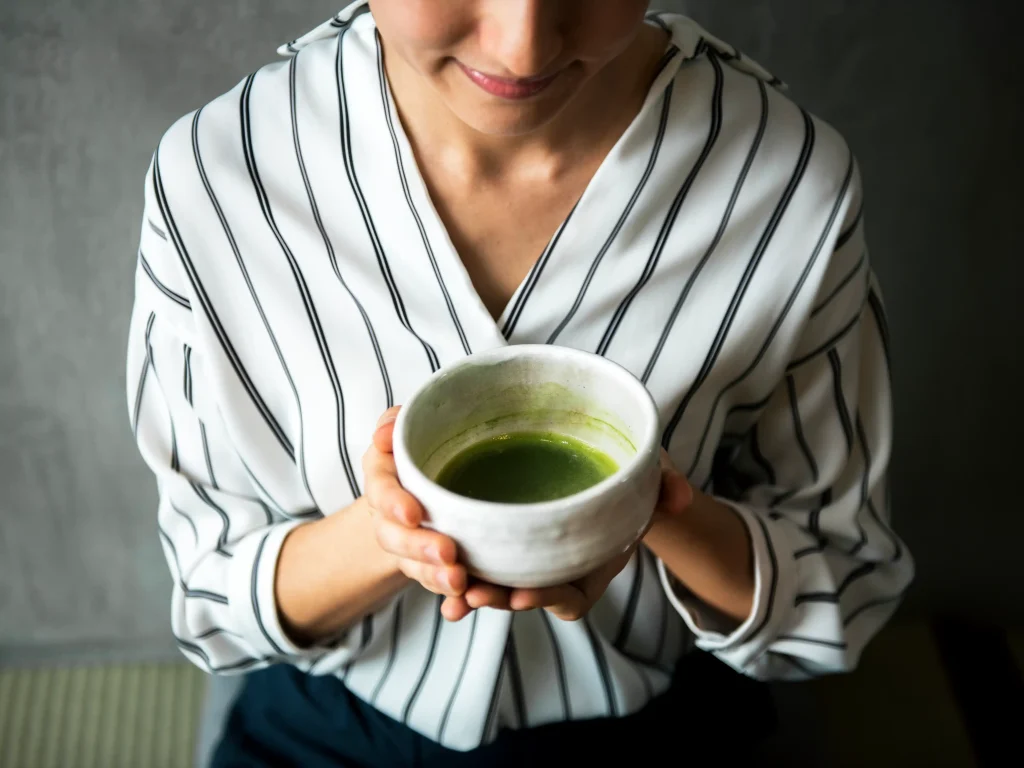
Many tea drinkers assume green tea is completely safe for tooth color because it’s lighter than coffee. The reality is more complicated. Yes, green tea can stain teeth.
Tea contains tannins, which are natural compounds that can contribute to discoloration over time. Tannins increase the likelihood that pigments will stick to tooth enamel. Green tea generally causes less visible staining than black tea.
The lighter color means stains tend to develop more gradually. Someone who drinks multiple cups daily for years may notice discoloration, while occasional drinkers may see little to no change.
Can Matcha Stain Your Teeth?
Since matcha comes from green tea leaves, a related question naturally follows: can matcha stain your teeth? The short answer is yes. Matcha contains tannins and natural pigments that may contribute to staining over time. However, the degree of staining is often lower than what many people experience with coffee.
Several factors influence whether staining occurs:
- Frequency of consumption
- Oral hygiene habits
- Existing enamel condition
- Consumption method
- Other dietary habits
For example, someone who drinks a matcha latte every morning and brushes regularly may notice very little discoloration.
Matcha vs Coffee for Teeth Staining
Many people considering a switch to matcha want to know how it compares with coffee. Coffee generally creates more noticeable staining because of its darker pigments and tannin content. Matcha can still leave deposits on enamel, but the staining tends to develop more slowly.
In practical terms:
| Beverage | Staining Potential |
| Black Coffee | High |
| Black Tea | High |
| Matcha | Moderate |
| Green Tea | Low to Moderate |
| Water | None |
This doesn’t mean matcha is stain-proof. It simply tends to be less aggressive than some other popular caffeinated beverages.
Tips to Reduce Tooth Staining From Matcha
If you’re concerned about discoloration, a few habits can help.
Rinse With Water After Drinking
Remaining pigments can be washed away with a rinse before they stick to your teeth. Just taking a sip of water can really help.
Avoid Sipping for Hours
Staining substances can easily affect enamel if they stay in contact for long. To reduce this risk it is better to finish your drink within a reasonable time.
Maintain Consistent Oral Hygiene
You can get rid of surface stains on your teeth by brushing and flossing before they become a problem. Most dentists will tell you that you should wait for thirty minutes before brushing your teeth after you drink something, like soda or juice.
Schedule Professional Cleanings
Regular dental cleanings help remove stains from teeth. Drinking matcha often can cause stains. So people who love matcha can benefit from dental cleanings.
Are There Any Downsides to Matcha?
Matcha is okay for adults who are healthy but still drink moderation is important. Consuming too much matcha you might get too much caffeine in your body. A lot of matcha lattes you buy have sugar in them which is not good for you. Some people might get a little sick after drinking matcha. Matcha can also affect some medicines that you take.
It often has syrup or sweetener in it. This adds a lot of sugar to your matcha latte. If you want your matcha latte to be healthy you should read what is in it. Ask them to put less sweetener in your matcha latte. This way your matcha latte will be good for you.
Choosing a Better Matcha Latte
For a good matcha you need to start with good ingredients. You should look for matcha powder that’s a nice green color, not too much added sugar and milk that is really good quality or a good milk alternative..
Making matcha at home is the best way to get the sweetness and amount of matcha just right. A lot of people who drink matcha find that after they get used to the way matcha tastes they do not need to add much sugar as they thought they would need to make matcha taste good.
Final Thoughts
Matcha lattes are more than a colorful drink to have instead of coffee. Matcha lattes have an amount of caffeine in them. They also have antioxidants and a very unique flavor that many people eventually come to love.
So you want to know if matcha is good for you. People often ask this question. The answer is that matcha can be good for you. When you drink matcha in moderation, it can be an addition to a healthy diet. Maintaining good oral health is also important when enjoying drinks like matcha regularly.
As for concerns, both green tea and matcha have the potential to stain teeth because of their tannin content. The good news is that staining is typically less pronounced than what coffee drinkers experience, especially when good oral hygiene habits are maintained. If you notice noticeable staining, teeth whitening may help restore a brighter smile.
FAQs
Q1: Is matcha actually good for you?
Yes, matcha can be a healthy addition to your diet when consumed in moderation. It is rich in antioxidants, particularly EGCG, which helps fight oxidative stress. It also contains L-theanine, an amino acid that works with caffeine to support steady energy and mental focus without the jittery feeling that coffee can cause.
Q2: What does a matcha latte taste like?
Matcha has an earthy, slightly grassy flavor that some people compare to spinach or seaweed. Good quality matcha tends to taste smoother and naturally sweet while lower quality matcha can feel more bitter and dry. When made into a latte with milk, the flavor becomes much milder and creamier, which is why many people who dislike plain green tea enjoy matcha lattes.
Q3: Does matcha stain your teeth?
Yes, matcha can stain teeth over time because it contains tannins and natural pigments that can stick to tooth enamel. However, the staining is generally less pronounced than what coffee or black tea drinkers experience. Good oral hygiene habits, rinsing with water after drinking, and regular dental cleanings can help minimize any discoloration.
Q4: How does matcha compare to coffee for energy?
Matcha contains between 30 and 70 milligrams of caffeine per serving, which is typically less than coffee. The key difference is L-theanine, which slows the release of caffeine and promotes a calmer, more sustained energy boost. Most matcha drinkers report feeling alert and focused without the crash or anxiety that coffee sometimes causes.
Q5: What is the difference between ceremonial and culinary grade matcha?
Ceremonial grade matcha is the highest quality available. It has a smooth texture, vibrant green color, and a naturally sweet flavor. It is best enjoyed on its own as a traditional tea. Culinary grade matcha is slightly more bitter and is designed for use in lattes, smoothies, and recipes. For everyday matcha lattes, culinary grade works perfectly well, especially when mixed with milk and a small amount of sweetener.