
Dental implants are a popular option for replacing missing teeth because they look, feel, and function much like natural teeth. However, before choosing this treatment, many patients have one important question: How long do dental implants last?
Dental implants can last 20 years or longer, and some last a lifetime with proper care. However, the crown attached to the implant may need replacement sooner. Understanding how long dental implants last can help patients make informed decisions about this treatment. The actual lifespan depends on your oral health, daily habits, and regular dental care. Knowing about these factors can help you protect your investment and maintain a healthy smile.
Key Takeaways
- Dental implants can last 20 years or longer, sometimes a lifetime with proper care.
- Implant crowns often last around 15 years before needing replacement.
- Good oral hygiene and healthy gums support long-term implant health.
- Smoking, teeth grinding, and poor bone health can affect how long dental implants last.
- Regular dental checkups help prevent complications and detect problems early.
- Pain, swelling, bleeding, or looseness may indicate an implant problem that needs dental attention.
How Long Do Dental Implants Typically Last?
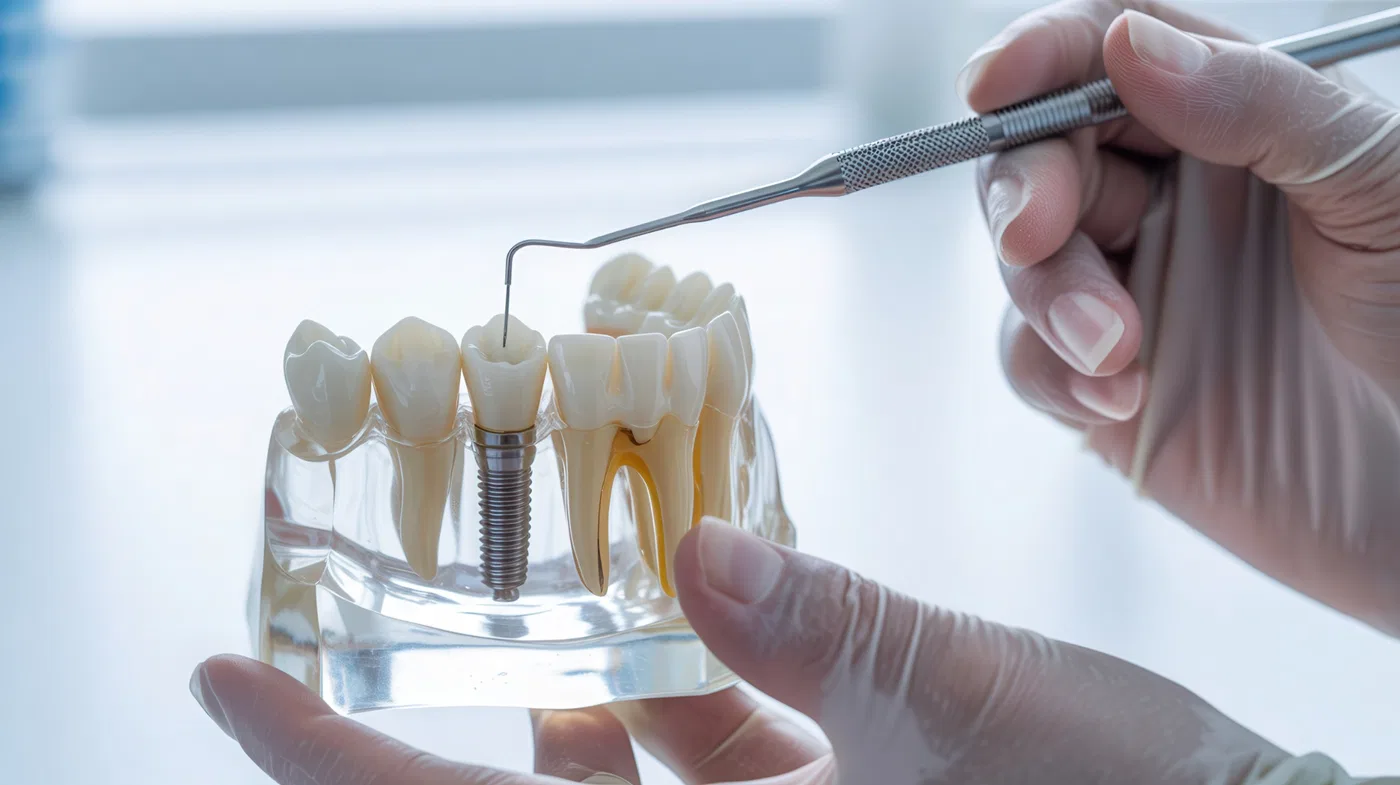
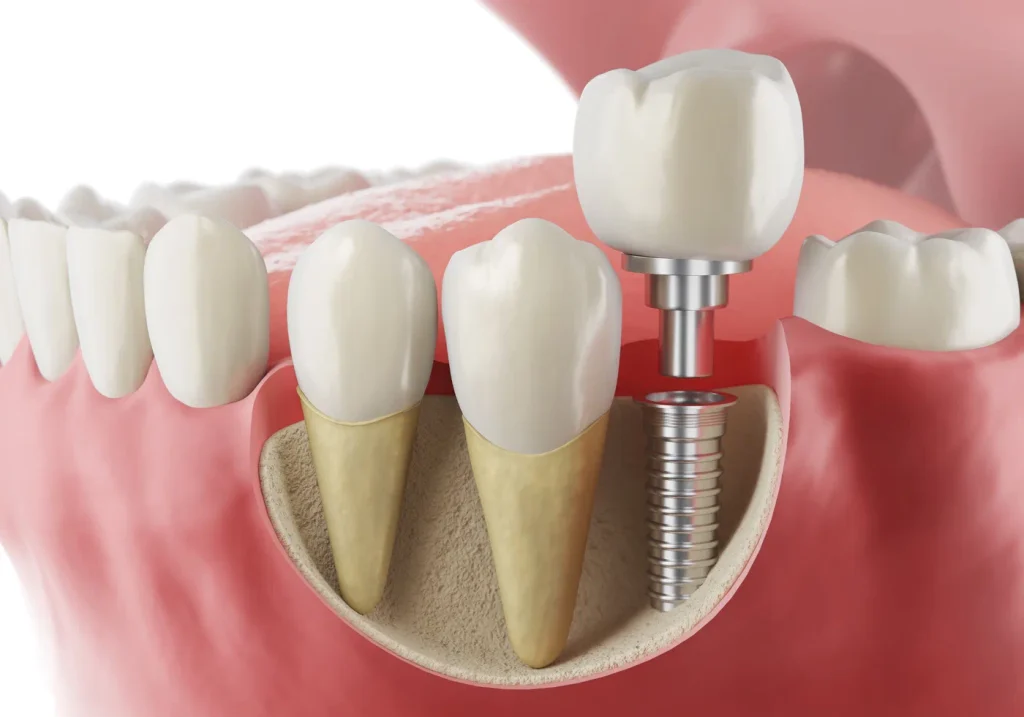
Dental implants are designed to provide long-term support for replacement teeth. The titanium implant post is placed in the jawbone, where it gradually bonds with the surrounding bone. This process, called osseointegration, creates a stable foundation for a crown, bridge, or denture.
With proper care, the implant post may remain functional for decades. A 2026 systematic review of 34 studies involving more than 20,000 implants found approximately 95% implant survival over 10 to 25 years. However, survival means the implant remains in place, not necessarily that it has had no complications.
Several factors determine how long dental implants last, including the condition of the gums, supporting bone, and daily oral hygiene. Regular dental checkups help identify problems before they become serious..
How Long Do Dental Implant Crowns Last?
The dental implant and the crown attached to it have different lifespans. While the implant post may last for decades, the visible crown experiences daily wear from chewing and biting. Over time, it may become worn, chipped, loose, or damaged and need repair or replacement.
Most dental crowns last around 15 years, although some last longer with proper care. Their lifespan depends on the crown material, bite pressure, oral hygiene, and habits such as teeth grinding.
Replacing a damaged crown does not always mean replacing the implant post. If the implant remains healthy and stable, a dentist may be able to restore it with a new crown.
What Factors Affect Dental Implant Lifespan?
Not every dental implant lasts the same number of years. Several factors influence how well an implant performs over time, including gum health, bone support, lifestyle habits, and daily oral care. These factors can help patients lower their risk of complications and maintain their implants for as long as possible.
Oral Hygiene and Gum Health
Good oral hygiene plays an important role in dental implant longevity. Plaque and bacteria can collect around an implant, leading to gum inflammation and possible damage to the supporting bone.
Poor cleaning may increase the risk of peri-implantitis, an inflammatory condition that can cause bone loss around an implant.
Brushing twice daily, cleaning between teeth, and attending regular dental visits help keep the surrounding tissues healthy.
Regular dental cleanings can also help remove plaque and support healthy gums.
Jawbone Health and Implant Placement
Dental implants need sufficient healthy jawbone for support. If the bone is too thin or weak, the dentist may recommend additional treatment, such as bone grafting, before implant placement.
Patients considering dental implant treatment can benefit from an evaluation of their jawbone and gum health.
Smoking and Certain Health Conditions
Smoking can interfere with healing and increase the risk of implant complications. It may also contribute to gum inflammation and problems with the surrounding tissues.
Certain health conditions, including poorly controlled diabetes, can affect healing and gum health. However, having a medical condition does not automatically mean someone cannot receive dental implants.
Teeth Grinding and Excessive Bite Pressure
Grinding or clenching your teeth can place extra pressure on implant crowns and other components. Over time, this may lead to chipped restorations, loose screws, or mechanical damage.
If you grind your teeth at night, your dentist may recommend a custom night guard to help protect your implant restoration.
Can Dental Implants Last a Lifetime?
Yes, dental implants can last a lifetime, but there is no guarantee that every implant will. Many patients keep their implants for several decades without needing to replace the implant post. However, long-term success depends on healthy gums, stable bone, proper care, and regular professional evaluations.
Dental implants cannot develop cavities like natural teeth, but the surrounding gums and bone can still become unhealthy. Infections, bone loss, or excessive bite pressure may affect implant stability.
Even if an implant has been working well for many years, regular checkups remain important. Your dentist can monitor the supporting bone, evaluate the surrounding gums, and check the condition of the restoration.
Signs Your Dental Implant May Be Failing
Dental implants usually feel stable and comfortable after healing. However, certain symptoms may indicate inflammation, a loose restoration, or a problem with the supporting tissues. Recognizing these warning signs early can help protect your implant and support long-term results. Knowing how long dental implants last also means understanding the problems that can affect their lifespan.
Watch for the following symptoms:
- Persistent pain: Pain or discomfort that develops or continues after the expected healing period.
- Swollen or bleeding gums: Redness, tenderness, or bleeding around the implant.
- Loose implant or crown: Movement when biting, chewing, or touching the restoration.
- Gum recession: Changes in the gumline or increased exposure of implant components.
- Difficulty chewing: New discomfort or changes in how your bite feels.
- Pus or unusual discharge: A possible sign of infection that requires prompt attention.
These symptoms do not always mean the implant has failed. For example, a loose crown may sometimes be repaired without removing the implant. Early dental care can help prevent complications that may affect how long dental implants last.
How to Make Dental Implants Last Longer
Proper dental implant care is one of the best ways to help dental implants last longer. Although implants are made from durable materials, the surrounding gums and bone still need regular attention. A consistent oral hygiene routine, healthy habits, and professional dental care can help reduce the risk of inflammation and damage.
Follow these practical tips to protect your dental implants and support their long-term lifespan:
- Brush twice daily: Use a soft-bristled toothbrush to clean around your implant and natural teeth.
- Clean between your teeth: Use floss or implant-safe interdental cleaning tools recommended by your dentist.
- Attend regular dental checkups: Professional examinations help detect gum inflammation, bite problems, and changes around the implant.
- Avoid smoking: Quitting smoking can support gum health and reduce the risk of complications.
- Protect against teeth grinding: Wear a night guard if recommended by your dentist.
- Avoid chewing hard objects: Do not use your teeth to open packages or bite hard items that could damage your crown.
- Report unusual symptoms: Contact your dentist if you experience pain, swelling, bleeding, or looseness.
Patients in Cudahy, WI, should continue regular dental visits even when their implants feel comfortable. Consistent professional care can help maintain implant health for many years.
Dental Implants vs. Bridges and Dentures: Which Lasts Longer?
Dental implants, bridges, and dentures replace missing teeth but differ in lifespan and maintenance. When comparing how long dental implants last with other tooth replacement options, implants often provide longer-lasting support. However, the best option depends on your oral health and treatment needs.
| Tooth replacement option | Approximate lifespan | Maintenance needs |
|---|---|---|
| Dental implant post | 20+ years; sometimes a lifetime | Daily cleaning and regular dental checkups |
| Implant-supported crown | Around 15 years; may last longer | Cleaning, bite monitoring, and possible replacement |
| Traditional dental bridge | Often around 5–15 years | Careful cleaning around supporting teeth |
| Removable dentures | Often around 5–10 years | Daily cleaning, adjustments, and possible replacement |
These are general estimates, not guaranteed replacement schedules.
Dental Implants vs. Dental Bridges
Dental implants are supported by the jawbone, while traditional bridges rely on neighboring teeth. Implants may last longer, as bridges can require replacement if supporting teeth develop decay or gum problems. However, both options need proper oral hygiene and regular dental checkups to maintain long-term results.
Explore traditional dental bridges to learn about another option for replacing missing teeth.
Dental Implants vs. Dentures
Traditional dentures rest on the gums and may become loose as the jawbone changes, often requiring adjustments or replacement. Dental implants provide better stability by supporting crowns or implant-supported dentures, although they still need regular care and occasional maintenance.
Read more about traditional dentures and their benefits for replacing multiple missing teeth.
When Should You See a Dentist About Your Dental Implant?
Regular dental visits help keep implants healthy, but some situations require attention between scheduled appointments. New pain, swelling, bleeding, or movement around an implant may indicate a problem that needs treatment. Ignoring these symptoms can allow inflammation or mechanical damage to worsen over time.
Schedule a dental appointment if you notice:
- A crown that feels loose or moves when chewing
- Persistent discomfort around the implant
- Bleeding or swelling that does not improve
- A change in how your teeth fit together
- Chipping or damage to the implant crown
- Difficulty cleaning around the implant
If the implant itself feels loose, contact your dentist promptly. Do not attempt to tighten or adjust any implant components at home.
Your dentist may examine the implant, assess the surrounding gums, and take X-rays when needed to determine the cause.
Conclusion: Protect Your Dental Implants With Long-Term Care
How long do dental implants last? With proper care, the implant post can remain functional for 20 years or longer, and some last a lifetime. The crown may need replacement sooner, but good oral hygiene, healthy gums, and regular dental visits can help support long-term results.
If you are considering dental implants or want to check an existing restoration, South Shore Dentistry & Implants provides dental care for patients in Cudahy, WI. Schedule a consultation to discuss your oral health, treatment options, and the steps you can take to maintain your smile.
Explore Dental Implants | Schedule an Appointment
Frequently Asked Questions
Do Dental Implants Need to Be Replaced?
Not always. A healthy implant post may last for decades or even a lifetime with proper care. Understanding how long dental implants last can help patients know what to expect from this treatment. However, the crown, bridge, or other restoration attached to the implant may eventually need repair or replacement due to normal wear or damage.
Can Dental Implants Last 30 Years?
Yes, some dental implants remain functional for 30 years or longer. How long dental implants last depends on gum health, bone support, oral hygiene, and individual lifestyle habits. Regular dental checkups help monitor their condition and identify potential complications early.
How Often Do Dental Implant Crowns Need Replacing?
Dental implant crowns often last around 15 years, but there is no fixed replacement schedule. Some crowns last longer, while others need replacement sooner because of damage, wear, or bite-related problems. Although the crown may need replacement, the implant post can remain healthy for many more years.
Can Dental Implants Fail After 10 Years?
Yes. Even after many years of successful use, dental implants can develop complications. Gum inflammation, peri-implantitis, bone loss, or mechanical problems may affect how long dental implants last. Regular dental examinations help detect changes early and support long-term implant health.
Does Getting Dental Implants Hurt?
Dental implant placement is usually performed with local anesthesia to numb the treatment area. Some soreness, swelling, or discomfort may occur during recovery. Your dentist can explain pain management options and what to expect based on your treatment plan.
How Do I Know if My Dental Implant Is Healthy?
A healthy implant should feel stable and comfortable, with no persistent pain, swelling, or unusual bleeding. However, some problems may develop without obvious symptoms. Regular professional examinations are the best way to monitor implant health and help your dental implants last longer.