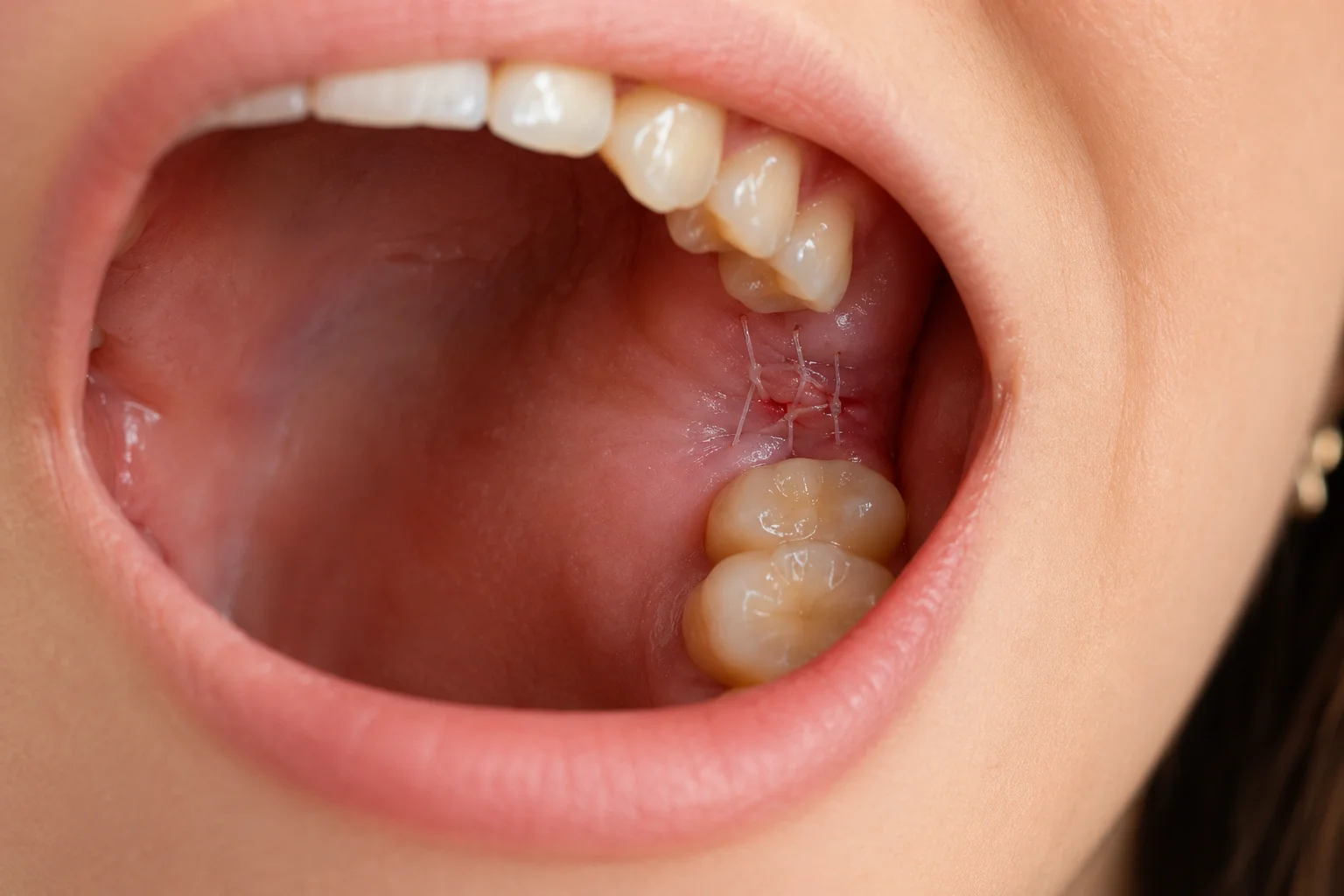
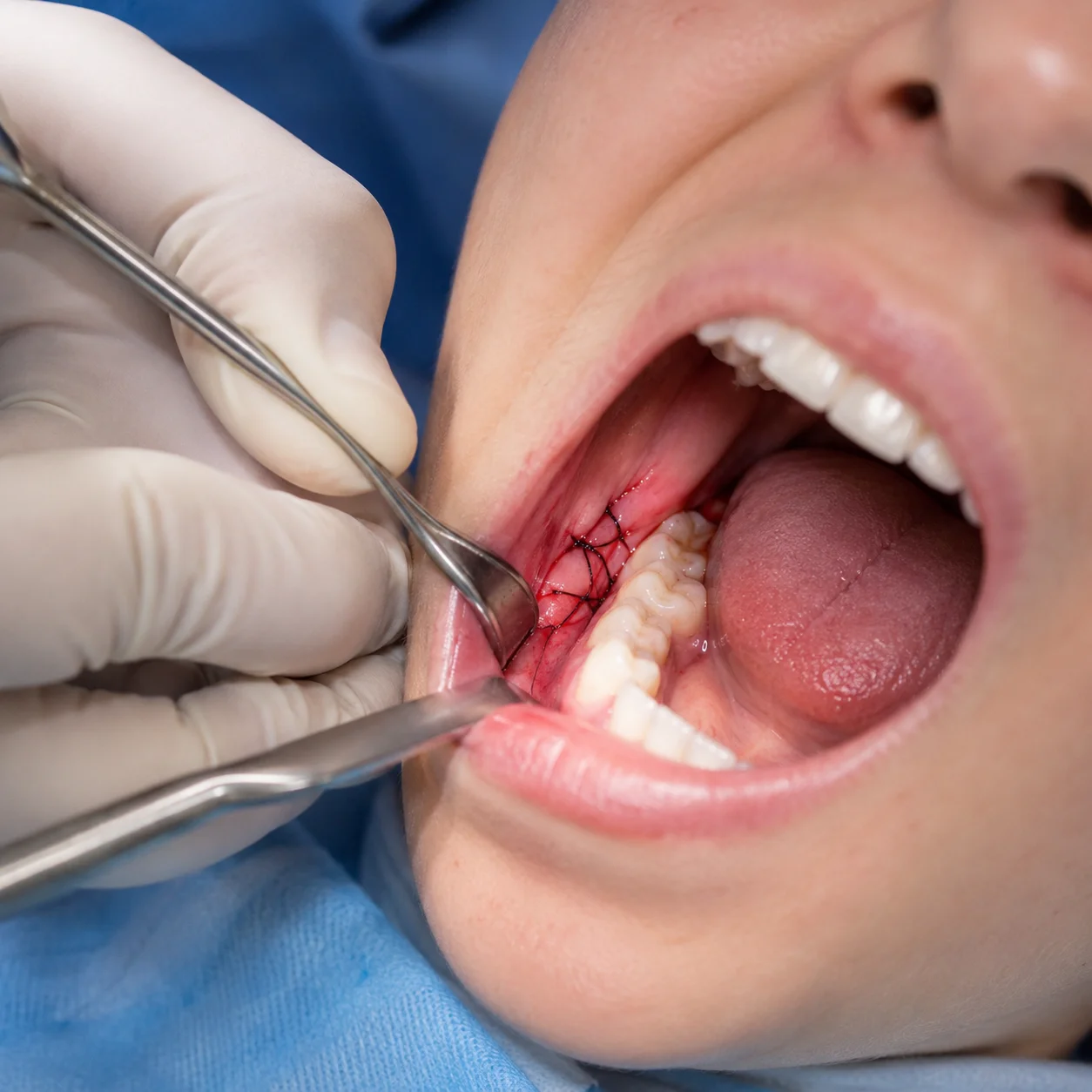
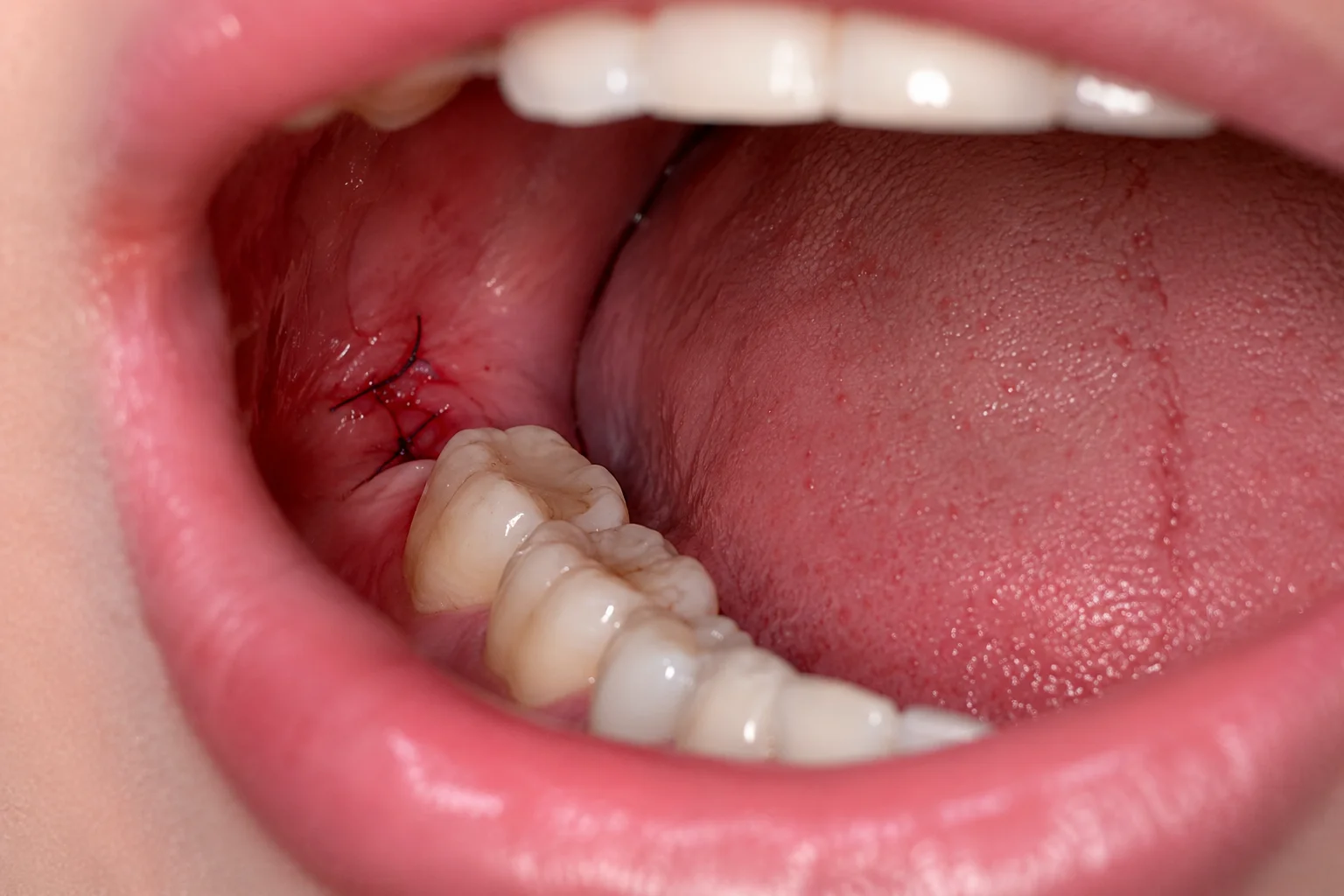

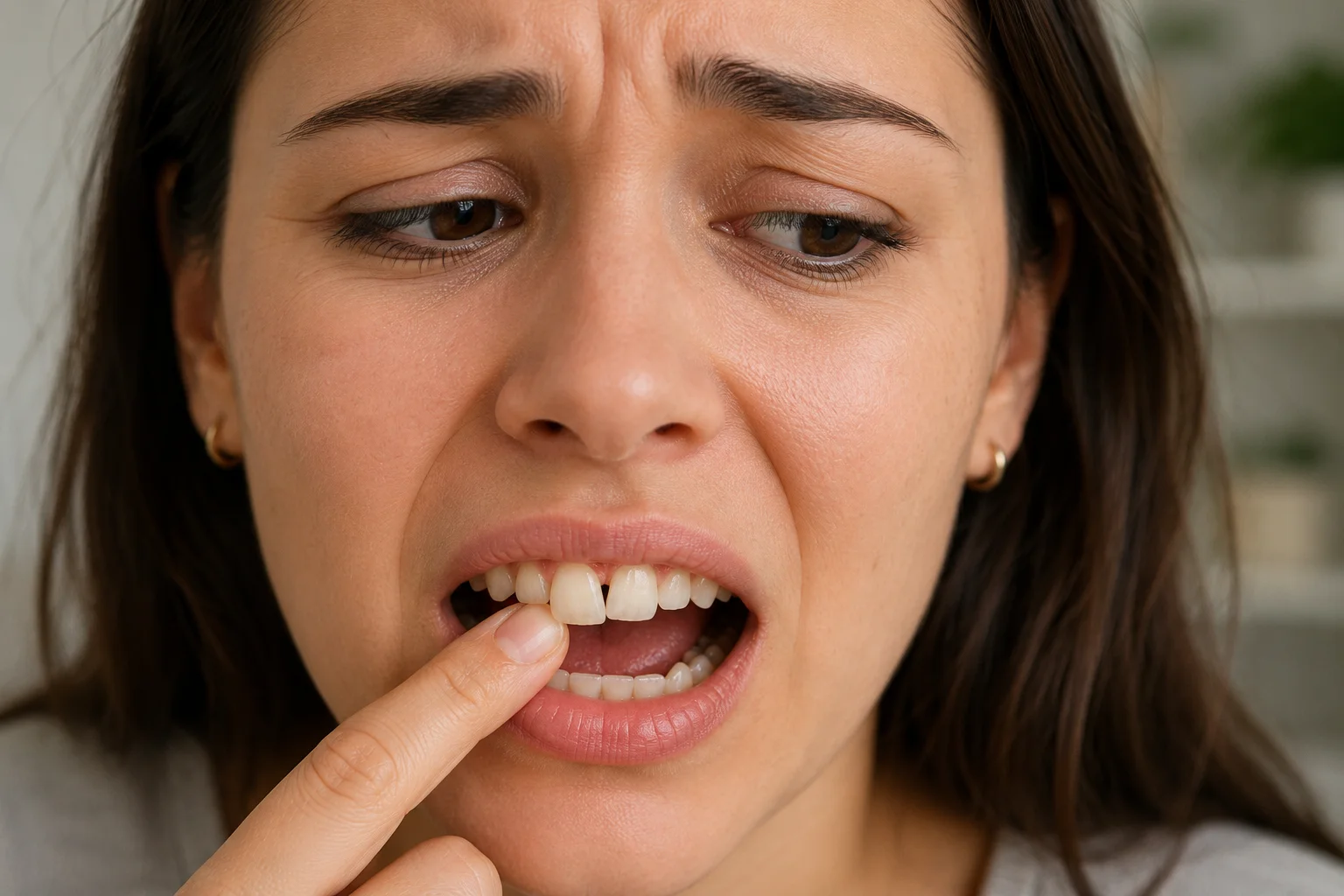
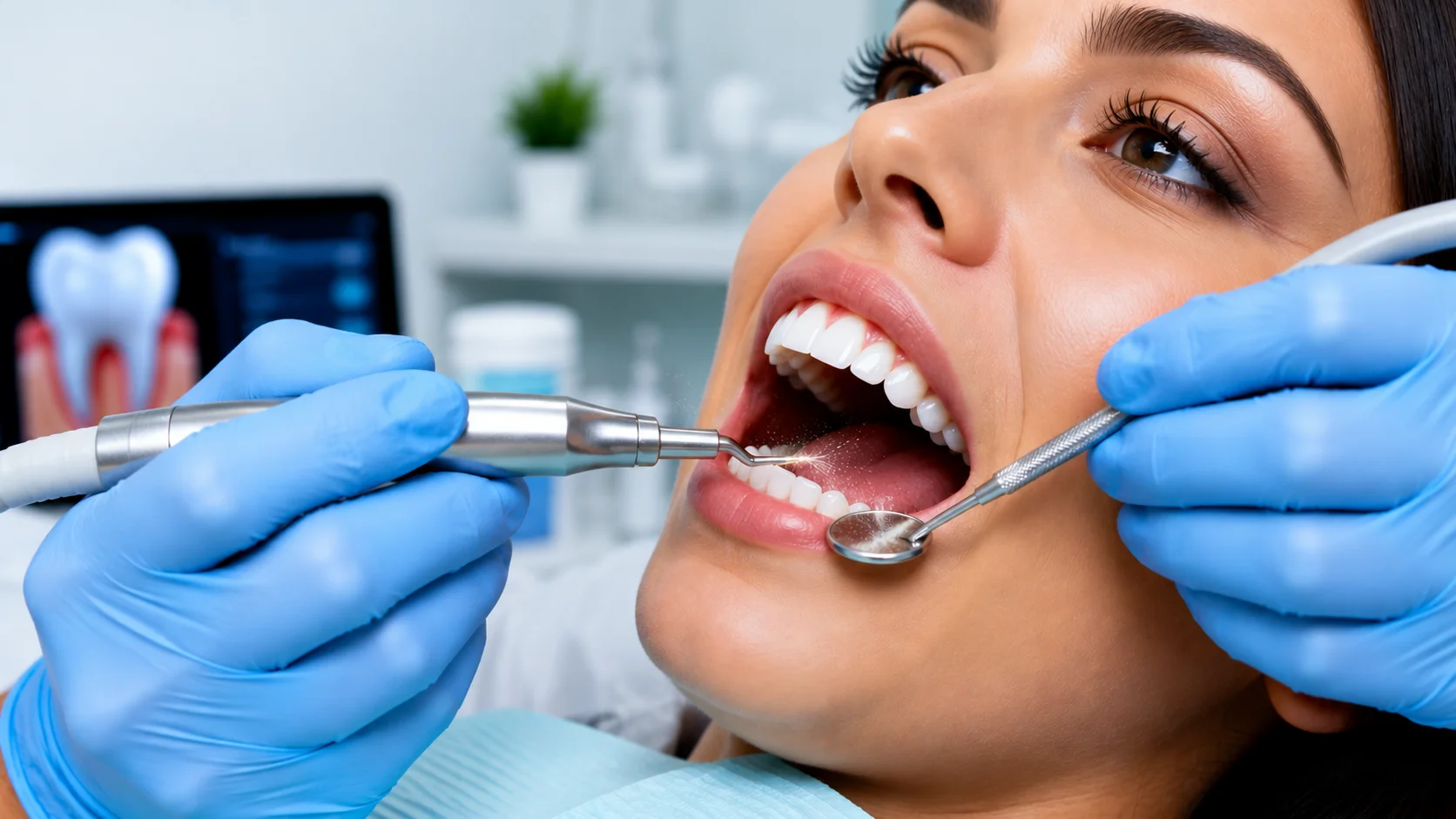
People often think deep cleaning at the dentist’s clinic is painful, but it’s usually much easier than expected. The name can make it feel a bit scary at first, because “deep” suggests something painful or complicated. Most patients walk in with the same question sitting in their head: does deep cleaning teeth hurt, or is it just uncomfortable for a short while?
The honest answer is somewhere in between, and it depends on the condition of your gums, how much buildup is present, and your sensitivity level. It’s not a one-size-fits-all experience.
At clinics like South Shore Dentistry & Implants, this procedure is done on a regular basis, and the reactions vary more than people expect. Some feel only mild pressure. Others notice sensitivity in certain areas. It rarely causes real pain when proper numbing is used.
What Is Deep Cleaning Teeth Actually?
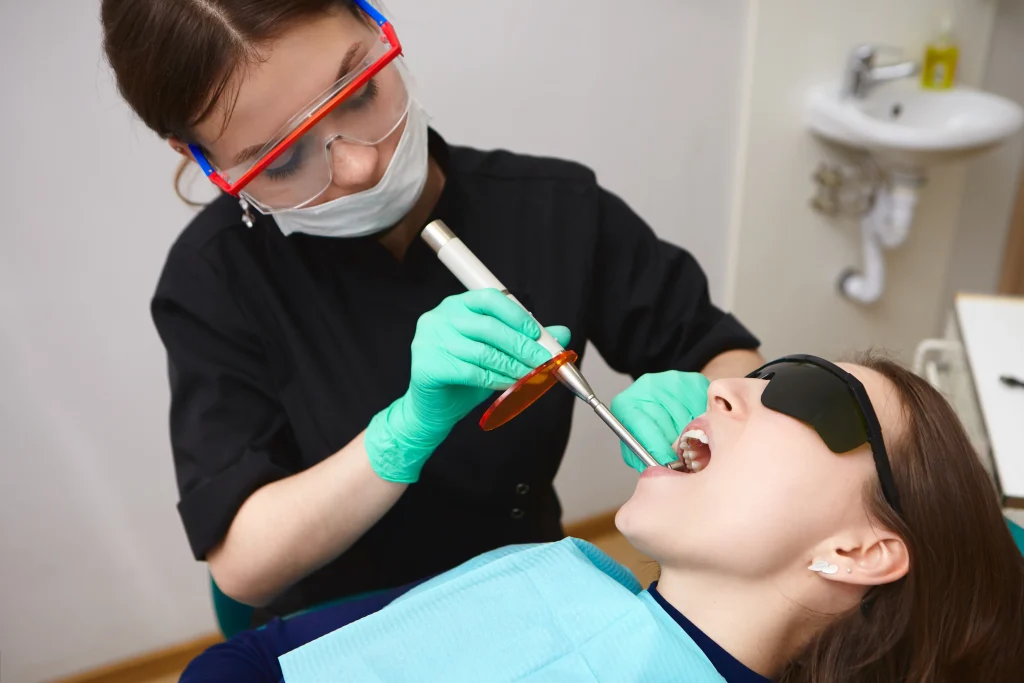
Deep cleaning isn’t the same as regular dental cleaning. It goes below the gumline, where a normal toothbrush or even standard cleaning tools can’t reach properly.
Dentists usually recommend it when there is:
- Gum inflammation
- Tartar buildup under the gums
- Early signs of periodontal disease
- Persistent bad breath caused by bacteria
The process is usually split into two parts:
- Scaling (removing plaque and tartar)
- Root planing (smoothing tooth roots so gums can reattach)
Does Deep Cleaning Teeth Hurt During the Procedure?
This is the main concern for most people.
The short answer: it doesn’t usually “hurt” in the sharp, stabbing sense. But it can feel uncomfortable depending on gum condition.
When gums are already inflamed, they become more sensitive. So when instruments touch those areas, you might feel pressure or mild soreness.
Dentists often use local anesthesia to numb the area. Once that kicks in, most patients feel:
- Pressure instead of pain
- Vibration from instruments
- Occasional sensitivity in deeper areas
Without anesthesia, it can feel more intense, especially in areas where tartar buildup is heavy.
Does Deep Cleaning Teeth Hurt Without Anesthesia?
This depends heavily on gum health.
When gums are healthy or a little bit inflamed some people can tolerate it without getting numbed. If there is a lot of tartar under the gumline, not using anesthesia can make it really uncomfortable.
Without anesthesia it can hurt a lot. You might feel pain near your gums especially when the dentist works on deeper areas of your teeth. The gums can feel sore and tender when touched during the cleaning. This is more likely if the gums are already inflamed or have a lot of buildup.
How Long Does Deep Cleaning Teeth Take?
Time varies depending on how much work is needed.
A typical session lasts:
- 45 minutes to 1 hour per quadrant of the mouth
- Some patients need 2 visits instead of 1 full session
If the buildup is light the dentist can do the job quickly. If the gum is in severe condition, the dentist will do the treatment in appointments to make sure it is done right.
There is also a reason for this. Cleaning everything in one session can make the gums more sore afterward. So splitting the cleaning into parts helps with the comfort and the healing of the gums.
What Happens After Deep Cleaning Teeth?

Right after the procedure, the mouth feels different. Not painful, but definitely “fresh and sensitive” at the same time.
Common after-effects after deep cleaning include slight gum tenderness, mild bleeding while brushing for a day or two, sensitivity to cold drinks, and a feeling that the gums are tighter or more responsive than usual. These effects are usually temporary and gradually settle as the gums begin to heal.
This is actually a normal healing response. The gums are adjusting after long exposure to bacteria and tartar.
Most people notice improvement in breath and cleanliness within a few days.
Deep Cleaning Teeth Before and After Difference
The difference is usually more noticeable than people expect.
Before cleaning:
- Gums may look swollen or red
- Teeth feel slightly coated
- Bad breath can linger even after brushing
- Yellow or brown buildup near gumline
After cleaning:
- Teeth feel smoother
- Gums look less inflamed
- Breath improves noticeably
- Surface stains reduce
Disadvantages of Deep Cleaning Teeth
Deep cleaning is helpful, but it’s not completely free from temporary side effects.
Some possible disadvantages include:
1. Temporary sensitivity
Teeth may react to cold or hot food for a few days, especially while the enamel and gums are adjusting after the cleaning.
2. Gum soreness
Especially if inflammation was present before treatment, and the area may feel a bit tender when chewing or brushing lightly.
3. Mild bleeding
Brushing or flossing may cause slight bleeding initially, which usually reduces as gum health improves over time.
4. Multiple visits
In more advanced cases, treatment may require more than one appointment, depending on how much buildup needs to be removed.
Deep Cleaning Teeth Cost
Cost depends on location, clinic, and severity of gum condition.
Generally, pricing varies based on:
- Number of quadrants treated
- Level of tartar buildup
- Whether anesthesia is needed
- Diagnostic scans or X-rays
In many dental setups, cost is calculated per quadrant rather than a single fixed price.
Who Actually Needs Deep Cleaning?
Not everyone needs it. It’s usually recommended when:
- Gums bleed while brushing
- Persistent bad breath doesn’t go away
- Teeth feel slightly loose
- Deep pockets form around teeth
- Regular cleaning doesn’t help enough
Dentists usually confirm this after a periodontal examination.
What Helps Reduce Discomfort During Deep Cleaning?
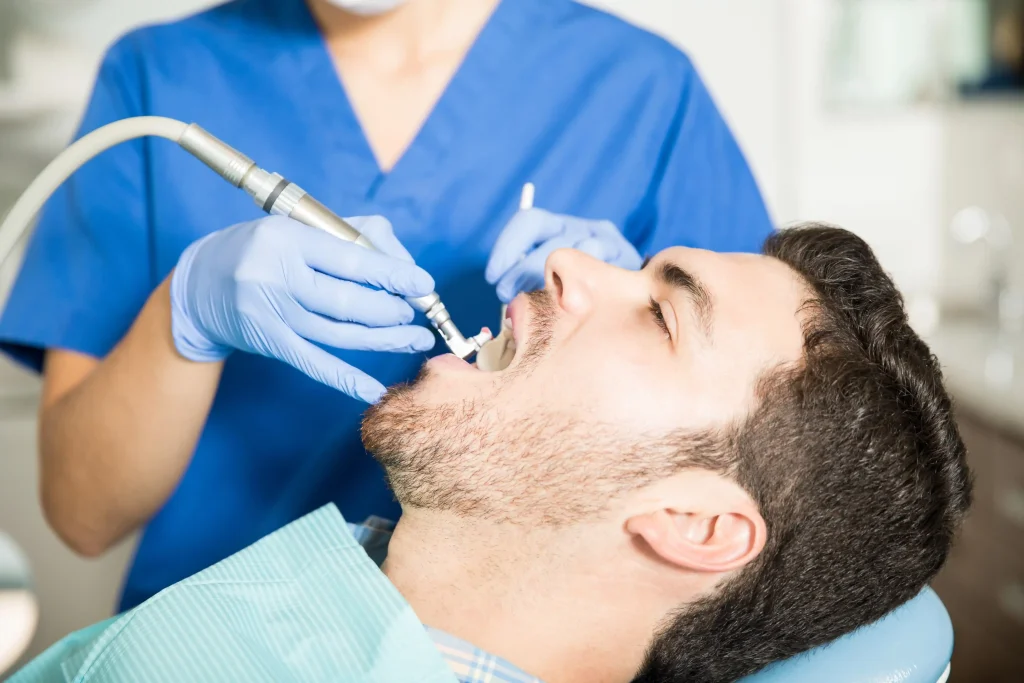
A few small things make the process easier:
- Numbing gel or local anesthesia
- Taking breaks during treatment if needed
- Good oral hygiene before appointment
- Following post-care instructions properly
Aftercare matters more than people think. Healing speed depends a lot on how the mouth is maintained after the procedure.
How Recovery Feels Over Time
Recovery doesn’t follow a dramatic pattern. It’s gradual.
First 24 hours: slight soreness, gums feel tender
2–3 days: sensitivity starts reducing
One week: most normal eating resumes
Two weeks: gums settle into healthier condition
It’s not a long downtime, but the mouth does need a short adjustment period.
Final Thoughts
Deep cleaning teeth doesn’t usually hurt in the way people imagine. It’s more about sensitivity and pressure, especially if gums are already inflamed.
The discomfort is temporary, and most of it comes from the condition of the gums—not the procedure itself.
What makes a bigger difference is what happens after: cleaner gum lines, reduced inflammation, and a more stable oral environment over time.
The first experience often feels like the most noticeable one. After that, regular maintenance keeps things much easier and far less sensitive.
FAQs
Does deep cleaning teeth hurt?
Deep cleaning usually doesn’t hurt. Most patients feel pressure or mild discomfort, and dentists often use numbing to make the procedure easier.
Is deep cleaning teeth painful without anesthesia?
Without anesthesia, it can feel uncomfortable, especially if gums are inflamed or there is heavy tartar buildup under the gums.
How long does deep cleaning teeth take?
It usually takes 45 minutes to 1 hour per quadrant. Some cases may need multiple visits depending on the severity of buildup.
What does deep cleaning teeth feel like?
You may feel pressure, vibration, or slight sensitivity. The experience varies depending on gum health and how much tartar is present.
What are the side effects of deep cleaning teeth?
Common side effects include mild gum soreness, temporary sensitivity, slight bleeding while brushing, and tender gums for a few days.
How long does recovery take after deep cleaning?
Most people feel better within a few days. Gums usually settle completely within one to two weeks.
Who needs deep cleaning teeth?
People with bleeding gums, bad breath, tartar buildup, or early signs of gum disease may need deep cleaning after a dental checkup.