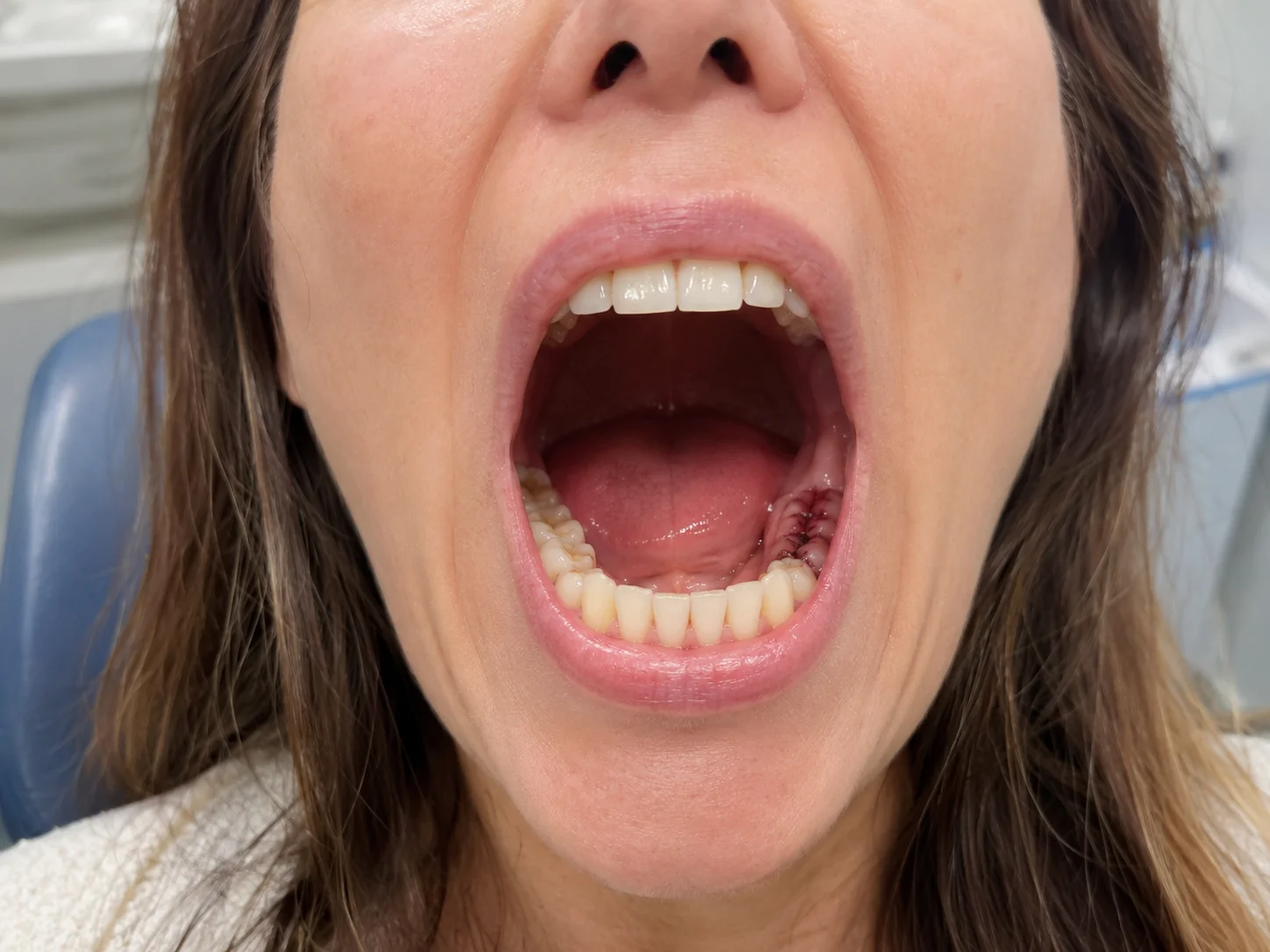
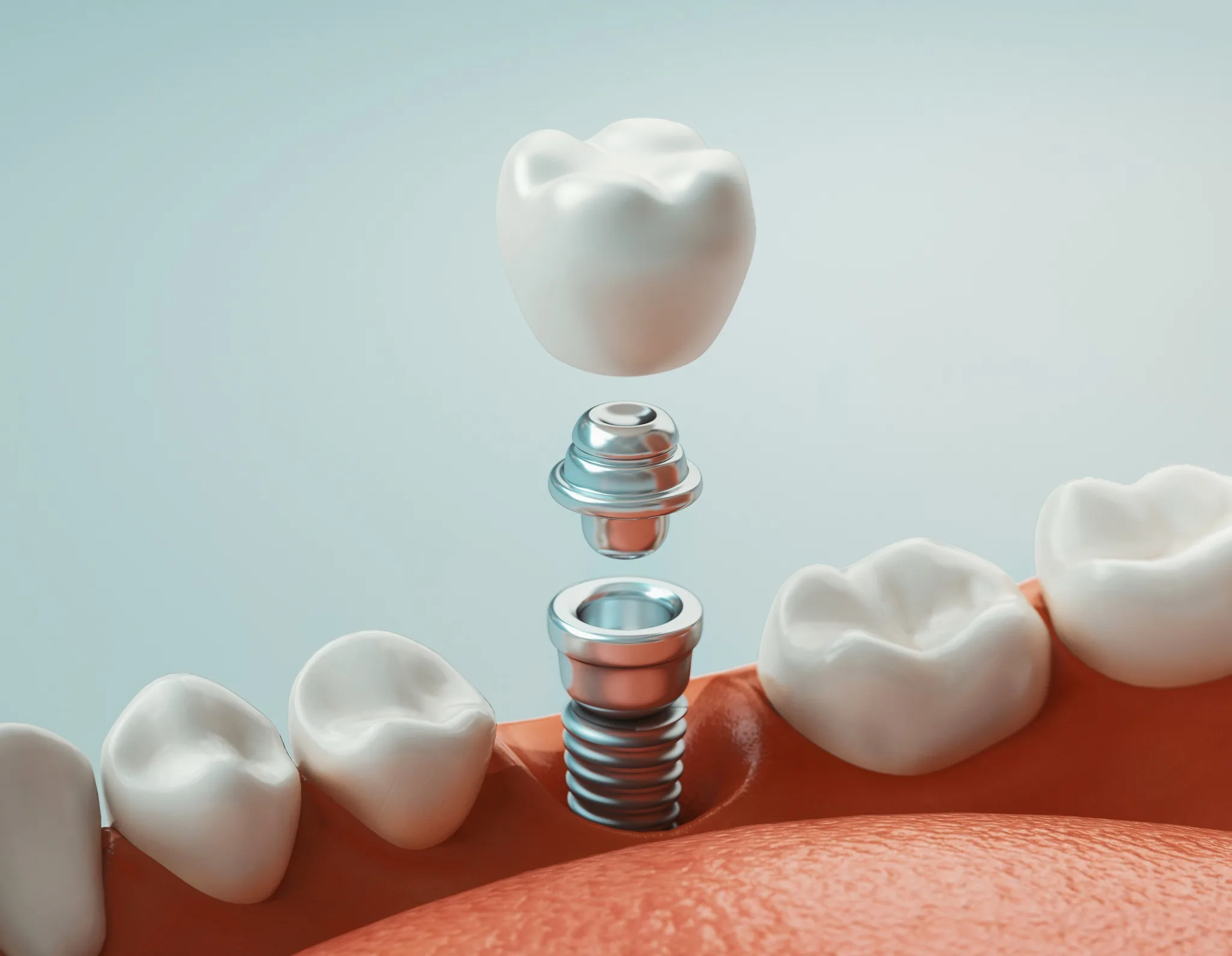
If you are considering dental implants, you may be wondering, do dental implants hurt? This is one of the most common concerns people have before implant treatment. The good news is that dentists use local anesthesia and other comfort measures to keep you comfortable during the procedure. You may feel pressure or movement during treatment, but you should not typically feel sharp pain while the implant is being placed.
Some discomfort, such as soreness, swelling, or tenderness, is to be expected after the procedure as your mouth heals. The extent to which you may feel discomfort depends on how many implants are placed, how involved the procedure is, and your personal factors. Being informed before, during, and after treatment can make all the difference.
Do Dental Implants Hurt During the Procedure?
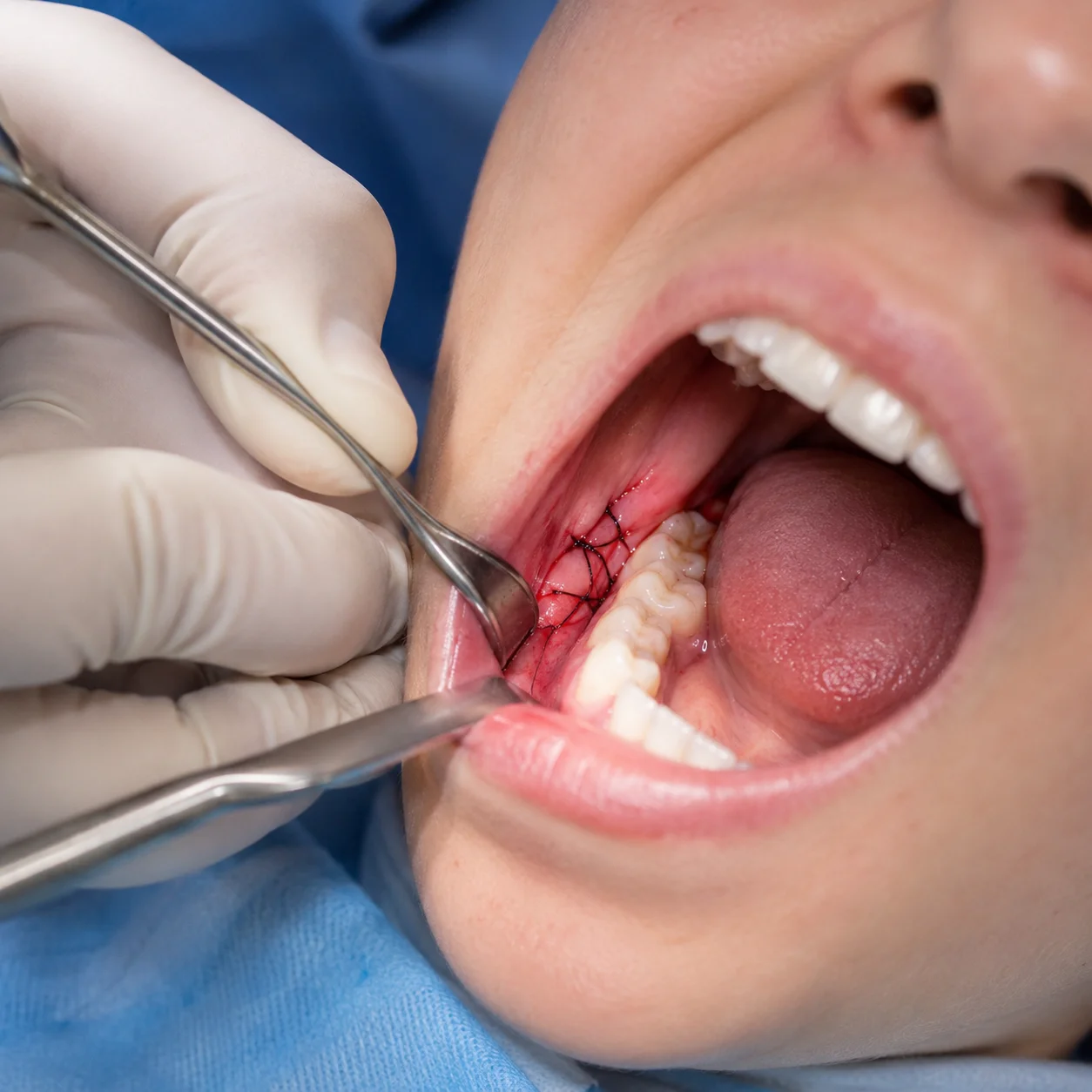
Dental implants are placed with the use of local anesthesia, which ensures that you do not feel any sharp sensations during the procedure. The doctor or oral surgeon will numb the area before they start working. Hence, pressure, pushing, vibrations, or movements may be felt as the implant is placed into the alveolar bone, but one will not feel pain.
Your dental team will be sure to check that you are comfortable at all times. If you are still uncomfortable with the anesthesia, let the dentist know so that he or she can give you more anesthesia prior to proceeding with treatment. Patients who are especially anxious about their visits sometimes also have the option of talking with their dentist about sedation.
Why Dental Implant Placement May Feel Uncomfortable
Although anesthesia prevents pain, some sensation may be felt in the course of implant surgery. The dentist will need to expose the site for implant placement and install the implant in the jawbone; thus, pressure and vibration due to the drilling process cannot be completely avoided.
The sensation produced by dental instruments can be quite unpleasant, so try to keep up with conversations with the dentist and use standard hand signals to indicate to your assistant when you need a break.
What to Expect After Dental Implant Surgery
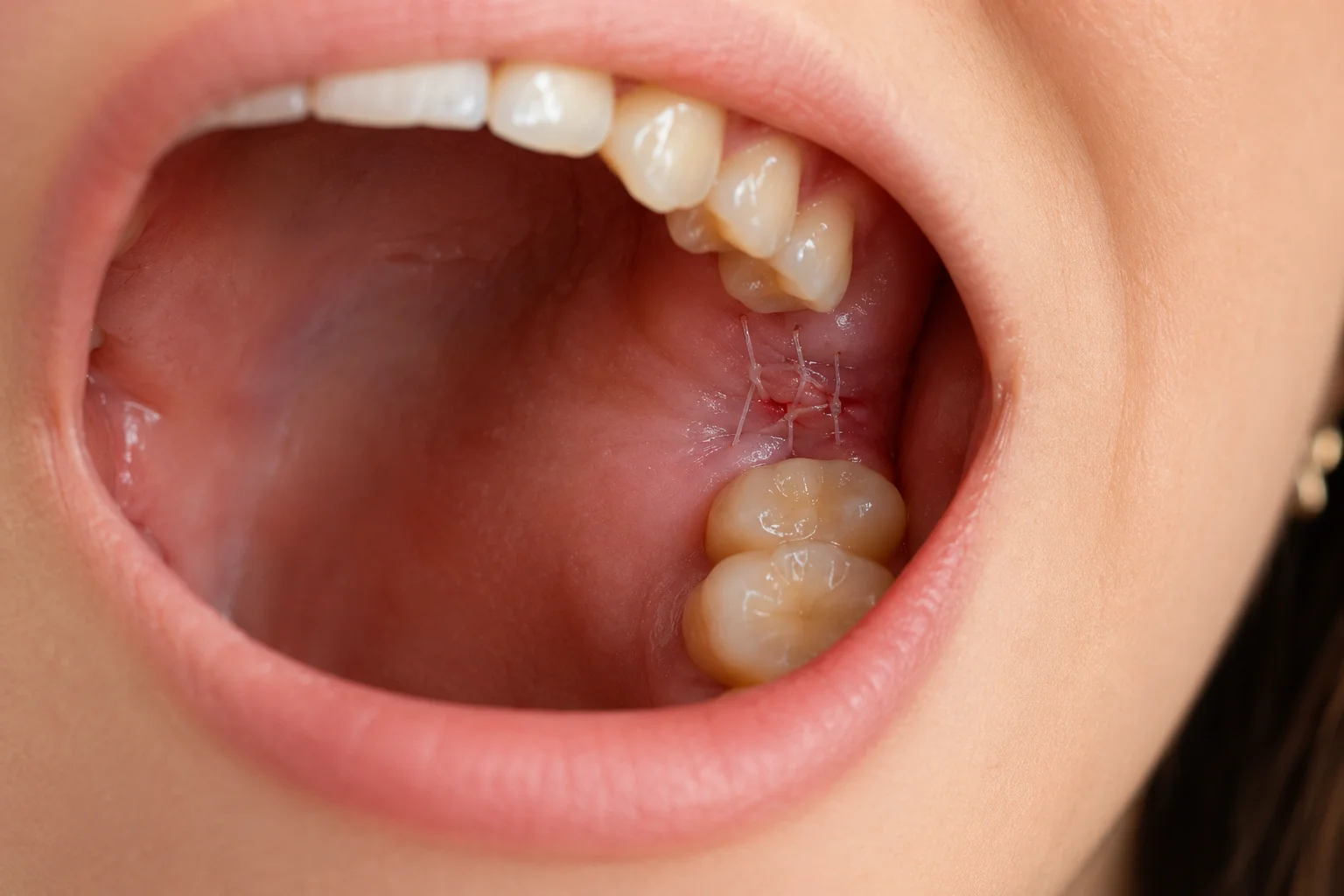
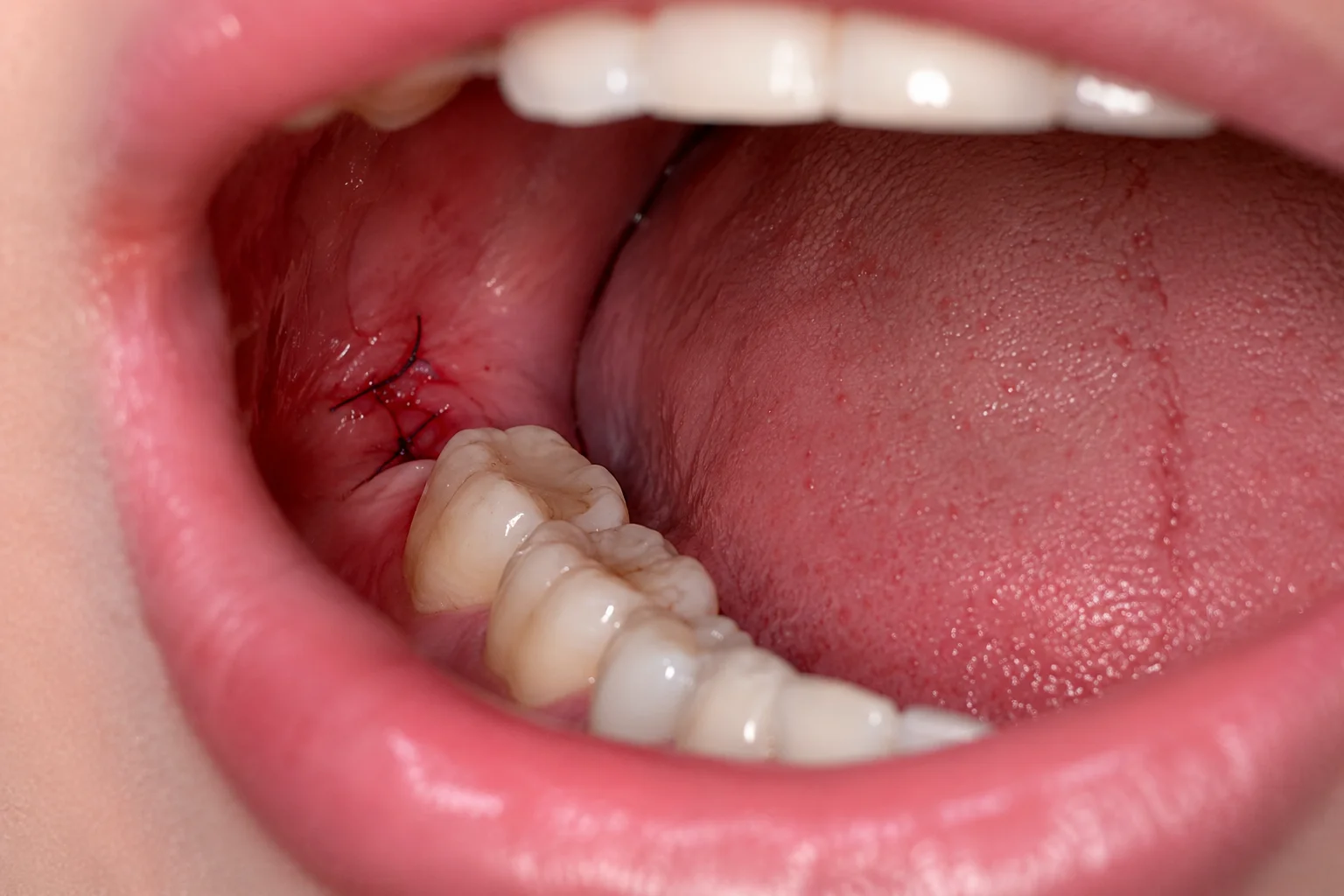
Discomfort is more likely to occur after the anesthesia wears off. Your gums and surrounding tissues may feel sore or tender, and some swelling can develop around the treatment area. These effects are generally part of the normal healing process and often improve as the first few days pass.
Your dentist will provide specific aftercare instructions based on your procedure. Following those instructions carefully can support healing and help reduce unnecessary irritation. Taking medications as directed, maintaining appropriate oral hygiene, and avoiding activities that could disturb the surgical area can all be important during recovery.
Pain and Tenderness
Mild to moderate tenderness is common after dental implant surgery. The discomfort may be more noticeable when chewing or touching the area, particularly during the first few days. Your dentist may recommend or prescribe medication to help manage discomfort during this period.
The amount of soreness can depend on the complexity of your treatment. A straightforward implant placement may involve less discomfort than a procedure that also requires bone grafting or other additional treatment.
Swelling and Bruising
Some swelling around the gums or face can occur after implant surgery. In certain cases, mild bruising may also appear. These effects can vary from person to person and generally improve as the tissues heal.
Following your dentist’s instructions for managing swelling can help make recovery more comfortable. Your dental team may recommend specific measures during the first part of your recovery based on your procedure and overall oral health.
Bleeding and Sensitivity
Some mild bleeding or sensitivity can occur during the first part of recovery. These symptoms usually become less noticeable as the surgical area begins to heal. Following your dentist’s aftercare instructions can help protect the site and support normal recovery.
Eating and Drinking
After dental implant surgery, you may need to temporarily adjust what you eat and drink. Soft foods can help reduce pressure on the surgical area, while avoiding very hot, hard, or crunchy foods can help prevent unnecessary irritation during the early stages of healing.
How Long Does Dental Implant Pain Last?
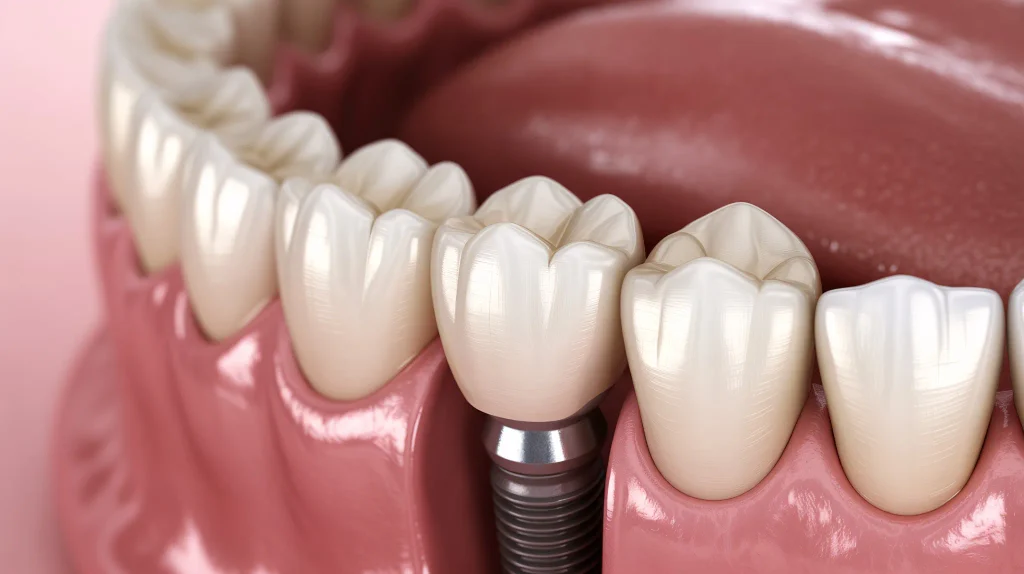
The most obvious discomfort is during the first days of the healing process. The majority of patients report that the area where the surgery was done passes several days in pain and irritation, which disappears as the surgical site heals. Depending on the specific circumstances of each case, the overall healing process can take longer or shorter than expected.
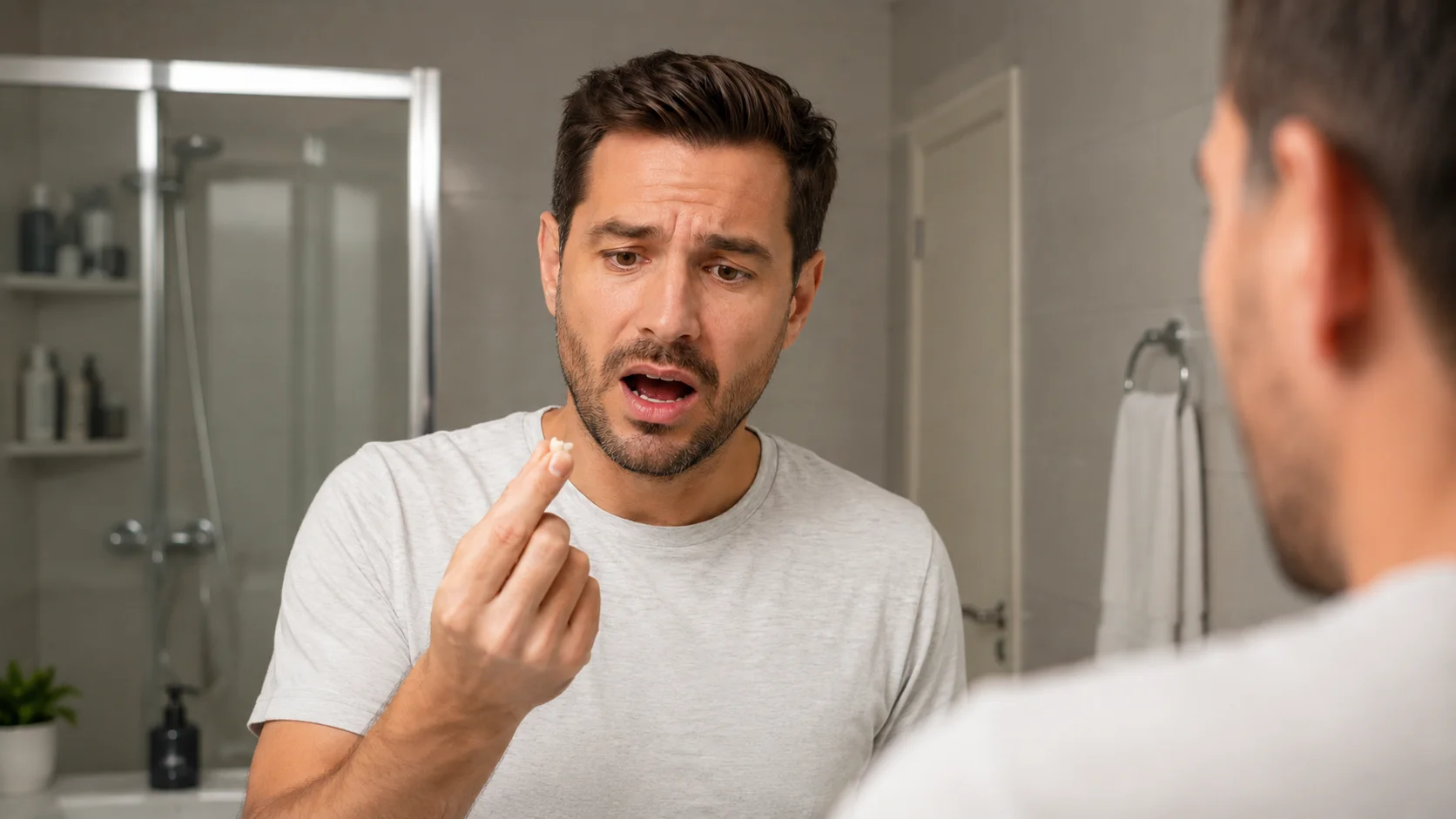
It is normal for the area to feel swollen while the tissues heal. However, severe pain that gets worse over time is not normal and should be brought to the attention of your dentist. Seek emergency care at the dentist if you notice any unusual side effects while recovering. Persistent bleeding, increasing swelling, fever, pus, or a bad taste or odor may also indicate a problem that needs prompt dental evaluation. Following your dentist’s aftercare instructions can help support proper healing and reduce the risk of complications.
How Dentists Help Make Implant Treatment Comfortable
The contemporary approaches to managing pain and anxiety during a dental implant procedure are multiple. One of the most common methods is a local anesthetic, which is used to eliminate pain in a particular region. Such a technique is perfectly safe and allows the dentist to control the patient’s condition throughout the operation.
Patients who suffer from dental anxiety could have other options open to them based on their medical history and what procedure they’re getting. Talking to your dentist about it helps them explain and show you what options they have so you can be more comfortable. They can also discuss how each option works and help you choose an approach that suits your needs.
Factors That Can Affect Dental Implant Discomfort
Several factors can influence how much discomfort you experience after dental implant surgery. The number of implants, treatment complexity, healing response, and aftercare habits can all affect your recovery.
Number of Implants
The number of implants being placed can affect the level of soreness experienced during recovery. Treating multiple areas may require a longer healing period than a single implant.
Implant Location
The location of an implant can influence recovery and comfort. Implants placed in different areas of the mouth may involve different amounts of tissue and bone, which can affect postoperative soreness.
Need for Bone Grafting
Some patients may need a bone graft before or during implant treatment. This additional procedure can cause more swelling or tenderness and may require extra healing time.
Individual Healing Response
Every person’s body responds differently to dental surgery. Some patients may experience minimal discomfort, while others may have more noticeable soreness or swelling during the first few days.
Oral Hygiene
Keeping the mouth clean according to your dentist’s instructions can support proper healing. Poor oral hygiene may increase the risk of infection and other complications that can make recovery more uncomfortable.
Smoking and Other Habits
Smoking can interfere with the normal healing process after implant surgery. Touching the surgical area, chewing hard foods too soon, or putting unnecessary pressure on the implant can also increase irritation and discomfort.
When Should You Contact Your Dentist?
Some soreness and swelling are expected after implant placement, but certain symptoms require professional attention. Contact your dentist if you develop severe or worsening pain, significant swelling, persistent bleeding, fever, or other symptoms that concern you. These signs may indicate a complication that needs timely evaluation and appropriate care.
You should also contact your dental provider if discomfort does not gradually improve or suddenly becomes worse after initially getting better. Your dentist can examine the implant site and determine whether additional treatment or care is necessary. Prompt evaluation can help identify potential problems and support proper healing.
Tips for a More Comfortable Dental Implant Recovery
A comfortable dental implant recovery depends on proper aftercare and giving your mouth enough time to heal. Simple steps can help reduce discomfort, protect the surgical area, and support successful healing.
Follow your dentist’s instructions.
Follow all postoperative instructions provided by your dental team to support proper healing and recovery.
Eat recommended foods:
Choose soft foods recommended by your dentist and avoid foods that may irritate the surgical area.
Avoid pressure on the implant:
Do not chew directly on the implant area or put unnecessary pressure on the surgical site.
Maintain good oral hygiene:
Keep your mouth clean according to your dentist’s instructions to reduce the risk of complications.
Give your body time to heal:
Get adequate rest and avoid activities or habits that could interfere with the surgical site.
Attend follow-up appointments:
Keep scheduled dental visits so your dentist can monitor healing and make sure the implant is progressing properly.
Conclusion
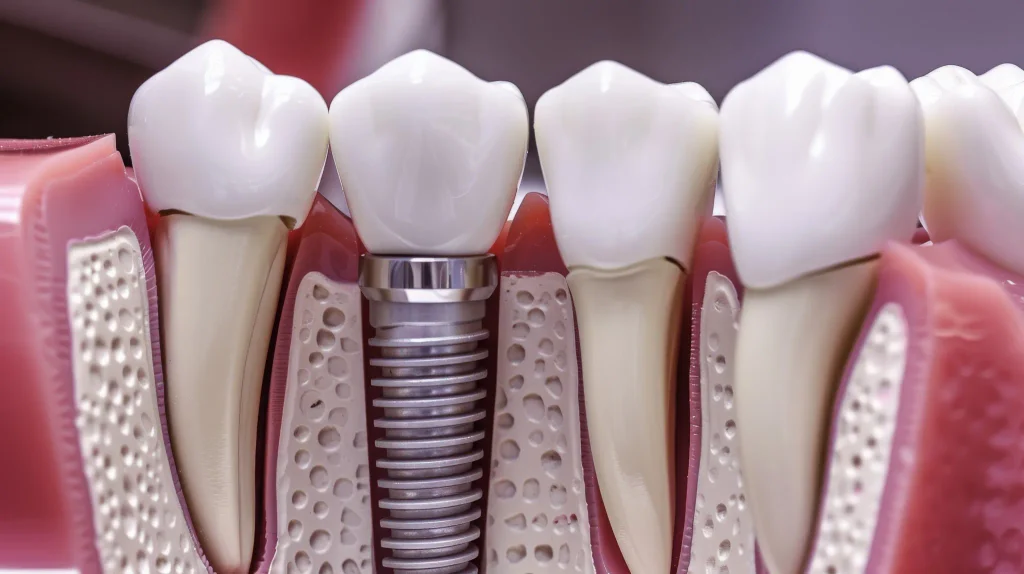
So, do dental implants hurt? The procedure itself should not typically cause sharp pain because the treatment area is numbed with local anesthesia. You may notice pressure, vibration, or movement during implant placement, while some soreness and swelling can occur after the procedure as your mouth heals.
Following your dentist’s aftercare instructions can help make recovery more comfortable and support proper healing. If you are considering dental implants, South Shore Dentistry & Implants can evaluate your oral health, explain what to expect from treatment, and help you understand the options available for restoring your smile.
Frequently Asked Questions
Are dental implants painful?
Dental implant placement is generally performed under local anesthesia, so you should not feel sharp pain during the procedure. Some pressure or vibration may be noticeable. Mild soreness and tenderness can occur after the anesthesia wears off.
How painful are dental implants after surgery?
Most patients experience some soreness, tenderness, or swelling after implant surgery. The level of discomfort varies depending on the complexity of the procedure and individual healing. Your dentist can recommend appropriate ways to manage postoperative discomfort.
How long does pain last after dental implants?
Discomfort is generally most noticeable during the first few days and should gradually improve as healing progresses. If pain becomes more severe instead of improving, contact your dentist for an evaluation.
Is getting a dental implant worse than having a tooth removed?
Both procedures can cause some soreness during recovery, but the experience varies from patient to patient. Dental implant placement is performed with anesthesia, and your dentist will use appropriate measures to keep you comfortable throughout treatment.
Can I eat normally after getting a dental implant?
Your dentist may recommend soft foods and avoiding the implant area during the initial healing period. Follow the specific dietary instructions provided by your dental team because recommendations can vary depending on the procedure.
What helps with dental implant pain?
Following your dentist’s aftercare instructions, taking recommended medication, maintaining appropriate oral hygiene, and avoiding pressure on the surgical area can help manage discomfort during recovery.