
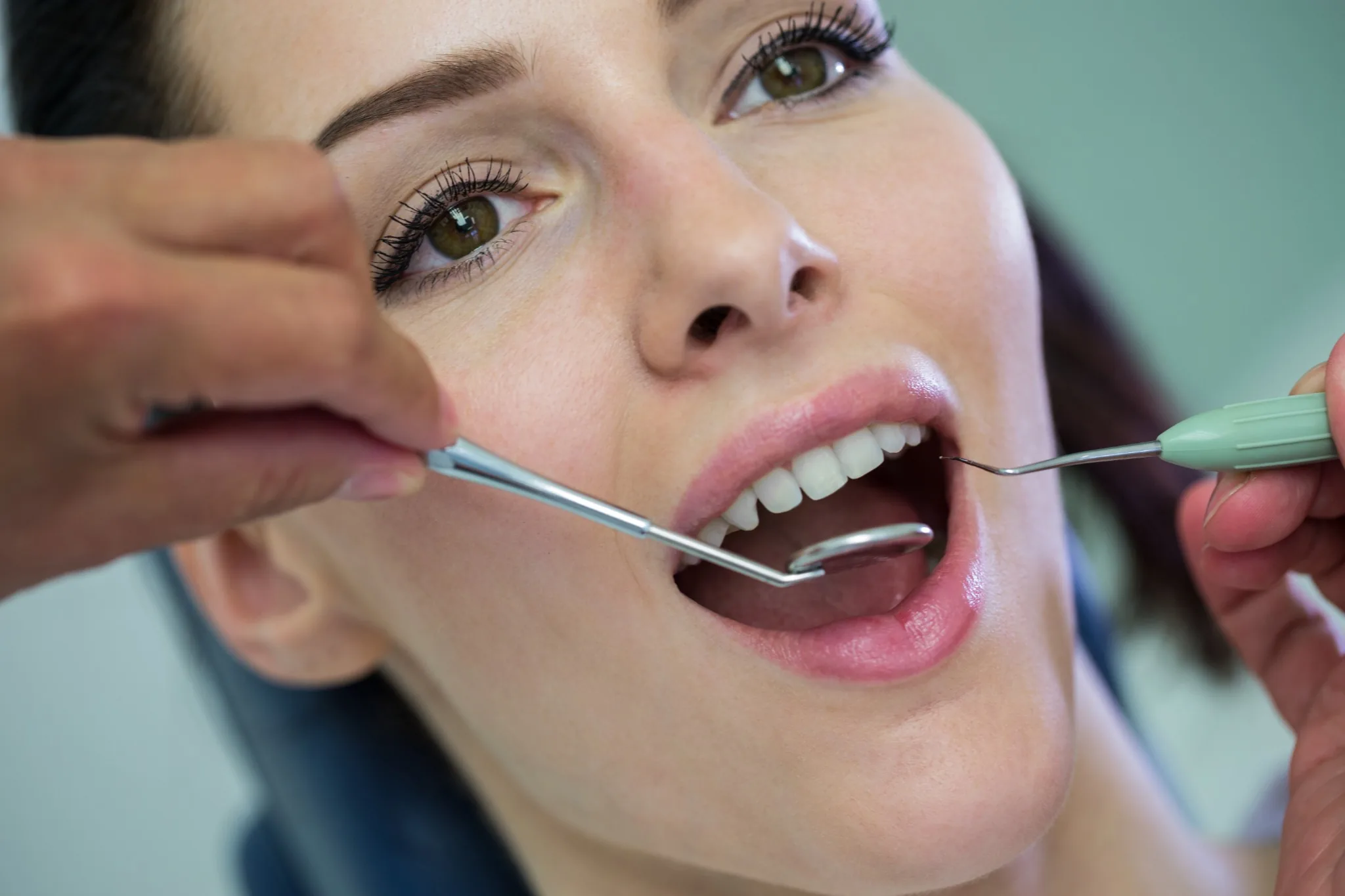
Dental bonding is a simple cosmetic dental treatment that can improve the appearance of teeth affected by small chips, gaps, discoloration, or uneven shapes. Looking at dental bonding before and after results can help you understand the type of changes this procedure may provide. The treatment uses a tooth-colored composite resin that is carefully applied, shaped, and polished to create a natural-looking result.
The process of dental bonding involves almost no preparation as compared to other forms of cosmetic procedures. In addition, it can also be done on a single occasion, depending on the number of teeth one decides to correct. One will have a preliminary examination by the dentist, who will discuss their cosmetic objectives before finally deciding if bonding is suitable for them.
What Is Dental Bonding?
Dental bonding is a procedure accomplished by a dentist using a composite resin material to restore the form and function of a tooth. The resin is matched to the color of the patient’s surrounding teeth, and the tooth is contoured and reshaped into a natural-looking tooth. This procedure may be used to correct a number of minor dental flaws. It may also be utilized to protect exposed dentin on the surface of a tooth that has been damaged.
During the procedure the dentist prepares a surface of the treated tooth in order to obtain a precise adhesion of the composite. The composite is then applied to the tooth and properly shaped and contoured. When the composite is sufficiently cured by a curing light, the dentist will finally trim and polish the composite material.
Dental Bonding Before and After: What Changes?
The difference between dental bonding before and after treatment can be noticeable when teeth have minor cosmetic imperfections. A chipped edge can be rebuilt, a small gap can be reduced, and an irregular tooth shape can be made more balanced. The goal is usually to make the treated tooth look natural rather than noticeably restored.
The final appearance depends on the condition of the tooth, the amount of composite resin used, the dentist’s technique, and the shade selected. Good color matching and careful shaping are important because front teeth are highly visible when you smile or speak.
Chipped Teeth
Small chips on the edge of the tooth may leave the tooth with an uneven surface or a damaged appearance. Bonding can be used to restore such a tooth by adding composite resin to the damaged site, which is then sculpted to match the natural shape of the tooth, hiding the unevenness or damage.
Such bonding is especially suitable for small chips since it can be used to mask the damaged area. However, extensive damage to the tooth or one that required more significant reshaping should be restored using another procedure.
Small Gaps Between Teeth
Small gaps between teeth can often be fixed using dental bonding. Rather than trying to move teeth around (which can be time-consuming), dentists use a composite resin material. Think of it as a custom-fitted plastic that can effectively mask the space between teeth by filling it up.
This method can provide a reasonably quick cosmetic fix in cases where the space between the teeth is amenable to being bonded. The dentist will take into account the size, location, and other factors such as the bite and the condition of adjacent teeth in deciding whether this procedure is right for you.
Tooth Shape and Size
Some teeth may look shorter and smaller than others. They could also be asymmetrical. The dentist can add composite resin to the sides of teeth in such cases. It will allow the patient to have proportionally shaped and symmetrical teeth.
The dentist will look at the shape of the neighboring teeth when sculpting the resin. It will ensure that the bonded tooth will not stick out from the rest of the smile unnaturally.
Minor Discoloration
Dental bonding may improve the appearance of certain areas of tooth discoloration, particularly when the affected area is relatively small. A tooth-colored resin can be selected to cover or mask some cosmetic imperfections.
However, bonding is not suitable for every type of staining. If discoloration affects several teeth or is caused by deeper changes within the tooth, your dentist may recommend another cosmetic treatment after examining your smile.
How Does Dental Bonding Work?
The dental bonding procedure generally involves several straightforward steps. First, your dentist examines the tooth and discusses the result you want to achieve. A shade of composite resin is then selected to closely match your natural tooth color, especially when the treatment involves a visible front tooth.
The tooth surface is prepared to help the bonding material adhere securely. The dentist applies the composite resin and shapes it gradually to achieve the desired contour. A curing light is used to harden the material, after which the dentist makes final adjustments and polishes the surface.
The dentist may also check how your upper and lower teeth come together. This is especially important when bonding is placed near the biting edge of a tooth. Proper shaping can help the restoration feel comfortable during normal chewing.
How Long Does Dental Bonding Last?
Dental bonding can last for several years, although its lifespan varies from person to person. Factors such as the location of the bonding, oral hygiene, eating habits, tooth grinding, and the amount of pressure placed on the treated tooth can all affect how long the material remains in good condition.
Bonding on front teeth can be vulnerable to chips if you regularly bite hard foods or objects with those teeth. Habits such as biting fingernails, chewing ice, or using your teeth to open packages can also place unnecessary stress on the composite material.
Regular dental examinations can help your dentist monitor the bonded area over time. If the material becomes chipped, stained, or worn, it may be possible to repair or replace it depending on the condition of the tooth.
Caring for Your Teeth After Dental Bonding
One should maintain proper oral hygiene after undergoing such a procedure as dental bonding since natural teeth along with bonded ones require special care. It is necessary to brush and floss teeth at least twice a day using fluoride toothpaste. In addition, it is essential to have teeth examined by a dentist on a regular basis. The professional will be able to monitor the state of bonding as well as the condition of the nearby teeth.
One should take proper care of his or her teeth after undergoing such a procedure as dental bonding since natural teeth along with bonded ones require special attention. It is essential to brush and floss teeth at least two times a day using a fluoride toothpaste. Besides, it is vital to have teeth examined by a dentist on a regular basis. The professional will be able to monitor the bonding state as well as the state of the nearby teeth.
Dental Bonding vs. Veneers
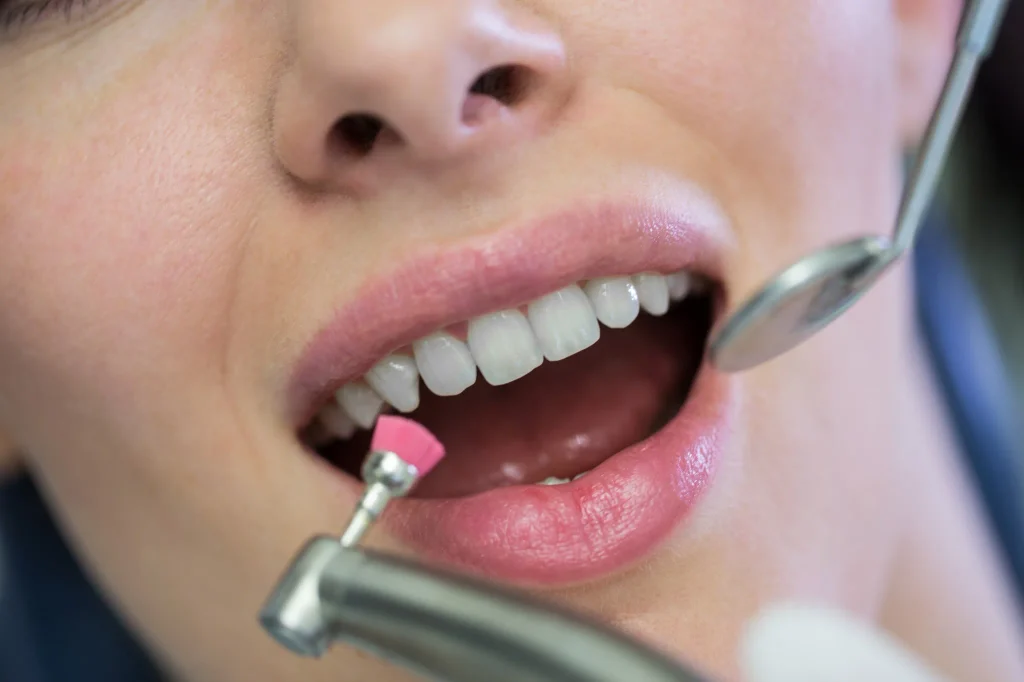
Both bonding and veneers may be used to restore the normal structure and appearance of teeth. But they are different procedures. The process of bonding includes adding composite resin material to the surface of the tooth, shaping it, and hardening. Then, the dentist will shave it to smooth and polish the tooth. It is a quick and simple procedure that generally takes place during one office visit.
Veneers are thin covers made of porcelain or dental ceramic, which are bonded to the front surface of the teeth. They usually require more involved preparation and are often selected for more extensive cosmetic improvements or to take advantage of specific qualities inherent to the material. The choice between laminates and veneers depends on the condition of the teeth, the cosmetic objective of the treatment, and the dentist’s recommendations.
Is Dental Bonding Right for You?
Dental bonding could be beneficial for patients with chipped or uneven teeth, as well as those with spacing problems. This treatment option can restore the appearance of a person’s smile to a great extent while also maintaining the majority of the healthy tooth material. The bonding procedure is also advantageous because it can be completed relatively rapidly.
However, bonding might not always be the perfect choice for each dental condition. If the teeth are severely damaged, significantly discolored, have a substantial bite issue, or a significantly big gap between them, another option may be a better choice. The dentist, during the examination, will evaluate the patient’s teeth condition and decide what is the best course of treatment.
Conclusion
Dental bonding before and after results can show a noticeable improvement in the appearance of teeth affected by minor chips, small gaps, uneven shapes, or certain discoloration. By applying tooth-colored composite resin directly to the tooth, a dentist can reshape and restore its appearance while preserving much of the natural tooth structure.
The treatment is generally quick, minimally invasive, and capable of producing natural-looking results when properly planned and performed. With good oral hygiene, regular dental visits, and careful habits, bonded teeth can remain attractive and functional for several years. If you are considering dental bonding, South Shore Dentistry & Implants can evaluate your teeth, discuss your cosmetic goals, and help you determine if bonding is the right option for your smile.
Frequently Asked Questions
Does dental bonding look natural?
Dental bonding can look very natural when the composite resin is properly matched to the surrounding teeth and carefully shaped and polished. The dentist considers the tooth’s size, contour, color, and position to help the restoration blend with your smile.
Is dental bonding painful?
Dental bonding is generally a comfortable procedure because it usually involves minimal removal of natural tooth structure. In many cases, anesthesia may not be necessary, although your dentist may use it when appropriate based on the tooth and treatment area.
Can dental bonding fix a chipped tooth?
Yes, dental bonding is commonly used to repair minor chips. The dentist adds composite resin to the damaged area and shapes it to restore a smoother, more natural-looking tooth edge.
Can dental bonding close gaps?
Dental bonding can close or reduce certain small gaps between teeth. However, the treatment is not suitable for every type or size of gap. Your dentist will evaluate your bite and tooth position before recommending bonding.
Can bonded teeth be whitened?
Whitening treatments generally affect natural tooth enamel differently from composite resin. If you are considering teeth whitening, discuss it with your dentist before bonding so the resin can be matched to the desired tooth shade.