
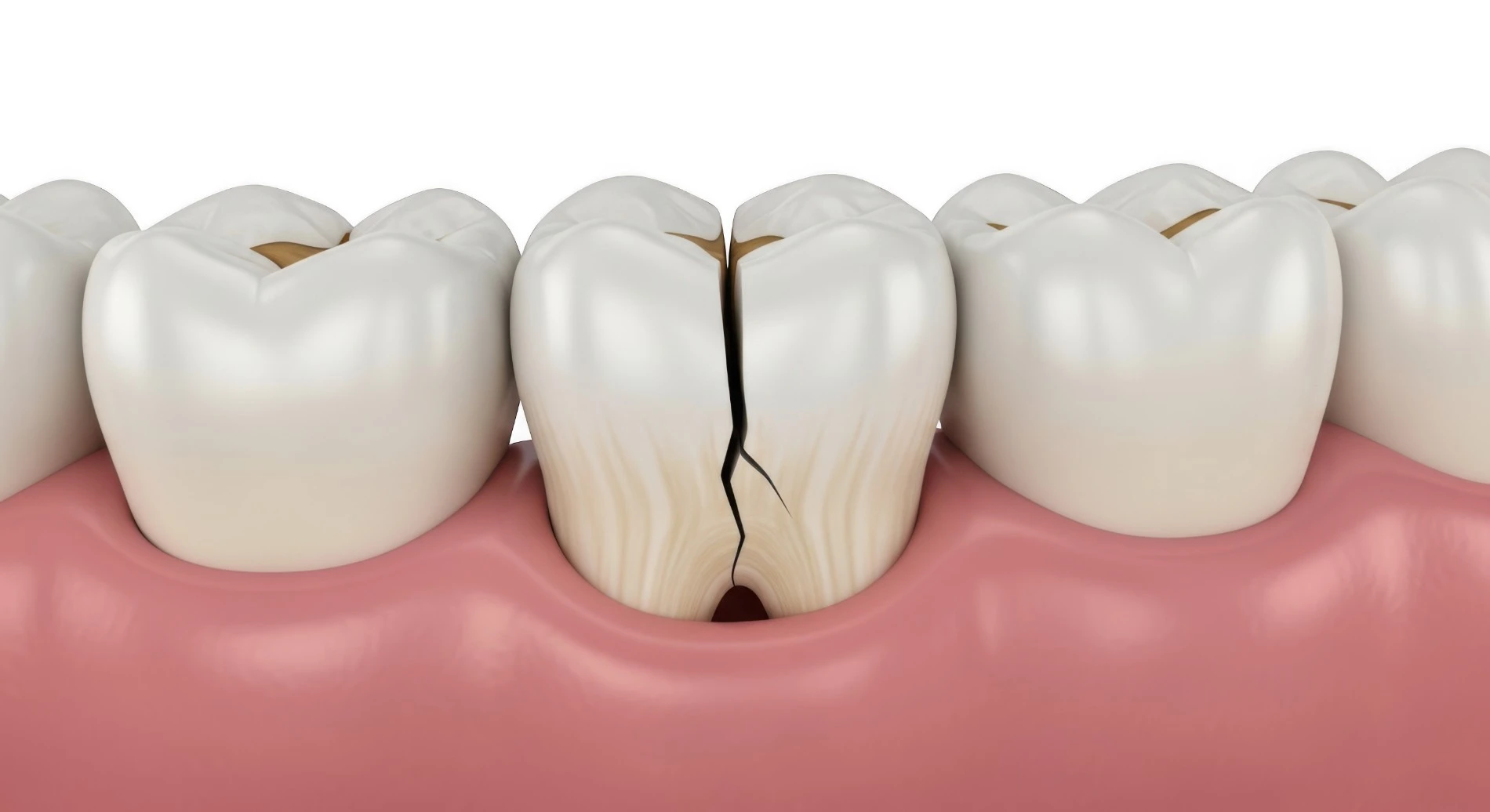
A cracked tooth can make you worry about losing your natural tooth. You may feel pain when chewing, notice sensitivity to cold drinks, or discover a visible crack. One of the first questions you might ask is, does a cracked tooth need to be pulled?
The good news is that not every cracked tooth needs extraction. Many can be saved with dental bonding, a crown, or root canal treatment. However, some severe cracks may make extraction necessary.
The right treatment depends on how deep the crack goes, where it is located, and how much of the tooth remains healthy.
Does a Cracked Tooth Always Need to Be Pulled?
No, a cracked tooth does not always need to be pulled. Many cracked teeth can be repaired, especially when the damage is limited to the upper part of the tooth. A dentist may recommend a filling, dental crown, or root canal treatment to protect the tooth and restore its function.
However, extraction may be necessary if the tooth has split into separate pieces or the crack has severely damaged the root. A dental examination helps determine whether the tooth can be saved.
Several factors influence this decision:
- Crack depth: Small surface cracks are generally easier to manage than deep fractures.
- Crack location: Cracks extending below the gumline or into the roots can be harder to treat.
- Nerve damage: Damage to the tooth’s inner tissue may require root canal treatment.
- Remaining tooth structure: A tooth needs enough healthy structure to support a lasting restoration.
- Tooth stability: Severe fractures that separate the tooth into pieces may make extraction necessary.
Types of Cracked Teeth and Whether They Can Be Saved
Not all tooth cracks are the same. Some affect only the outer enamel, while others extend into the deeper layers or roots. Knowing about the type of fracture helps explain why certain teeth can be repaired and others may need removal. A dentist examines the tooth, checks your symptoms, and may use dental imaging or other tests to assess the damage.
Hairline Fracture Tooth (Craze Lines)
A hairline fracture tooth often has very thin lines on its enamel. These are commonly called craze lines. They usually affect only the outer surface and do not cause pain or weaken the tooth significantly.
Most craze lines do not require treatment. However, a dentist should check any new crack, especially if you experience sensitivity or pain when biting.
Cracked Tooth or Fractured Tooth
A cracked or fractured tooth may have a crack running from its chewing surface toward the root. The tooth may remain in one piece, but chewing can cause discomfort.
If the crack has not damaged the tooth beyond repair, a dental crown may help hold it together. Root canal treatment may also be necessary if the inner tissue becomes inflamed or infected.
Broken Tooth or Fractured Cusp
A fractured cusp happens when part of the tooth’s chewing surface breaks, often near a large filling. You may notice a missing piece, a sharp edge, or discomfort while eating.
Many fractured cusps can be repaired with a dental filling or dental crown. Root canal treatment is usually unnecessary unless the damage affects the pulp.
Split Tooth and Vertical Root Fracture
A split tooth occurs when a crack separates the tooth into distinct sections. In many cases, the entire tooth cannot be saved, although certain teeth may have treatment options that preserve part of the tooth.
A vertical root fracture begins in the root and may cause infection or swelling. Extraction is often needed, but some multi-rooted teeth may be treated by removing only the damaged root.
When Does a Cracked Tooth Need to Be Extracted?
A cracked tooth may need extraction when the damage is too severe for a reliable repair. Dentists generally try to preserve natural teeth whenever possible. However, keeping a tooth that cannot be restored may lead to continued pain, infection, or further damage to surrounding tissues.
Extraction may be recommended in the following situations:
- The tooth has completely split: The fracture has separated the tooth into pieces that cannot be restored together.
- The root is severely fractured: A deep root fracture makes saving the affected tooth difficult.
- The crack extends too far below the gumline: There may not be enough accessible tooth structure for a stable restoration.
- Too much tooth structure is missing: A crown or filling cannot provide reliable support.
- The tooth cannot be predictably restored: Even after considering available treatments, the tooth has a poor chance of lasting.
How Can a Dentist Fix a Cracked Tooth Without Pulling It?
Several dental treatments can repair or protect a cracked tooth without removing it. The best treatment depends on the crack’s depth, location, and the amount of healthy tooth structure remaining.
Dental bonding or fillings can repair small chips and minor tooth damage. Bonding uses tooth-colored resin to restore the tooth’s appearance and function, while fillings can repair certain broken areas. However, deeper cracks may require stronger protection.
Dental crowns cover and protect cracked teeth while restoring their shape and chewing function. Dentists often recommend crowns when enough healthy tooth structure remains. A crown can help stabilize the tooth and reduce pressure on the damaged area.
Root canal treatment may be necessary when a crack reaches the tooth’s inner pulp, causing inflammation or infection. The dentist removes the affected pulp, cleans and seals the tooth, and usually places a crown afterward to protect it.
Tooth extraction and replacement may be necessary if the tooth is too damaged to repair. After extraction, a dentist may recommend a dental implant, bridge, or partial denture to replace the missing tooth and restore chewing function.
Does a Cracked Molar Need to Be Pulled?
A cracked molar does not always need to be pulled. Molars handle much of the pressure involved in chewing, which makes them vulnerable to fractures. Cracks may develop from biting hard foods, teeth grinding, or damage around large fillings.
If the crack affects only part of the molar and enough healthy structure remains, a dental crown may protect it. Root canal treatment may be needed if the pulp becomes damaged or infected. A dental examination is necessary to determine whether the molar can be saved.
However, a molar with a severe split or an extensive root fracture may require extraction. Because molars have multiple roots, some may also be candidates for procedures that preserve the healthy portion.
What If Your Tooth Is Cracked in Half but Doesn’t Hurt?
Having a tooth cracked in half with no pain does not necessarily mean the damage is minor. Some fractures cause little or no discomfort, even when the tooth is seriously damaged. This can happen when the crack does not irritate the nerve or when the nerve has lost its ability to respond normally.
You might notice a visible separation, a loose piece, or a change in how your teeth fit together without experiencing pain.
Even if the tooth feels normal, it should be examined promptly. A severely fractured tooth can become infected or break further while chewing.
Do not try to move the broken pieces or test the tooth by biting on it. Avoid chewing on that side until a dentist evaluates the damage.
What to Do for a Cracked Tooth Before Seeing a Dentist

If you suspect a cracked tooth, taking a few simple precautions can help protect it until your dental appointment. While home care cannot repair the fracture, it may reduce discomfort and prevent additional pressure on the damaged tooth.
Here is what to do for a cracked tooth:
- Rinse your mouth gently: Use warm water or a mild saltwater rinse to help keep the area clean.
- Avoid chewing on the affected side: Choose soft foods and avoid hard, crunchy, or sticky items.
- Apply a cold compress: If swelling occurs, place a cold compress against the outside of your cheek for short periods.
- Save any broken pieces: Place a detached tooth fragment in milk and bring it to your dental appointment.
- Manage discomfort safely: Consider an over-the-counter pain reliever if it is appropriate for you, following the package instructions.
- Contact a dentist: Arrange an evaluation as soon as possible, even if the crack is not painful.
Seek urgent dental care for severe pain, increasing swelling, or signs of infection. If swelling affects breathing or swallowing, or you experience serious facial injury or uncontrolled bleeding, seek emergency medical care immediately.
Can You Fix a Cracked Tooth Naturally at Home?
If you are searching for how to fix a cracked tooth naturally, it is important to understand that a true tooth fracture cannot heal on its own. Unlike bones, damaged tooth enamel and deeper tooth structures cannot reconnect after a crack develops.
Warm saltwater rinses, cold compresses, and avoiding hard foods may provide temporary comfort. However, these methods do not seal a crack or restore the tooth’s strength.
Avoid using household glue, attempting to file the tooth, or applying unproven remedies to the damaged area. These methods may cause irritation or make professional repair more difficult.
A dentist can examine the crack and recommend treatment that protects the tooth and reduces the risk of further damage.
Conclusion
So, does a cracked tooth need to be pulled? Not always. Many cracked teeth can be saved with fillings, dental crowns, or root canal treatment. Extraction is generally considered when the damage is too extensive for a reliable repair.
If you have a cracked tooth, don’t wait for the pain to become severe. Early evaluation can help identify treatment options and protect your oral health.
South Shore Dentistry & Implants helps patients in Cudahy, WI, understand their treatment options and make informed decisions about their dental health. Schedule a dental evaluation to find out whether your cracked tooth can be saved.
Frequently Asked Questions About Cracked Teeth
Can a Cracked Tooth Heal on Its Own?
No, a true cracked tooth cannot heal naturally. Small craze lines may not require treatment, but deeper fractures need professional evaluation. Depending on the damage, a dentist may recommend bonding, a crown, or root canal treatment to protect the tooth.
How Long Can You Leave a Cracked Tooth Untreated?
There is no guaranteed safe waiting period for a cracked tooth. Some cracks remain stable, while others worsen under chewing pressure. Delaying treatment can increase the risk of pain, infection, or tooth loss. Contact a dentist promptly rather than waiting for symptoms to develop.
Can a Cracked Tooth Be Saved With a Root Canal?
Yes, some cracked teeth can be saved with root canal treatment, particularly when the crack has affected the pulp but the remaining tooth can still be restored. A crown may be needed afterward. However, root canal treatment cannot save every fractured tooth, especially when the crack has caused severe structural damage.
Is a Cracked Tooth Considered a Dental Emergency?
A cracked tooth does not always require emergency treatment, but it should be assessed promptly. Severe pain, swelling, a loose tooth segment, or a significant injury may require urgent dental attention. Serious swelling that affects breathing or swallowing requires immediate emergency medical care.
What Happens if a Cracked Tooth Is Not Treated?
An untreated crack may spread deeper into the tooth, especially with repeated chewing pressure. It can also allow bacteria to reach the pulp, potentially causing infection or an abscess. Some minor surface cracks remain harmless, but only a dental examination can determine whether treatment is needed.