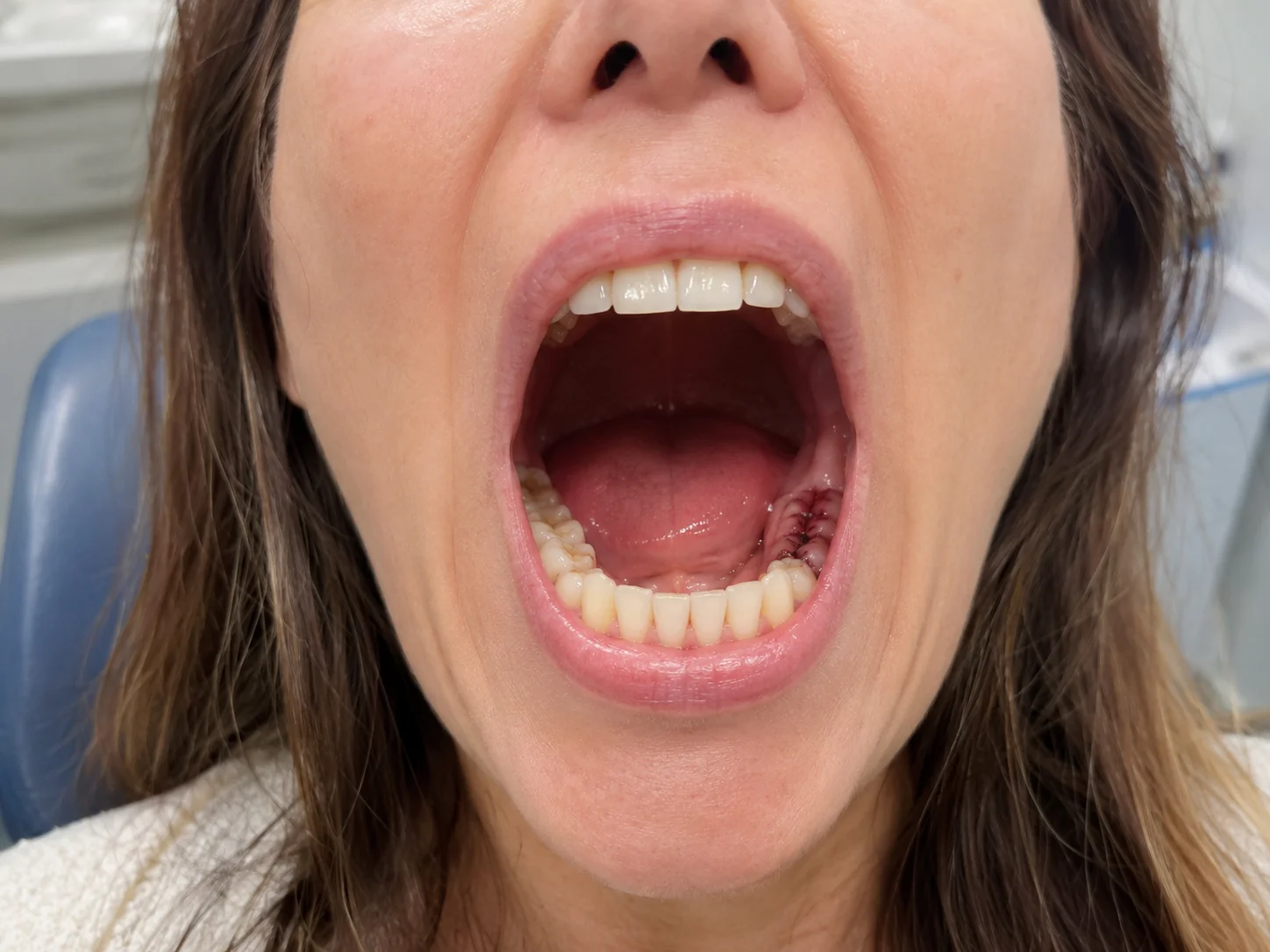
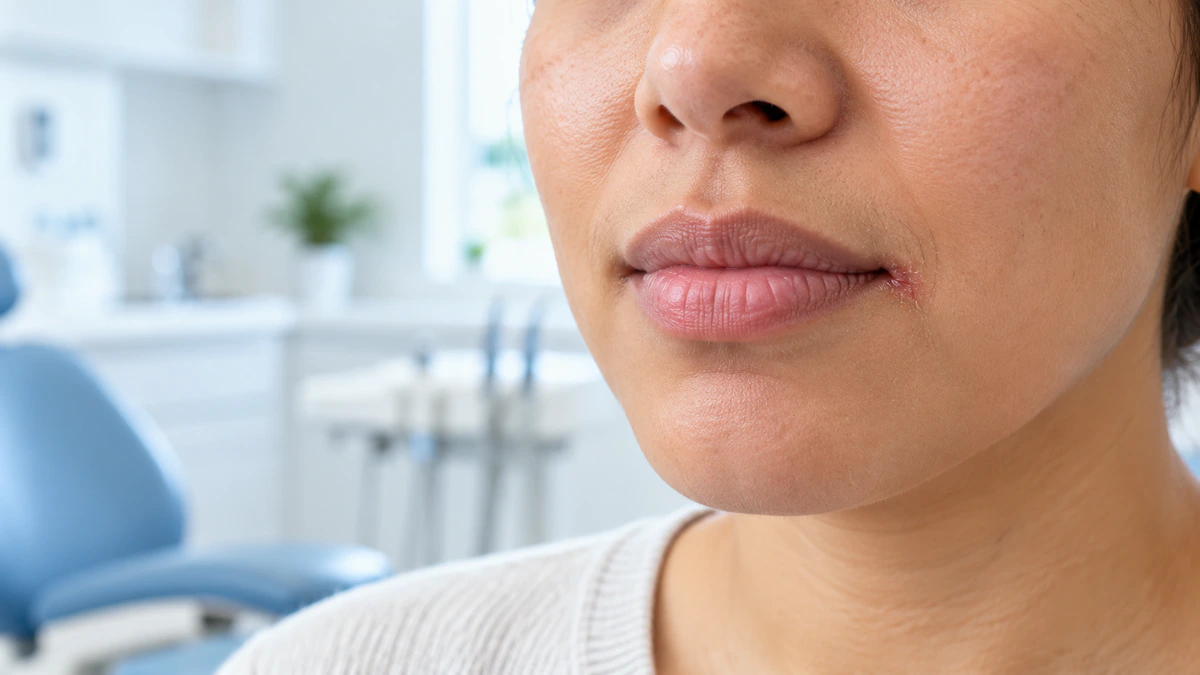
A cracked corner of your mouth can cause a lot of discomfort. It may hurt when you smile, eat, or open your mouth. Sometimes, the skin becomes red and sore. You may also notice that the crack keeps coming back.
This could be a sign of angular cheilitis. It is a common skin condition that affects the corners of the mouth. It can happen for several reasons, including moisture, irritation, infection, or dental problems.
At South Shore Dentistry & Implants, we understand that comprehensive dental services concerns can affect your daily comfort. Knowing what causes these symptoms can help you take the right steps.
What Is Angular Cheilitis?
Angular cheilitis is a condition that causes inflammation at one or both corners of the mouth. It can make the skin dry, red, cracked, or sore. The condition can affect people of any age.
It is more common in people who wear dentures or have frequent moisture around their lips. Some cases improve with simple care, while others need professional treatment.
Unlike chapped lips, which affect a larger area, angular cheilitis mainly develops at the corners of the mouth. It is also different from cold sores and is not contagious itself.
What Are the Symptoms of Angular Cheilitis?
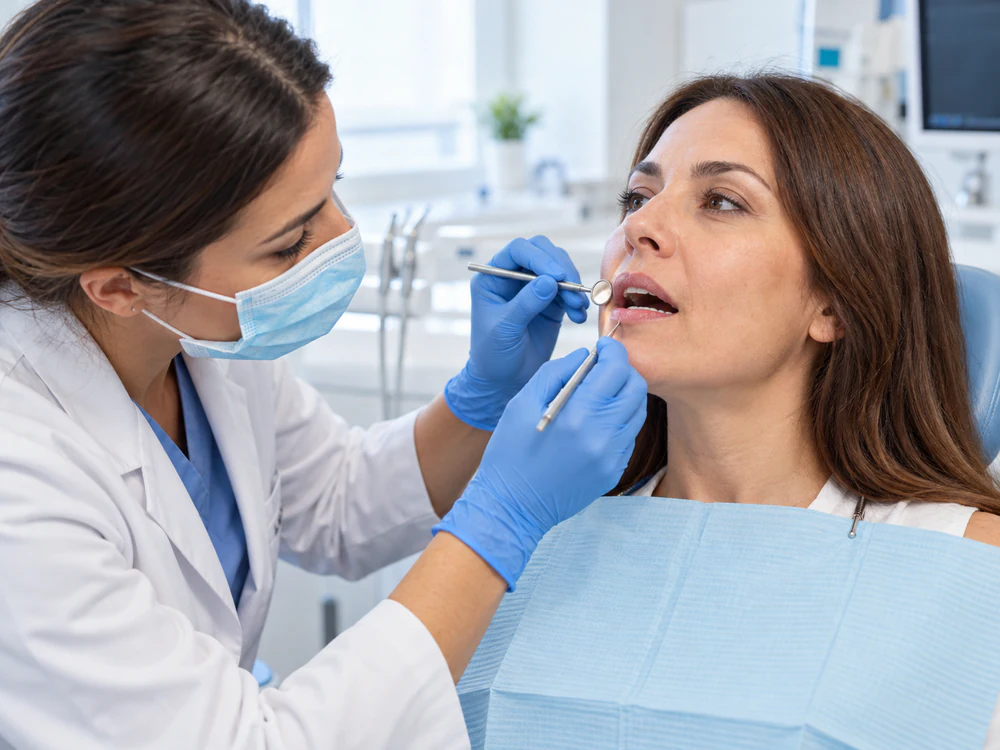
The symptoms often begin with mild irritation around the lips. When the corner of the mouth cracks, you may feel pain while eating or opening your mouth. A sore at the corner of the mouth may also cause redness, burning, or discomfort.
Common symptoms include:
- Cracked or split skin at one or both mouth corners.
- Redness or changes in skin color around the affected area.
- A sore at the corner of the mouth.
- Burning or stinging when eating certain foods.
- Dry or crusty skin near the lips.
- Minor bleeding when the mouth opens wide.
- Swelling or tenderness around the cracks.
Why Do the Corners of Mouth Crack?
There is no single cause of angular cheilitis. Several factors can damage the skin around the mouth and make it more likely to crack.
Saliva Buildup Around the Mouth
Saliva can irritate the skin at the corners of your mouth. When it collects and dries, the skin may become weak and develop small cracks. This can lead to cracks in the corner of the mouth. Frequent lip licking can make the problem worse by causing more dryness and irritation.
Fungal or Bacterial Infections
Cracked skin can allow fungi or bacteria to grow around the mouth. Candida yeast and certain bacteria can cause or worsen angular cheilitis. An infection may lead to redness, pain, and crusty skin.
However, not every case involves an infection, so proper diagnosis is important before using medicated creams.
Dry Skin and Environmental Conditions
Cold weather, dry air, and sensitive skin can cause irritation around the lips. A small lip edge crack may develop when the skin becomes too dry. Certain lip products, toothpaste ingredients, and skincare products can also irritate sensitive skin and slow healing.
Nutritional Deficiencies
Low levels of certain nutrients can sometimes contribute to angular cheilitis. These include iron, vitamin B12, folate, and other B vitamins. A person with a nutritional deficiency may notice recurring mouth sores or cracks. They may also have other symptoms.
Poorly Fitting Dentures and Dental Problems
Dental conditions can also play a role. Dentures that do not fit properly may change how the lips meet. This can allow saliva to collect in the folds at the mouth corners. Missing teeth or reduced support around the mouth may cause similar problems.
Over time, the skin in these areas can become irritated.
Angular Cheilitis Treatment: Effective Ways to Heal Cracked Mouth Corners

The best angular cheilitis treatment depends on what is causing the irritation. Some people improve with basic skin care. Others may need medication or dental treatment to address the underlying problem.
1. Protect the Cracked Skin
Keeping the cracked skin protected can help it heal. Apply a small amount of plain, fragrance-free ointment, such as petroleum jelly, to clean skin. It helps protect against saliva irritation and dryness. Avoid products that cause burning, itching, or redness.
2. Treat Fungal or Bacterial Infections
A fungal infection may need antifungal cream, while a bacterial infection may require antibiotics. Using the wrong treatment can delay healing. Avoid applying medicated creams without professional advice.
3. Address Nutritional Deficiencies
If a nutrient deficiency is causing angular cheilitis, dietary changes or supplements may help. Foods rich in iron and B vitamins, such as eggs, meat, beans, and leafy vegetables, support healthy skin.
4. Check Denture Fit and Oral Health
Poorly fitting dentures can cause saliva to collect at the corners of the mouth, leading to irritation. A dentist can check your dentures and bite to identify any problems. Denture adjustments or replacement may help reduce irritation and prevent recurring cracks.
How Can You Help Cracked Mouth Corners Heal at Home?
The cracked corners of your lips can become painful when you eat, speak, or smile. Simple home care may help reduce discomfort and protect the skin while it heals. These steps may be helpful for mild irritation.
Keep the area gently clean. Wash the affected skin with water and gently pat it dry. Avoid rubbing or scrubbing the cracks.
Avoid licking your lips. Saliva may feel soothing at first, but repeated licking can increase irritation.
Use a protective ointment. A plain, fragrance-free barrier ointment can help protect cracked skin from moisture.
Avoid irritating foods. Spicy, salty, or acidic foods may cause stinging. Choose foods that feel comfortable while the skin heals.
Drink enough water. Good hydration supports general health and helps prevent dehydration-related dryness.
Maintain good oral hygiene. Brush your teeth regularly and keep dentures clean if you wear them.
Can Dentures Cause Cracks at the Corners of Your Mouth?
Yes. Dentures can sometimes cause cracks at the corners of your mouth, especially when they do not fit properly. Loose or worn dentures can change how your lips rest together. This may create deeper folds where saliva collects and irritates the skin.
Poorly fitting dentures may also cause sore gums, difficulty chewing, and discomfort while speaking. You may notice that your dentures move when eating or talking. Keeping your dentures clean and removing them at night, unless your dentist advises.
If you wear dentures and often experience cracked mouth corners, a dental visit can help identify the cause. Your dentist can check the fit and recommend adjustments if needed. However, angular cheilitis can also affect people with natural teeth.
When Should You See a Dentist or Healthcare Professional?
A small crack caused by minor irritation may improve with basic care. However, persistent or recurring symptoms should not be ignored.
Consider seeking professional advice if:
- The cracks do not improve after several days of gentle care.
- The affected area becomes increasingly painful.
- You notice spreading redness, swelling, or discharge.
- The cracks return frequently.
- Eating or opening your mouth becomes difficult.
- You have other sores or unusual changes inside your mouth.
A primary care provider or dermatologist can assess skin-related causes. They may also recommend tests when an infection or nutritional deficiency is suspected.
How Can You Prevent Angular Cheilitis From Coming Back?
Angular cheilitis can return, especially if the original cause is still present. A few daily habits may help reduce the risk. Keep your lips protected with a gentle, fragrance-free moisturizer. Avoid licking or picking at the corners of your mouth.
If you wear dentures, clean them regularly and have their fit checked when they become loose or uncomfortable. Try to avoid skincare or oral care products that repeatedly cause irritation. Eating a balanced diet can also help maintain healthy skin and oral tissues.
If you have a known nutrient deficiency, follow your healthcare professional’s treatment advice. Regular dental visits can help identify denture problems and other oral health concerns. Prevention is not always possible. Identifying your personal triggers can help you manage recurring symptoms.
Final Thoughts on Angular Cheilitis
Cracked mouth corners may seem like a small problem, but they can make eating, talking, and smiling uncomfortable.
Angular cheilitis treatment focuses on finding the cause and helping the affected skin heal. Simple skin care may be enough for mild cases. Other cases need medical treatment or dental attention.
If your symptoms keep returning, it is best to seek professional advice rather than repeatedly trying different products.
For patients in Cudahy, South Shore Dentistry & Implants can help assess oral health concerns that may contribute to mouth-corner irritation, including denture fit and bite-related problems.
Contact our dental team to schedule a dental appointment if you have concerns about your dentures or oral health.
Frequently Asked Questions
What Is the Fastest Way to Treat Angular Cheilitis?
The fastest approach depends on the cause. A protective ointment may help mild irritation. If an infection is present, a healthcare professional may recommend medication to support healing and reduce discomfort.
Why Do the Corners of My Mouth Keep Cracking?
Repeated cracking can result from saliva irritation, dry skin, infection, or poorly fitting dentures. Nutritional deficiencies may also contribute. A healthcare professional can help identify why the problem keeps returning.
Can a Dentist Help With Angular Cheilitis?
Yes, when dental problems contribute to the condition. A dentist can check denture fit, bite alignment, and oral health. Skin infections or nutritional concerns may require care from another healthcare professional.
Is Angular Cheilitis the Same as a Cold Sore?
No. Angular cheilitis causes irritation and cracks at the corners of the mouth. Cold sores are caused by the herpes simplex virus and usually appear as small, painful blisters around the lips.
How Long Does Angular Cheilitis Take to Heal?
With proper treatment, angular cheilitis often improves within a few days and heals within about two weeks. Healing may take longer if an infection or another underlying cause is not treated.
Can Angular Cheilitis Go Away on Its Own?
Mild cases may improve without medication if the irritation stops. Keeping the area clean and protected can help. However, persistent cracks or recurring symptoms may need professional evaluation and treatment.