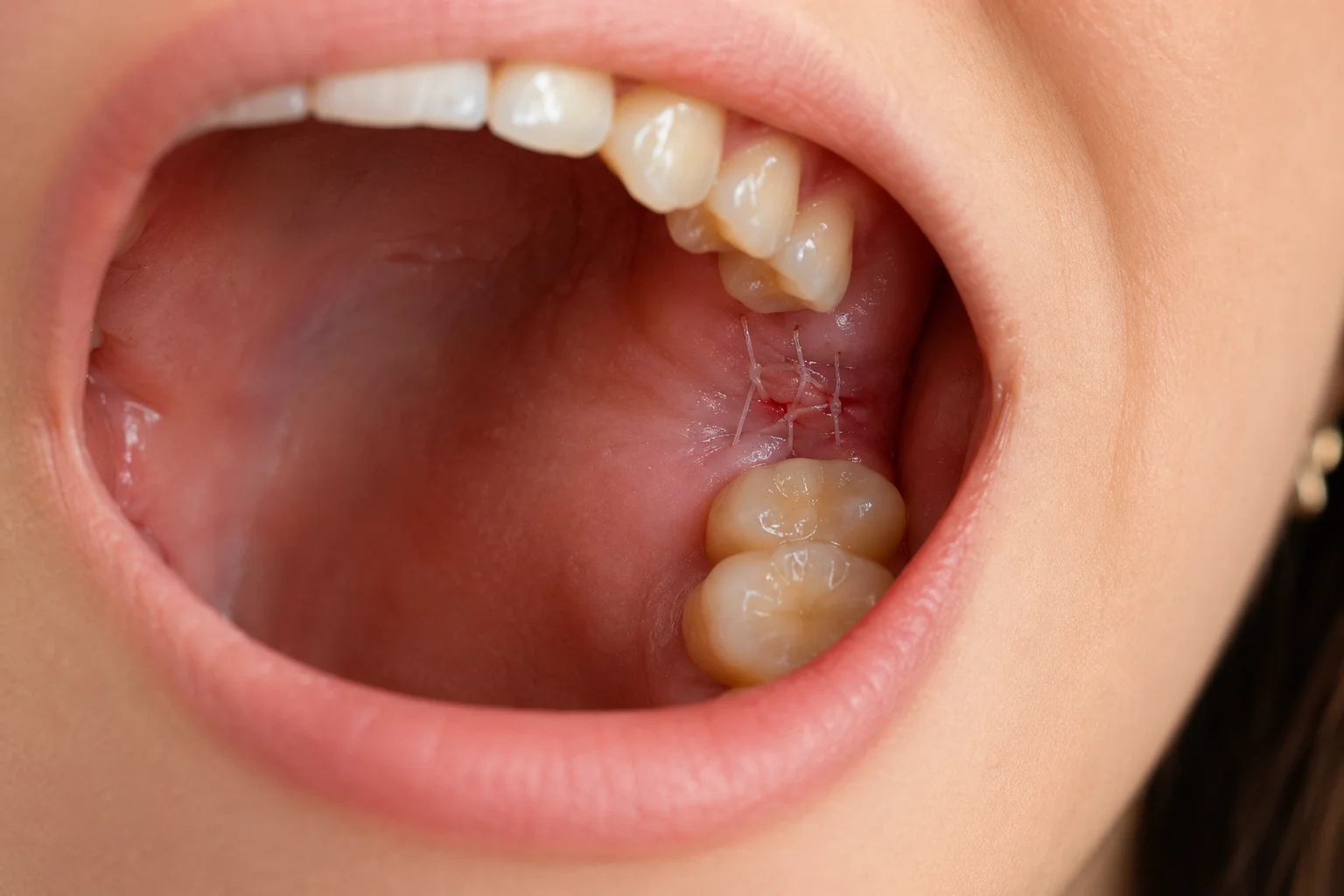
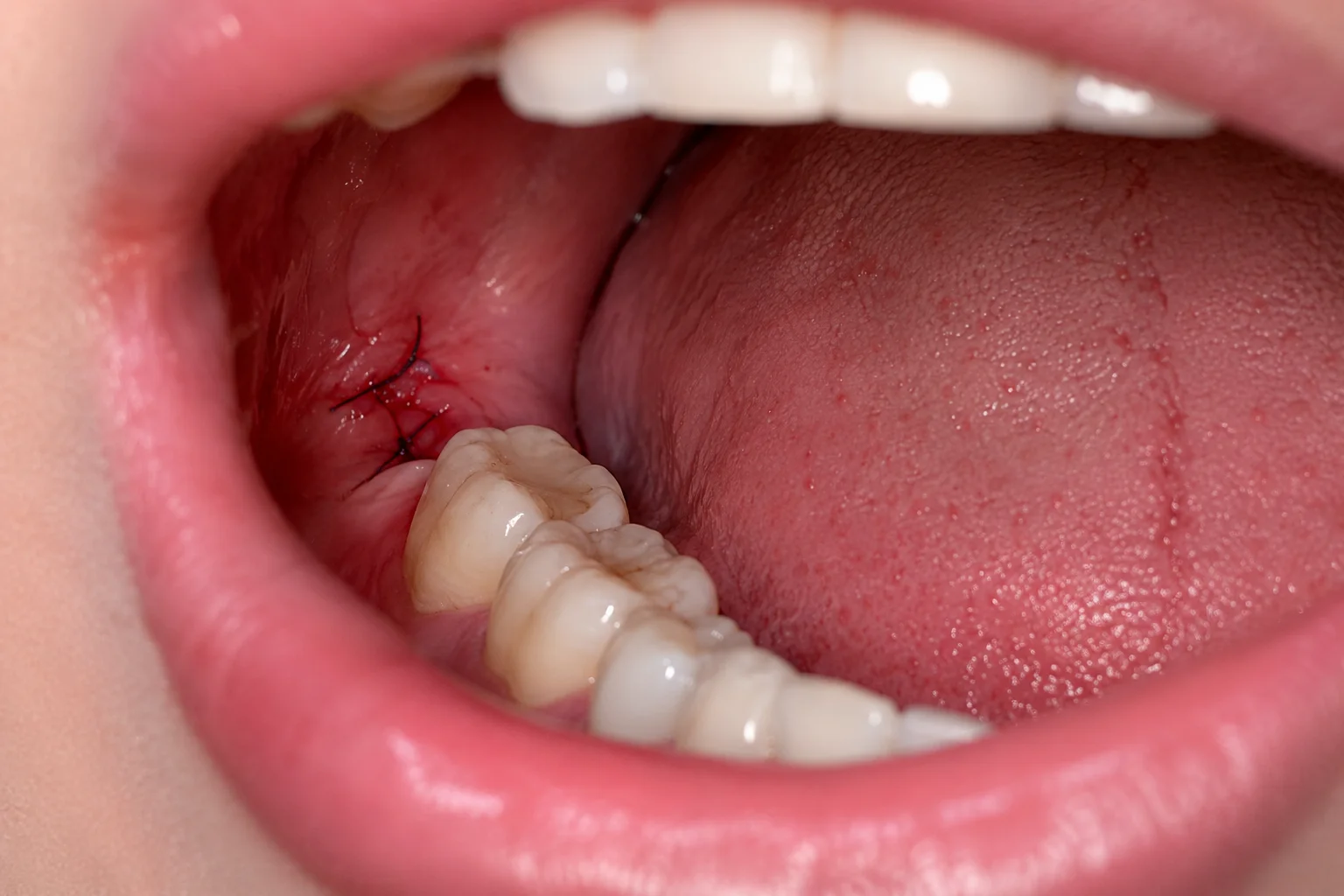
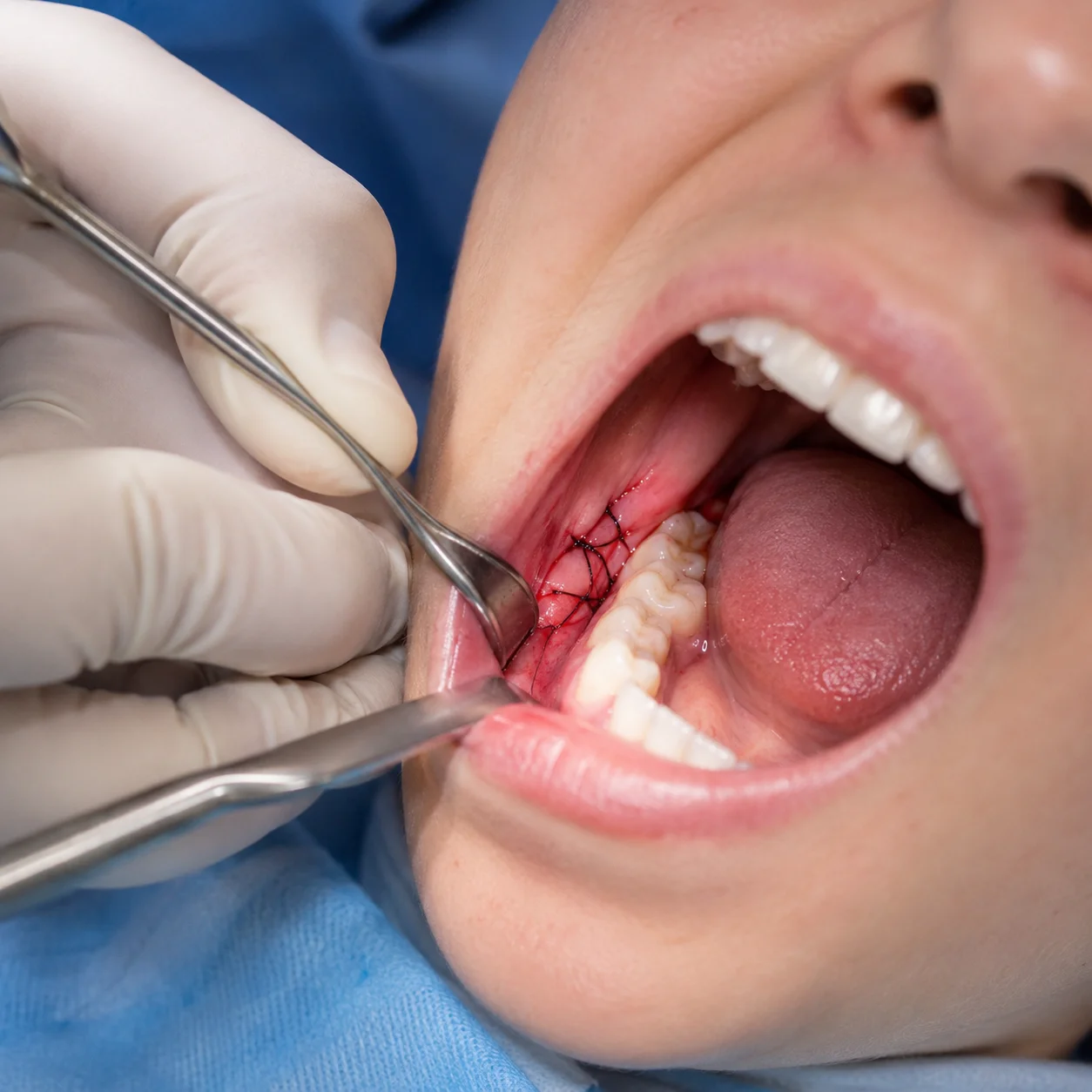
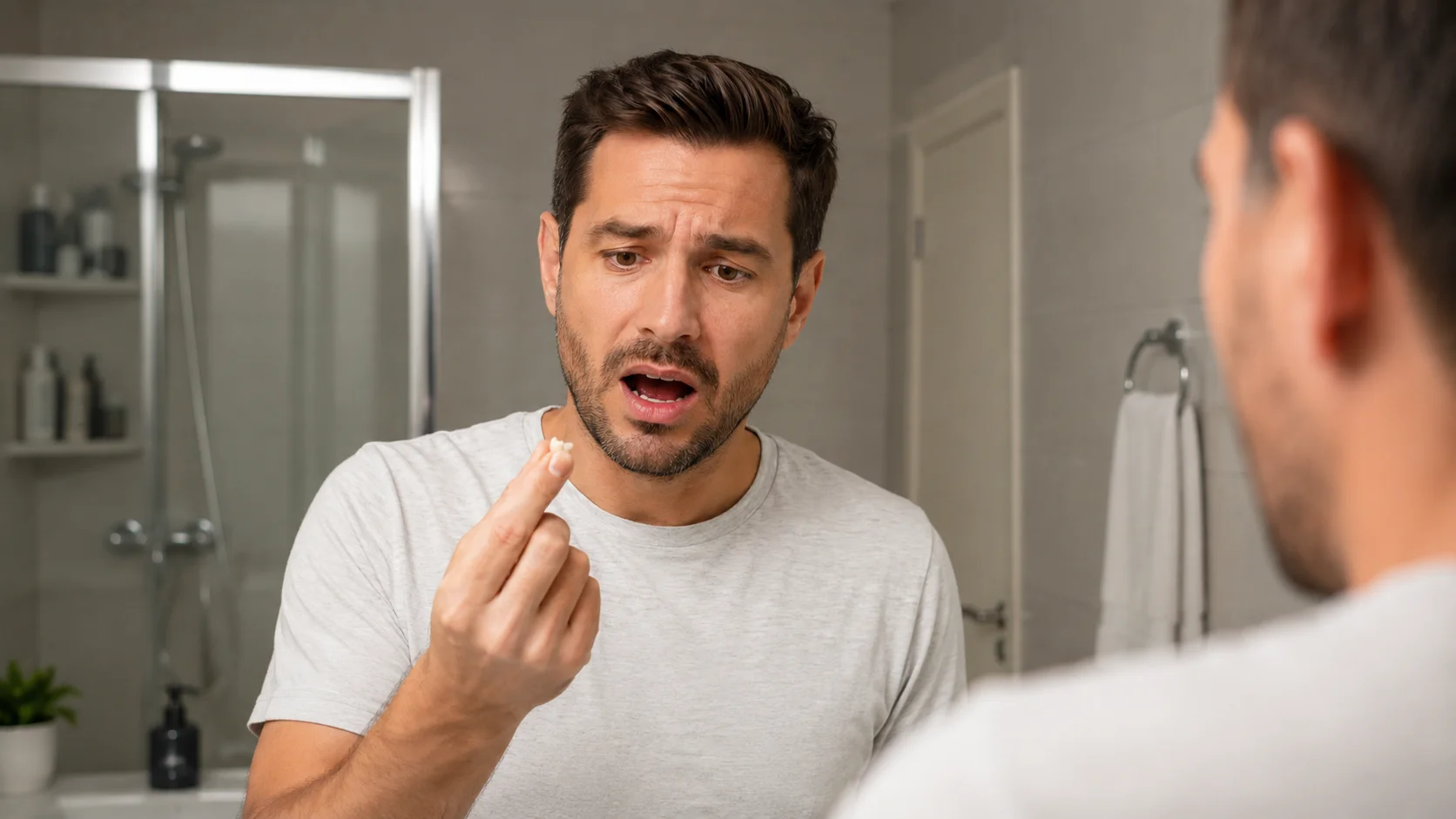
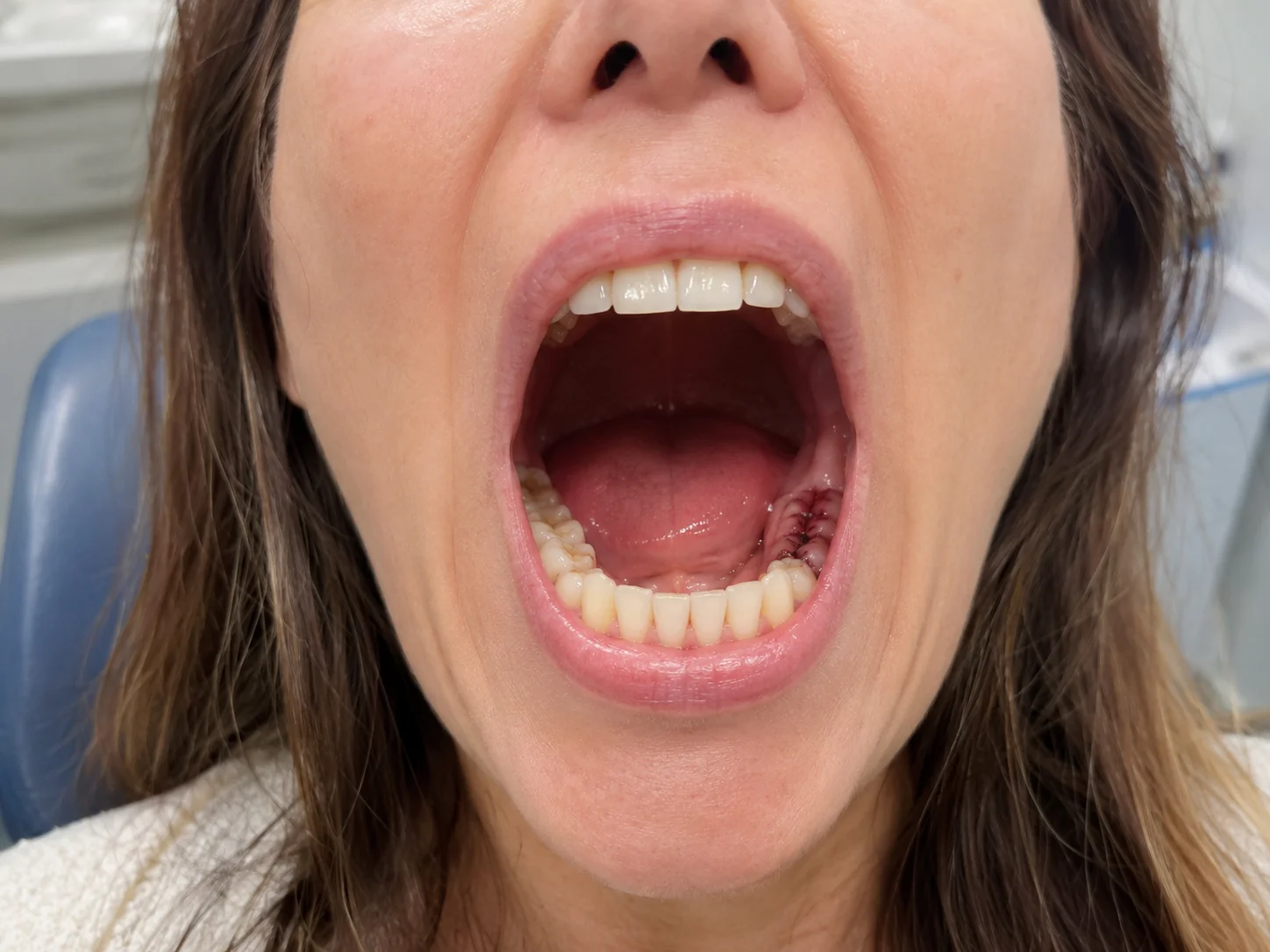

A broken tooth can cause sudden pain and discomfort. You may notice a sharp edge, feel pain while chewing, or see a small piece of your tooth missing. Even a minor crack can make eating and drinking uncomfortable.
If you are wondering how to fix a broken tooth at home, there are some safe steps you can take. These steps can protect your tooth and help reduce pain. However, they cannot repair the damage permanently.
At South Shore Dentistry & Implants, we understand how stressful a broken tooth can be. This guide explains what to do at home, which treatments may help, and when to seek professional dental care.
Can You Repair a Broken Tooth at Home Without a Dentist?
A broken tooth cannot be permanently repaired at home, but you can take steps to protect it until you see a dentist. Home care may help reduce pain, prevent further damage, and keep the affected area clean. However, it cannot restore broken enamel or seal a deep crack.
The treatment depends on how badly the tooth is damaged. A small chip may need simple dental bonding, while a deeper crack may require a crown or root canal treatment. Even if you feel no pain, a dental examination is important. Some cracks are difficult to see and may become worse without treatment.
How to Fix a Broken Tooth at Home Until You See a Dentist
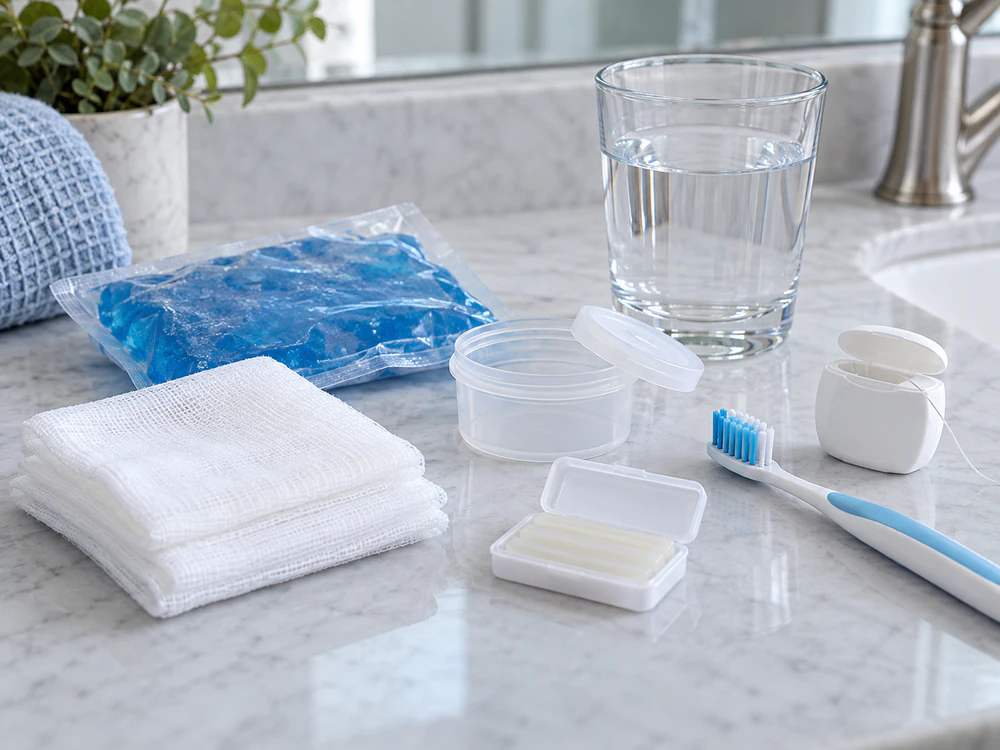
If you are searching for how to fix a broken tooth at home, focus on keeping the restorative dental care clean and protected. Home care can help you stay comfortable while you arrange a dental appointment.
Here are some simple steps you can follow.
1. Rinse Your Mouth Gently
Rinse your mouth with lukewarm water after breaking a tooth. This helps remove food particles and keeps the affected area clean.
You can also use a mild saltwater rinse if it feels comfortable. Mix half a teaspoon of salt into a glass of warm water. Swish gently and spit it out. Avoid using very hot or cold water if your tooth is sensitive.
2. Control Bleeding and Swelling
If your gums or nearby tissues are bleeding, gently press clean gauze against the area for about 10 minutes. If your cheek becomes swollen, place a cold compress on the outside of your face. Wrap the compress in a clean towel and use it for short periods.
Do not place ice directly against your tooth or skin. If bleeding is heavy or does not stop, seek urgent care.
3. Protect Sharp Tooth Edges
A broken tooth may have rough or sharp edges. These can cut your tongue, lips, or cheeks. You can temporarily cover a sharp edge with dental or orthodontic wax from a pharmacy. This can reduce irritation until your dental appointment.
Do not try to smooth the tooth using a nail file or another household tool. Avoid using household glue to attach broken pieces. These products are not safe for dental repair.
4. Manage Tooth Pain Safely
A broken tooth may cause pain when you bite or eat something hot or cold. Over-the-counter pain relievers, such as acetaminophen or ibuprofen, may help if they are safe for you. Follow the package directions and ask a pharmacist if you are unsure.
Do not place aspirin or other painkillers directly against the tooth or gums. This can damage the surrounding tissue.
5. Avoid Chewing on the Broken Tooth
Chewing on a damaged tooth can increase pain and may cause more damage. Choose soft foods such as yogurt, scrambled eggs, mashed potatoes, or soup that is not too hot. Try to chew on the opposite side of your mouth.
Avoid hard foods such as nuts, ice, and hard candy. Also, avoid sticky foods that may place pressure on the damaged tooth.
6. Save Any Broken Tooth Pieces
If a piece of your tooth breaks off, try to find it. Place the piece in a clean container with milk or your own saliva. Bring it to your dental appointment.
In some cases, a dentist may be able to reattach the broken piece. This depends on the condition of the fragment and the remaining tooth. Do not try to glue the piece back yourself.
How to Fix a Cracked Tooth Naturally: Do Home Remedies Work?
Many people search for how to fix a cracked tooth naturally because they want to avoid dental treatment or find quick relief. However, natural remedies cannot close a crack or replace a missing piece of tooth.
Some simple home-care methods may help you feel more comfortable. For example, a gentle saltwater rinse can help clean your mouth. A cold compress may reduce swelling after an injury. These methods do not repair the tooth itself.
Avoid using household glue, strong chemicals, or homemade mixtures on a cracked tooth. You should also avoid trying to file or reshape the tooth. Even if the pain goes away, the damage may still be present.
What Are the Signs of a Broken or Cracked Tooth?
A broken tooth does not always cause severe pain. Some people notice a visible chip, while others only feel discomfort when chewing.
Common signs include:
- Pain when biting or chewing.
- Sensitivity to hot or cold foods.
- A sharp or rough tooth edge.
- A visible crack or missing piece.
- Swelling around the affected tooth.
- Pain that comes and goes.
- Discomfort when pressure is placed on the tooth.
How to Fix a Cracked Tooth With Professional Dental Treatment
Knowing how to fix a cracked tooth starts with understanding how much damage has occurred.
Several cracked tooth repair options may be available.
Dental Bonding for Small Chips
Dental bonding can repair some minor chips and small areas of tooth damage. The dentist applies a tooth-colored resin to the affected area. The material is shaped and polished to match the natural tooth.
Bonding is often used for small chips, especially on front teeth. However, it may not be suitable for deep cracks or teeth with major damage.
dental crownss for Damaged Teeth
A dental crown is a custom-made covering that fits over a damaged tooth. It can help protect the remaining tooth structure and restore normal chewing.
Crowns are often recommended when a tooth has a large fracture or has lost a significant amount of structure. The dentist will check whether the tooth is strong enough to support a crown.
Root Canal Treatment for Deep Damage
Some cracks reach the inner part of the tooth, known as the pulp. This area contains nerves and blood vessels. If the pulp becomes damaged or infected, root canal treatment may be needed.
During treatment, the dentist removes the affected pulp and seals the inside of the tooth. A crown may also be recommended to protect the tooth afterward.
Tooth tooth extraction and Replacement
Some teeth are too badly damaged to repair. If a crack extends deep into the root or the tooth cannot be saved, extraction may be necessary.
After removing the tooth, your dentist may discuss replacement options. These can include dental implants or dental bridges. The goal is to restore comfort, chewing function, and oral health.
When Is a Broken Tooth a Dental Emergency?
Some broken teeth need urgent attention. Others may be treated during a regular dental appointment.
You should contact a dentist promptly if you experience:
- Severe or increasing tooth pain.
- A large piece of tooth breaking off.
- Significant swelling around the tooth or gums.
- Bleeding that is difficult to control.
- A tooth that feels loose or has moved out of position.
- Visible inner tooth tissue or a deep fracture.
- Fever or other signs of infection.
Seek emergency medical care if you have severe facial injuries, uncontrolled bleeding, difficulty breathing, or swelling that affects swallowing.
How Can You Prevent a Broken Tooth From Getting Worse?
Once a tooth is damaged, simple daily habits can help protect it before treatment. Avoid hard foods such as nuts, ice, and hard candy. Try to chew on the opposite side of your mouth to prevent further damage.
Continue brushing gently with a soft toothbrush to keep your mouth clean. Avoid using your teeth to open packages or bite hard objects. If you grind your teeth at night, ask your dentist about a custom night guard.
If you play contact sports, wear a properly fitted mouthguard to protect your teeth from injury. These steps cannot repair a broken tooth, but they can help prevent further damage until you receive dental treatment.
What Happens If You Leave a Cracked Tooth Untreated?
A small crack may not cause much discomfort at first. However, it can become deeper or spread when you continue chewing. As the damage increases, you may notice more pain or sensitivity. A deeper crack can allow bacteria to reach the inner part of the tooth, which may cause inflammation or infection.
In some cases, a tooth that could have been repaired with a crown may later need root canal treatment or extraction. Not every small surface crack gets worse, but a dental examination can help determine the severity of the damage. Seeking care early may help protect your natural tooth.
Final Thoughts
A broken tooth can make eating, drinking, and speaking uncomfortable. Knowing how to fix a broken tooth at home can help you protect the damaged area until you receive dental care.
Simple steps such as gentle rinsing, avoiding hard foods, and covering sharp edges may reduce discomfort. However, these methods cannot permanently repair the tooth.
For patients in Cudahy, South Shore Dentistry & Implants can help assess broken or cracked teeth and explain suitable treatment options.
Contact our dental team to schedule an appointment if you have a damaged tooth or need professional dental care.
Frequently Asked Questions
How Do You Fix a Broken Tooth at Home?
You cannot permanently repair a broken tooth at home. Rinse your mouth gently, protect sharp edges with dental wax, and avoid chewing on the damaged tooth. Arrange a dental appointment for treatment.
Can You Repair a Cracked Tooth Without a Dentist?
No home remedy can permanently repair a cracked tooth. If you are wondering how to fix a cracked tooth naturally, remember that rinsing and cold compresses provide temporary comfort, not repair.
How Long Does Cracked Tooth Repair Take?
Cracked tooth repair depends on the damage and treatment needed. Small chips may be repaired in one visit. Crowns or root canal treatment may require additional appointments to complete.
How to Fix a Cracked Tooth That Hurts When Chewing?
Avoid chewing on the affected tooth and choose soft foods. Pain when biting may indicate a deeper crack. A dentist can examine the tooth and recommend suitable treatment.
Can a Small Broken Tooth Heal on Its Own?
No. A broken piece of tooth enamel cannot grow back. Minor surface cracks may not always need repair, but a dentist should examine a damaged tooth to determine whether treatment is necessary.