

Orthodontic treatment is not limited to teenagers. Many adults want to correct crowded teeth, unwanted gaps, or bite problems but feel uncomfortable wearing visible metal braces. Invisalign for adults offers a less noticeable way to improve tooth alignment while maintaining a professional and active lifestyle.
The treatment uses a planned series of clear, removable aligners that gradually move the teeth. Because the trays are removable, adults can continue eating their usual foods and caring for their teeth without brackets or wires getting in the way.
However, clear aligners are not automatically the right choice for everyone. Knowing about the Invisalign pros and cons, daily responsibilities, treatment limitations, and long-term maintenance can help you make an informed decision.
What Is Adult Invisalign Treatment?
Adult Invisalign is an orthodontic treatment that uses custom-made clear aligners instead of fixed brackets and wires. Each set of aligners applies controlled pressure to selected teeth, gradually moving them toward their planned positions.
Treatment normally begins with a dental examination and digital scan. The dentist uses this information to evaluate your teeth and bite before creating a personalized treatment plan. You may also be able to preview the expected changes before receiving your first trays.
Patients usually progress through a series of aligners, changing to a new set according to their dentist’s instructions. Regular progress visits help the dentist confirm that the teeth are moving as planned.
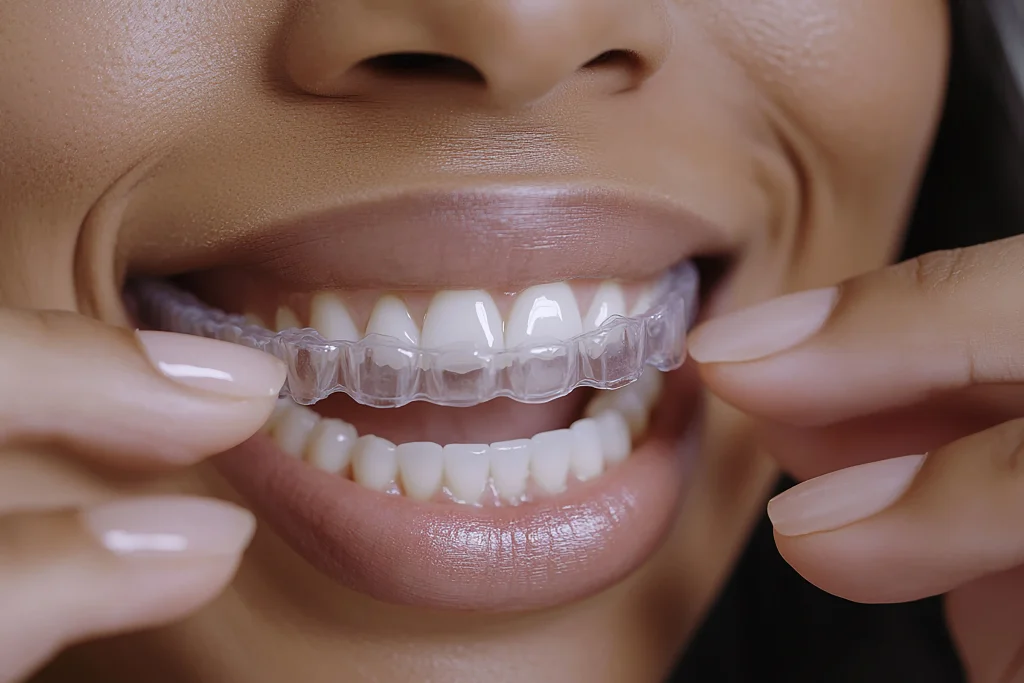
Why Are More Adults Choosing Invisalign?
Many people choose Invisalign for adults because it fits more easily around work, business meetings, family responsibilities, travel, and social events. Its nearly transparent appearance allows adults to straighten their teeth without wearing noticeable metal braces.
Another important benefit is removability. Patients can take out their aligners for meals, brushing, flossing, and special occasions. This flexibility makes treatment less disruptive while allowing adults to maintain their usual diet and oral hygiene routine.
Age alone does not usually prevent someone from receiving Invisalign treatment. Gum health, bone support, existing dental work, required tooth movements, and the ability to follow the treatment plan are more important. A professional examination can determine whether Invisalign is suitable for an adult’s dental needs.
What Dental Problems Can Invisalign Treat in Adults?
Invisalign may help treat several common alignment and bite concerns, including:
- Crowded or overlapping teeth
- Mildly rotated or uneven teeth
- Unwanted gaps between teeth
- Teeth that shifted after previous orthodontic treatment
- Mild to moderate overbites
- Certain underbites and crossbites
- Open bites
Suitability depends on the complexity of the required tooth movement. Traditional braces or a combined treatment approach may provide better control for difficult cases.
Invisalign Pros and Cons for Adults
A balanced decision requires more than focusing on appearance. The following Invisalign pros and cons can help adults understand how treatment may affect everyday life.
Advantages of Invisalign for Adults
A More Discreet Appearance
Clear aligners are much less noticeable than metal brackets and wires. This can be particularly valuable for adults who regularly meet clients, attend events, give presentations, or simply prefer a less visible orthodontic treatment.
Removable Trays
Remove the aligners before eating or drinking anything except plain water. This allows you to enjoy most foods while helping prevent staining and keeping sugar or acid from becoming trapped against your teeth.
Easier Brushing and Flossing
Because Invisalign aligners are removable, brushing and flossing are easier than with fixed braces. However, clean your teeth before reinserting the trays to prevent trapped food and bacteria from causing decay, stains, or gum irritation.
Maintaining regular professional dental cleanings during Invisalign treatment can also help keep your teeth and gums healthy.
No Metal Wires or Brackets
Clear aligners do not have wires that can loosen or brackets that may irritate the cheeks. Patients can still experience pressure or temporary soreness when beginning a new set, but the trays generally have a smooth surface.
A Treatment Plan Built Around Your Smile
Digital treatment planning allows the dentist to map intended tooth movements before treatment begins. The number of aligners, expected duration, and need for attachments will depend on the individual case.
Possible Disadvantages of Invisalign
Aligners Require Consistent Wear
Invisalign aligners generally need to be worn for 20–22 hours each day. Frequently leaving them out can delay progress or affect the fit of the next set, so fixed braces may be more suitable for patients who may struggle with consistent wear.
The Trays Must Be Removed for Meals
Patients need to take out their aligners before eating and clean their teeth before replacing them. This routine can be inconvenient during long workdays, restaurant meals, travel, or frequent snacking.
Temporary Speech Changes Are Possible
Some patients notice a slight lisp when they first start wearing aligners. The tongue usually adjusts as the patient becomes familiar with the trays, but the initial change can be noticeable for a few days.
Invisalign May Not Suit Every Complex Case
Traditional braces may be recommended when a patient needs difficult tooth rotations, major bite correction, significant vertical movement, or another complex adjustment. A clinical examination is necessary to determine whether Invisalign can predictably achieve the desired result.
Attachments May Be Needed
Small tooth-colored attachments may be bonded to selected teeth to help the aligners grip and direct movement. They are less noticeable than metal brackets, but they mean the treatment may not be completely invisible.
Is Invisalign Good for Every Adult?
If you are asking, “Is Invisalign good for my teeth?” the answer depends on your oral health, alignment concerns, and treatment goals. Suitable patients generally have healthy teeth and gums, realistic expectations, and the ability to wear and clean their aligners consistently.
Invisalign may suit adults with mild to moderate alignment problems who want a less noticeable alternative to braces and can attend regular progress checks. A consultation in Cudahy, WI, will help determine whether clear aligners can achieve the required tooth and bite movements.
Why Gum Health Matters Before Adult Invisalign
One topic often missing is the condition of the gums and supporting bone. Some adults have gingivitis, gum recession, bone loss, or untreated periodontal disease before seeking orthodontic treatment.
Moving teeth when active gum disease is present may create avoidable risks. That is why an examination, X-rays when appropriate, and periodontal evaluation and treatment may be needed before treatment begins.
Any cavities, infections, or significant gum concerns should usually be addressed first. Beginning with a healthy mouth gives orthodontic treatment a more stable foundation.
Can You Get Invisalign With Crowns, Fillings, or Implants?
Previous dental work does not always prevent Invisalign treatment. Adults with fillings, crowns, veneers, bridges, or dental implants may still qualify, but their plans often require additional consideration.
Natural teeth can be moved orthodontically, while dental implants remain fixed in the bone. Crowns and veneers may also affect how attachments are placed or how the aligners fit.
Tell your dentist about all previous dental treatment. A coordinated plan can account for existing restorations and identify whether any cosmetic or restorative work should happen before or after tooth movement.
If you have cavities that need treatment before starting Invisalign, your dentist may recommend dental fillings to restore affected teeth.
For teeth that have significant structural damage, dental crowns may also be considered as part of your overall treatment plan.
What Happens During Invisalign Treatment?
The exact process varies, but treatment commonly includes the following stages.
Dental Examination and Consultation
The dentist checks your teeth, gums, bite, dental history, and treatment goals. This visit helps determine whether Invisalign is appropriate or whether another treatment would be more predictable.
Digital Scan and Treatment Planning
A digital scan records the position and shape of your teeth. The dentist then plans how the teeth should move and estimates the number of aligners required.
Receiving Your First Aligners
Once the trays are ready, the dentist checks their fit and explains when to wear them, how to remove them, and how to clean them. Attachments may be added to selected teeth when more control is needed.
Progress Visits
Patients return periodically so the dentist can check tooth movement and aligner fit. If the teeth do not move exactly as expected, additional scans or refinement trays may be required.
Retainer Use
After active treatment, a retainer helps keep the teeth in their new positions. Skipping this stage can allow gradual shifting, even after a successful result.
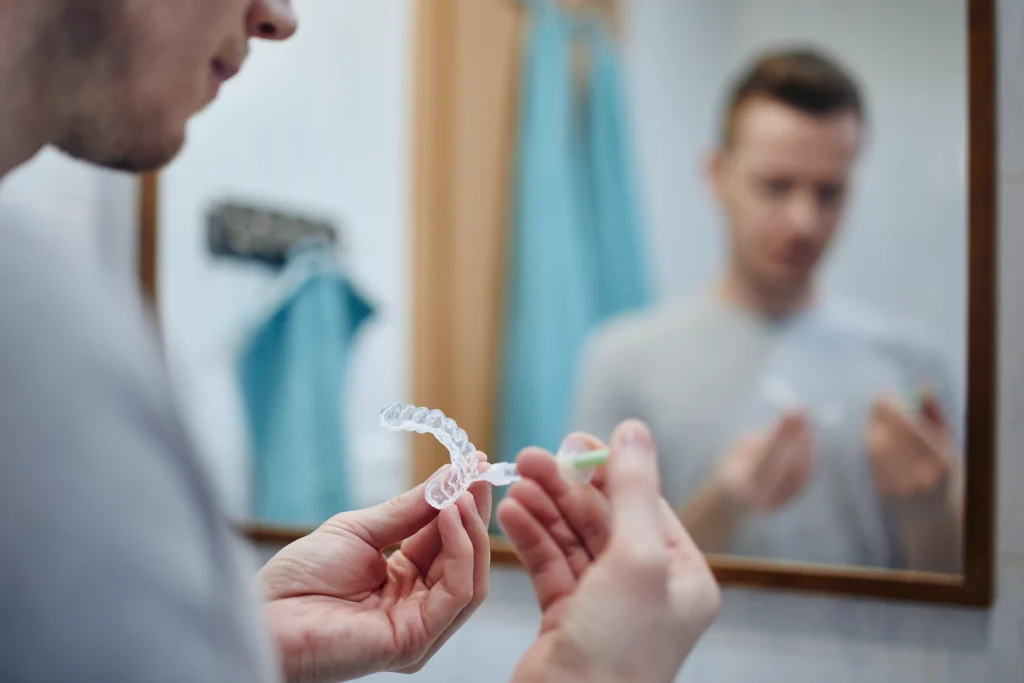
How Long Does Invisalign Take for Adults?
There is no universal timeline for Invisalign for adults. A minor alignment correction may take less time than treatment involving significant crowding, gaps, rotated teeth, or bite problems. The total duration depends on the complexity of the tooth movements and the number of aligners required.
Patient cooperation also affects the timeline. Wearing the aligners for the recommended number of hours each day helps keep treatment on schedule. Missed visits, inconsistent wear, or lost and damaged trays may delay results. Some patients using Invisalign braces for adults may also need attachments or refinement trays to complete specific tooth movements.
Your dentist can provide a personalized estimate after examining your teeth, evaluating your bite, and creating a digital treatment plan. Because every smile responds differently, advertised treatment times should not replace an individual clinical assessment.
Invisalign vs Traditional Braces for Adults
Both treatments can improve tooth alignment, but they differ in visibility, flexibility, and patient responsibility.
| Consideration | Invisalign | Traditional braces |
|---|---|---|
| Appearance | Clear and less noticeable | Brackets and wires are visible |
| Removal | Removable for meals and cleaning | Fixed to the teeth |
| Food restrictions | Few when trays are removed | Some hard and sticky foods must be avoided |
| Oral hygiene | Brushing and flossing are generally easier | Cleaning around brackets takes more effort |
| Patient responsibility | Requires consistent daily wear | Works continuously because it is fixed |
| Complex cases | May have limitations | Often provides more control |
| Comfort | No metal brackets or wires | Brackets may irritate the cheeks |
| Retainers afterward | Required | Required |
The best choice depends on the bite problem, lifestyle, oral health, and ability to follow instructions. Neither option should be selected on appearance alone.
How to Care for Invisalign Aligners
Remove your aligners before eating and drink only plain water while wearing them. Brush and floss before reinserting the trays to prevent food particles and bacteria from becoming trapped against your teeth. Rinse the aligners after removal, clean them as recommended by your dentist, and avoid hot water because it can distort their shape.
Store your aligners in their case whenever they are not in your mouth. Keep them away from pets, napkins, and unprotected surfaces to prevent damage, contamination, or accidental disposal. If an aligner cracks, becomes lost, or no longer fits correctly, contact your dentist rather than moving to another tray without instructions.
For patients who want to improve other aspects of their smile after or alongside orthodontic treatment, options such as dental bonding may be discussed when appropriate.
Preventive treatments such as dental sealants may also be recommended for suitable teeth to help protect vulnerable chewing surfaces from decay.
Conclusion
Invisalign for adults can be a practical choice for people who want to straighten their teeth without the appearance and food restrictions of traditional braces. However, successful treatment depends on your oral health, alignment needs, and ability to wear the trays consistently.
At South Shore Dentistry & Implants, we provide personalized Invisalign consultations in Cudahy, WI. Our team will examine your teeth and bite, explain the benefits and limitations, and create a treatment plan suited to your smile and lifestyle. If you experience an urgent dental problem during your treatment, our emergency dental care is also available for appropriate situations.
Frequently Asked Questions
Is Invisalign good for adults over 40 or 50?
Yes, many adults over 40 or 50 may qualify for Invisalign. Age is usually less important than gum health, bone support, existing restorations, and the type of tooth movement needed. A dental examination is required before treatment is recommended.
How many hours should adults wear Invisalign each day?
Most patients are instructed to wear their aligners for approximately 20–22 hours per day. They should generally be removed only for eating, drinking anything other than water, brushing, and flossing. Follow the specific schedule provided by your dentist.
Do adults need retainers after Invisalign?
Yes. Teeth can gradually shift after Invisalign or traditional braces. A retainer helps protect the new alignment while the supporting tissues adapt. Your dentist will explain how often and how long the retainer should be worn.
Can adults get Invisalign if they have crowns or fillings?
Yes, many adults with crowns or fillings may still qualify for Invisalign. However, existing dental work can affect aligner fit and attachment placement, so the dentist must examine your restorations before creating a personalized treatment plan.
Does Invisalign hurt for adults?
Invisalign may cause mild pressure or tenderness, especially when you begin wearing a new set of aligners. This discomfort usually improves as your mouth adjusts. Contact your dentist if you experience severe pain or an aligner does not fit properly.
Can Invisalign change an adult’s face shape?
Invisalign primarily moves teeth and improves bite alignment. These changes may slightly affect the appearance of the smile, lips, or facial profile, but the results vary. Your dentist can explain what changes are realistic for your specific case.