

Crooked teeth and bite problems can affect how a child chews, speaks, cleans their teeth, and feels about their smile. Although orthodontic treatment is common during the teenage years, some children benefit from an evaluation much earlier.
Braces for kids gradually guide teeth into healthier positions and may also help address certain bite concerns. However, every child develops differently. The right starting age, appliance, and treatment duration depend on tooth development, jaw growth, and the type of orthodontic problem.
This guide explains when children may need braces, the available options, what treatment involves, and how parents can help their child adjust.
What Are Braces for Kids?
Braces are orthodontic appliances used to move teeth and improve bite alignment. They apply controlled pressure over time, allowing the teeth to shift gradually into planned positions.
Traditional braces include brackets attached to the teeth, an archwire running through those brackets, and small ties or clips that hold the wire in place. Some children may also need elastic bands, spacers, expanders, or other appliances as part of treatment.
While braces for children can improve smile appearance, their purpose is not limited to cosmetic changes. Treatment may also make teeth easier to clean, improve how the upper and lower teeth meet, and reduce uneven pressure caused by an improper bite.
What Are Orthodontic Braces and Brackets?
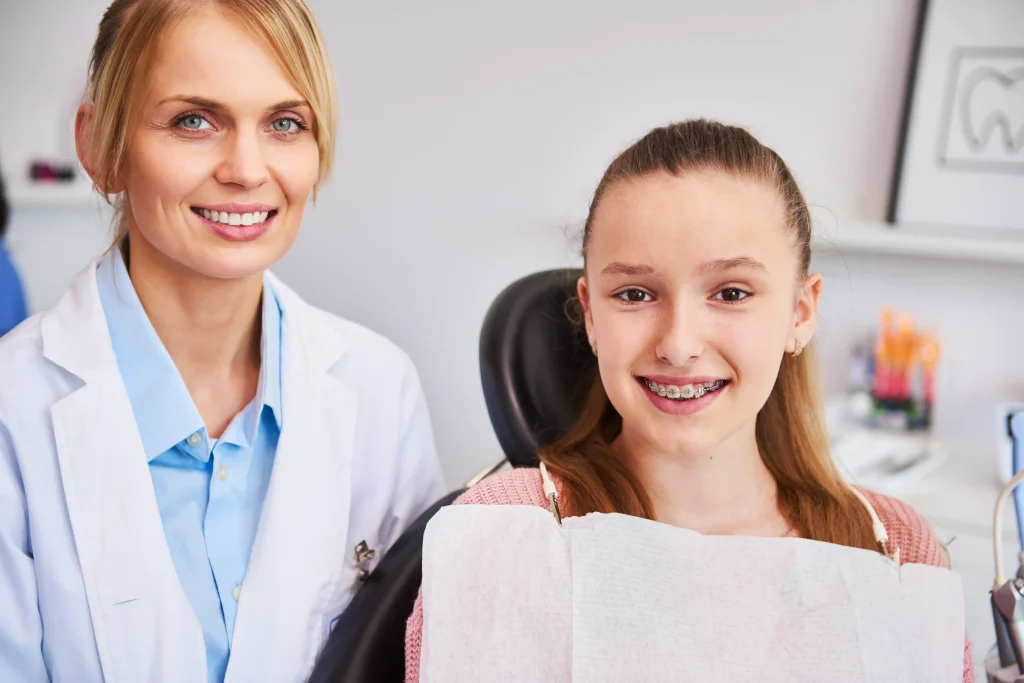
Orthodontic braces brackets are small attachments bonded to the front or, less commonly, the back of each tooth. An archwire connects the brackets and helps guide the teeth into their planned positions.
During adjustment visits, the dental or orthodontic provider may replace or modify the wire to continue tooth movement. Elastic ties can secure the wire to traditional brackets, while self-ligating brackets use built-in clips.
Brackets do not move teeth by themselves. Instead, the bracket, wire, and supporting components work together to apply carefully controlled pressure. Treatment must be monitored regularly to ensure the teeth and supporting tissues respond appropriately.
How Do You Know If Your Child Needs Braces?
Some orthodontic concerns are easy to notice, while others may only be identified during a professional examination. A child may need an orthodontic evaluation if they have:
- Crowded, overlapping, or crooked teeth
- Large spaces between teeth
- Upper teeth that extend far beyond the lower teeth
- Lower teeth that sit in front of the upper teeth
- A crossbite or open bite
- Early, late, or irregular loss of baby teeth
- Difficulty biting or chewing
- Teeth that do not meet properly
- Mouth breathing or prolonged thumb-sucking
- Jaws that appear uneven or shift while closing
- Frequent biting of the cheeks or roof of the mouth
- Speech concerns related to tooth or jaw position
These signs do not always mean immediate treatment is required. An evaluation allows the provider to monitor development and recommend treatment only when the timing is appropriate.
What Is the Best Age for Kids to Get Braces?
There is no single best age for every child. Many children begin comprehensive braces treatment between ages 10 and 14, when most permanent teeth have erupted but the jaws are still developing.
However, the ideal timing depends on the condition being treated. Crowding may be managed differently from an underbite, crossbite, protruding teeth, or jaw-growth imbalance. In some cases, monitoring is more appropriate than beginning treatment immediately.
An early orthodontic evaluation can identify developing problems and determine whether treatment should begin now or later. It also gives parents time to understand possible treatment options and plan for future care.
Are Braces at Age 8 Too Early?
Braces at age 8 are not automatically too early, but most children at this age do not need full braces on every tooth. Some may benefit from limited early treatment if a developing bite problem could become more difficult to correct later.
Early orthodontic care may be considered for severe crowding, crossbites, underbites, protruding front teeth, harmful oral habits, or jaw-growth concerns. Treatment might involve partial braces, an expander, a space maintainer, or another appliance.
An early evaluation should not be confused with an automatic recommendation for treatment. In many cases, the provider will simply monitor the child’s growth and permanent-tooth development until comprehensive treatment is more appropriate.
Early Orthodontic Treatment vs. Full Braces
Early treatment, sometimes called interceptive treatment, usually occurs while a child has a combination of baby and permanent teeth. Its purpose is to address a specific developmental concern rather than complete the entire alignment process.
Full or comprehensive braces are generally used after most permanent teeth have erupted. This stage focuses on aligning the teeth, correcting the bite, and creating a stable final result.
Some children who receive early treatment may still need full braces later. Parents should ask whether the proposed first stage is expected to reduce the complexity of future care and what additional treatment may be required.
Types of Braces for Children
Several orthodontic options may be available depending on the child’s age, dental needs, ability to follow instructions, and treatment goals.
Traditional Metal Braces
Metal braces are widely used for children because they are strong, effective, and suitable for many orthodontic concerns. The brackets are attached to the teeth and connected by an archwire.
Children can often select colored elastic ties during adjustment visits. This personalization can make treatment feel more enjoyable and help some children feel positive about wearing braces.
Ceramic Braces
Ceramic braces work similarly to metal braces, but their brackets are clear or tooth-colored. They are less noticeable and may appeal to older children or teenagers who are concerned about appearance.
However, ceramic brackets may be more fragile, more difficult to keep clean, and more expensive. Certain foods and habits can also stain the elastic ties placed around the brackets.
Self-Ligating Braces
Self-ligating braces use built-in clips to hold the archwire and are available in metal or tooth-colored materials. They may suit selected cases, but the decision should depend on the child’s orthodontic needs rather than claims about a particular bracket system.
Clear Aligners
Clear aligners are removable trays that gradually move teeth and may suit responsible older children and teenagers. Because they require consistent daily wear, success depends on cooperation, and they may not be suitable for younger children or every bite problem.
Should I Get Ceramic or Metal Braces for My Child?
Parents asking, “Should I get ceramic or metal braces?” should consider durability, visibility, cost, cleaning needs, and the child’s treatment requirements.
| Factor | Metal braces | Ceramic braces |
|---|---|---|
| Appearance | More visible | Less noticeable |
| Strength | Highly durable | More prone to chipping |
| Cost | Usually more affordable | Often more expensive |
| Staining | Brackets do not stain easily | Elastic ties may discolor |
| Cleaning | Requires careful cleaning | May require additional attention |
| Suitability | Appropriate for many cases | May not suit every child or tooth |
| Personalization | Colored ties are available | Usually chosen for a discreet look |
Metal braces are often practical for active children because they are durable. Ceramic braces may be appropriate for older children who are highly concerned about appearance and can maintain excellent oral hygiene.
Benefits of Braces for Children
The benefits of orthodontic treatment depend on the child’s original condition and treatment plan. Properly planned kids braces may:
- Straighten crowded or rotated teeth
- Improve the way the upper and lower teeth meet
- Create space for developing permanent teeth
- Make brushing and flossing easier
- Reduce uneven tooth wear
- Improve chewing function
- Address selected jaw-development concerns
- Lower the risk of injury to severely protruding teeth
- Improve smile appearance
- Support greater confidence
Braces cannot prevent every future dental problem. Children must continue brushing, flossing, attending dental examinations, and following treatment instructions.
What Happens Before Kids Get Braces?
Before kids get braces, the provider completes an examination and reviews the child’s dental and medical history. Diagnostic records may include photographs, dental impressions or digital scans, and appropriate X-rays.
The provider evaluates tooth position, bite alignment, jaw development, facial balance, and available space. Based on these findings, a treatment plan explains the recommended appliance, expected duration, costs, and possible alternatives.
Any active tooth decay or gum inflammation should usually be addressed before braces are placed. The child must also demonstrate that they can clean their teeth consistently because braces create additional areas where plaque can collect.
What to Expect When Your Child Gets Braces
The teeth are cleaned and dried before the brackets are bonded. The archwire is then placed through the brackets and secured with clips or elastic ties. The placement appointment may take longer than a routine dental visit, but it should not normally require injections.
Children may experience pressure or tenderness for several days after placement and adjustment appointments. Soft foods can make eating more comfortable during this period.
Follow-up appointments are necessary to monitor progress, adjust the appliance, and check oral hygiene. Missed visits, broken brackets, and failure to follow instructions can extend treatment.
Do Braces Hurt Children?
Placing braces should not usually be painful, although keeping the mouth open during the appointment may feel tiring. Afterward, children may notice pressure, tenderness while chewing, or irritation where brackets contact the cheeks and lips.
Discomfort is often strongest during the first few days and generally improves as the mouth adjusts. Soft foods, orthodontic wax, and pain-relief measures recommended by the provider may help.
Severe pain, swelling, signs of infection, or an injury involving the teeth or appliance requires professional attention. More serious infection may require root canal therapy.
How Long Do Kids Usually Wear Braces?
Many children wear braces for approximately one to three years, but treatment time varies. The complexity of the bite, number of teeth being moved, jaw development, missed appointments, damaged appliances, and cooperation with elastics can all affect the timeline.
Teeth that appear straight before the estimated completion date may still require treatment because the bite and tooth roots also need proper positioning. Removing braces too early can compromise the final result.
How Much Do Braces for Kids Cost?
The cost of braces for kids depends on the treatment type, complexity, duration, diagnostic records, location, and whether additional appliances are required.
| Treatment option | General cost level | Main cost factors |
|---|---|---|
| Metal braces | Moderate | Treatment complexity and duration |
| Ceramic braces | Moderate to high | Materials and additional maintenance |
| Self-ligating braces | Moderate to high | Bracket system and treatment needs |
| Clear aligners | Moderate to high | Number of trays and case complexity |
| Early orthodontic treatment | Varies | Appliance type and treatment length |
Dental insurance may cover part of orthodontic treatment for eligible children, but plans differ. Parents should request a written estimate that explains records, appliances, adjustment visits, retainers, emergency appointments, and available payment arrangements.
Foods Children Should Avoid With Braces
Hard and sticky foods can damage brackets and wires. Children wearing braces should avoid or modify:
- Hard candy
- Chewing gum
- Caramel and sticky sweets
- Popcorn kernels
- Ice
- Whole nuts
- Hard pretzels
- Corn directly from the cob
- Whole apples and raw carrots
- Chewing on pens, pencils, or fingernails
Apples, carrots, and similar foods may still be eaten when cut into small pieces. Children should follow the specific food instructions provided by their dental or orthodontic team.
How Should Children Brush and Floss With Braces?
Children should brush carefully around the brackets, gumline, and chewing surfaces. Food and plaque can collect around orthodontic braces brackets, and preventive care such as dental sealants may help protect cavity-prone teeth.
Floss threaders, small interdental brushes, or other recommended tools can make cleaning around wires easier. Parents may need to supervise younger children until they can clean the appliance thoroughly.
Regular dental cleanings remain necessary during orthodontic treatment. Adjustment appointments do not replace preventive dental visits.
Sports and Musical Instruments With Braces
Children can usually continue playing sports while wearing braces. A properly fitted orthodontic mouthguard can help protect the lips, cheeks, teeth, and appliance during contact or high-risk activities.
Children who play wind or brass instruments may need time to adapt. Orthodontic wax and gradual practice can reduce irritation. The music instructor and dental provider may offer guidance based on the instrument and appliance.
What If a Bracket or Wire Breaks?
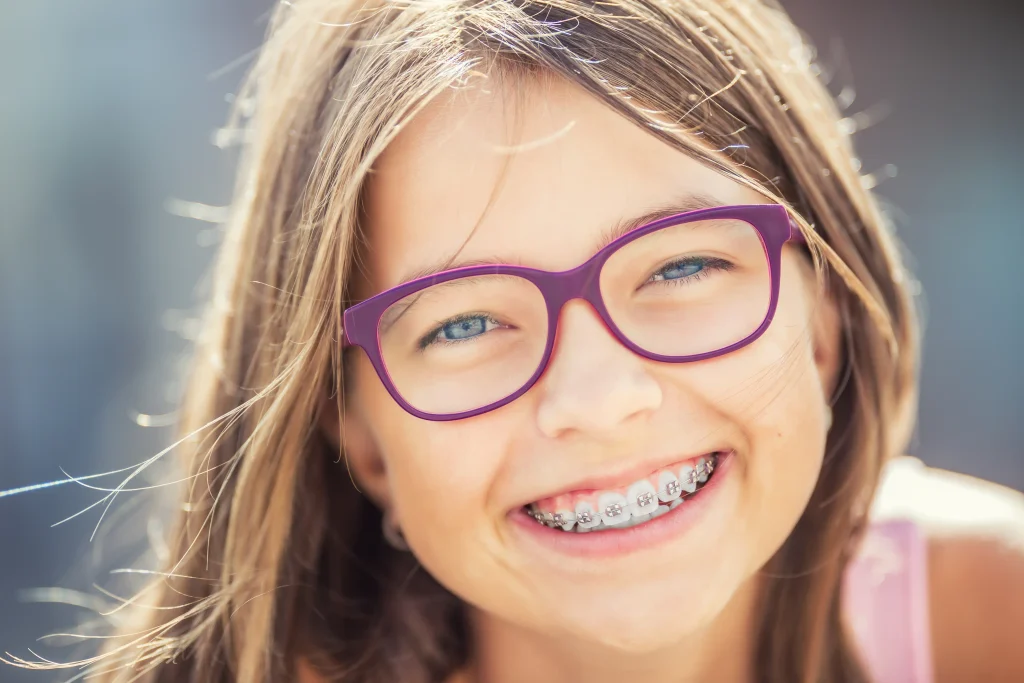
A loose bracket or protruding wire is not always an emergency, but it should be reported promptly. Parents should explain what happened and describe whether the child has pain or tissue irritation.
Orthodontic wax may temporarily cover a sharp area. Parents should not pull out wires, use household tools, or attempt complicated repairs without professional instructions.
Facial swelling, uncontrolled bleeding, severe pain, difficulty breathing, or significant dental trauma requires urgent dental care.
How Parents Can Help Children Adjust to Braces
Kids in braces often need practical and emotional support, especially during the first few weeks. Parents can help by providing soft foods after adjustments, keeping orthodontic wax available, and creating a consistent cleaning routine.
Encourage children to follow food restrictions and wear elastics exactly as directed. Positive reinforcement can make treatment feel more manageable, while criticism about appearance or minor setbacks may increase anxiety.
Parents should also monitor brushing and watch for broken components, mouth sores, gum swelling, or areas that are difficult to clean.
Retainers After Braces
Orthodontic treatment does not end when the braces are removed. Retainers help hold the teeth in their corrected positions while the surrounding bone and tissues adapt.
Retainers may be removable or fixed behind the teeth. Wearing and cleaning them as instructed is essential because teeth can shift after treatment. Lost, damaged, or poorly fitting retainers should be evaluated promptly.
Conclusion
Braces can improve tooth alignment, bite function, oral hygiene access, and smile appearance. However, the right treatment and timing differ for every child. Some children benefit from early intervention, while others should wait until more permanent teeth have developed.
If you are considering braces for children, schedule a professional evaluation with a family dentist in Cudahy rather than relying on age or appearance alone. A personalized assessment can help you understand available options, expected costs, treatment time, and the steps required to support a healthier smile.
Frequently Asked Questions
Can children get braces while they still have baby teeth?
Yes, selected children can receive limited orthodontic treatment while some baby teeth remain. However, this does not mean every child needs early braces. Treatment is generally recommended only when addressing a specific developmental, spacing, or bite concern offers a meaningful benefit.
Are metal or ceramic braces better for children?
Metal braces are often preferred for children because they are durable and generally more affordable. Ceramic braces are less noticeable but may be more fragile and require careful cleaning. The better choice depends on treatment needs, age, habits, and budget.
How often are braces adjusted for children?
Adjustment visits are commonly scheduled every several weeks, although the exact interval depends on the appliance and treatment plan. These appointments allow the provider to monitor tooth movement, modify the wire when necessary, and check the condition of brackets and supporting tissues.