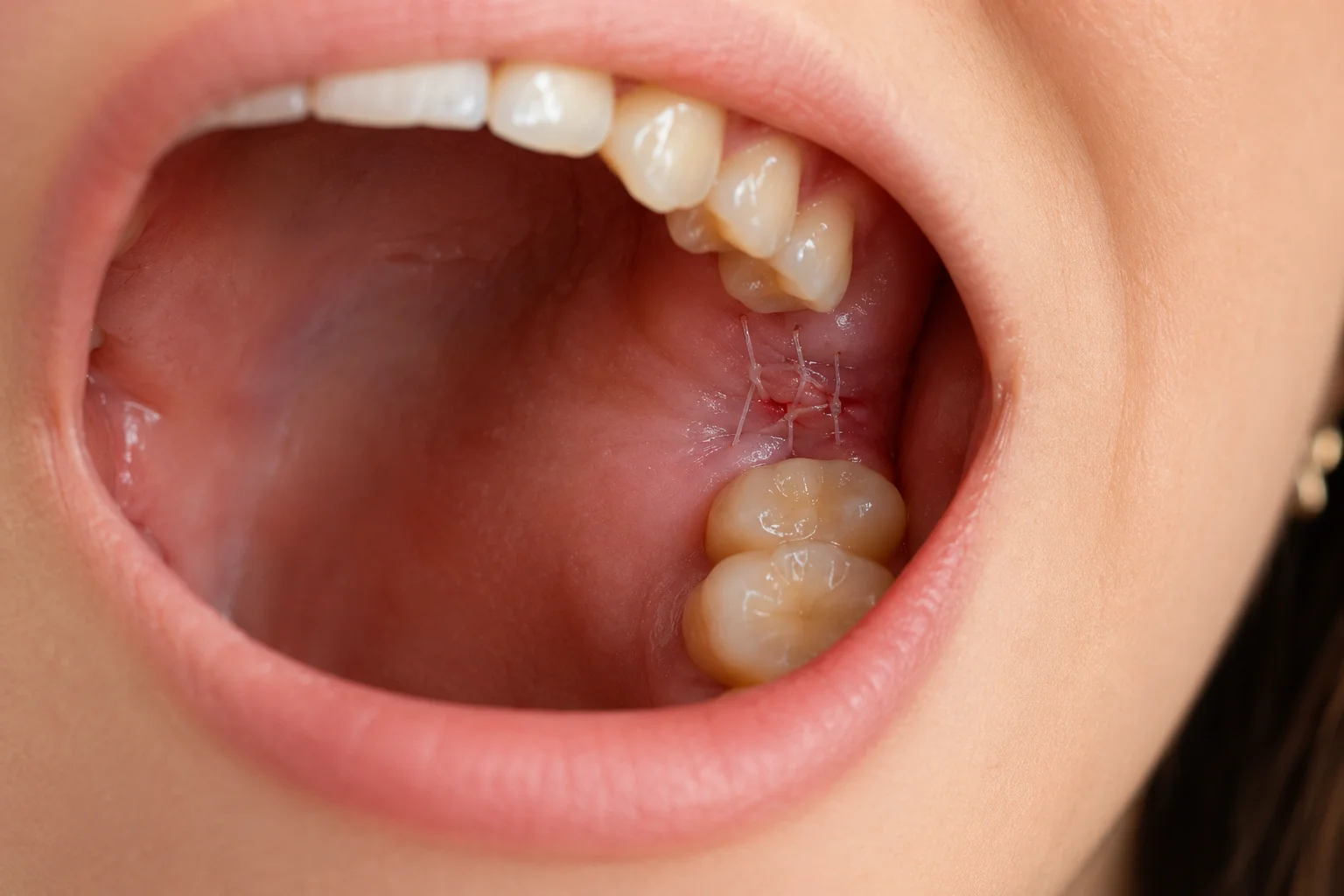
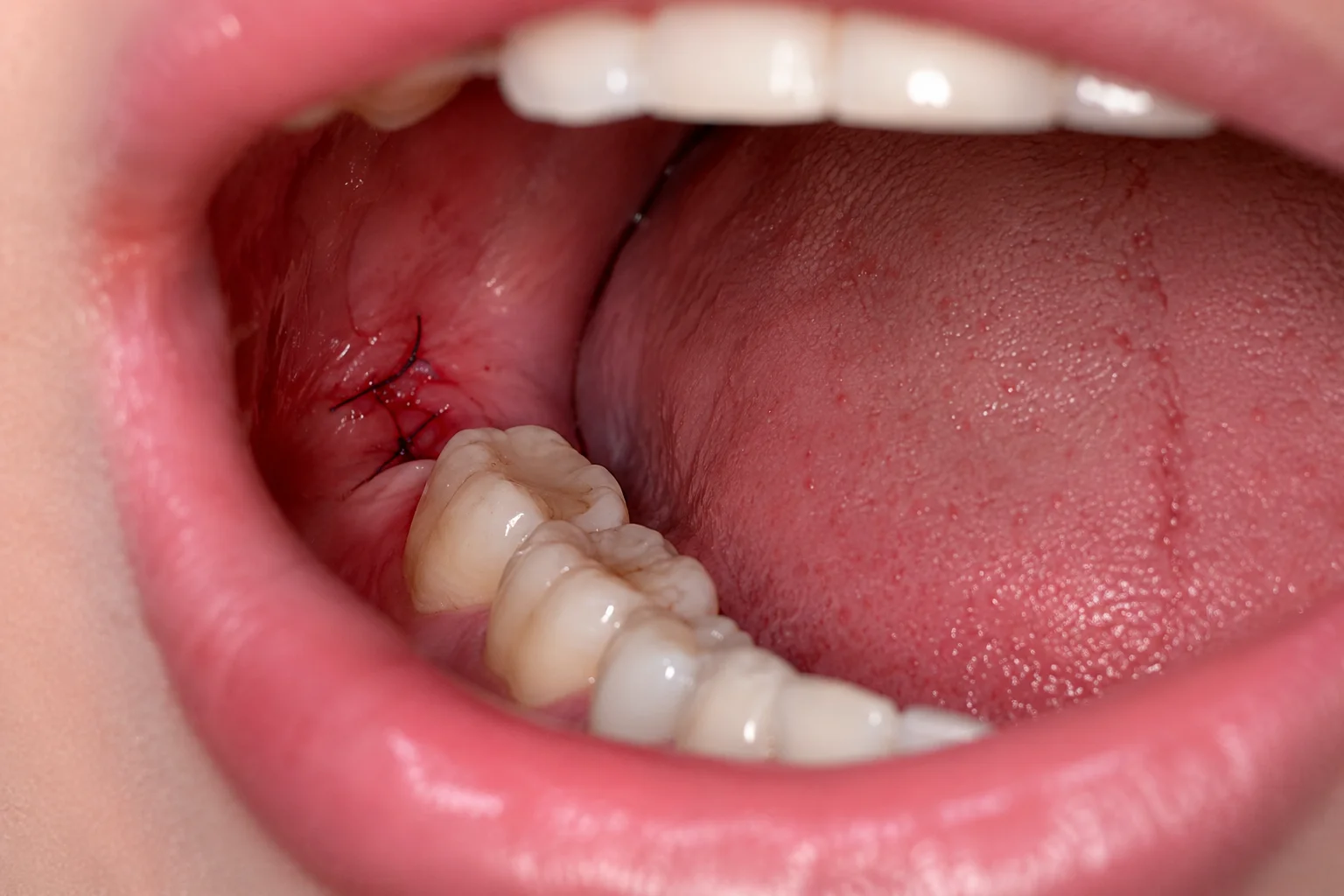
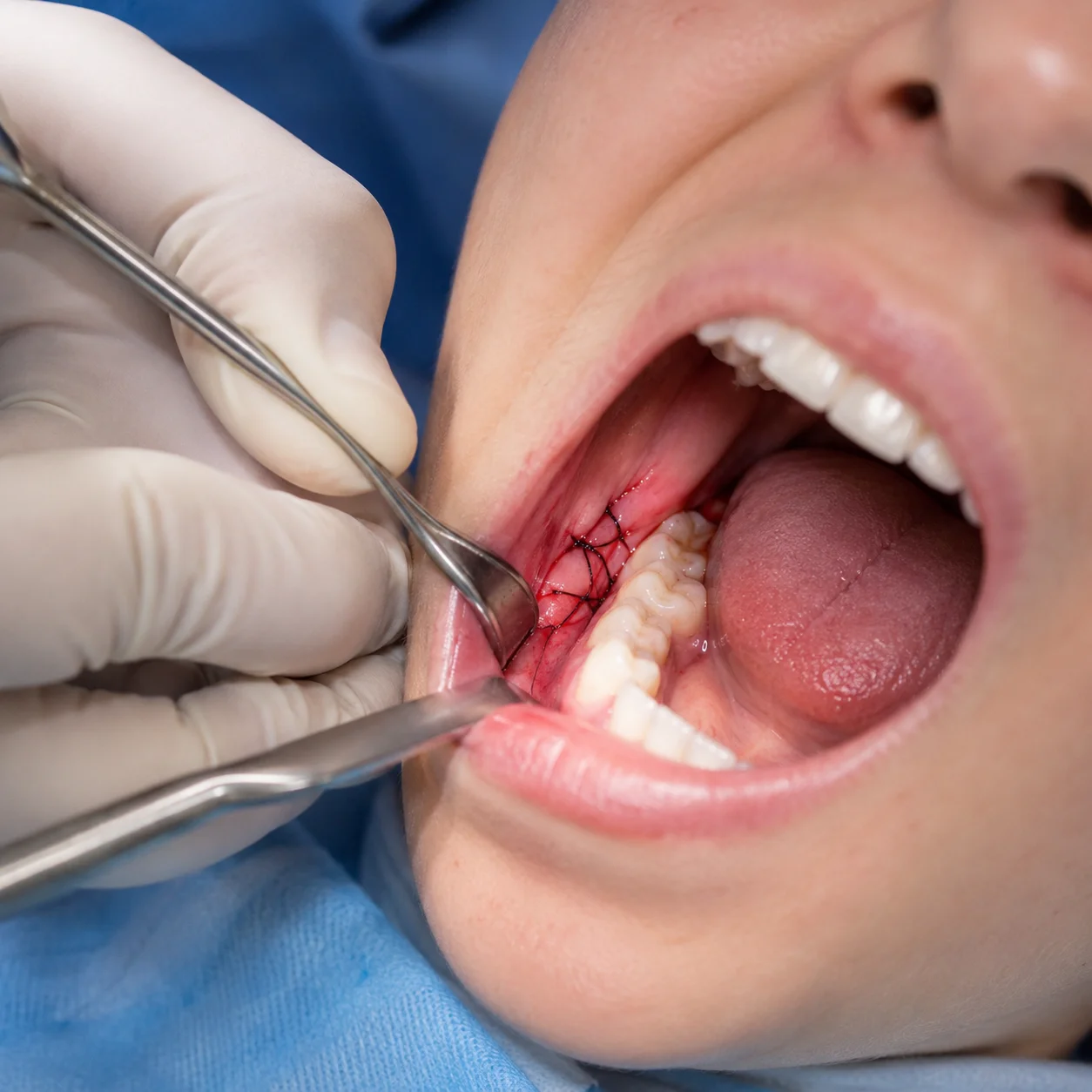



If you are nervous about dental treatment, you may wonder, can you sleep during dental filling procedures? Most dental fillings are completed while you are awake, but local anesthesia can numb the tooth and surrounding area. This helps prevent pain while the dentist removes decay and restores the tooth. In Cudahy, WI, patients who feel anxious about dental work can discuss their concerns with their dentist before treatment.
A dental filling is a relatively simple procedure, which normally does not require the patient to be put to sleep. One might feel pressure or vibration during the procedure but should not feel any sharp pain if the injection has been successful in numbing the affected region. Individuals who have severe dental anxiety can also talk with their dentist about sedation options, which help them to relax.
What Does It Feel Like to Be Awake During a Filling?
Most of the time, patients do not actually sleep during a dental filling. The dentist usually uses local anesthesia to numb the affected tooth while they are awake for the duration of the treatment. This enables them to communicate with the dental team and ask for a pause in the event that they feel uncomfortable at any point. Local anesthesia prevents the sensation of pain without inducing a deep sleep.
Some patients may be relaxed or even sleepy. But that doesn’t mean you’re unconscious. You just might feel a little groggy. For something simple like a cavity filling, you should be awake enough to allow the dentist to do his/her job. You can also communicate with the dentist if you feel any discomfort or need a short break. This helps make the procedure more comfortable and controlled from start to finish.
Why You Don’t Usually Sleep During a Dental Filling
A routine filling procedure is usually a straightforward one and does not require being put to sleep. The dentist can keep you awake and be sure that you are comfortable throughout the procedure. A local anesthetic that numbs the tooth and surrounding gums is all that is required for the filling procedure.
You may feel the odd vibrations and sounds of the drill plus pressure from the dentist around the tooth during the procedure, but it shouldn’t hurt. Especially if the tooth was properly numbed up before starting the treatment. If you feel discomfort during the procedure, let your dentist know so they can provide additional anesthesia or adjust the treatment.
How Dentists Keep You Comfortable During a Filling

This section explains the different ways dentists help patients remain comfortable during a dental filling. It covers local anesthesia, what you may feel during treatment, and how your dentist monitors your comfort from start to finish.
The Role of Local Anesthesia
Local anesthesia is the most commonly used type of anesthesia by dentists. It is used to numb a specific point or a small area. As a result, the patient is somewhat awake and feels all procedures but does not experience pain. The dentist administers it before extracting the decay and only after the tooth is numb. The whole procedure is perfectly safe and usually takes only a few minutes.
What You May Feel During Treatment
A dental filling should not cause sharp pain at the site of the tooth that is numb. However, you may feel pressure, vibration, or movement or hear the sound of the dental instruments as the dentist prepares the tooth. The injection for the local anesthetic may also have caused a temporary pressure and slight pinch. If you feel any pain, let your dentist know so he or she can stop what he or she is doing and possibly give you a second anesthetic.
Communication During the Procedure
Your dentist should continuously monitor the comfort level that you feel in your mouth during the procedure. If at any point you feel discomfort, notify the dentist so that they can stop to give you more anesthetic. It is good to set up a simple hand signal to communicate with the dentist in advance of the procedure in case you are feeling too nervous about speaking with your dentist while the numbing medication is wearing off.
Managing Dental Anxiety
A nervous patient may feel apprehensive about getting a filling, so a dentist can discuss the details of the chosen sedation option and provide clear and detailed explanations at every stage of the procedure, and offer a chance to take a break in between. The most suitable method can be selected in consultation with the dentist, based on the individual level of anxiety, general health, and the complexity of the procedure.
Sedation Options for Nervous Dental Patients
Patients who are particularly anxious about dental procedures may have a number of different sedation options to discuss with their dentist. For many types of treatment, a dentist may recommend either nitrous oxide sedation or oral sedation. It is important to note that with any type of sedation there is no requirement for the patient to be unconscious but rather to simply be relaxed enough to allow the dentist to treat them comfortably.
The right type of sedation dentistry can depend on many things, including anxiety, health history, medications, and how complicated the dental procedure is. Your dentist will be able to tell you what degree of sedation is right for you and any instructions you need to prepare or recover after your treatment.
Can You Be Completely Asleep for a Dental Filling?
Being completely asleep for a dental procedure is not the same thing as being sedated at a dentist’s. General anesthesia requires special monitoring and equipment. Patients are not typically put under general anesthesia for a simple cavity filling, as this can be safely and comfortably done with local anesthesia.
If you want, you can be put to sleep for any dental work. Talk to your dentist about it at your next visit. They will be able to tell you if a sedation is right for you and if a dental procedure that requires deeper sedation or anesthesia will need to be done by a specialist. If you want to be asleep or deeply sedated, your dentist can explain the available sedation options and whether a qualified specialist is needed for your procedure.
Local Anesthesia vs. Sedation for Dental Fillings
Local anesthesia for dental fillings and sedation serve different purposes. Local anesthesia prevents pain by temporarily numbing the treatment area, while sedation is primarily used to reduce anxiety and help patients remain relaxed. A dentist may use local anesthesia even when sedation is also provided because the two approaches address different aspects of the dental experience.
Knowing this difference can help patients set realistic expectations. Being sedated does not automatically mean that you will not need local anesthesia, and being awake during treatment does not mean that you should experience pain. This can help you feel more at ease, knowing that sedation is mainly intended to improve comfort and relaxation during treatment.
What If You Are Afraid of the Dental Drill?
This is true for many; even the drilling and vibration may be more stressful than the filling itself. The anxiety of the patient often turns a simple procedure into a difficult one. Speaking with your dentist regarding these concerns prior to treatment can allow the dentist and dental team to make the appointment as comfortable as possible. You could even ask to have a hand signal to signal when you would like the dentist to pause.
Simple preparation may help your situation in case you have dental fear or anxiety. For instance, if allowed in the dental office, you may want to listen to music, ask the dentist to tell you what he or she is doing, or try to schedule the appointment when you are not in a hurry. If you have extreme fear, ask about sedation or other anxiety-reduction techniques in advance of your appointment.

How Long Does a Dental Filling Take?
The time required for a dental filling depends on the size and location of the cavity and the type of filling material being used. A small cavity may be treated relatively quickly, while a larger restoration may require more time. Your dentist also needs to allow time for the anesthetic to take effect before beginning the procedure.
After the filling material is placed, the dentist shapes it and checks your bite. Minor adjustments may be made if the restored tooth feels too high when you close your mouth. Your dentist can give you a more specific estimate after examining the affected tooth.
The length of a cavity filling appointment can also vary depending on whether one or several teeth need treatment. If you are anxious about how long you will need to remain in the dental chair, ask your dentist for an estimated treatment time before the appointment.
What Happens After a Dental Filling?
Your mouth may remain numb for several hours after a dental filling, depending on the type and amount of anesthetic used. You should be careful when eating or drinking until normal sensation returns. This helps prevent accidentally biting your cheek, tongue, or lip while the area is still numb.
Some temporary sensitivity can occur after a filling, particularly when consuming hot, cold, or sweet foods. Mild sensitivity often improves with time. However, severe pain, persistent discomfort, swelling, or a filling that feels unusually high should be reported to your dentist for evaluation.
When to Contact Your Dentist After a Filling
Some mild sensitivity after a dental filling can be temporary, but persistent or worsening symptoms should not be ignored. Contact your dentist if you experience severe pain, significant swelling, prolonged sensitivity, or discomfort when biting that does not improve.
A dental professional can determine whether the symptoms are part of normal recovery or indicate an issue that needs attention. Prompt evaluation can help prevent a minor problem from becoming more complicated.
When Should You Consider Sedation?
Sedation is not necessary for every patient receiving a filling. Many people are comfortable with local anesthesia and remain awake throughout the procedure. However, discussing sedation may be helpful if dental treatment causes significant fear or makes it difficult for you to remain calm during an appointment.
Sedation may be considered for patients with severe dental anxiety, previous traumatic dental experiences, a strong gag reflex, or difficulty sitting through dental treatment. Your dentist should review your health history and medications before recommending a sedation method.
Can You Drive After Dental Sedation?
Whether you can drive after sedation depends on the type of medication used. Some sedatives can affect your coordination, alertness, memory, and judgment even after the appointment has ended. For this reason, patients receiving certain types of sedation may need someone to drive them home.
Your dental team will give you specific instructions before treatment. Follow those instructions carefully and arrange transportation in advance if your dentist tells you that you should not drive after the procedure.
Conclusion
So, can you sleep during dental filling treatment? Usually, you will remain awake because most fillings only require local anesthesia. However, patients with dental anxiety may have sedation options that help them feel calm, relaxed, or drowsy during treatment. Being completely unconscious is generally unnecessary for a routine filling.
If you are worried about pain, the dental drill, or staying calm during treatment, discuss your concerns before your appointment. South Shore Dentistry & Implants can help you understand your treatment options and determine an approach that makes your dental visit more comfortable.
Frequently Asked Questions
Can you sleep during dental filling treatment?
You normally remain awake during a standard dental filling. Local anesthesia numbs the tooth and surrounding area but does not make you unconscious. If you have severe dental anxiety, your dentist may discuss sedation options that can make you feel relaxed or drowsy.
Can you ask to be sedated for a cavity filling?
Yes. You can discuss sedation with your dentist before your appointment. The appropriate option depends on your anxiety level, medical history, medications, and the type of dental treatment you need.
Will a dental filling hurt?
A properly numbed tooth should not cause sharp pain during the procedure. You may still feel pressure, vibration, or movement. If you feel pain, tell your dentist so they can check the area and provide additional anesthesia if necessary.
Is dental sedation the same as being asleep?
No. Many sedation methods allow you to remain conscious while feeling calm and relaxed. General anesthesia produces unconsciousness and is generally unnecessary for a routine cavity filling.
How can I make a dental filling less stressful?
Tell your dentist about your anxiety before treatment. Asking questions, agreeing on a signal for breaks, listening to music, and discussing sedation options can help make the appointment more comfortable.