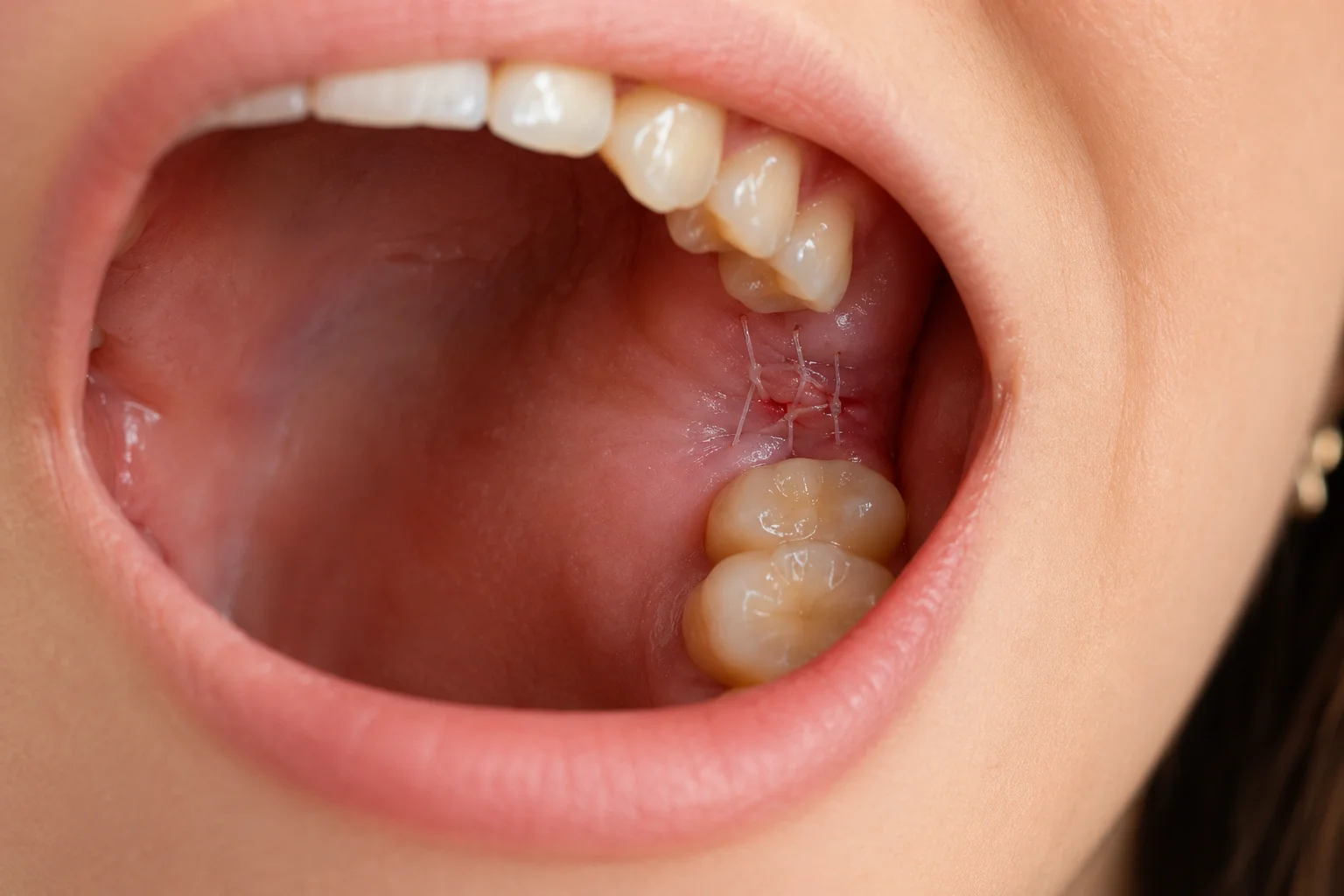
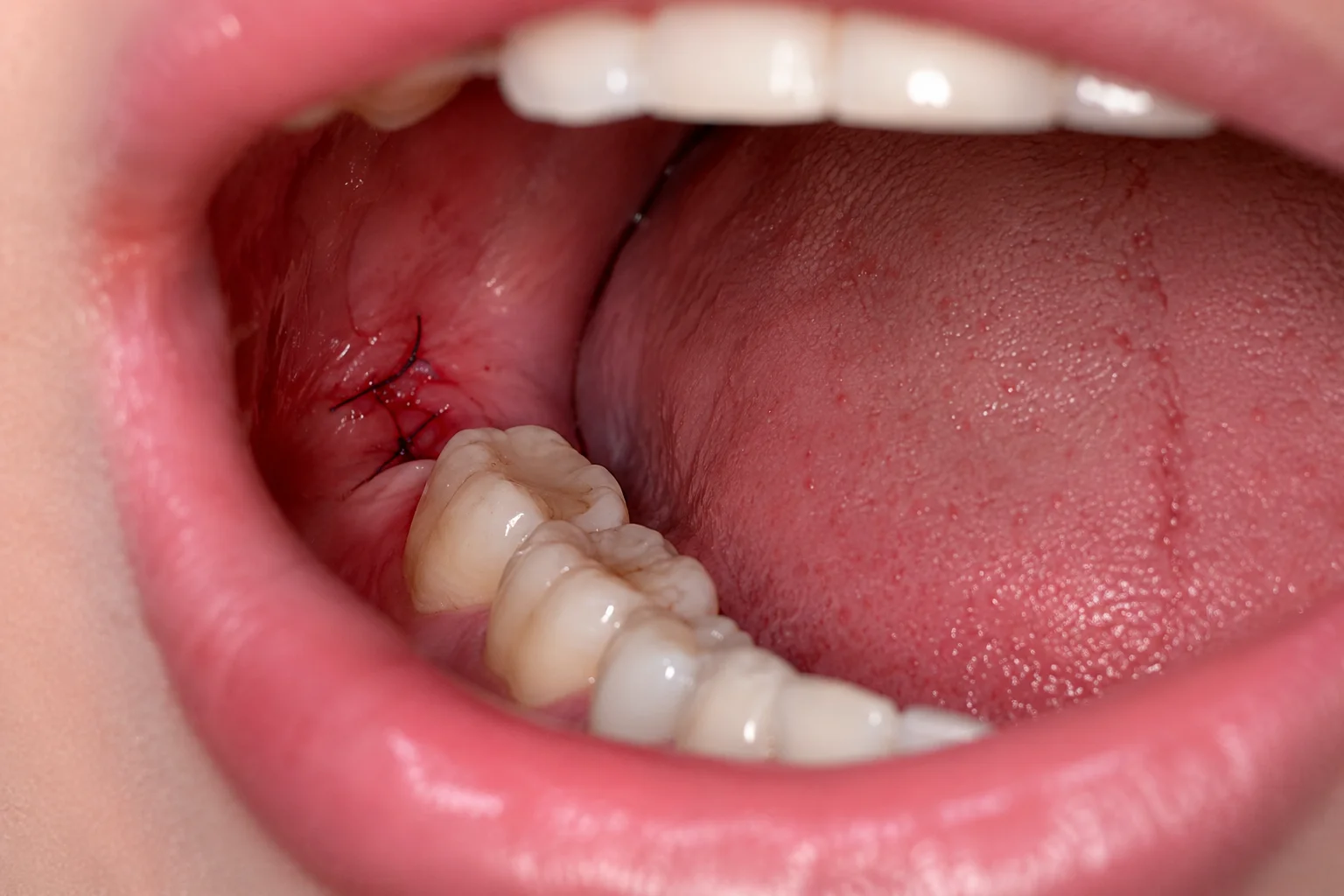
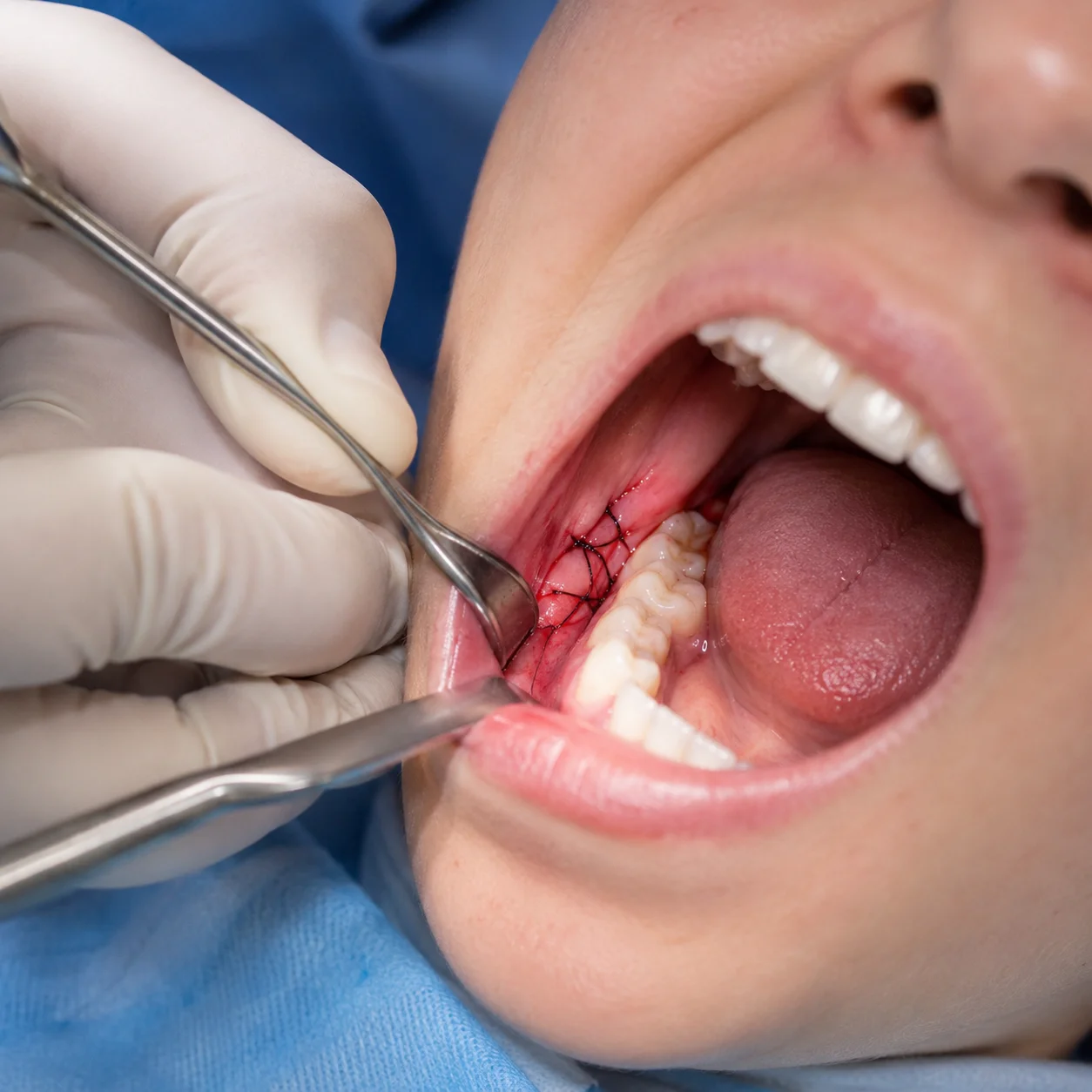
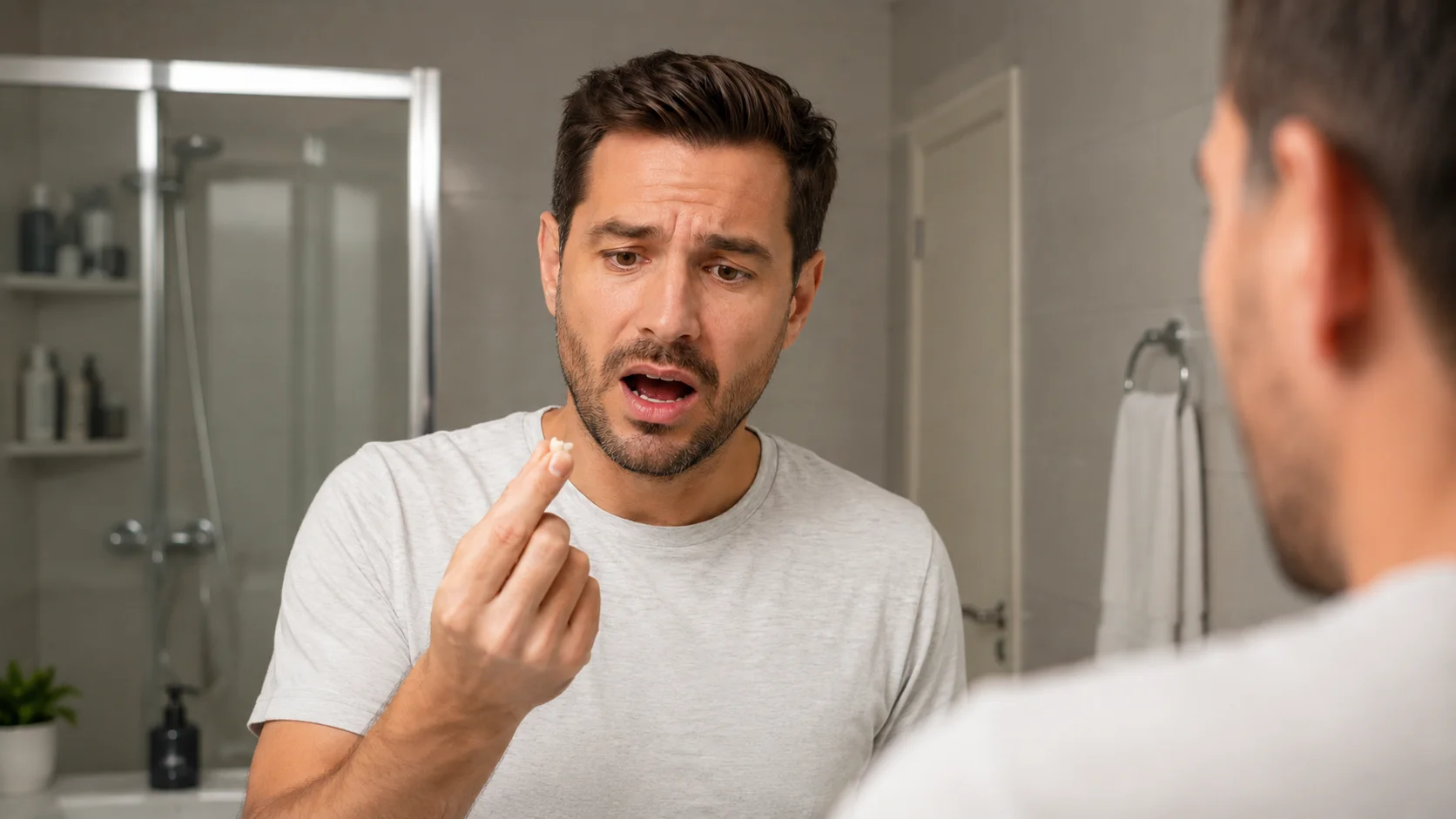
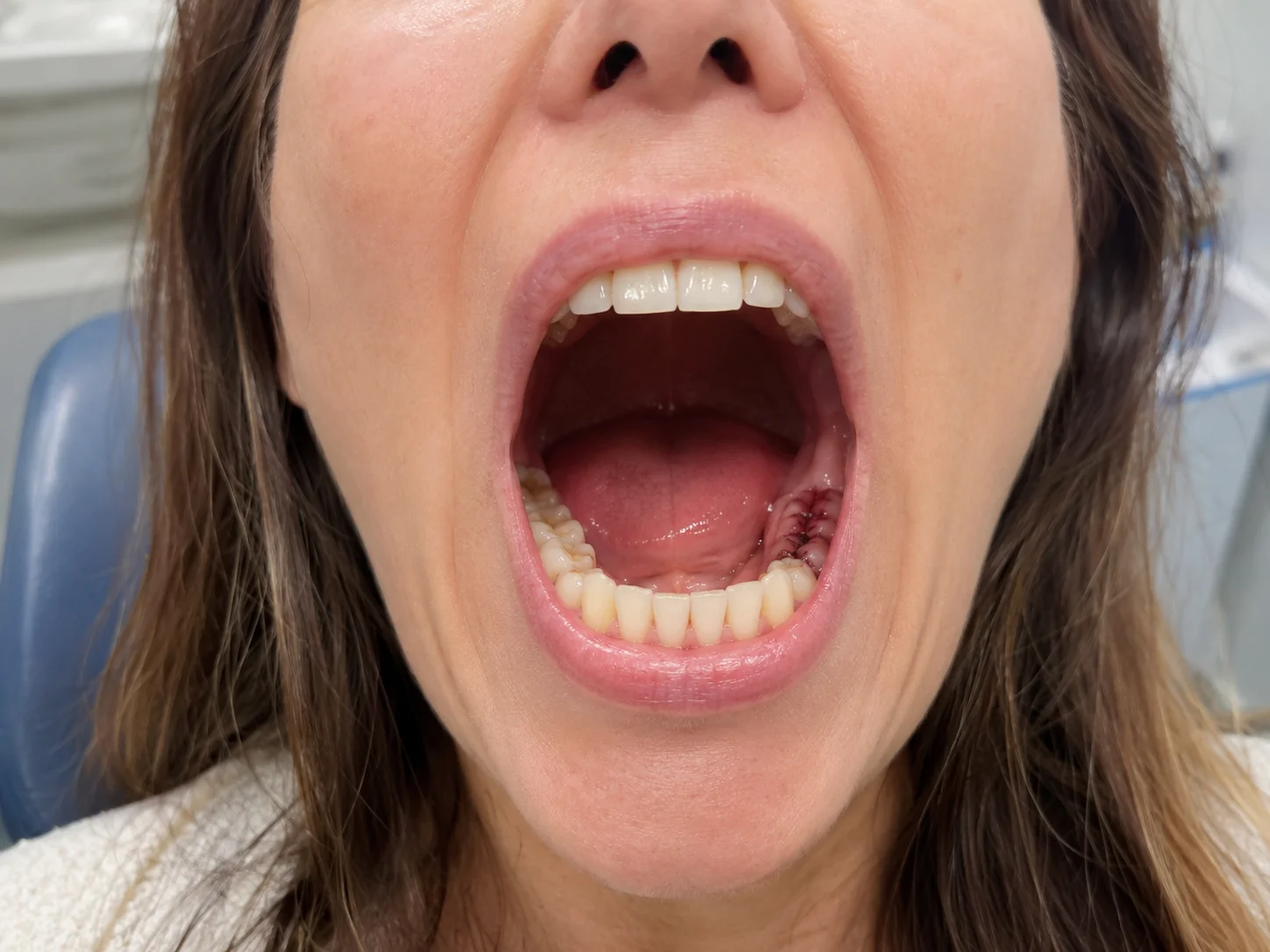
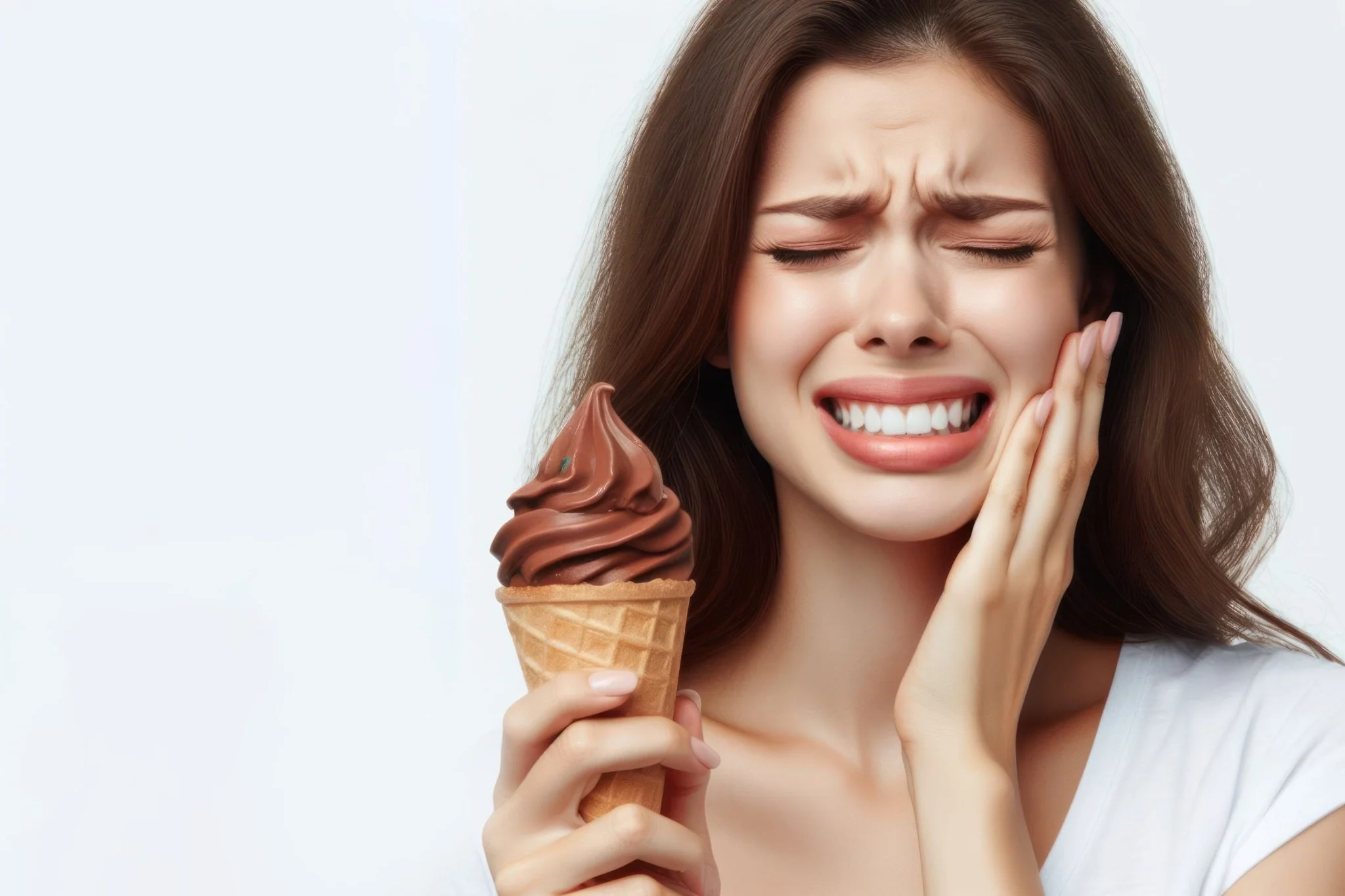
You take a sip of cold water. Then it hits. A fast sting shoots through your tooth. A second later, it may be gone. Cold tooth sensitivity can feel strange. It can also get annoying fast.
Ice water may trigger it. Ice cream may do the same. A cold smoothie can cause a sharp jolt. Even cold winter air may bother certain teeth. Sometimes the pain is mild. Sometimes it makes you stop eating.
The reason often starts with a sensitive part of the tooth. Dentin may become exposed. A tooth root may also lose some of its normal protection. That makes cold temperatures easier to feel. There are many possible causes. Enamel can wear down.
Gums can move away from the teeth. Cavities can form. Teeth can crack. Old fillings can wear out. Grinding can place extra pressure on teeth. Whitening products can cause temporary sensitivity too.
Some cases are simple. Others need treatment. The way the pain feels can give useful clues. The location matters too. The length of the pain can also tell your dentist something important. A quick sting may come from exposed dentin.
Pain that hangs around may need a closer look. The same is true when one tooth keeps hurting. Swelling is another warning sign. Pain during biting also deserves attention. A dental exam can help find the real cause. South Shore Dentistry & Implants provides dental care in Cudahy, Wisconsin.
The office offers preventive, restorative, cosmetic, implant, pediatric, and emergency dental services. Dr. Hanan Kayali and Dr. Sami Martini are listed as the practice’s general dentists. The practice also offers same-day emergency appointments for dental problems that need prompt care. Last updated: September 8, 2026
Why Are My Teeth Sensitive to Cold?
Teeth look simple from the outside. There is much more going on inside them. Enamel covers the visible part of each tooth. It is hard. It also acts like a shield. Under the enamel sits dentin.
Dentin is softer. It contains thousands of tiny pathways. These pathways lead toward the deeper part of the tooth. That deeper area contains the nerve. Healthy enamel keeps cold temperatures away from much of the dentin. Your gums help too.
They normally cover and protect the roots. Problems can start when that protection changes. Enamel may become thin. A gumline may move back. A root may become exposed. A cavity may break through the outer tooth.
A crack may create another opening. Cold can then reach sensitive areas much faster. That is when you may feel the classic sting. Some people call it an electric shock. Others describe a quick pinch. The feeling may be strong.
It may also disappear within seconds. The American Dental Association’s MouthHealthy resource links tooth sensitivity with problems such as exposed dentin, tooth decay, fractured teeth, worn fillings, gum disease, enamel wear, and exposed tooth roots. That is an important point. Cold sensitivity is a symptom. It is not a diagnosis. Two people can feel the same type of pain for very different reasons. Your dentist looks for the cause behind that pain.
Common Causes of Cold Tooth Sensitivity
Cold sensitivity can start for many reasons. Some causes involve the surface of the tooth. Others involve the gums. Some affect old dental work. A few can involve the deeper tissues inside the tooth. Common causes include:
- Worn enamel
- Gum recession
- Exposed tooth roots
- Cavities
- Tooth decay
- Small tooth cracks
- Chipped teeth
- Loose fillings
- Worn fillings
- Broken fillings
- Damaged crowns
- Older restorations
- Teeth grinding
- Jaw clenching
- Acid erosion
- Gum disease
- Recent teeth whitening
- New fillings
- New crowns
- Recent dental cleanings
- Dry mouth
Each cause works a little differently. Enamel wear leaves dentin with less cover. Gum recession exposes the root surface. Decay damages tooth structure. A crack can allow temperature changes to reach sensitive areas. An old filling may leave a small gap around the tooth.
Grinding can slowly wear enamel. Acid can soften and thin the outer tooth surface. Whitening can temporarily make teeth react more strongly. Dry mouth can also affect your risk. Saliva normally helps protect teeth. It washes away food.
It helps control acids. It also supports the natural repair of early mineral loss. When your mouth stays dry, teeth can lose some of that protection. The right treatment depends on the actual cause. A cavity may need a dental filling. A damaged tooth may need a dental crown.
An exposed root may need special care. A worn filling may need replacement. Temporary whitening sensitivity may need a change in your whitening routine. The first step is usually a proper dental exam.
Why Does Cold Water Make My Teeth Hurt?
Cold water changes the temperature around a tooth very quickly. That sudden shift matters. It can affect exposed dentin. Dentin contains tiny fluid-filled channels. These channels are called tubules. Temperature changes can cause movement inside them.
That movement can stimulate the nerve deeper inside the tooth. Your brain reads that signal as pain. The result can feel sharp. It may feel like a tiny electric jolt. It may feel like a needle-like sting. It may also feel like a short ache.
A brief reaction can happen with exposed dentin. Enamel wear can cause it too. Receding gums are another common reason. Recent whitening may also make several teeth react to cold. The pattern gives useful clues. One tooth that hurts every time may point to a local issue.
Pain during biting may suggest damage that needs checking. Pain that remains after the cold is gone can also be important. A cavity may be involved. A crack may be present. A restoration may be failing. The tissue inside the tooth may also be irritated. A dentist can test the tooth and narrow down the cause.
What Does Cold Tooth Sensitivity Feel Like?
Cold sensitivity does not feel the same for everyone. One person may feel a mild sting. Another may feel a strong shock. Some people notice it near the gums. Others feel it deep inside one tooth. Common descriptions include:
- A fast electric shock
- A sharp sting
- A sudden pinch
- A shooting pain
- A deep cold feeling
- A short ache
- A tender feeling near the gumline
- A quick pulse of pain
- A sudden zing
- A cold ache inside one tooth
The trigger also matters. Maybe ice water causes it. Maybe ice cream does. Maybe cold air starts the pain. Sweet foods can sometimes trigger the same tooth. Biting may cause discomfort too.
Tell your dentist what you notice. Small details can help. Try to remember the location. Notice the trigger.
Pay attention to the length of the pain. Also note how often it happens. The feeling alone cannot confirm the cause. The full pattern gives your dentist much better information.
Does It Matter How Long Cold Sensitivity Lasts?
Yes. The timing can be very useful. Think about what happens after the cold item leaves your mouth. Does the pain stop almost right away?
Does it continue for several seconds? Does it stay much longer? Does the tooth keep aching? These details can guide the dental exam. They can also help your dentist decide which tests may be useful.
Pain That Stops Quickly
A short burst of pain often feels dramatic. It may still come from a fairly common problem. Exposed dentin can trigger quick sensitivity. Mild enamel wear can do the same. Receding gums may expose sensitive roots. Whitening can also cause short bursts of discomfort.
A recent cleaning may temporarily make exposed root areas feel more sensitive. Mild cases may improve with careful home care. A sensitivity toothpaste may help. Gentle brushing may also make a difference.
You should still watch the pattern. Recurring pain deserves attention. The same applies when one tooth reacts every single time. That repeated pattern can point to a specific area that needs treatment.
Pain That Lingers
Pain that remains after the cold is gone needs more attention. The deeper tissue may be irritated. Decay can sometimes cause this pattern. A crack can also cause lingering pain. Problems after recent dental treatment may play a role. A damaged filling or crown may create similar symptoms.
The pain may feel dull. It may feel deep. It may slowly fade. Sometimes it starts to throb. Those changes matter. A dentist can test the tooth.
The exam may include temperature testing. Biting tests may also be used. X-rays may be helpful in some cases. The results can show what treatment makes sense.
When Cold Sensitivity Is More Concerning
A random quick sting may happen once in a while. That does not always mean something serious is wrong. Other patterns deserve a dental visit. Call a dentist when the pain:
- Lingers after the cold is gone
- Becomes stronger
- Happens more often
- Starts without a clear trigger
- Turns into a throbbing ache
- Wakes you at night
- Appears during chewing
- Hurts when you bite
- Keeps coming from one tooth
- Comes with swelling
- Comes with sore gums
- Appears with a bad taste
- Makes it hard to eat normally
- Starts affecting your daily routine
These signs cannot tell you the exact diagnosis. They simply mean the tooth needs a closer look. Home care can calm some types of sensitivity. It cannot fix every cause. A broken filling needs professional care. A deep cavity needs treatment.
A significant crack needs an exam. An infection also needs dental care. South Shore Dentistry & Implants offers same-day emergency appointments for problems such as tooth pain, swelling, and broken teeth. The office is located at 3527 E Squire Ave in Cudahy, Wisconsin.
Why Is Only One Tooth Sensitive to Cold?

One cold-sensitive tooth often suggests a local problem. Something may be happening in that tooth. The nearby gum may also be involved. Possible causes include:
- A small cavity
- A deeper cavity
- A tiny crack
- A chipped area
- A worn filling
- A loose filling
- A leaking restoration
- A new filling
- A new crown
- An exposed root
- Local gum recession
- Nerve irritation
- Recent dental treatment
Repeated pain in one exact spot is worth checking. That is especially true when the sensitivity gets stronger. Pain with chewing is another useful clue. So is pain when you release your bite. A dentist can look for changes that may be hard to see at home.
A Small Cavity Can Cause Sensitivity
A cavity does not always begin with a major toothache. Early symptoms may be easy to ignore. Cold water may suddenly bother one tooth. Sweet foods may start causing discomfort. The tooth may feel normal at other times. That can make the problem seem minor.
Decay can slowly move deeper. Sensitivity may increase as that happens. A true cavity cannot grow healthy tooth structure back on its own. It needs professional evaluation. Early treatment may also be simpler. A small filling may be enough in some cases. Waiting can allow more tooth structure to become damaged.
A Tiny Crack Can Be Hard to Spot
Some cracks are extremely small. You may never see them in a mirror. The tooth may even look normal. A cracked tooth can still react to cold. Chewing may hurt too. Hard foods may trigger it.
Pressure can cause a sharp feeling. Some people notice pain as they release their bite. The treatment depends on the crack. Its location matters. Its depth matters. The amount of healthy tooth left also matters.
A small damaged area may need a simple repair. A larger crack may need a crown. A deep crack may affect the inner tooth. Certain severe cracks may be difficult to restore. That is why the exam matters.
Old Fillings Can Cause New Problems
Older fillings can change after years of chewing and temperature shifts. An edge may chip. The restoration may loosen. A small gap may form.
Cold liquid can then reach sensitive tooth structure. You may notice a new sting in a tooth that felt normal for years. Pain when biting can be another clue. The natural tooth can also crack around an older restoration. A dental exam can show if the sensitivity is coming from the filling or the tooth underneath.
Why Are Several Teeth Suddenly Sensitive to Cold?
Sensitivity across several teeth often has a different pattern. Think about what changed recently. Did you start whitening? Did you switch toothbrushes?
Have you been brushing harder? Are you drinking more soda? Have you started sipping lemon water all day? Did you recently have a dental cleaning? A new habit can affect many teeth at the same time.
Teeth Whitening
Teeth whitening is a common cause of temporary sensitivity. Many whitening products use peroxide. Peroxide can make teeth more reactive for a short time. The American Dental Association lists tooth sensitivity as a known possible side effect of whitening. Timing can give you a clue. Sensitivity that begins during whitening may be linked to the product.
The same is true when it starts shortly after a whitening session. Follow the product directions carefully. Do not assume using extra product will give a better result. Do not keep whitening through strong pain. A short break may help. Reducing the frequency may also help when the directions allow it.
Talk with your dentist if the pain becomes strong. Call if the sensitivity does not settle. Professional advice can help you choose a gentler plan. South Shore Dentistry & Implants also lists professional teeth whitening among its cosmetic dental services.
Brushing Too Hard
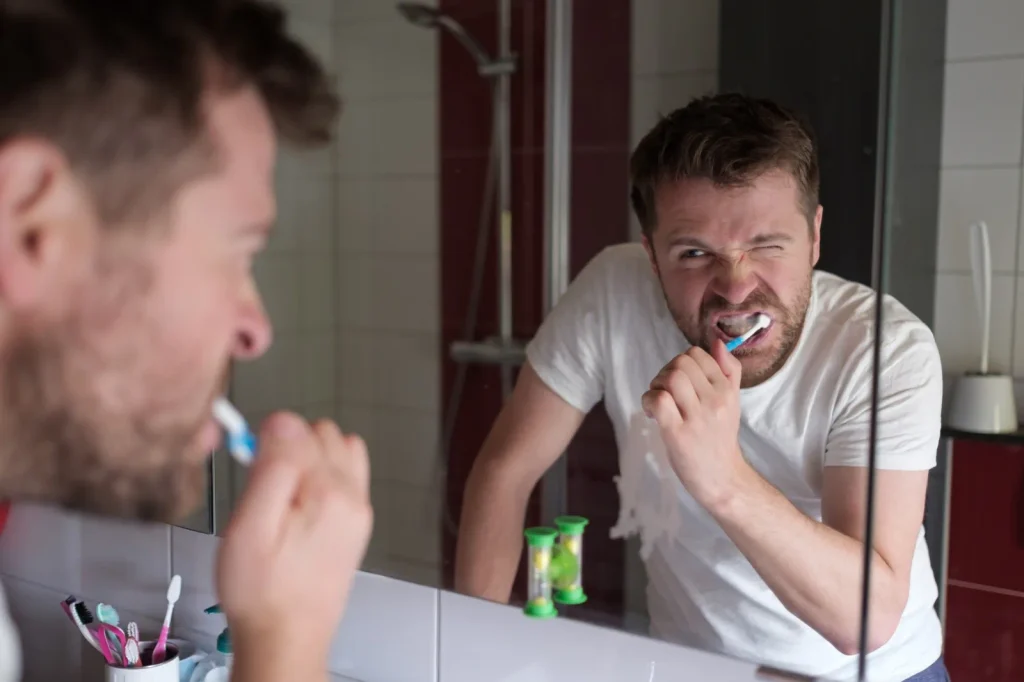
Hard brushing does not mean better cleaning. Teeth do not need aggressive scrubbing. Heavy pressure can irritate the gums. It may also add wear near the gumline. That can expose sensitive areas over time. Use a soft-bristled toothbrush.
Keep your grip loose. Use light pressure. Move the brush gently. Take your time. Look at the bristles too. Do they spread outward very quickly?
That may be a sign that you are pressing too hard. Ease up. Good brushing should feel controlled. It should not feel like you are scrubbing a floor.
Acidic Foods and Drinks
Acid can slowly weaken tooth enamel. Frequent exposure is the bigger concern. Soda is an obvious source. Sports drinks can also be acidic. Energy drinks may be acidic too. Citrus drinks can affect enamel.
Lemon water can add repeated acid exposure. Some sparkling drinks can do the same. How often you drink them matters. Slow sipping stretches the exposure over a longer time. That gives your teeth less time to recover. Try having acidic drinks with meals.
Avoid carrying one around for hours. Plain water is a better choice between meals. Rinse with water after acidic foods or drinks. Avoid hard brushing right after a strong acid exposure. Ask your dentist about timing if enamel wear is already a concern.
Gum Recession and Cold Sensitivity
Gums protect part of each tooth root. The root is different from the crown. It does not have the same thick enamel covering. That makes exposed roots much more sensitive. Cold water can feel intense. Cold air may cause a sharp sting.
Even brushing near the exposed area can feel uncomfortable. Several things can contribute to gum recession. Aggressive brushing may play a role. Gum disease can also cause the gumline to move. Grinding may add stress. Tooth position can matter.
Bite forces can affect certain areas too. The cause matters because treatment can vary. Some people simply need a gentler brushing method. Others may need treatment for gum disease.
Some exposed roots may benefit from bonding. A gum graft may be considered in selected cases. Your dentist can check how much root is exposed. They can also look for the reason behind the recession.
Sensitivity After a Dental Cleaning
Teeth can feel different after a professional dental cleaning. That can happen even after a routine visit. Some people notice mild cold sensitivity. It may be stronger near exposed root surfaces. Areas that had heavy buildup may also feel different after the deposits are removed. This type of sensitivity is often temporary.
The area may settle as your mouth adjusts. Gentle brushing can help during that time. Sensitive toothpaste may also be useful. Persistent pain is different.
Pain that gets stronger should also be checked. Call your dentist when something does not feel right. South Shore Dentistry & Implants offers professional dental cleanings as part of its preventive dental care. The office also provides online appointment requests and same-day emergency care when prompt attention is needed.
Can Cold-Sensitive Teeth Be Treated at Home?
Some mild sensitivity can improve with home care. This is especially common when exposed dentin is involved. Minor enamel wear may also become easier to manage. Temporary whitening sensitivity can calm down too. The key word is mild. Home care has limits.
It cannot repair a cracked tooth. It cannot rebuild a broken filling. It cannot remove decay from a cavity. It cannot treat a dental infection. It also cannot tell you why the tooth hurts. Use home care for symptom support. Do not use it as a replacement for an exam when pain keeps returning.
Use Toothpaste for Sensitive Teeth
Sensitive toothpaste is made for this problem. Different products use different ingredients. Some ingredients help calm the way the nerve responds. Others help block tiny pathways inside exposed dentin. Regular use matters. One brushing may not change much.
Give the toothpaste time to work. Follow the label directions. Use it as part of your normal routine. Do not keep switching products every few days. Consistency gives you a better chance to notice a difference. Book an exam when sensitivity continues. Go sooner when one tooth clearly causes the problem.
Use Fluoride Toothpaste
Fluoride helps support stronger tooth surfaces. It also helps protect teeth from decay. Fluoride does not replace enamel that has already been completely lost. It can support remineralization during the early stages of mineral loss. That makes regular fluoride toothpaste a useful part of daily care. Brush as directed.
Clean every tooth. Spend time near the gumline. Do not rinse aggressively right after brushing unless your dentist gives you different advice. Your dentist can also recommend fluoride products based on your own needs.
Choose a Soft-Bristled Toothbrush
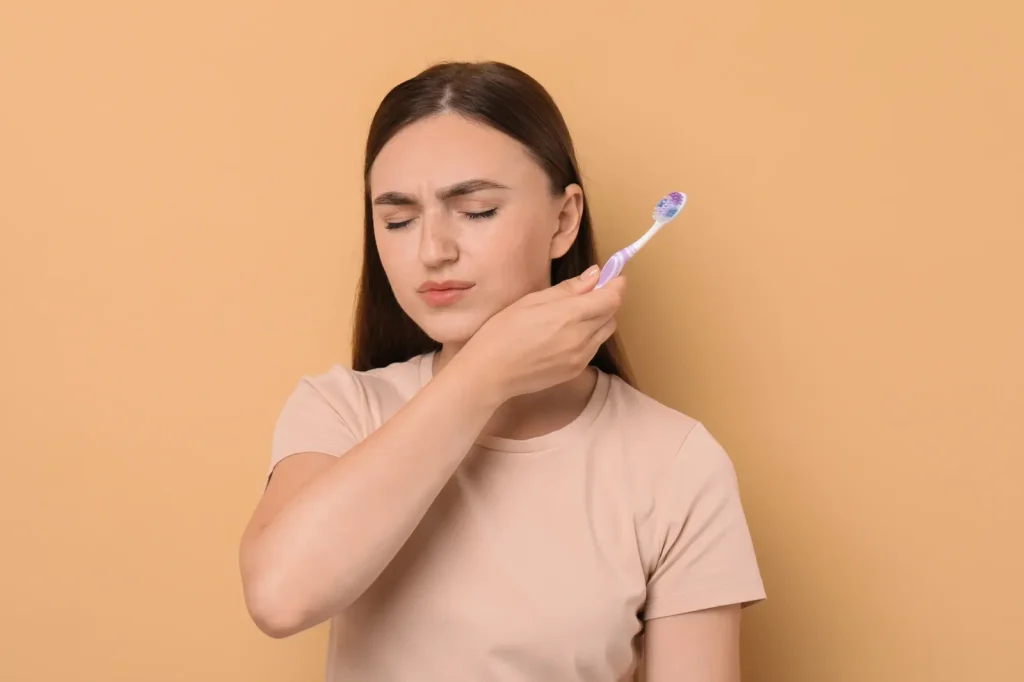
A soft brush is a smart everyday choice. It can clean teeth well. It is also gentler on gum tissue. Hard bristles are not needed for normal brushing. Pressure matters too. A soft brush can still cause trouble if you push too hard.
Keep your hand relaxed. Use small movements. Focus on control. Replace the toothbrush when the bristles look worn. Bent and frayed bristles do not clean as well. They can also encourage rough brushing.
Brush With Light Pressure
Gentle brushing works. Heavy scrubbing does not add extra protection. Use small motions near the gumline. Move around your mouth slowly. Give each area attention. Do not rush.
A common clue is the shape of your toothbrush. Check it after a few weeks. Are the bristles already flattened? Are they bending outward? Your pressure may be too strong. Try holding the brush with a lighter grip. An electric toothbrush with a pressure alert may also help some people.
Reduce Repeated Acid Exposure
You do not need to fear every acidic food. Frequency matters. Constant exposure creates the bigger problem. Try to limit all-day sipping. Drink acidic beverages in a shorter period. Have them with food when possible.
Choose plain water between meals. Rinse your mouth with water afterward. Give your teeth time before brushing. This can be especially useful after soda, citrus drinks, or other acidic choices. Ask your dentist for personal advice if erosion is already visible. Small habit changes can protect the tooth surface over time.
Take a Break From Whitening
Sensitivity during whitening often improves when the teeth get time to recover. Pause the product if the discomfort becomes noticeable. Follow the timing on the package. Do not extend each session. Do not add extra gel. Do not use the product more often than directed.
A shorter schedule may feel better. A lower-strength option may also be easier on sensitive teeth. Your dentist can help you decide when it is safe to restart. They can also check for exposed roots, cavities, or cracks before you continue. That check is useful when one tooth feels much worse than the others.
Home Remedies to Avoid
Tooth pain makes quick fixes tempting. The internet has plenty of them. Some can make the problem worse. Avoid rubbing strong acids directly on your teeth. Lemon juice is a common example. It can contribute to enamel erosion.
Be careful with homemade peroxide mixtures too. Strong peroxide can irritate gum tissue. It can also increase sensitivity. Avoid aggressive baking soda scrubs. Some commercial toothpastes contain baking soda. Those formulas are made for dental use.
A rough homemade paste is different. Hard scrubbing can add unnecessary wear. Charcoal products also deserve caution. Their abrasiveness can vary. Evidence for many claimed benefits remains limited. Sensitive teeth usually do better with products designed for sensitivity. Ask a dentist before trying an unusual home treatment.
What Can a Dentist Do for Cold-Sensitive Teeth?
The first job is finding the cause. That sounds simple. It is also the most important part. Treating every sensitive tooth the same way can miss the real issue. A dentist can examine the teeth. They can look at the gums.
They can check old fillings. They can inspect crowns. They can look for worn enamel. They can check exposed roots. They can test the way individual teeth respond. X-rays may also help.
At South Shore Dentistry & Implants, Dr. Hanan Kayali and Dr. Sami Martini provide general dental care. The practice lists cleanings, fillings, crowns, root canals, extractions, implants, whitening, pediatric dentistry, dentures, and other services. Your treatment will depend on what the exam shows. That may mean simple preventive care.
It may mean repairing a filling. It may mean treating decay. A crown may be needed. A root canal may be considered in certain cases. Gum treatment may help when recession or gum disease is involved.
What Your Dentist May Check
A sensitivity exam can involve several areas. Your dentist may check for:
- Cavities
- Tooth decay
- Existing fillings
- Existing crowns
- Gum recession
- Exposed roots
- Enamel wear
- Tooth cracks
- Small chips
- Bite problems
- Signs of grinding
- Signs of clenching
- Tender gum areas
- Recent dental work
- Changes in individual teeth
Your dentist may also ask questions. When did the pain start? What triggers it? How long does it last? Is one tooth involved? Does biting hurt?
Did you recently start whitening? Have you had a new filling? These details help guide the exam. Dental X-rays may also be recommended. Some problems stay hidden under the surface. X-rays can provide another view when the dentist needs more information.
Professional Fluoride and Desensitizing Care
Sensitive toothpaste may not be enough for every patient. Extra treatment can help in selected cases. A dentist may apply fluoride to sensitive areas. Other desensitizing materials may also be used. The goal is to reduce the tooth’s response to cold. These treatments work best when they match the cause.
They cannot fix every type of tooth pain. Fluoride will not repair a cracked tooth. A desensitizer will not remove decay. A broken filling still needs repair. The diagnosis comes first. The treatment follows.
Dental Bonding for Exposed Roots
Bonding can help certain exposed root surfaces. The dentist places tooth-colored material over the sensitive area. That material creates a barrier. The barrier reduces direct contact with cold. It may also make brushing the area more comfortable. Bonding is not right for every case.
The condition of the tooth matters. The gumline matters. The amount of recession matters. The cause of the recession matters too.
A dentist needs to inspect the area first. Other treatment may be better when gum disease is active. A graft may make more sense in some cases. The right choice depends on your mouth.
Treating Tooth Decay
Tooth decay can range from early mineral loss to a true cavity. Those stages are different. Very early mineral changes may sometimes respond to preventive care. A formed cavity usually needs restorative treatment. The dentist examines the damaged area. They determine how much tooth structure is affected.
Decay may need to be removed. The tooth is then repaired. A filling is a common treatment for a smaller cavity. Larger damage may need another type of restoration. The location matters. The size matters.
The remaining tooth structure matters. Early care can often keep treatment simpler. Waiting may allow the cavity to grow. That can lead to more sensitivity. It may also lead to pain without a cold trigger.
Repairing an Old Filling
Treatment depends on what the dentist finds around the restoration. A small damaged edge may be repaired in some cases. A loose or badly worn filling may need replacement. Decay under or around the filling also needs treatment. The dentist checks how much healthy tooth structure remains before choosing the repair. South Shore Dentistry & Implants offers dental fillings as part of its restorative care for cavities and damaged tooth structure.
Treating a Cracked Tooth
Treatment depends on how far the crack extends. A small damaged area may be treated with bonding in selected cases. A crown can protect some cracked teeth from further stress. A deeper crack may reach the nerve and make root canal treatment necessary.
Severe cracks can be difficult to restore. Some teeth may not be repairable in a predictable way. Early evaluation gives the dentist a better chance to protect the remaining tooth structure. Avoid heavy chewing on the affected side until the tooth has been checked.
Treating Gum Recession
Treatment focuses on protecting the exposed root and stopping further damage. A gentler brushing method may be enough in mild cases. Active gum disease may need periodontal care. Bonding can cover selected root surfaces when sensitivity is the main problem. A gum graft may be considered when more root coverage is needed. The best option depends on the amount of recession, the health of the gums, and the condition of the tooth. Your dentist can explain which approach fits the area.
Night Guards for Teeth Grinding
Grinding places repeated force on teeth. Clenching does the same. You may do it while sleeping. You may not even know it is happening. Over time, the force can wear tooth surfaces. Small fractures may develop.
Edges may flatten. Teeth may become more sensitive. Your dentist can look for signs of grinding. They can check your bite too.
A night guard may be recommended when bruxism is present. The guard creates a protective layer between the teeth. It can help reduce direct tooth-to-tooth wear. Other management options may also be discussed. The goal is to protect the teeth from repeated stress.
Does Cold Sensitivity Mean I Need a Root Canal?
No. Cold sensitivity does not automatically mean you need root canal treatment. Many common problems can cause a quick cold sting. Exposed dentin is one. Receding gums are another. Whitening can also cause temporary discomfort.
Recent dental work may create short-term sensitivity. Root canal therapy may be considered when the tissue inside a tooth is badly inflamed or infected. Certain symptoms can raise concern. Lingering hot or cold pain is one example. Severe chewing pain can matter. Biting pain can also be important.
Deep decay may reach the inner tooth. A crack may extend toward sensitive tissue. Swelling may suggest a deeper dental problem. The American Association of Endodontists lists lingering sensitivity to heat or cold among symptoms that may need further evaluation. Symptoms still do not confirm the treatment by themselves. The tooth needs an exam.
Testing may be needed. X-rays may also be used. Your dentist can then explain the diagnosis. South Shore Dentistry & Implants lists root canal therapy among its dental services in Cudahy.
How Long Does Cold Tooth Sensitivity Last?
There is no single timeline. The cause controls the answer. Temporary irritation may improve in a few days. Some cases take longer. Whitening sensitivity may settle after treatment stops. Sensitivity after cleaning may ease as the tissues calm.
Exposed roots can remain sensitive until the area is managed. Decay may continue causing symptoms until it is treated. A cracked tooth may keep reacting to temperature. A worn filling can stay sensitive until it is repaired. Watch the pattern. Improving symptoms are usually a better sign.
Worsening symptoms deserve attention. Pain that keeps returning should be checked. Pain that starts lasting longer should also be checked. Do not judge the problem by pain level alone. A small dental issue can sometimes produce sharp pain. A deeper problem may also start quietly. The exam gives you clearer answers.
When Whitening Sensitivity Needs a Dental Check
Most whitening sensitivity affects several teeth and fades after treatment stops. A different pattern deserves more attention. One tooth that reacts much more strongly can point to another problem. Pain that lingers after cold exposure should also be checked.
The same applies to biting pain, swelling, or pain that starts without a trigger. Those signs may have nothing to do with whitening itself. A dentist can look for decay, cracks, exposed roots, or a damaged restoration. Getting that checked before restarting whitening can prevent you from masking a separate dental issue.
When Should I Book a Dental Visit?
A quick sting once in a while may have a simple cause. Repeated pain is different. Book an exam when sensitivity keeps coming back. Make an appointment when the same tooth reacts again and again. Call when cold pain starts getting stronger. Lingering discomfort also needs attention.
Pain while chewing deserves a check. Swelling is another reason to call. A bad taste near a painful tooth can be important too. Do not rely on sensitivity toothpaste for months while the problem gets worse.
The toothpaste may reduce the feeling. It cannot diagnose the tooth. An exam can show what is happening. Earlier care may also make treatment easier.
What to Expect at South Shore Dentistry & Implants
South Shore Dentistry & Implants is located at 3527 E Squire Ave in Cudahy, WI 53110. Dr. Hanan Kayali and Dr. Sami Martini are listed as general dentists at the practice. The office provides care for patients of different ages. Services include dental cleanings, fillings, crowns, root canals, tooth extractions, whitening, dental implants, dentures, pediatric care, and emergency dentistry.
The practice also states that same-day emergency appointments are available. Its listed phone number is 414-401-4944. The office hours listed on the practice website are Monday from 9 AM to 5 PM, Tuesday from 9 AM to 2 PM, Wednesday from 9 AM to 5 PM, Thursday from 9 AM to 5 PM, and Friday from 9 AM to 5 PM. Saturday and Sunday are listed as closed. If cold sensitivity keeps bothering you, you do not need to figure out the diagnosis before calling. Tell the dental team what you feel.
Mention the tooth if you can identify it. Explain what triggers the pain. Say how long it lasts. Those details give the dentist a useful starting point.
Frequently Asked Questions About Teeth Sensitive to Cold
Why Are My Teeth Suddenly Sensitive to Cold?
Whitening, hard brushing, gum recession, acid erosion, or recent dental work can cause sudden sensitivity. A cavity or small crack may also be the reason.
Why Are My Teeth Sensitive to Cold Without Cavities?
Cold sensitivity can come from worn enamel, exposed dentin, receding gums, grinding, whitening, or recent dental work.
Is It Normal for Teeth to Be Sensitive to Cold?
Mild sensitivity is common, but frequent or lingering pain should be checked by a dentist.
Why Do My Teeth Hurt When I Drink Cold Water?
Cold water can trigger exposed dentin, worn enamel, gum recession, cavities, cracks, or damaged fillings.
Why Does My Tooth Hurt After the Cold Drink Is Gone?
Lingering pain may point to deeper irritation, a cavity, or a crack. A dentist should check it if it keeps happening.
Why Are My Front Teeth Sensitive to Cold?
Whitening, hard brushing, gum recession, and enamel erosion can make front teeth sensitive to cold.
Can Stress Make My Teeth Sensitive to Cold?
Stress can lead to jaw clenching or grinding, which may wear down enamel and increase sensitivity.
Does Gum Recession Cause Cold Sensitivity?
Yes. Receding gums expose sensitive tooth roots, which can react strongly to cold water or air.
Does Sensitive Toothpaste Really Work?
Yes, it can help reduce sensitivity caused by exposed dentin. It will not fix cavities, cracks, or damaged fillings.
How Long Does Sensitive Toothpaste Take to Work?
Some people notice relief quickly, while others need regular use for several days or longer.
Can Cold Sensitivity Mean I Need a Root Canal?
Sometimes, but a quick cold sting often has a simpler cause. Lingering, severe, or nighttime pain needs closer testing.
Why Is My Tooth Sensitive Months After a Filling?
The filling may need adjustment, the nerve may still be irritated, or there may be a crack or new decay.
Why Do My Teeth Hurt When I Breathe Cold Air?
Cold air can trigger exposed dentin, exposed roots, or worn enamel, especially in cold weather.
Can Dry Mouth Make Teeth More Sensitive?
Yes. Low saliva can increase the risk of decay, which may lead to tooth sensitivity.
Will Teeth Sensitive to Cold Go Away on Their Own?
Temporary sensitivity may fade, but cavities, cracks, and broken fillings need dental treatment.
Get Help for Cold-Sensitive Teeth in Cudahy, WI
Cold sensitivity can turn small everyday moments into frustrating ones. A glass of water can hurt. Ice cream can stop being fun. A cold morning can make one tooth sting.
Even rinsing after brushing may feel uncomfortable. The good news is that many causes can be treated or managed once the source is found. The first step is figuring out what is causing the reaction. Maybe enamel has worn down. Maybe
Tooth Sensitivity can make something as simple as sipping cold water surprisingly uncomfortable. That sudden zing when you drink an iced beverage or bite into ice cream is often a sign of cold sensitivity—and it’s more common than you might think.
There are several possible causes. Worn enamel can leave the inner layers of your tooth less protected. Gum recession may expose part of the tooth root. Cavities, small cracks, aging fillings, and even recent whitening treatments can also make teeth more sensitive to cold.
Mild sensitivity often responds well to simple fixes. Sensitive toothpaste. Softer brushing. A short break from whitening. But things like cavities, cracks, or a busted filling may need professional treatment such as dental fillings or other restorative care.
Pay attention to what sets it off and how long it lasts. That info helps your dentist figure out what’s really going on. For patients in Cudahy, Bay View, St. Francis, South Milwaukee, Oak Creek, and nearby Milwaukee communities, South Shore Dentistry & Implants offers dental care with Dr. Hanan Kayali and Dr.
Sami Martini. Services include preventive, restorative, cosmetic, emergency, implant, and other general dentistry services. The office works with major PPO insurance plans, Medicare Advantage, and Medicaid, and patients without insurance can ask about self-pay options.
Why Are My Teeth Sensitive to Cold?
Your tooth isn’t just one solid chunk. It’s built in layers, and each layer has a job. The outer layer is enamel. Hard. Tough. Made to shield everything underneath. Right below that sits dentin, and dentin is way more sensitive. Inside it are tiny channels that run straight toward the nerve at the tooth’s center.
When enamel wears thin, dentin gets exposed. Same thing happens when gums pull back. Once that occurs, cold can reach those nerve endings fast. And your tooth reacts almost instantly. That’s where the sting comes from. Sometimes it’s quick.
Sometimes it’s deep and lingers a bit. For some folks, it’s gone in a second. For others, it sticks around longer. The cause shifts from person to person too. One person has worn enamel. Another has exposed roots. Someone else has a small cavity brewing. Another just finished a whitening session.
There’s no single answer here. The pain might feel similar across the board, but what’s driving it can be completely different.
What Causes Teeth to Be Sensitive to Cold?
Plenty of things can set this off. Some come from everyday habits. Others point to actual dental issues. Common culprits:
- Worn tooth enamel
- Gum recession
- Exposed tooth roots
- Cavities
- Tooth decay
- Cracked teeth
- Chipped teeth
- Loose fillings
- Old fillings
- Damaged crowns
- Teeth grinding
- Jaw clenching
- Acid erosion
- Gum disease
- Recent whitening
- Recent fillings
- Recent crowns
- Recent dental cleanings
- Dry mouth
Depending on the cause, treatment may involve a dental filling dental crown, professional teeth whitening guidance, or treatment for gum-related problems. And sometimes one thing snowballs into another. That’s where it gets messy. Say you grind your teeth at night.
Over the years, that wears enamel thin. Once enamel thins out, dentin loses its shield. Cold drinks start stinging. Or maybe you brush like you’re scrubbing a pan. Teeth feel squeaky clean, but gums get irritated. Over time, the gumline creeps back. That exposes the root, and boom, sensitivity. Same end result, totally different path to get there.
Why Does Cold Water Make My Teeth Hurt?
Cold water shocks the tooth with a fast temperature drop. A healthy tooth shrugs this off no problem. But if dentin is exposed, that’s a different story. Fluid inside those tiny channels shifts around. That movement pokes at the nerve buried deeper in the tooth. And then, the jolt.
It can feel like a mini electric shock. Sharp and clean for some people. For others, more like a deep, cold ache buried in the tooth. Often it fades right away. That’s typical for basic dentin sensitivity. But cold water can also flag a cavity.
Or bug a cracked tooth. An old filling might let cold sneak through to the layer beneath. A tooth that just had work done might act up for a while too. So one quick sting? Good info. Repeated pain in the same spot? Even better info.
What Does Cold Tooth Sensitivity Feel Like?
Everyone describes it differently. There’s no textbook answer here. Some call it a zap. Others say it’s like a needle jabbing straight into the tooth. You might notice:
- A quick electric shock
- A sharp sting
- A sudden pinch
- A short shooting pain
- A deep cold feeling
- A brief ache
- A pulse of pain
- Tenderness near the gumline
Sometimes it’s mild, barely a blip. Other times it’s strong enough to make you stop drinking mid-sip. Some people start chewing on the opposite side without even thinking about it. One tooth might stand out clearly. Other times the whole area feels off, and it’s tricky to pin down exactly where it started.
Totally normal. Tooth pain can trick you into thinking it’s coming from the wrong spot.
Does It Matter How Long Cold Sensitivity Lasts?
Yes, quite a bit actually. Timing is a clue all on its own. A one-second zing is nothing like pain that stays put after the cold’s gone. And that’s different again from pain that just starts on its own. Strength matters too. A faint twinge feels nothing like a deep throb. You don’t have to play dentist and diagnose yourself. But these details are worth noting.
Pain That Stops Quickly
A fast burst of pain usually points to exposed dentin. Take a sip, feel the sting, and then it’s over. This kind of pain often shows up with mild enamel wear. Gum recession can cause it too. Sometimes it shows up right after whitening. Some people notice it after a cleaning. Common reasons:
- Mild enamel wear
- Gum recession
- Exposed roots
- Recent whitening
- Recent cleaning
- Minor irritation
- Slight changes near the gumline
Even short pain gets old fast. It might make you avoid certain foods altogether. Still, brief pain usually behaves differently than the deeper stuff. That difference can actually help.
Pain That Lingers
This one deserves more attention. You stop sipping, but the tooth keeps aching. Maybe it fades slowly. Maybe it turns into a dull throb. That can mean the nerve inside is irritated. A deeper cavity might be the reason. A crack can cause this too. Some teeth stay sensitive after a filling as well.
If the pain won’t quit, don’t sit on it for months. Get it looked at.
When Cold Sensitivity Becomes More Concerning
Some patterns deserve a dental visit. They don’t always mean something scary, but they shouldn’t be brushed off either. See a dentist if the pain:
- Lasts after the cold is gone
- Gets stronger over time
- Starts without any trigger
- Turns into throbbing
- Wakes you at night
- Hurts when you chew
- Hurts when you bite down
- Keeps happening in one tooth
- Comes with swelling
- Comes with a bad taste
- Comes with gum tenderness
At that point, guessing gets you nowhere. A dentist can test the tooth and dig up the real cause. That saves you a ton of worry. And it can stop a tiny issue from turning into a big one.
Why Is Only One Tooth Sensitive to Cold?
Sometimes it’s an easy one to spot. One tooth acts up, and the rest feel totally fine. You drink cold water and it’s the same tooth, every single time. That usually points to a local issue. The problem might be small. Still, a repeat offender is worth paying attention to.
Common Causes of Cold Sensitivity in One Tooth
- A small cavity
- A deeper cavity
- A tiny crack
- A chip
- A worn filling
- A loose filling
- A leaking filling
- A new restoration
- An exposed root
- Gum recession
- Nerve irritation
- Recent dental work
Try to remember exactly where it hurts. That detail comes in handy at your appointment. You don’t need to poke or prod the tooth. Just notice.
A Small Cavity Can Cause a Big Sting
Cavities aren’t always loud and constant. A small one can stay quiet most of the day, then you sip something cold, and suddenly it screams. A few seconds later, it’s gone. Easy to write off, right? But the cavity is still growing underneath.
As decay creeps deeper, sweets start bothering the tooth too. Then hot drinks join the party. Eventually the tooth might ache with no trigger at all. That’s why repeated sensitivity in one spot really matters.
A Crack May Be Hard to Spot
Cracked teeth are sneaky. Some cracks are obvious. A lot are tiny and easy to miss. The tooth might look perfectly fine in the mirror while you’re still hurting. Cold drinks can set it off. Chewing might too. Some people feel pain the moment they release their bite. That’s a classic crack sign. Small cracks tend to grow worse with time. Better to catch it early.
Old Fillings Can Start Causing Trouble
Fillings take a beating over the years. They wear down just like anything else does. The edge might chip. A tiny gap can form. The filling itself may loosen up. Once that happens, cold water sneaks in and hits the sensitive layer underneath. That’s a sharp sting waiting to happen. Sometimes a repair fixes it.
Other times the whole filling needs replacing. Your dentist can check the edges and figure out the right move.
When One Sensitive Tooth Needs a Dental Visit
Don’t ignore a single tooth that keeps acting out. That’s your clue. Book a visit if you notice:
- Pain when chewing
- A visible crack
- A chipped edge
- A broken filling
- Swelling
- Darkening of the tooth
- Pain that lingers
- Pain that starts on its own
- Increasing sensitivity
- Tender gums around the tooth
Small dental problems are usually easier to fix early. Waiting just makes the fix harder down the road.
Why Are All My Teeth Suddenly Sensitive to Cold?
Sometimes it’s not just one tooth. Your whole mouth joins in on the fun. Cold water stings several teeth at once. Cold air bugs your front teeth too. That can feel strange, especially if it came out of nowhere. Think back on what’s changed lately. A new habit could be the culprit. So could a recent treatment.
Did You Start Whitening Your Teeth?
Whitening is a big one for temporary sensitivity. A lot of these products use peroxide, and that ingredient lifts stains but also makes teeth feel more reactive for a bit. You might notice several teeth stinging at once. Cold drinks make it obvious. Cold air too.
Even room-temperature water can feel weird for a few days. Usually it settles down on its own. Still, if the pain is strong, check in with your dentist.
Are You Brushing Harder?

Loads of people think heavier pressure equals a better clean. Nope. Heavy brushing irritates gums and wears down the area near the gumline. Over time, that exposes sensitive spots, and cold starts hurting. A soft toothbrush cleans just as well. Scrubbing isn’t necessary.
Are You Drinking More Acidic Drinks?
Acid slowly weakens enamel. You might not notice at first. Then, months or years later, cold drinks start stinging out of nowhere. The change feels sudden even though the damage built up slowly. Common acidic drinks:
- Soda
- Sports drinks
- Energy drinks
- Citrus juice
- Lemon water
- Flavored drinks
- Sour beverages
- Some fizzy drinks
How often you drink these matters. Sipping soda all afternoon means constant acid exposure. That’s different from one drink with dinner. Little habits pile up fast.
Have Your Gums Started Receding?
Gums can pull back slowly, and most people don’t even notice at first. Then teeth start looking longer. Roots become visible. Roots are sensitive. They don’t have that thick enamel armor covering them. Cold water hits them hard. So does cold air. Hard brushing can cause recession. So can gum disease.
Did You Recently Have a Dental Cleaning?
A dental cleaning can leave teeth a bit sensitive afterward. This shows up a lot around exposed roots. Tartar might’ve been covering a sensitive spot, and once it’s cleared away, that area reacts more to temperature. That doesn’t automatically mean trouble. It often settles on its own.
If it doesn’t, mention it to your dentist. Pain that sticks around is worth a check.
Can Teeth Sensitive to Cold Be Treated at Home?
Mild sensitivity often improves with a few small tweaks. You don’t need some elaborate routine. The trick is knowing what home care can and can’t do. It can help protect exposed dentin and calm irritation. It can help with mild enamel wear too, and with temporary sensitivity from whitening. What home care can’t do: fix a crack.
Remove a cavity. Repair a broken filling. Those need real dental treatment.
Use Toothpaste for Sensitive Teeth
Sensitive toothpaste is a solid starting point. These are built for teeth that react to temperature. Some ingredients calm nerve signals. Others plug up the tiny channels in dentin. That can make cold drinks less painful. It may also ease sensitivity from brushing or sweets. Use it daily.
Give it time. One brushing won’t cut it. Consistency is key here.
Does Sensitive Toothpaste Work Right Away?
For some folks, it kicks in fast. Others need days, sometimes longer. The cause behind the sensitivity plays a role. So does the specific product, since different formulas work in different ways.
Stick with one and use it consistently. Hopping between brands every few days makes it hard to tell what’s actually helping. If nothing changes, the cause might need a closer look from your dentist.
Use Fluoride Toothpaste
Fluoride helps protect enamel and fights decay. That’s useful when your teeth are sensitive, since weak enamel loses minerals over time. Fluoride can support the areas that are still hanging in there. It can’t rebuild enamel that’s already gone. But it’s still a smart daily habit.
Choose a Soft-Bristled Toothbrush
You don’t need hard bristles to get clean teeth. Soft bristles do the job just fine, and they’re kinder to your gums, which matters a lot if your roots are already exposed. A soft brush cuts down on extra wear near the gumline. Small switch, big difference.
How Hard Should You Brush?
Use light pressure. Your teeth don’t need a scrub-down. Move the brush slowly around your whole mouth, and take extra time near the gumline, gently. Good technique beats brute force every time. Cleaner doesn’t mean harder.
Check Your Toothbrush for Clues
Your toothbrush can rat you out. Take a look at the bristles. Bent outward after just a few weeks? Look crushed already? That’s a sign you’re pressing too hard. Try easing up. Let the bristles do the work. Your gums will thank you for it.
Reduce Acid Exposure
Acid is rough on enamel. Teeth can handle a bit of it, but constant exposure is another story entirely. Over time, repeated acid attacks wear down the surface, leaving dentin with less protection. Once that happens, cold sensitivity shows up and often gets worse. Drinks that ramp up acid exposure:
- Soda
- Sports drinks
- Energy drinks
- Citrus juice
- Lemon water
- Sour drinks
- Some flavored waters
- Some fizzy drinks
No need to panic over one soda. Look at the bigger pattern. How often do you drink it? How long do you sip it out? Those questions matter way more than people realize.
Avoid Sipping for Hours
Sipping slowly keeps acid in contact with your teeth for way longer. Each sip restarts the clock. You drink a bit, wait ten minutes, drink again. That keeps your mouth acidic and gives enamel less time to bounce back. Try to finish acidic drinks in one go. Then switch over to plain water.
Drink Water Afterwards
Water is simple, but it works. It rinses leftover acid out of your mouth and washes away food bits. Great habit after meals and after acidic drinks. No fancy rinse needed. Plain water does the trick.
Be Careful With Brushing After Acidic Foods
Acid softens the outer layer of enamel for a short window. Brushing hard right after can add even more wear. Rinse with water first. Give it a minute. Then brush gently. If enamel erosion is already an issue, ask your dentist what routine fits you best.
Take a Break From Whitening
Whitening brightens teeth, sure, but it can also crank up sensitivity. If your teeth got sensitive to cold after whitening, take a step back. Give them time to settle. You might need a different schedule, or a gentler product.
Ways to Reduce Whitening Sensitivity
- Whitening less often
- Shortening each session
- Taking longer breaks
- Using sensitivity toothpaste
- Choosing a gentler product
- Asking your dentist for advice
Don’t push through strong pain. Your teeth are trying to tell you something.
A short pause beats making things worse. You can always rethink the whitening plan later.
Which Home Remedies for Sensitive Teeth Actually Make Sense?

The internet loves a home remedy. Some sound harmless enough. Others can actually make things worse, and that’s the part folks often miss. The safest bet is usually simple: protect the tooth, skip anything harsh.
Helpful Home Care Options
- Desensitizing toothpaste
- Fluoride toothpaste
- A soft toothbrush
- Gentle brushing
- Less acid exposure
- Better gum care
- Less whitening
- More plain water
- Regular dental visits
None of these are flashy. That’s fine. They work because they support your teeth instead of adding more damage.
Be Careful With Baking Soda
Baking soda pops up in some dental products, but that doesn’t mean scrubbing plain baking soda straight onto your teeth is smart. Too much rubbing increases wear. Sensitive spots can get even more exposed. Stick with products made for oral care and follow the label. Safer than a rough homemade paste.
Be Careful With Hydrogen Peroxide
Hydrogen peroxide shows up in a lot of whitening products, but the amount matters a lot, and so does the formula. Homemade mixes can be way too strong. Strong peroxide can irritate gums and make sensitivity worse. Stronger isn’t automatically better here.
Skip Lemon Juice on Your Teeth
Lemon juice is acidic, and that’s the whole problem. Repeated acid exposure wears down enamel, and thin enamel makes cold sensitivity worse. So rubbing lemon juice on your teeth actually works against you. Sounds natural, sure, but that doesn’t make it gentle. Enamel doesn’t grow back once it’s gone. Better to protect what you’ve got.
Think Twice About Charcoal Toothpaste
Charcoal toothpaste has gotten popular, often sold as a natural whitening trick. That doesn’t make it great for sensitive teeth though. Some formulas are abrasive. If your enamel is already worn thin, more abrasion is the last thing you need. Look for products built for sensitivity instead.
Trendy doesn’t always mean useful. Your teeth care about the formula, not the marketing hype.
Natural Does Not Always Mean Safe
Natural ingredients can still be rough. Still acidic. Still irritating to gums. Just because something’s sitting in your kitchen doesn’t make it safe for your teeth. Before trying a DIY fix, ask yourself: is it acidic, rough, or irritating?
If you’re not sure, skip it. Simple dental care is usually the safer route.
What Can a Dentist Do for Teeth Sensitive to Cold?
A dentist looks past the symptom, which is the biggest advantage here. Sensitivity tells you something’s happening. It doesn’t tell you exactly what. A proper exam connects the dots, and then treatment can actually match the cause.
At South Shore Dentistry & Implants, Dr. Hanan Kayali and Dr. Sami Martini can evaluate sensitivity and recommend care based on the cause.
Available services include exams, fillings, crowns, dental implants, emergency dentistry, cosmetic dentistry, and preventive care. Patients from Cudahy and surrounding South Shore areas such as Bay View, St. Francis, South Milwaukee, Oak Creek, and Milwaukee can contact the office about accepted insurance plans, patients without insurance can also ask about self-pay options.
Your Dentist Will Look for the Cause
They may:
- Check for cavities
- Check old fillings
- Look at the gums
- Look for exposed roots
- Check enamel wear
- Look for cracks
- Test your bite
- Look for signs of grinding
- Test sensitive teeth
- Check recent dental work
X-rays help too. Some problems just don’t show from the outside.
A small cavity can hide between teeth. Deeper issues sometimes only show up on film.
Professional Fluoride Treatment
A dentist can apply fluoride directly to sensitive areas. Professional-strength fluoride beats the toothpaste kind by a mile. It helps protect weak surfaces, and some people notice less sensitivity afterward. Simple treatment, and it’s often paired with other steps. Results depend on the cause though. Fluoride won’t fix everything.
Professional Desensitizing Treatments
Dentists have products built just for sensitive teeth. Some cover exposed dentin directly. Others calm the nerve’s response. Some create a thin protective layer over the surface. Handy when toothpaste alone isn’t cutting it. Your dentist picks the one that fits your specific problem. The goal is less pain, and also handling the root cause.
Dental Bonding
Dental bonding covers exposed root surfaces with tooth-colored material placed right over the sensitive spot. That creates a barrier, so cold water has less direct contact with the dentin underneath. That cuts the sting and can protect the area from further wear.
It’s not right for every case though. Your dentist checks the tooth and gumline first.
Filling a Cavity
A cavity needs actual treatment. Sensitive toothpaste can’t remove decay. The damaged part gets cleaned out, then the tooth gets restored with a filling. That stops cold from reaching the nerve area and protects the tooth from deeper damage. Catching a small cavity early makes the fix a lot simpler. Waiting usually means more tooth gets affected.
Repairing an Old Filling
Old fillings can create sensitivity out of nowhere. They chip. They wear down. They loosen. Tiny gaps can form around the edges. Cold liquid sneaks through and hits the tooth underneath, and that’s your sharp sting. A repair might fix it. Sometimes the whole filling needs swapping out.
Treating a Cracked Tooth
Cracked teeth need careful checking. Treatment depends on where the crack sits. A small one might just need bonding. Another might need a crown. Deeper cracks get more complicated, and the dentist has to see how far the damage runs.
That’s why home treatment isn’t enough here. The right fix depends on the crack type.
Treating Gum Recession
Receding gums expose root surfaces, and those roots get sensitive fast. Step one is finding out why the gums pulled back in the first place. The cause differs person to person.
Stop Further Gum Damage
Your dentist may check:
- Brushing pressure
- Gum disease
- Teeth grinding
- Tooth position
- Bite forces
- Oral hygiene habits
Stopping the root cause helps prevent more recession, and it can keep sensitivity from getting worse. Sometimes a small brushing change makes a big difference. Other cases need actual gum treatment.
Gum Grafting
Some people need a gum graft to cover an exposed root. It also protects the tooth surface. A gum specialist usually handles this one. Not everyone needs it though. The amount of recession and the gum’s condition both play a part.
Night Guards for Teeth Grinding
Grinding wears down teeth slowly, over years, and a lot of people have no idea they’re doing it. Many grind in their sleep without ever knowing. You might wake up with a sore jaw.
Morning headaches too. Teeth can look flat or worn, and tiny chips might show up.
A dentist usually spots these signs fast, and a night guard often gets suggested. The guard protects teeth from grinding forces and reduces wear that could make sensitivity worse.
Do Cold-Sensitive Teeth Mean I Need a Root Canal?
Nope. Cold sensitivity doesn’t automatically mean a root canal. That’s a common fear, but a quick sting usually comes from exposed dentin. Gum recession causes it too. So does whitening. Recent dental work can leave a tooth sensitive for a while.
Most cases have a simpler explanation. Root canal treatment usually comes up when there’s a deeper problem inside the tooth. The nerve might be badly inflamed or infected.
Signs That Need a Closer Look
Pay attention to:
- Strong pain
- Lingering pain
- Pain without a trigger
- Severe temperature pain
- Pain at night
- Swelling
- Deep aching
- Pain while biting
These signs deserve a dental check. They don’t diagnose anything on their own though. A dentist tests the tooth and checks nerve response. That’s the real way to know what treatment fits.
How Long Does Cold Tooth Sensitivity Last?
There’s no single answer here. Some cases clear up in a few days. Others stick around for weeks. Some don’t budge until the real cause gets treated. The reason behind the sensitivity matters most, and so does the tooth’s overall condition.
Sensitivity After Teeth Whitening
Whitening sensitivity is usually temporary and fades once you stop treatment. Some people need longer breaks. Others need a milder product. If the pain is strong, stop whitening. Give your teeth time to settle. If it keeps coming back, talk to your dentist about a different plan.
Sensitivity After a Dental Cleaning
A cleaning can leave certain areas feeling sensitive, especially near the gumline. That feeling usually fades after a short stretch, though cold drinks might bother you for a few days. Pain that sticks around is a different story. Tell your dentist if it’s not improving. Another issue might be lurking underneath.
Sensitivity After a Filling
A new filling can make a tooth feel off for a while. Cold might trigger it. Pressure could feel strange too. Mild sensitivity usually improves as the tooth settles in. Pain that worsens needs a check. The filling might need a small adjustment, or the nerve could still be irritated. Your dentist can look at both angles.
Sensitivity After a Crown
Teeth can feel sensitive after crown work while things settle down. Cold might bother it early on. Biting could feel a bit off too. If pain keeps getting worse, call your dentist. The bite or the tooth itself might need a closer look. Don’t wait for severe pain. Catching it early is way simpler.
Sensitivity That Lasts for Months
Months of sensitivity shouldn’t be your new normal. Something is likely keeping that tooth irritated. Possible causes:
- Gum recession
- Enamel erosion
- Cavities
- Grinding
- Cracks
- Old fillings
- Exposed roots
- Damaged dental work
A proper exam saves you a lot of guesswork, and it can catch a small problem before it turns into a bigger one. Long-term pain deserves a real answer. You shouldn’t have to plan your drinks around it forever.
Can Tooth Enamel Grow Back?
People ask this constantly. The answer’s a bit mixed. Enamel that’s fully worn away doesn’t grow back like skin does.
Your body can’t replace a missing layer, full stop. Early mineral loss is a different story though. Weak enamel can sometimes regain minerals, a process called remineralization, and that can strengthen spots that started weakening.
How Can You Protect the Enamel You Have?
- Use fluoride toothpaste
- Brush gently
- Cut back on acidic drinks
- Drink plain water
- Avoid harsh DIY treatments
- Manage dry mouth
- Get regular dental checkups
- Limit grinding damage
- Use whitening products carefully
The goal is protecting whatever enamel you still have. Small habits stack up over time. You don’t need a perfect routine. You need a steady one.
How Can I Prevent My Teeth From Becoming Sensitive to Cold?
Prevention mostly comes down to protecting enamel and gums, and catching small dental issues before they grow. No need for a complicated list of products. Basic habits go a long way. Consistency beats everything else. Small daily choices add up.
Brush Gently Twice a Day
Brush every day with a soft toothbrush. Keep the pressure light, and cover every tooth. Take your time near the gumline instead of scrubbing hard. Your goal is removing plaque, not polishing the tooth with brute force.
Clean Between Your Teeth
Plaque loves to hide between teeth, and your toothbrush can’t always reach in there. Flossing helps. So do other interdental tools.
Healthy gums are less likely to get inflamed, which protects the roots. Ask your dentist which tool fits you. The best option is whichever one you’ll actually use regularly.
Reduce Repeated Acid Exposure
Try to limit constant contact with acidic food and drinks. It’s often about frequency more than anything. Common examples:
- Soda
- Energy drinks
- Sports drinks
- Sour candy
- Citrus drinks
- Lemon water
- Fizzy flavored drinks
You don’t have to swear off every acidic item for life. Just think about how often. Sipping soda all day is way harder on enamel than one drink with dinner. Small change, real difference.
Use Whitening Products Carefully
Follow the directions on the box. Don’t leave products on longer than advised, and don’t sneak in extra sessions hoping for faster results. More treatment usually just means more sensitivity. Stop if your teeth get really painful. Give them time to bounce back.
If whitening always causes trouble, ask your dentist about other options. A gentler plan might suit you better.
Address Teeth Grinding Early
Grinding wears down enamel slowly and can create tiny cracks along the way. You might not even know it’s happening. Loads of people grind in their sleep.
A sore jaw in the morning is a clue. So are headaches, or flat tooth edges. A dentist can spot the signs, and early protection helps preserve your tooth structure.
Keep Regular Dental Visits
Regular checkups catch small issues before they grow, which saves you pain later. Your dentist might notice:
- Early decay
- Gum recession
- Enamel wear
- Small cracks
- Old filling problems
- Grinding damage
- Exposed roots
These are usually easier to treat when caught early. Waiting just makes things more complicated. A simple checkup can sometimes explain sensitivity before it turns severe.
Common Mistakes That Can Make Cold Tooth Sensitivity Worse
Some habits feel harmless, or even helpful. They’re not. Easy to fall into without even realizing it.
Brushing Harder
A classic mistake. People assume more pressure means a better clean. It doesn’t. Heavy brushing irritates gums and wears down the tooth surface. Gentle brushing with good technique gets the job done. If your toothbrush looks crushed after a few weeks, ease up. Simple clue, easy fix.
Using Whitening Products Too Often
Whitening is easy to overdo when you’re chasing faster results. Extra sessions ramp up sensitivity. So does leaving products on too long. Follow the directions and give your teeth breaks. A brighter smile isn’t worth constant pain. Slow and steady wins here.
Ignoring One Sensitive Tooth
A quick sting is easy to shrug off. Then it happens again. And again. One tooth that keeps reacting might have a local problem brewing. Don’t wait for severe pain to act. Early care is usually the easier path. If the same spot keeps bugging you, get it checked. Your tooth might be trying to tell you something.
Drinking Acidic Beverages All Day
Sipping acidic drinks for hours keeps enamel under constant stress. Every sip is another acid hit. That adds up to more wear over time, and sensitive teeth get even more reactive.
Try to finish acidic drinks faster, then switch to water between rounds. Your enamel gets a real break that way. Small routine tweaks help a lot.
Trying Harsh DIY Treatments
Online tooth hacks look tempting, promising fast whitening or instant relief. A lot of them rely on acids, rough powders, or strong chemicals. Those can damage enamel and irritate gums fast.
Simple dental care is the safer route. Your teeth don’t need kitchen experiments.
If a remedy sounds aggressive, skip it. Sensitive teeth need gentler care, not harsher care.
Covering Up Pain Without Finding the Cause
Pain relief helps day to day, sure. But less pain doesn’t mean the problem’s actually fixed. A cavity can keep sitting there even while toothpaste eases the sting.
A crack can keep growing. A damaged filling can keep leaking.
If pain keeps coming back, find out why. Don’t lean on symptom relief forever.
Frequently Asked Questions About Teeth Sensitive to Cold
Why Are My Teeth Suddenly Sensitive to Cold?
Whitening, hard brushing, gum recession, acid erosion, or recent dental work can cause sudden sensitivity. A cavity or small crack may also be the reason.
Why Are My Teeth Sensitive to Cold Without Cavities?
Cold sensitivity can come from worn enamel, exposed dentin, receding gums, grinding, whitening, or recent dental work.
Is It Normal for Teeth to Be Sensitive to Cold?
Mild sensitivity is common, but frequent or lingering pain should be checked by a dentist.
Why Do My Teeth Hurt When I Drink Cold Water?
Cold water can trigger exposed dentin, worn enamel, gum recession, cavities, cracks, or damaged fillings.
Why Does My Tooth Hurt After the Cold Drink Is Gone?
Lingering pain may point to deeper irritation, a cavity, or a crack. A dentist should check it if it keeps happening.
Why Are My Front Teeth Sensitive to Cold?
Whitening, hard brushing, gum recession, and enamel erosion can make front teeth sensitive to cold.
Can Stress Make My Teeth Sensitive to Cold?
Stress can lead to jaw clenching or grinding, which may wear down enamel and increase sensitivity.
Does Gum Recession Cause Cold Sensitivity?
Yes. Receding gums expose sensitive tooth roots, which can react strongly to cold water or air.
Does Sensitive Toothpaste Really Work?
Yes, it can help reduce sensitivity caused by exposed dentin. It will not fix cavities, cracks, or damaged fillings.
How Long Does Sensitive Toothpaste Take to Work?
Some people notice relief quickly, while others need regular use for several days or longer.
Can Cold Sensitivity Mean I Need a Root Canal?
Sometimes, but a quick cold sting often has a simpler cause. Lingering, severe, or nighttime pain needs closer testing.
Why Is My Tooth Sensitive Months After a Filling?
The filling may need adjustment, the nerve may still be irritated, or there may be a crack or new decay.
Why Do My Teeth Hurt When I Breathe Cold Air?
Cold air can trigger exposed dentin, exposed roots, or worn enamel, especially in cold weather.
Can Dry Mouth Make Teeth More Sensitive?
Yes. Low saliva can increase the risk of decay, which may lead to tooth sensitivity.
Will Teeth Sensitive to Cold Go Away on Their Own?
Temporary sensitivity may fade, but cavities, cracks, and broken fillings need dental treatment.
A Simple Action Plan for Teeth Sensitive to Cold
No need to keep guessing forever. A few simple steps help you figure out what’s going on. Start by paying attention. The pattern tells you a lot. Then make a few gentle changes. If the problem sticks around, get it checked out.
Step 1: Find the Trigger Notice what sets off the pain. Keep it simple. It might be:
- Ice water
- Ice cream
- Cold air
- Sweet foods
- Hot drinks
- Brushing
- Biting
- Chewing
Write the trigger down if it helps. A pattern usually shows up after a few days. Knowing the trigger gives your dentist a solid starting point too.
Step 2: Find the Location Try to figure out where the pain starts. One tooth, or several? Near the gumline? Front teeth involved? Maybe it’s mostly on one side. That detail helps a lot. You don’t need to poke or press on the tooth. Just pay attention during normal eating and
Step 3: Track How Long the Pain Lasts Timing matters here. Notice how fast the pain fades. Does it stop right away? Stick around for a few seconds? Turn into an ache? Come back later? Longer pain usually deserves more attention. Write it down if you’re having trouble remembering the pattern.
Step 4: Change Your Daily Routine For mild sensitivity, start with a few basic tweaks and keep them simple. Try:
- Sensitive toothpaste
- Fluoride toothpaste
- A soft toothbrush
- Gentle brushing
- Less acidic drinks
- Less whitening
- More plain water
- Better gum care
Give the routine some time to work. Changing everything at once makes it hard to know what’s actually helping. Keep things steady, then watch how you respond.
Step 5: Watch for Changes After a week or two, ask yourself how your teeth feel. Better? Worse? About the same? Does one tooth stand out more than others? Does cold air trigger it too? Maybe the sensitivity is spreading, or maybe it’s fading. These small details guide your next move, and they’re useful info for your dentist too.
Step 6: See a Dentist if the Problem Continues Book a visit if the pain keeps coming back, or if it’s getting stronger. Same goes if one tooth is bothering you often, or if biting and chewing hurt. Lingering cold pain deserves attention too, along with anything that’s making eating or drinking a struggle. Early care saves you trouble down the road, and it helps protect the tooth before things get worse.
When Is Cold Tooth Sensitivity an Emergency?
Most of the time, cold sensitivity isn’t an emergency. That’s reassuring. But a few signs call for faster care. Severe pain and major swelling should never get ignored. A dental infection can turn serious fast. So can a badly broken tooth.
Seek Prompt Dental Care if You Have:
- Severe tooth pain
- Facial swelling
- Large gum swelling
- Fever with tooth pain
- Pus near a tooth
- Drainage near the gum
- A bad taste from the area
- A badly broken tooth
- Fast-growing swelling
- Rapidly worsening pain
These signs can point toward infection or major damage. Home care won’t cut it here. Skip the toothpaste experiments and get professional help.
What if Facial Swelling Is Getting Worse?
Growing facial swelling needs quick attention, since a dental infection might be behind it. Don’t rely on home remedies, and don’t wait around for days to see what happens. Get urgent dental or medical care. Fast-growing swelling is nothing to shrug off.
South Shore Dentistry & Implants serves Cudahy, Bay View, St. Francis, South Milwaukee, Oak Creek, and nearby Milwaukee communities. Dr.
Hanan Kayali and Dr. Sami Martini provide a range of dental services for patients with sensitivity and other oral health concerns. The practice accepts a variety of insurance options, including major PPO plans, Medicare Advantage, and Medicaid, patients without insurance may contact the office to discuss self-pay options.
Conclusion: Teeth Sensitive to Cold? Pay Attention to the Pattern
Sensitive teeth can turn a normal sip of water into a sharp, unpleasant surprise. The usual suspects include worn enamel, receding gums, hard brushing, acidic drinks, grinding, whitening, cavities, cracks, and damaged fillings.
Mild sensitivity often improves with sensitive toothpaste, gentler brushing, and cutting back on acidic food and drinks. But pain that keeps coming back, lingers after the cold’s gone, gets worse, or shows up with swelling or pain while chewing needs a dentist’s eyes on it.
If cold drinks or ice cream keep making you flinch, stop guessing. Book a checkup, find the real cause, and get it handled before a small problem turns into a bigger headache.
If you’re experiencing severe pain, swelling, or signs of infection, contact our [emergency dental team](tel:4144014944) for prompt evaluation.