
Dental Bridge Cost
Losing a tooth often creates two immediate concerns. The first is how your smile will look. The second usually comes when the dentist recommends replacing it and you hear the estimated cost. Many patients in Cudahy, WI are surprised that the price of a dental bridge can vary by thousands of dollars depending on the materials, the type of bridge, and the work needed before treatment even begins.
At South Shore Smile we help patients understand their treatment options and provide personalized solutions for replacing missing teeth.
If you’re wondering about the dental bridge costs, the short answer is that most patients pay anywhere from $1,500 to $5,000 or more for a traditional bridge. Some restorations cost less, while larger or implant-supported bridges can be significantly more expensive. Knowing exactly what goes into the price helps you compare treatment plans and avoid unexpected expenses.
Average Dental Bridges Cost: What Most Patients Can Expect
The total cost of dental bridges depends on the number of teeth being replaced, the restoration material, and the complexity of the procedure. A bridge replacing one missing tooth typically costs much less than a restoration spanning several teeth.
If you’re exploring different tooth replacement options, understanding dental bridge costs can help you make an informed decision.
Here’s a realistic overview of common price ranges.
| Type of Dental Bridge | Typical Cost Range |
| Traditional bridge | $1,500–$5,000 |
| Cantilever bridge | $2,000–$5,000 |
| Maryland bridge | $1,500–$2,500 |
| Implant-supported bridge | $4,000–$15,000+ |
Prices also differ between regions. Dental practices in large metropolitan areas often charge more than offices in smaller communities because of higher operating costs. Patients living near Mitchell Field may also notice small differences in treatment costs depending on the dental practice they choose and the services included.
Why One Dental Bridge Costs More Than Another
Many people think all bridges that replace one tooth cost about the same. That’s not really true. Each case is unique. Patients comparing a bridge with other treatments should also learn about dental implants, which may be recommended in certain situations.
Some of the biggest pricing factors include:
- Number of missing teeth being replaced
- Type of dental bridge
- Material used for the bridge
- Laboratory fabrication costs
- Experience of the treating dentist
- Geographic location
- Additional dental procedures before treatment
- Insurance coverage
Dental Bridge Cost Without Insurance
The cost of a bridge without insurance is usually between $1,500 and $5,000 for a standard dental bridge. A standard dental bridge has three units. If you want a dental bridge or special materials, it will cost more. When you do not have insurance, you have to pay for everything yourself. This includes the visit to the dentist, special X-rays of your teeth, getting your teeth ready for the dental bridge, a temporary dental bridge, the permanent dental bridge, and any visits to fix the dental bridge. The cost of a bridge can be very high if you pay for everything yourself.
When you go to the office, they might give you a price that includes all the dental services you need. They might charge you for each thing separately. You should ask the office to give you a list of everything they will do and how much it will cost. It will give you an idea what you are getting and what you are paying for. The dental office might also let you pay a bit at a time over a few months. This can be really helpful because you do not have to pay the amount of money at once. Many patients from Town of Lake find that flexible payment plans make replacing a missing tooth much more manageable.
The 3-Unit Bridge Price
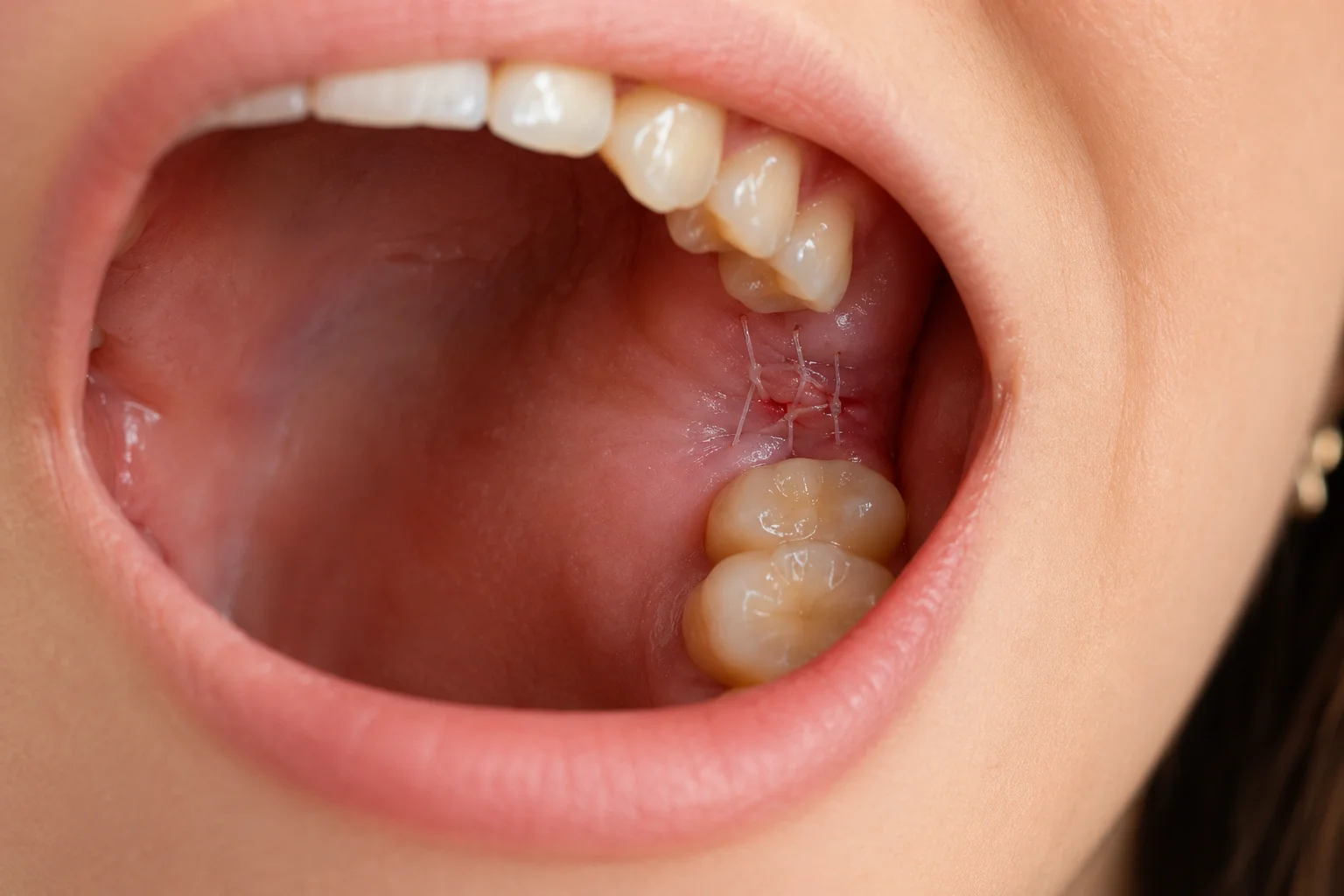
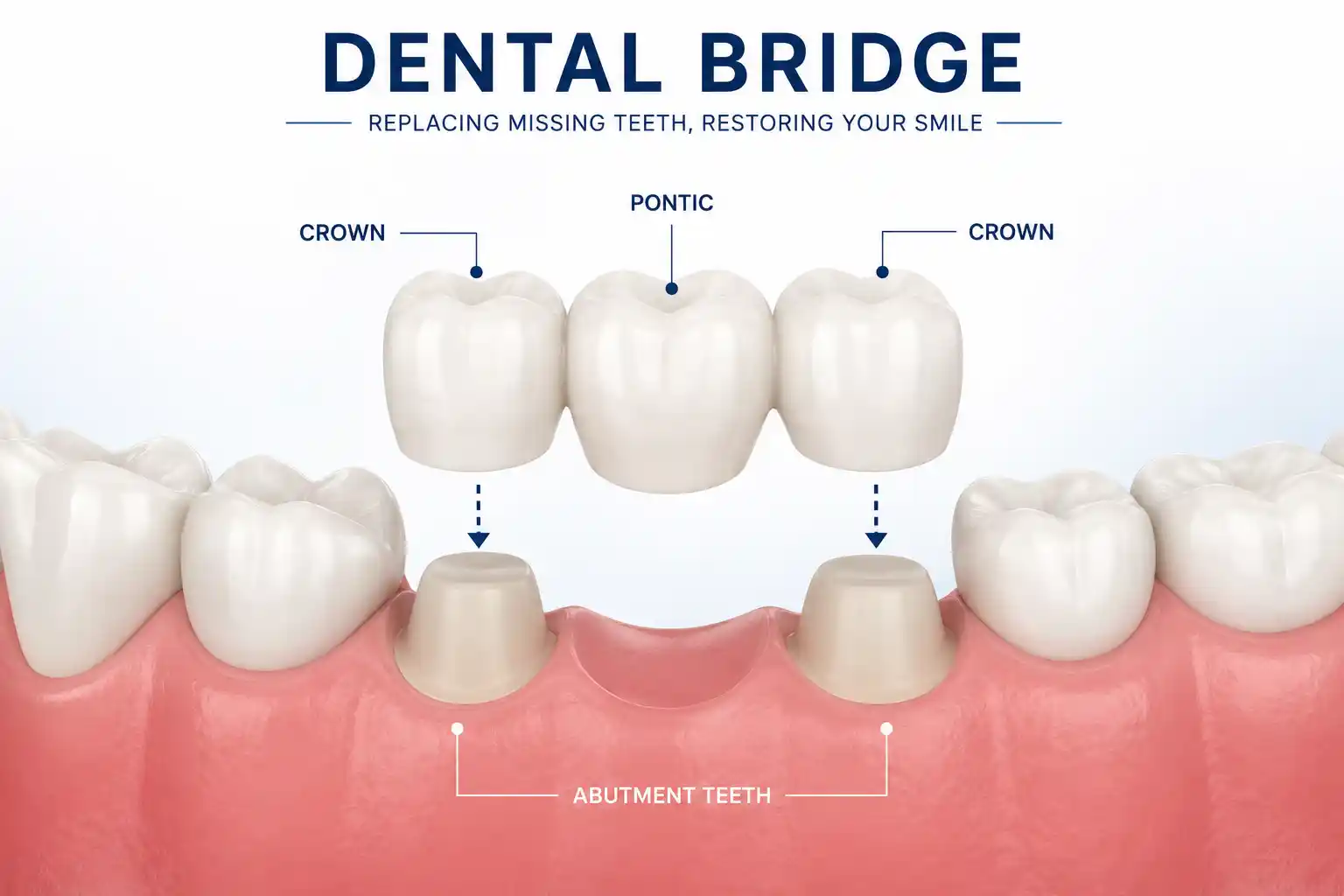
The 3-unit bridge price is one of the most common questions dentists receive because this design replaces a single missing tooth. A three-unit bridge replaces one missing tooth using three connected parts. It includes one artificial tooth, called a pontic, which is supported by two crowns placed on the healthy teeth on either side of the gap.
Most patients pay between $2,000 and $5,000, depending on the materials and location of the dental practice. Although it replaces only one missing tooth, the procedure still involves preparing two neighboring teeth to support the bridge. That additional work explains why the cost is higher than many people expect.
What Materials Affect the Price?
The material used for the bridge affects how long it lasts and how it looks. Porcelain fused to metal is a good choice because it is strong and looks good. Ceramic and zirconia bridges are more expensive, but they look very natural, especially in parts of the mouth that are easy to see. The price of a porcelain bridge is often in the middle range because of the careful work involved in making it look lifelike.
Front Tooth Bridge Cost: Why Appearance Matters
The front tooth bridge cost often includes extra work on matching the tooth color and shape and making the smile look natural. When it comes to teeth, even small differences in color or shape are really noticeable. This is different from teeth, where these small differences do not stand out as much.
Many dentists say ceramic or zirconia restorations are best for teeth. This is because they look like enamel. They are high-quality materials, and ceramic and zirconia restorations are options. These options usually cost more than metal-based ones. Patients think they are worth it. This is because they look more natural. Many patients feel the better look is worth the money. For many patients from Bay View, choosing a natural-looking ceramic or zirconia bridge is worth the added investment because the front teeth play such an important role in their smile.
What Else Can Increase the Final Bill?
The bridge itself may represent only part of your treatment. Additional dental work is sometimes necessary before the permanent restoration can be placed. For example, a damaged supporting tooth may require a root canal, while untreated gum disease must often be managed before long-term restorative work begins.
Preparing Supporting Teeth for a Dental Bridge
Sometimes a supporting tooth needs additional treatment before it can support a bridge. If decay or infection reaches the pulp, root canal therapy may be recommended first to save the tooth.
Treating Gum Disease and Other Oral Health Issues
Healthy gums are essential for a successful dental bridge. If gum disease is present, your dentist may recommend gum disease treatment before beginning the restoration.
Digital Scans and Temporary Restorations
Discuss the role of digital imaging, impressions, and temporary bridges in the treatment process.
Why Pre-Treatment Care Is Worth the Investment
Explain how completing these additional procedures first helps improve the bridge’s fit, function, and long-term durability.
Implant Bridge Cost vs. Traditional Bridges: Which Offers Better Value?
The cost of a bridge is usually a lot higher than a regular bridge because it involves implant surgery. If you need to replace three missing teeth with a bridge, it can cost you around $4,000 to $15,000 or even more. The cost of a bridge really depends on how many implants you need and what kind of materials are used to make the final implant bridge. The implant bridge cost is something you should think about when you are considering a bridge.
The cost of implants is higher because the treatment process is more complicated. However, dental implants offer several long-term advantages, including preserving the jawbone and preventing bone loss.
Maryland Bridge Price: A More Conservative Option
A Maryland bridge price is often lower than that of a traditional bridge because it usually requires much less preparation of the supporting teeth. Instead of placing crowns over neighboring teeth, a Maryland bridge uses small metal or ceramic wings bonded to the back surfaces of adjacent teeth. That conservative approach preserves more natural tooth structure.
Most patients can expect to pay between $1,500 and $2,500, although costs vary by location and materials. Maryland bridges are commonly recommended for replacing a single front tooth, especially in younger patients or in situations where the neighboring teeth are healthy and free of large fillings. They generally aren’t the best choice for back teeth because chewing forces are much greater in that area.
Hidden Costs Many Patients Don’t Expect
The bridge itself is only one part of the overall treatment. Additional procedures can increase the final bill, particularly if oral health problems need attention first. Besides the bridge itself, there may be costs. These depend on your treatment plan. Some extra costs include:
- A comprehensive dental exam is usually the first step before treatment begins.
- Digital X-rays or 3D imaging
- Anesthesia
- Adjustments to a bridge
- Refinements, to your bite after the bridge is placed
- Future repairs or replacement of the bridge if it gets damaged
I was really surprised when I looked at treatment plans and saw that patients were paying attention to the bridge fee but not to the things that come with it. The bridge fee is what people focus on. The other services are important too. If you ask for a written estimate before you start treatment, it can help you understand what you are getting and what the bridge fee covers.
Will Dental Insurance Pay for a Bridge?
Dental insurance plans often help pay for treatment. However, the amount they cover can be very different from one plan to another. Usually the insurance company pays half of the cost that they have approved. They do this up to an amount each year, which is the plan’s annual maximum. For example, if someone gets a $3,000 bridge, dental insurance might pay $1,500. This means the patient still has to pay the remaining $1,500. If the patients’ yearly benefit limit is low, they will have to pay a lot of money out of their pocket for dental work like a bridge. Patients throughout Milwaukee should review their insurance benefits carefully, as coverage for dental bridges can vary significantly between providers.
Before starting treatment, ask the dentist to send an estimate to your insurance company. This will help you know how much you will have to pay before the treatment starts. You will get an idea of your costs. Ask them to submit a treatment estimate. This way you can plan your expenses.
How Long Does a Dental Bridge Last?
The cost is one thing to think about when you are deciding. How long something will last is also important. A bridge that is made well will usually last for ten to fifteen years. Some bridges will even work properly for a lot longer than that if you take care of your teeth. Brush your teeth every day and floss under the bridge. Schedule professional teeth cleanings every six months to help keep the supporting teeth healthy.
Conclusion
If you’re considering treatment, learn more about our dental bridge services to determine whether a bridge is the right solution for your smile.
Take time to understand what’s included in each treatment plan, ask questions about materials and follow-up care, and compare options based on quality as well as price. A carefully planned dental bridge can restore your smile, improve chewing function, and provide dependable service for many years, making it a worthwhile investment when chosen with confidence.
FAQ’s About Dental Bridge Costs
Why does the tooth bridge price vary so much?
Every treatment plan is unique. Material selection, laboratory fees, the number of replacement teeth, and additional dental procedures all influence the final cost.
Is a fixed bridge fee lower than implants?
Yes, in most situations. Traditional fixed bridges generally cost less initially because they don’t require implant surgery. However, implants may provide greater long-term value for some patients.
What affects the missing tooth bridge cost the most?
The condition of the supporting teeth, the bridge material, and whether additional treatment—such as root canals or gum therapy—is needed before the bridge can be placed.
What is a pontic bridge cost based on?
The pontic itself is only one part of the restoration. The total cost includes supporting crowns, laboratory fabrication, dental appointments, and any preparation needed before placement.
Can a dental bridge be repaired instead of replaced?
Minor chips or adjustments can sometimes be repaired. If the supporting teeth develop significant decay or the bridge becomes structurally compromised, replacement is often the more reliable solution.