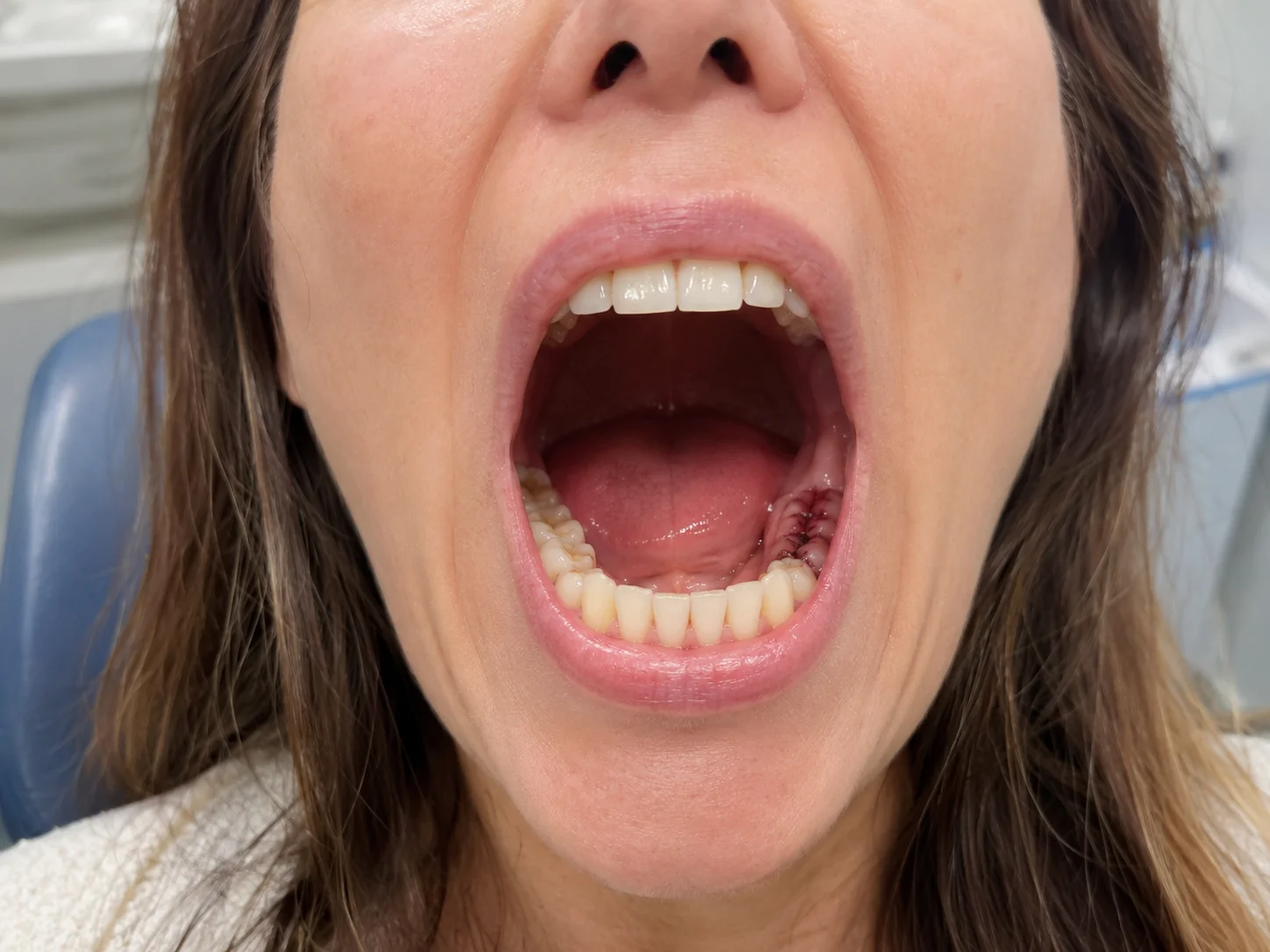

Most people don’t notice the change at first. The teeth slowly lose their brighter appearance over time until one day they look darker in photos, mirrors, or bright sunlight. For some, the discoloration starts near the gums. Others notice the entire smile looking dull or slightly stained.
At South Shore Dentistry & Implants, yellow color of teeth is one of the most common concerns patients bring up during routine dental visits. Sometimes the cause is simple surface staining from coffee or smoking. In other cases, aging, enamel wear, or tartar buildup may be involved.
The good thing is that many types of tooth discoloration can improve with proper care, better habits, and the right treatment approach.
Why Teeth Turn Yellow

Teeth are not naturally paper white. Our healthy teeth usually have an off-white or creamy tone because of the dentin underneath the enamel of our teeth. The enamel of teeth becomes thinner. Gets stained over time and that is when the yellow shade of our teeth becomes more visible.
Daily habits can affect tooth discoloration. Things like coffee, tea and soda can stain the enamel of teeth over time. Smoking is also bad for your teeth. This can make the yellow color of your teeth look even darker. As people get older their tooth enamel gets thinner.
Common Causes of the Yellow Color of Teeth?
Several factors contribute to the yellow color of teeth, and in many cases, more than one cause is involved at the same time.
Coffee, Tea, and Dark Drinks
Coffee can really stain your teeth over time. This is because of the dark pigments in coffee that sticks to the enamel on your teeth. Tea is actually worse, sometimes it can stain your teeth more because it has something called tannins.
And it is not just coffee and tea things, soft drinks, red wine and energy drinks can also make teeth look discolored after a while.
Smoking and Tobacco Use
Smoking is another major reason behind the yellow color of teeth. Nicotine and tar create stubborn stains that usually collect near the gumline first.
These stains tend to become darker with time and often require professional cleaning or whitening treatment for noticeable improvement.
Plaque and Tartar Buildup
When plaque stays on the teeth for long it turns into tartar. This build up can make your teeth look yellow or brown especially on the lower front teeth and, near the gums.
Many people think that their teeth are stained for good when the real issue is the tartar that has hardened and this is something that brushing your teeth at home cannot get rid of.
Aging and Enamel Wear
As enamel naturally becomes thinner with age, the dentin underneath becomes more visible. This is one reason older adults commonly experience the yellow color of teeth even with good oral hygiene.
Whitening treatments may still help, though results depend on enamel condition and the depth of discoloration.
Poor Oral Hygiene Habits
If you do not floss or brush your teeth quickly stains and plaque will build up on your teeth over time. Even people who brush their teeth every day may miss the areas between the teeth or, along the gumline where stains and plaque often start to build up on the teeth. This is where the discoloration of the teeth often starts.
Certain Foods
Highly pigmented foods can stain teeth gradually. Common examples include:
- Soy sauce
- Curry
- Tomato sauce
- Blueberries
- Beetroot
- Balsamic vinegar
Medications and Medical Conditions
Some medications affect tooth color from within the tooth structure. Certain antibiotics taken during childhood, particularly tetracycline, are known to cause discoloration.
Medical treatments such as chemotherapy or radiation therapy can also change how our teeth enamel looks. When we have these treatments the products we use to make our teeth white may not work very well. This is because the stains are inside our teeth.
How to Remove Yellow Color of Teeth
The best treatment depends on what caused the discoloration in the first place. Surface stains usually respond better to whitening than internal discoloration.
Improve Your Brushing Routine
Brushing your teeth properly is more important than brushing your teeth hard. Use a toothbrush with bristles and toothpaste that has fluoride in it. Do this two times every day. This will clean your teeth better, than scrubbing them.
Overbrushing can actually wear down enamel and make the yellow color of teeth appear more noticeable later.
Floss Every Day
Discoloration often develops between teeth where toothbrush bristles cannot reach properly. When you floss every day it gets rid of the food bits and plaque that are stuck before they become hard like tartar between your teeth. Daily flossing is really good for removing this trapped stuff.
Try Whitening Toothpaste
Whitening toothpaste may help reduce mild surface stains caused by coffee, tea, or smoking. Results are usually gradual rather than dramatic.
It’s important not to expect instant whitening after only a few uses.
Professional Dental Cleaning
Professional cleaning removes plaque and tartar buildup that regular brushing cannot eliminate. In many cases, the teeth already have a healthier natural shade hidden beneath the buildup.
Some people notice a major improvement after a routine dental cleaning alone.
Professional Teeth Whitening
Dentists use stronger whitening agents than store-bought products. These treatments work by breaking down stain molecules inside the enamel.
Professional whitening often produces faster and more even results compared to home kits or whitening strips.
Natural Remedies for Yellow Teeth
Home remedies are widely discussed online, though not all are safe for enamel.
Baking Soda
Baking soda can help remove mild surface stains because it has gentle abrasive properties. Some toothpaste brands already contain balanced amounts for safe use.
Still, excessive scrubbing with baking soda may damage enamel over time.
Hydrogen Peroxide
Low concentrations of hydrogen peroxide are commonly used in whitening products. However, overuse without proper guidance may irritate gums or increase sensitivity.
Avoid Acidic DIY Methods
Lemon juice and vinegar are sometimes promoted as whitening solutions online, but their acidity can weaken enamel. Once enamel wears down, the yellow color of teeth may become even more visible because the darker dentin underneath gets exposed.
Oil Pulling
Oil pulling involves swishing coconut or sesame oil around the mouth for several minutes.
Some people report fresher breath and cleaner-feeling teeth afterward. While research on whitening effects is limited, it may help reduce plaque buildup when combined with proper oral care.
Activated Charcoal
Charcoal toothpaste gained popularity online because of its stain-removing claims.
The problem is that charcoal can be abrasive. Frequent use may damage enamel over time, making teeth appear even more yellow later as dentin becomes exposed.
Lemon Juice and Vinegar
Acidic remedies may create temporary brightness by removing surface material, but they can weaken enamel significantly.
Dentists generally advise avoiding lemon juice whitening methods because enamel does not grow back once lost.
Prevention Tips That Actually Make a Difference
Keeping teeth from turning yellow again usually takes smaller daily habits rather than one major treatment.
Brush Before Bed
Nighttime brushing matters more than many people think. Plaque and food particles sitting on teeth overnight give stains more time to settle. Brushing before sleep also helps keep bacteria levels lower while you rest.
Floss Regularly
Floss removes debris between teeth where yellow discoloration often begins unnoticed. It helps clean tight spaces that a toothbrush simply can’t reach properly. People sometimes focus only on the visible front teeth and miss the areas between them.
Drink More Water
Water helps rinse away pigments and acids after meals. Even a quick rinse after coffee can reduce stain buildup over time. It also keeps saliva flow active, which naturally protects enamel.
Don’t Skip Dental Checkups
Regular cleanings help catch tartar buildup early before it becomes harder to remove. Dentists can also spot early signs of enamel wear that may not be visible yet.
Some stains look cosmetic but are actually linked to early dental problems.
Quit Smoking
Tobacco stains tend to return quickly after whitening treatments. Quitting smoking not only improves tooth color but also supports gum health and overall oral health. It also reduces the risk of deeper, long-term discoloration.
Common Mistakes People Make When Whitening Teeth
A lot of people unintentionally damage their enamel while trying to whiten their teeth faster.
Overusing Whitening Products
Using strips too often or applying multiple products at once may increase sensitivity without improving results.
Brushing Too Hard
People often scrub aggressively believing it removes stains better. Instead, it can wear down enamel and expose more yellow dentin.
Expecting Unrealistic Results
Natural teeth are not meant to look extremely bright white. Healthy teeth usually have slight warmth or ivory tones.
Social media filters and edited images often create unrealistic expectations about tooth color.
When to See a Dentist About Tooth Discoloration
Sometimes tooth discoloration signals more than a cosmetic issue.
A dentist should evaluate the problem if:
- One tooth suddenly changes color
- Pain or swelling develops
- Teeth become highly sensitive
- Dark spots appear unevenly
- Gum recession exposes yellow root surfaces
In some cases, the yellow color of teeth may be linked to enamel damage, infection, or internal tooth problems rather than simple staining.
Final Thoughts
The yellow color of teeth can happen gradually from coffee, smoking, aging, plaque buildup, or enamel wear. While some discoloration is natural, many stains improve with better oral hygiene, professional cleaning, or whitening treatments.
The key is choosing safe methods that protect enamel instead of damaging it further. Small habits like flossing daily, rinsing after dark drinks, and scheduling regular dental cleanings often make a bigger difference than harsh DIY whitening trends.
FAQs
1. Why do teeth turn yellow over time?
Teeth turn yellow due to enamel thinning, plaque buildup, aging, and stains from coffee, tea, or smoking. As enamel wears down, the natural yellow dentin underneath becomes more visible.
2. Can yellow teeth become white again?
Yes, in many cases. Surface stains can improve with professional cleaning or whitening treatments. However, deeper discoloration may need dental whitening procedures for better results.
3. What is the fastest way to remove yellow color from teeth?
Professional dental cleaning is usually the fastest way to remove surface stains and tartar. For deeper stains, in-office teeth whitening gives quicker and more visible results.
4. Does brushing remove yellow stains completely?
Brushing helps remove surface stains and prevents new buildup, but it cannot remove deep stains or hardened tartar. Professional cleaning is often needed for full improvement.
5. Is the yellow color of teeth always a sign of poor hygiene?
No, not always. Aging, enamel wear, genetics, and certain foods can also cause yellow teeth even in people with good oral hygiene.
6. Can whitening toothpaste remove yellow teeth?
Whitening toothpaste can help reduce mild surface stains over time. However, it does not change natural tooth color or remove deep discoloration.
7. Are home remedies safe for whitening teeth?
Some mild methods like baking soda may help slightly, but acidic remedies like lemon juice or vinegar can damage enamel. Dentists usually recommend professional treatments instead.