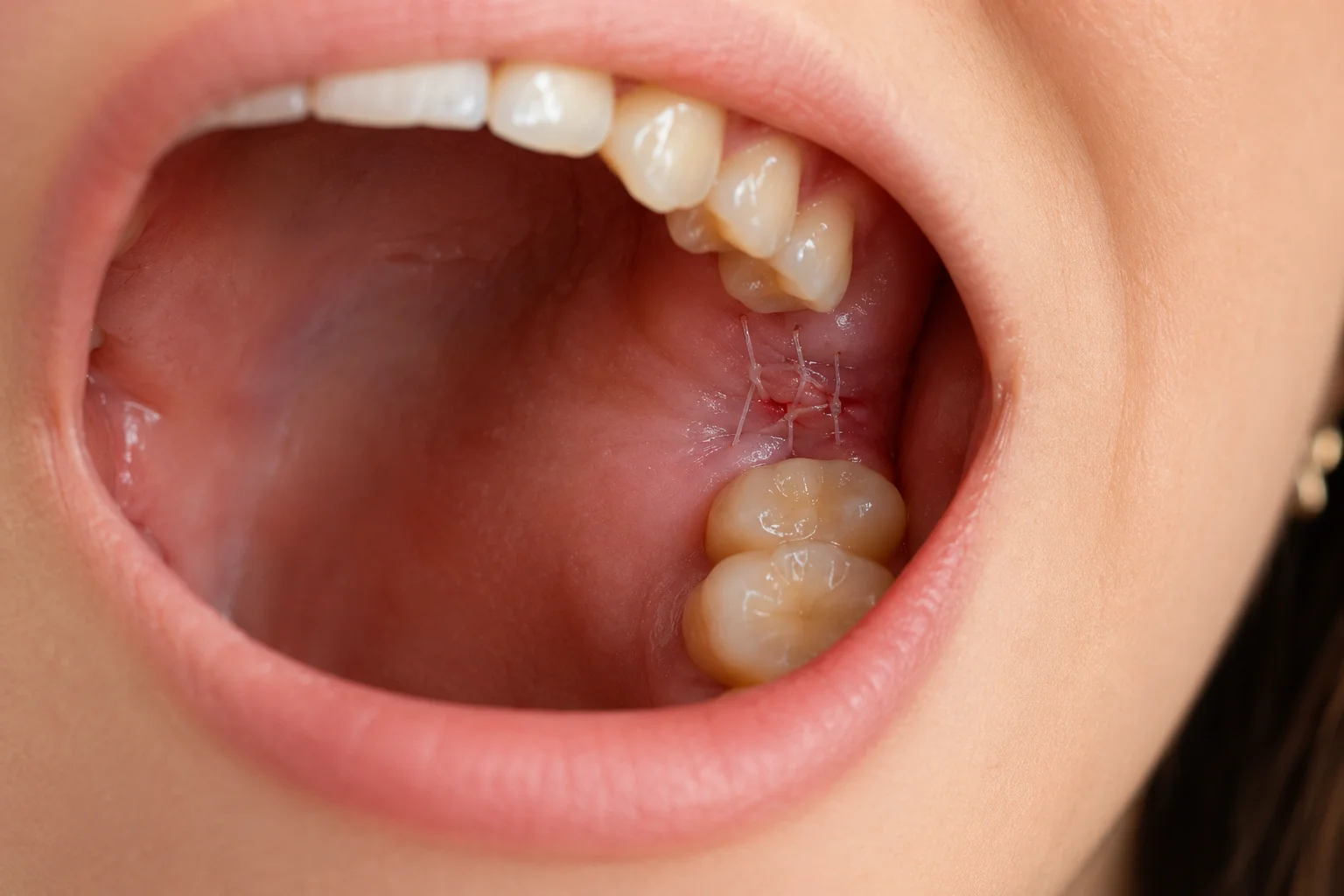
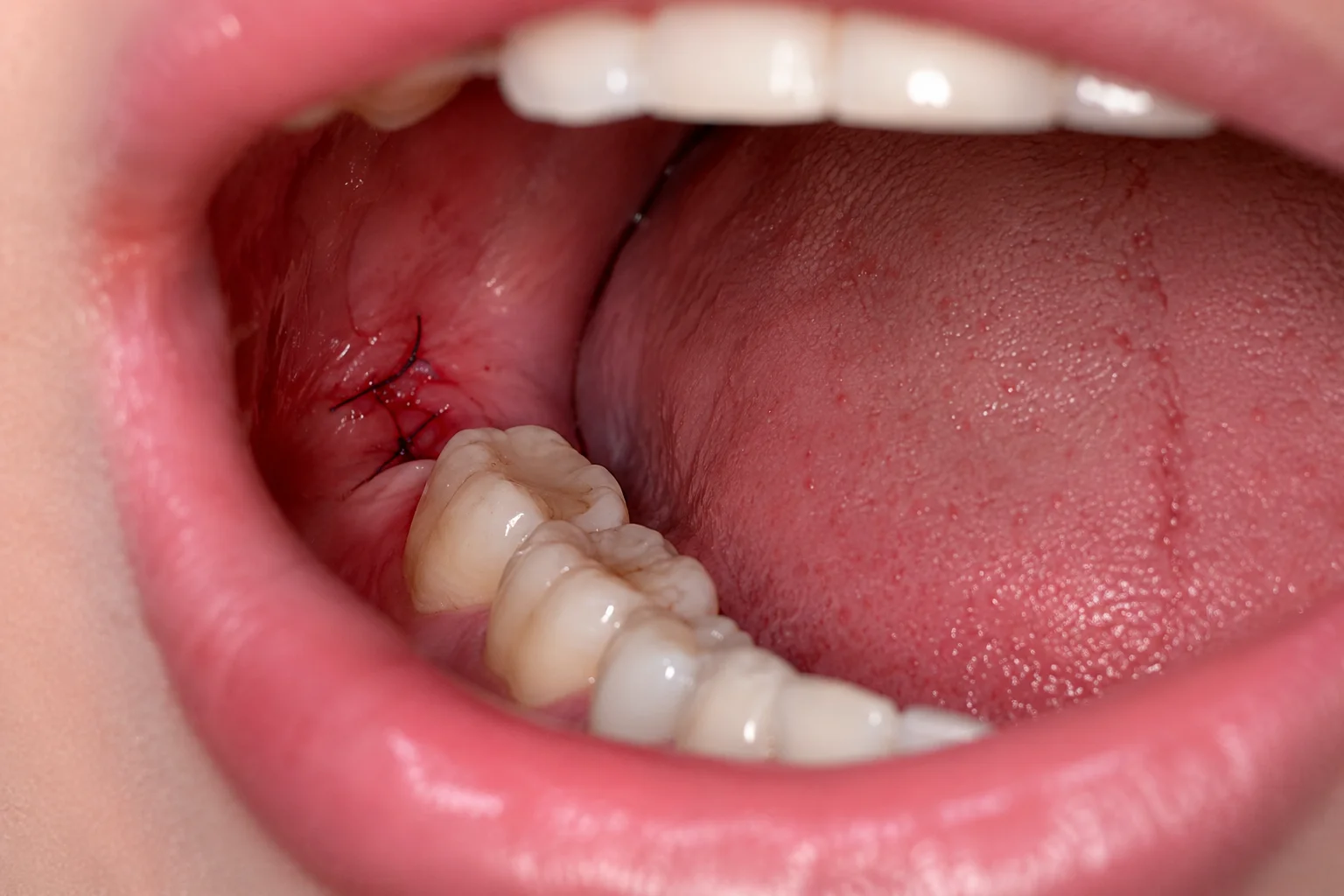
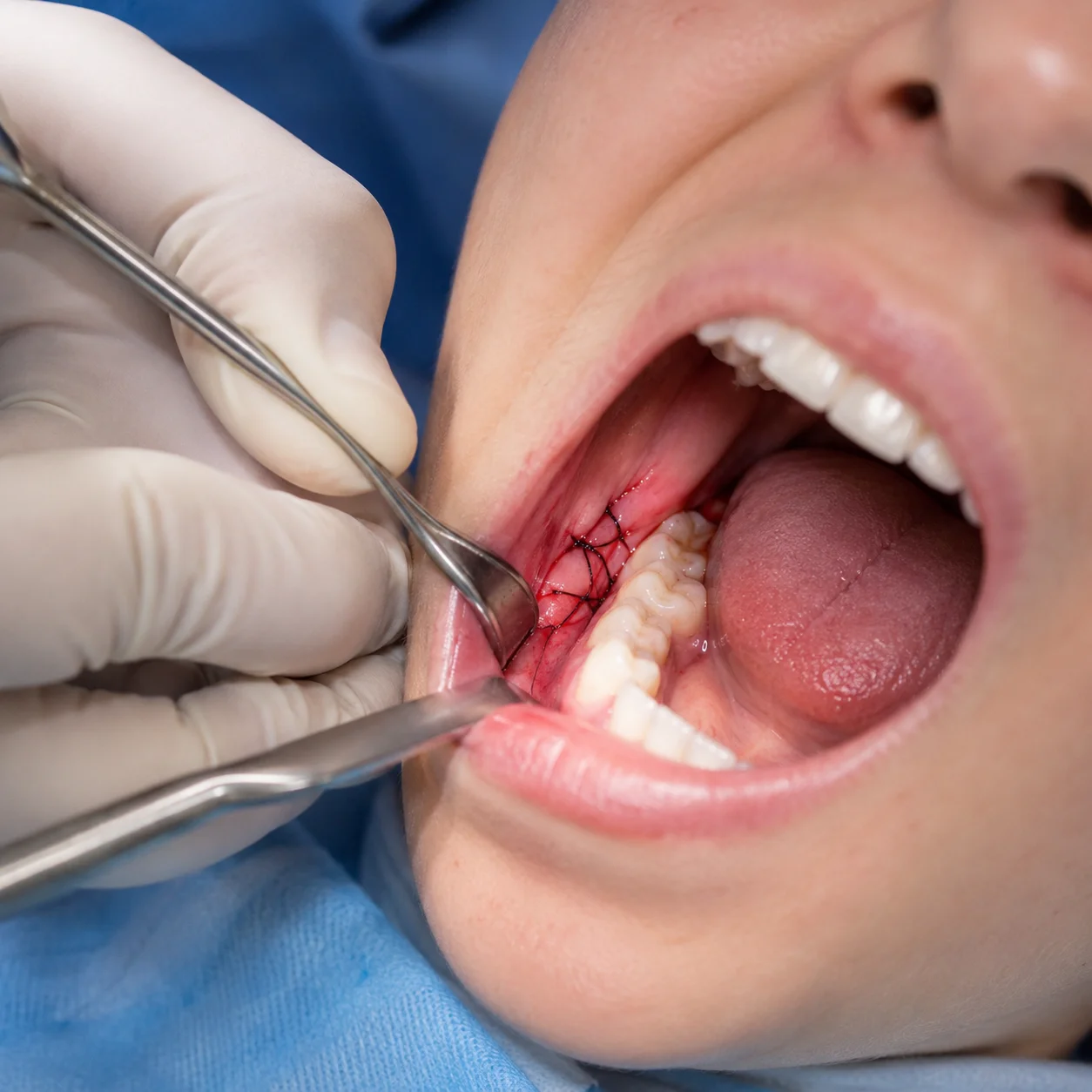

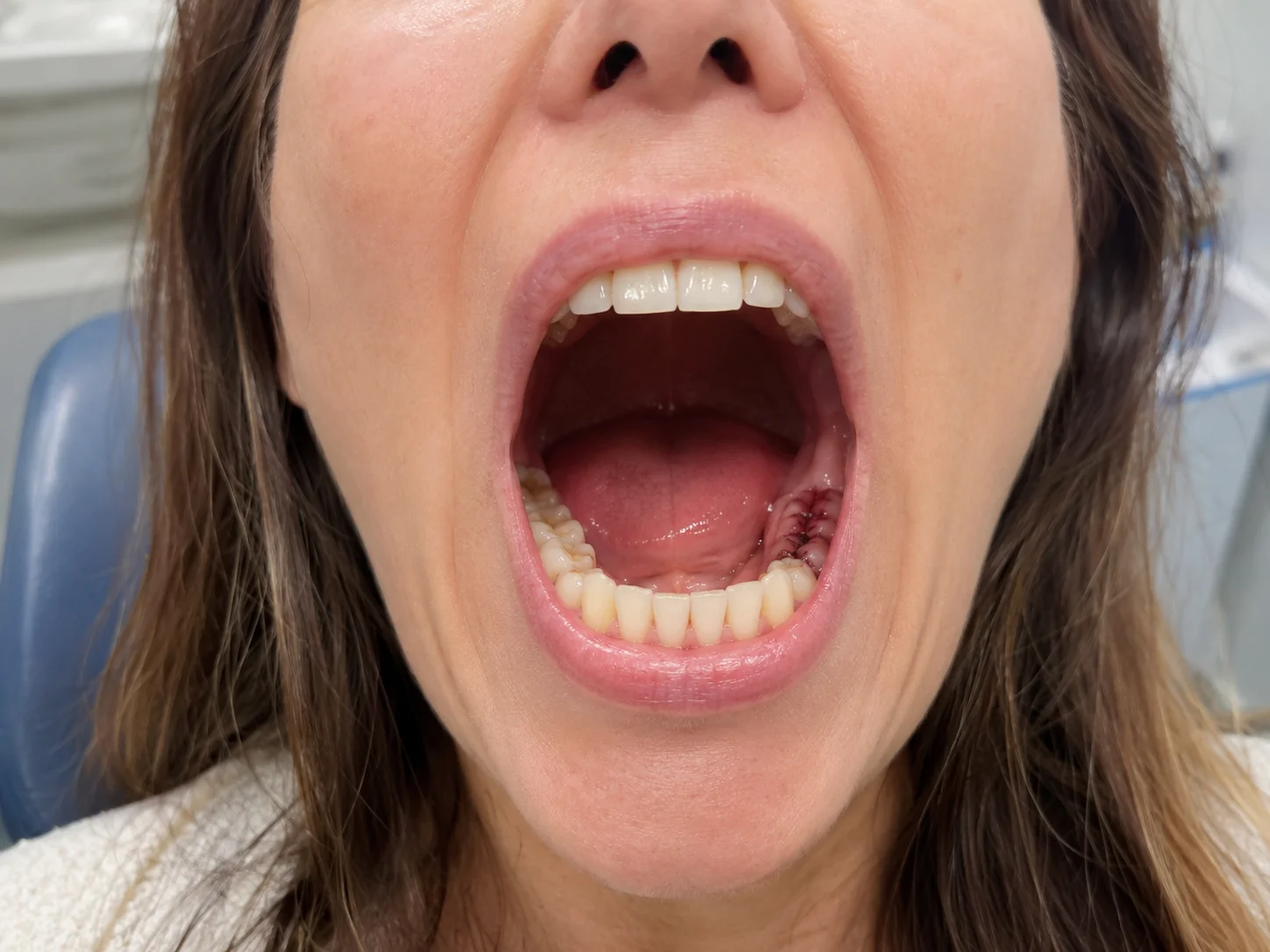
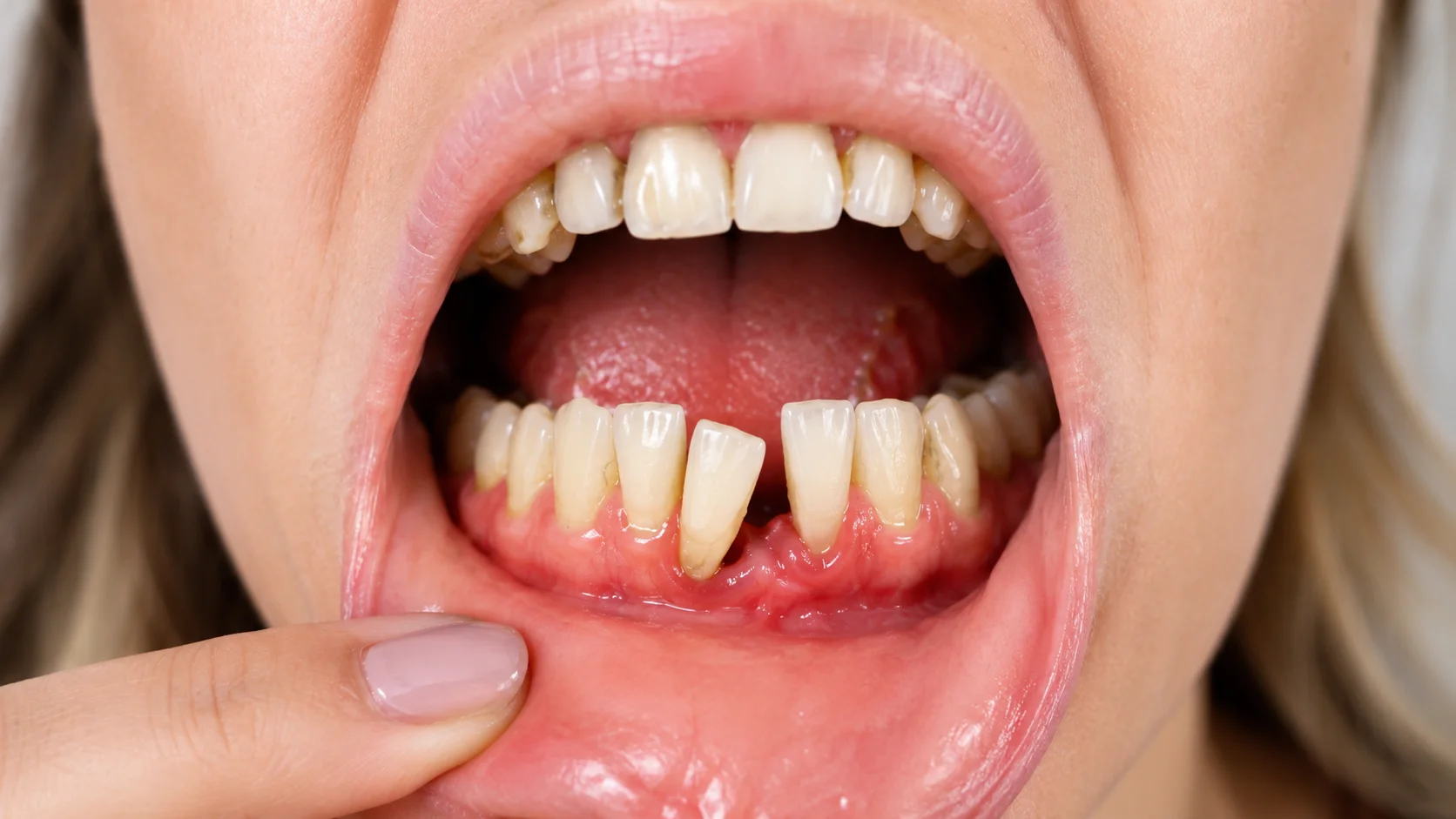
That weird feeling when teeth feel loose under pressure can be really hard to ignore. For adults this is something they have not felt ever before. When it happens all of a sudden it can feel both surprising and worrying.
Even a small change while chewing or touching the tooth with your tongue can make you more aware of it. At South Shore Dentistry & Implants, dentists often see patients with this concern. In many cases, it is linked to gum or bite issues that can be managed if caught early.
Loose teeth in adults are not normal. They usually point to an issue with the gums, bone, or bite. The good news is that early detection can make treatment simpler and more effective.
What It Actually Feels Like
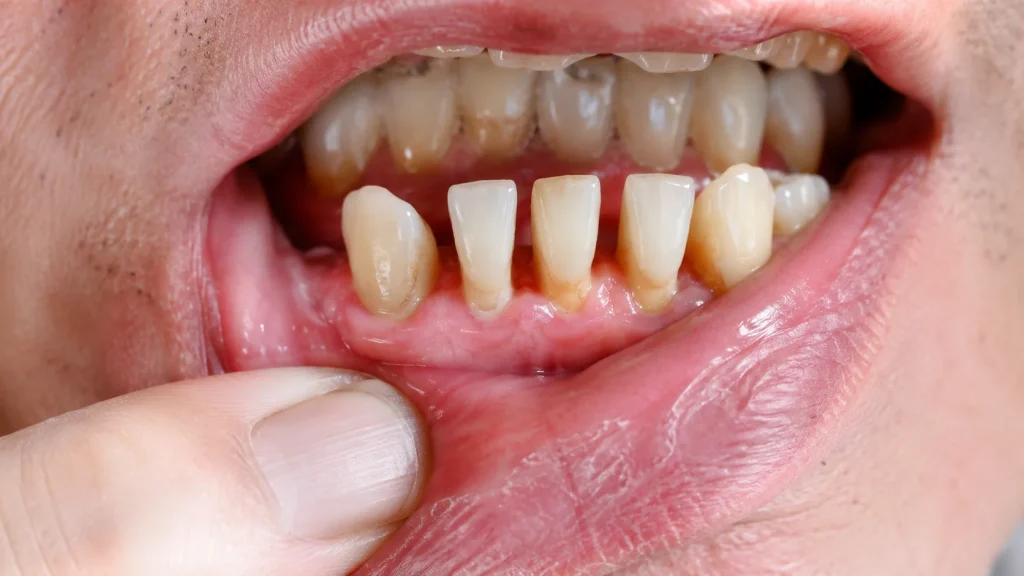
A loose tooth does not always feel like it is going to fall out. Sometimes you may not even notice it at first. You might feel a bit of movement when you bite down. The tooth might feel a bit sore around the base and feel not quite right compared to the teeth next to it. Other times it is quite clear that the tooth is loose and one might feel pain while chewing food.
In other cases, the tooth may visibly shift, hurt while chewing, or feel sensitive. Some people notice it while eating hard foods, while others only find out during a dental checkup.
The Most Common Causes
Teeth feel loose are most often caused by gum disease, plaque buildup, grinding, or injury that weakens the support around the teeth and creates that feeling of movement.
Gum Disease (Periodontitis)
Gum disease is one of the main causes of loose teeth in adults. It often starts as gingivitis, where gums become red, swollen, and may bleed. If it isn’t treated, it can progress to periodontitis, where infection spreads below the gumline and begins damaging the bone that supports the teeth.
Once bone loss happens, it cannot grow back naturally, which is why gum disease can eventually lead to tooth mobility or even tooth loss. In many cases, it develops slowly and without clear pain, so people may not notice it until the teeth start feeling loose.
Risk factors include smoking, poor brushing and flossing habits, certain medications, diabetes, and genetics.
Teeth Grinding (Bruxism)
Many people grind their teeth without realizing it, usually during sleep. Over time, this constant pressure puts stress on the teeth and the ligaments that hold them in place, which can lead to wear and a feeling of slight looseness.
You may notice signs like jaw soreness in the morning, headaches near the temples, or worn tooth surfaces during a dental checkup. Stress is a common trigger, and because it happens unconsciously, teeth grinding often goes unnoticed for a long time.
Trauma or Injury
A direct blow to the mouth — from a fall, a sports injury, even biting down hard on something unexpectedly — can loosen a tooth instantly. Sometimes the damage is obvious. Other times the tooth seems fine at first but becomes increasingly loose over the following days as internal trauma develops.
Don’t assume a tooth that doesn’t hurt after an injury is fine. The periodontal ligament (the tissue connecting the tooth root to the jawbone) can sustain damage that isn’t immediately painful but causes progressive loosening. Get it checked, even if you feel okay.
Hormonal Changes During Pregnancy
This one surprises a lot of people. During pregnancy, elevated levels of progesterone and estrogen can actually affect the ligaments and bone around teeth, making them feel slightly loose. It’s a real phenomenon, not just sensitivity.
The good news is that it usually resolves after pregnancy, but it still warrants a conversation with your dentist. Dental hygiene during pregnancy matters more than most people realize — pregnancy gingivitis is common, and if it goes unchecked, it can develop into something more serious. Regular cleanings during pregnancy aren’t just safe; they’re genuinely recommended.
Osteoporosis
Osteoporosis reduces bone density throughout the body, teeth feel loose over time. When the jawbone becomes less dense, it can no longer support teeth as firmly as it once did. This is more common in older adults, particularly postmenopausal women, and it often compounds with other factors like gum disease.
The connection between osteoporosis and tooth loss is real and increasingly well-documented. If you’ve been diagnosed with osteoporosis or are at risk for it, make sure your dentist knows — it affects how they’ll monitor and manage your oral health.
Medications
Some medications cause dry mouth as a side effect, which reduces saliva flow. Saliva plays a surprisingly important protective role in oral health — it neutralizes acids, washes away food particles, and fights bacteria. Without enough of it, gum disease risk increases, and that can eventually affect tooth stability.
Common culprits include:
- Antihistamines
- Blood pressure medications
- Antidepressants
- Diuretics
If you’ve recently started a new medication and noticed changes in your oral health, it’s worth mentioning to both your dentist and prescribing doctor.
Less Common Causes
Certain medical conditions — including diabetes, which impairs the body’s ability to fight infection and slows healing — can accelerate gum disease and contribute to loose teeth. People with poorly controlled blood sugar tend to have more severe periodontal disease, and the relationship runs both ways: gum disease can also make blood sugar harder to control.
Autoimmune conditions like lupus or rheumatoid arthritis, and some cancers that affect the jaw or oral tissue, can also be factors, though these are far less common.
What a Dentist Will Actually Do
When you come in with a loose tooth, a dentist won’t just glance at it and move on. They’ll measure pocket depths between your teeth and gums, take X-rays to assess bone levels, and review your medical history. Shallow pockets are healthy; deep ones signal bone loss that needs addressing.
The exam usually takes 20–30 minutes and gives a clear picture of what’s actually going on beneath the surface — which is where most of the damage tends to be.
Treatment Options Based on the Cause
What happens next depends entirely on what’s driving the problem.
For gum disease, the standard first step is scaling and root planing — a deep cleaning done under local anesthetic that removes tartar and bacteria from below the gumline. Advanced cases may require surgery to access deeper pockets or graft bone and gum tissue.
For grinding, a custom night guard stops the ongoing damage. It won’t reverse wear that’s already happened, but it protects what’s left.
Trauma-related looseness is often treated with splinting — bonding the affected tooth to its neighbors temporarily while the ligament heals, usually over a few weeks.
When bone loss is too far gone, extraction followed by an implant or bridge becomes the realistic path. It’s not the answer anyone wants, but leaving an unsalvageable tooth in place can actually harm the surrounding bone and teeth over time.
Can Teeth That Feel Loose Become Stable Again?
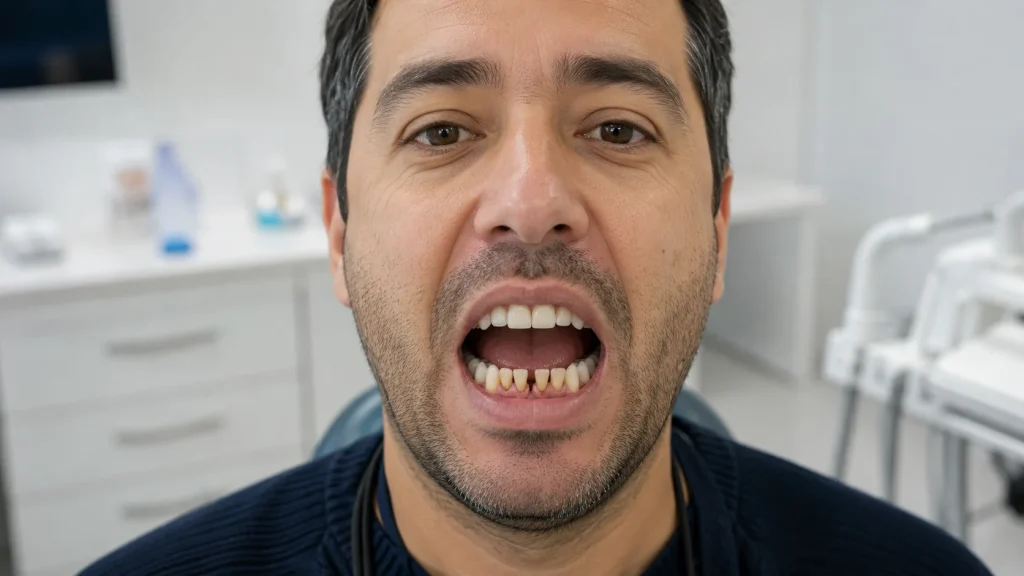
Sometimes, yes. If the underlying cause is caught early and treated effectively — say, early-stage gum disease or a tooth that was slightly displaced by impact — it’s possible for a tooth to restabilize. The periodontal ligament has some capacity to recover if the bone support is still largely intact and the source of the problem is removed.
But if significant bone loss has already occurred, the tooth can’t simply be tightened. The supporting structure is gone, and no amount of cleaning or splinting brings it back. This is why timing matters so much. Waiting months to address a loose tooth dramatically narrows your options and often means the difference between saving it and losing it.
How To Protect Your Teeth Going Forward
Once you’ve addressed the immediate issue, it’s worth thinking about prevention — because gum disease in particular tends to be a recurring battle, not a one-time fix. Here’s what actually moves the needle:
Brush and floss consistently
Not occasionally. Every day. Flossing is genuinely important — it reaches the areas where gum disease most commonly starts, between teeth and just below the gumline. If regular floss doesn’t work well for you, interdental brushes or a water flosser are solid alternatives.
Get professional cleanings regularly
For most people that’s every six months. For those who’ve had gum disease, it’s often every three to four months — a schedule called periodontal maintenance. Sticking to it matters.
Quit smoking
Smoking is one of the strongest risk factors for gum disease. It restricts blood flow to the gums, masks early symptoms, and significantly hampers healing after treatment. If you smoke and have loose teeth, quitting is arguably the single most impactful thing you can do.
Manage stress
For bruxism specifically, stress reduction techniques — whether that’s exercise, therapy, or simply getting more sleep — can reduce the intensity of nighttime grinding. A night guard helps in the meantime, but addressing the root cause matters too.
Practical Steps Right Now
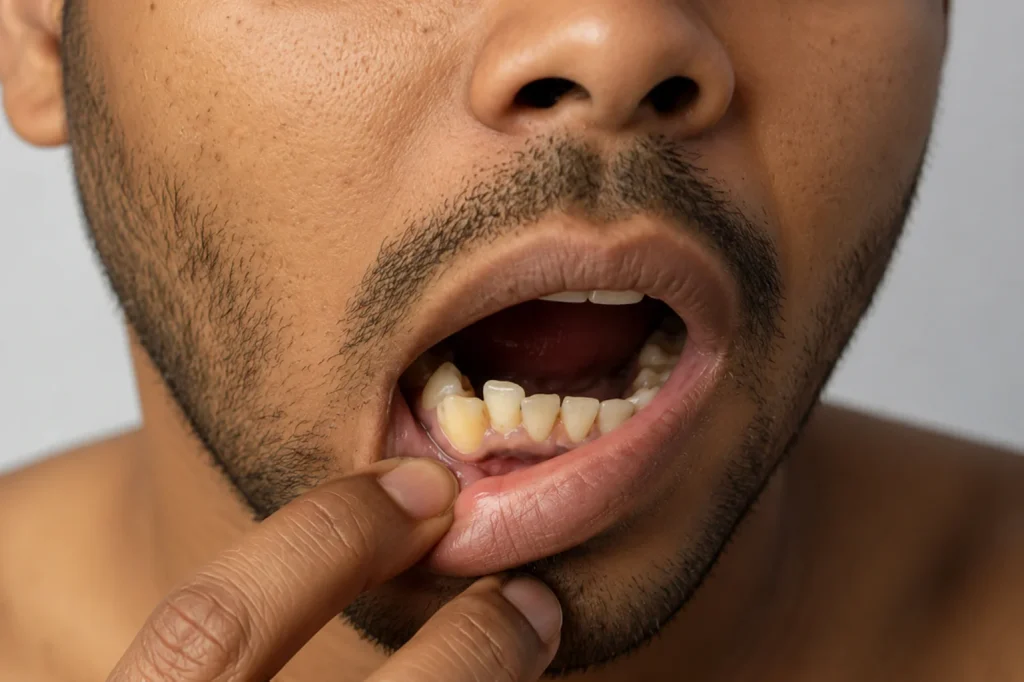
Don’t wait. That’s really the core of it. A loose tooth isn’t going to sort itself out, and the longer bone loss or gum disease progresses untreated, the harder it becomes to save the tooth — and to protect the ones around it.
In the meantime:
- Avoid hard foods on the affected side
- Use a soft-bristled toothbrush and brush gently
- Don’t poke or wiggle the tooth, as it can worsen irritation
- Call your dentist the same day if there is pain, swelling, or increased movement
- Avoid sticky or chewy foods that put extra pressure on the tooth
- Rinse with warm salt water to help reduce gum irritation
Final Thoughts
When teeth feel loose, It’s usually a sign of something affecting the whole mouth — or beyond. Gum disease has been linked to cardiovascular disease, diabetes complications, and preterm birth in a growing body of research. The connection isn’t fully understood yet, but the pattern is consistent enough that researchers and clinicians take it seriously.
Your oral health isn’t separate from your overall health, even if it can feel that way. Getting a loose tooth evaluated isn’t overreacting. It’s the right call, and the earlier you make it, the better your options are.
FAQs
1. Why do my teeth feel loose?
Teeth feel loose are usually caused by gum disease, plaque buildup, teeth grinding, or injury that affects the support around the teeth. It’s important to identify the cause early to prevent it from getting worse.
2. Can loose teeth become firm again?
Yes, if the cause is treated early. Mild gum inflammation or minor trauma can improve, but severe bone loss may require dental treatment. Early care greatly increases the chances of recovery.
3. Is a loose tooth always a serious problem?
Not always. Sometimes it’s temporary due to irritation or grinding. But if it continues, it should be checked by a dentist. Ignoring it for too long can lead to complications.
4. What should I do if my tooth feels loose?
Avoid hard foods, brush gently, don’t wiggle the tooth, and visit a dentist if the looseness or pain increases. Quick action can help protect the tooth from further damage.
5. Can gum disease cause loose teeth?
Yes. Gum disease is one of the main causes because it damages the bone and tissue that hold teeth in place. Regular dental cleanings can help prevent this condition from progressing.
6. Why do my teeth feel loose when I bite?
This often happens due to uneven bite pressure, grinding, or stress on a specific tooth while chewing. A dental check can help identify and fix the exact cause.
7. Can teeth grinding make teeth loose?
Yes. Constant grinding puts pressure on teeth and can weaken the supporting ligaments over time. Wearing a night guard can help reduce this damage.
8. When should I see a dentist for loose teeth?
You should see a dentist if the looseness continues, worsens, or is accompanied by pain, swelling, or bleeding gums. Early evaluation helps prevent more serious tooth problems.