At South Shore Dentistry & Implants, we often see patients who brush every day but still feel confused when their teeth don’t look as clean or white as expected. You do the routine, you stay consistent, and still—when you look in the mirror, the results don’t always match the effort.
That can feel frustrating, especially when you’re doing everything “right.”
The truth is, daily brushing is only one part of oral cleanliness. It helps, yes, but it doesn’t control every factor that affects yellow teeth. Some causes sit deeper. Some build up slowly. And some have nothing to do with brushing at all.
Let’s break it down in a simple, realistic way.
Why Teeth Turn Yellow Even With Daily Brushing

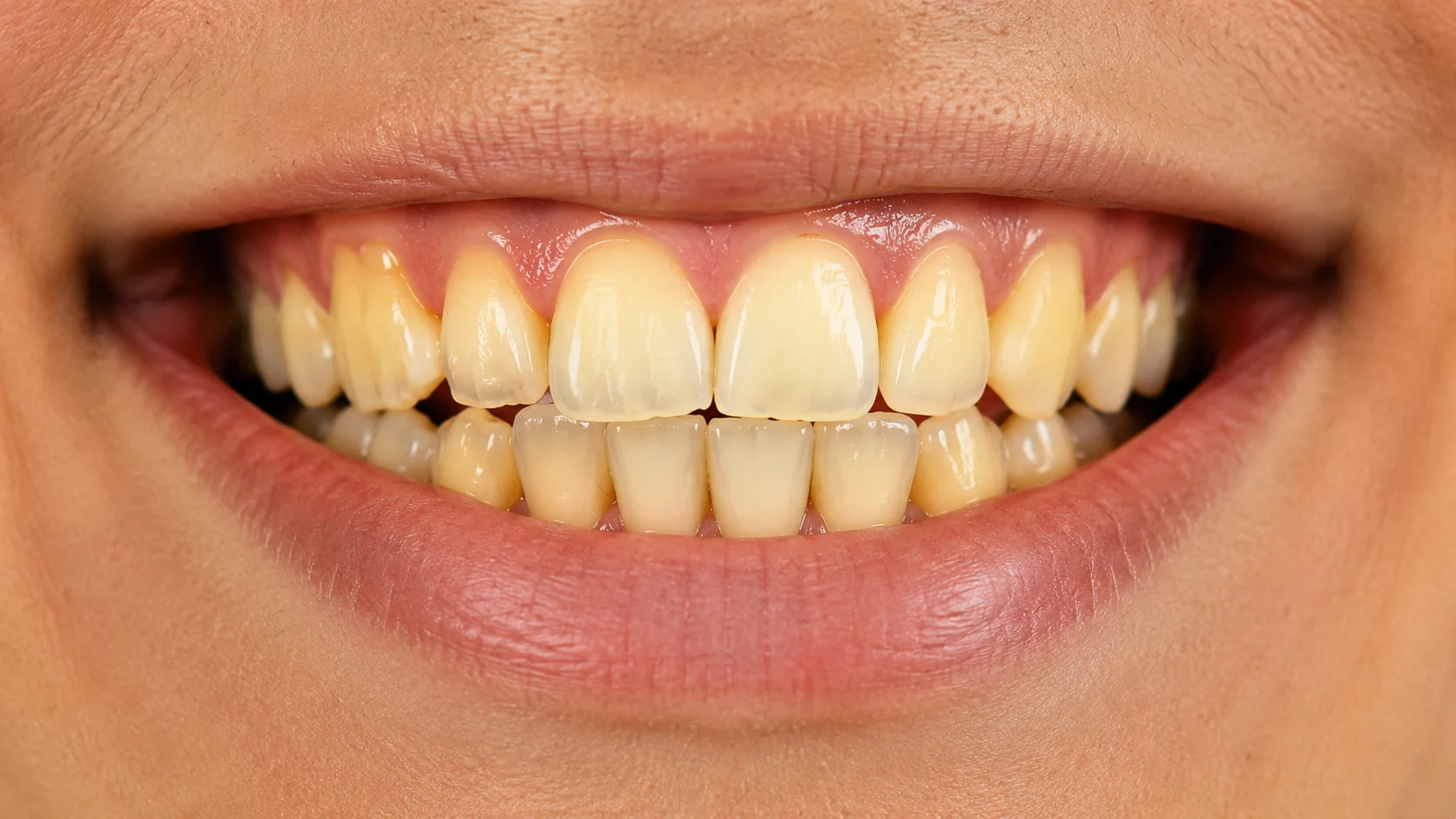
Teeth do not turn yellow just because you don’t brush well. Many people with brushing habits still see their teeth turning yellow. This usually happens because of a mix of lifestyle habits, and buildup that brushing alone can’t remove.
Sometimes, the color change happens slowly so you do not notice it until the color shifts become really obvious. Other times, it feels like it happens all of a sudden even though the color change process has been happening for many months.
Natural Color of Teeth (Yes, Teeth Aren’t Pure White)
This surprises a lot of people.
Inside every tooth there is a special layer that is called dentin. It naturally has a yellow tone. On top of that is enamel, which is semi-transparent—not fully white.
So when enamel is thick and healthy, teeth look lighter. But when it thins over time, the yellow shade underneath becomes more visible.
Why enamel changes over time
- Natural aging
- Acid exposure from food and drinks
- Teeth grinding (often unnoticed at night)
- Wear from brushing too hard
Even with perfect brushing, this internal change can still affect color.
Stains From Food and Drinks Build Up Slowly
You don’t need to drink coffee all day for stains to show up on your teeth. Even moderate intake builds up over time and slowly affects enamel color.
Common culprits include
- tea and coffee,
- cola and dark sodas,
- red sauces,
- turmeric-heavy foods,
- packaged snacks,
- and acidic drinks.
These items don’t just stain instantly—they gradually settle on the tooth surface and make teeth look dull or yellow over time, even with regular brushing
Plaque and Tartar Can Change Tooth Color
Plaque is soft when it first forms. It is easy to get rid of it by brushing your teeth regularly. If you do not clean your teeth properly the plaque will get harder and turn into tartar. The tartar sticks to your teeth tightly. When plaque turns into tartar you can not remove it by using a toothbrush. At this stage, professional Dental cleanings are needed to remove tartar safely
Tartar usually builds up near the gumline. It also forms behind the front teeth and in tight spaces where a brush can’t reach properly. This buildup can make teeth look yellow, brownish or dull. Even people who brush their teeth regularly can still get tartar. This often happens if they don’t floss regularly or rush through brushing their teeth.
Brushing Technique Matters More Than Frequency
Brushing twice a day is good. But how you brush makes a bigger difference than most people realize.
Some common issues:
- Brushing for less than 2 minutes
- Missing back teeth
- Not cleaning along the gumline
- Using too much pressure (damages enamel over time)
A rushed routine can leave behind a thin layer of plaque. Over time, that layer builds up and affects color.
Smoking and Nicotine Stains (Even Light Use Matters)

Tobacco products are really bad for your teeth. They can cause brown stains on teeth. Even if you only use tobacco products, sometimes it can still hurt teeth over time. The tobacco can get into the holes in your teeth and make them look uneven and discolored. Tobacco products can really darken the enamel on your teeth.
These stains do not respond well to brushing. They go deeper into the tooth surface. So they often need a cleaning to be properly reduced or removed.
Dry Mouth Can Make Staining Worse
Saliva plays a bigger role than people think.
It helps:
- Wash away food particles
- Neutralize acids
- Reduce bacterial buildup
When saliva levels drop, stains and plaque stick around longer. Dry mouth can happen due to:
- Dehydration
- Certain medications
- Sleeping with mouth open
- Stress or lifestyle habits
Genetics Also Play a Role
Not everyone starts with the same tooth shade. Some people naturally have thicker enamel, lighter dentin, and more resistant tooth surfaces, while others may have slightly more yellow undertones even with good oral hygiene.
This doesn’t mean anything is wrong—it’s simply biological variation. That’s why two people with identical brushing habits can still end up with noticeably different tooth shades.
Whitening Toothpaste Isn’t Always Enough
Whitening toothpaste can help with surface stains, but it has limits.
It usually:
- Removes mild surface discoloration
- Improves brightness slightly over time
But it cannot:
- Change natural dentin color
- Remove deep stains
- Eliminate tartar
So if teeth remain yellow despite whitening toothpaste, it’s usually because the cause is deeper than surface staining.
When Yellow Teeth Might Signal a Bigger Issue
Yellow teeth aren’t always just a cosmetic concern. In some cases, they can point to underlying issues like enamel erosion, long-term plaque buildup, or early gum problems that may not be obvious at first.
It’s worth paying attention when yellowing appears near the gumline, especially if it’s accompanied by persistent bad breath, sensitivity to cold or sweet foods, or a rough texture on the teeth.
These signs can suggest that something deeper than surface staining is going on and may need dental attention.
What Actually Helps Improve Yellow Teeth
Improvement doesn’t always come from brushing harder or more often. It usually comes from combining better habits with professional care.
At-home improvements
- Brush for full 2 minutes twice daily
- Use fluoride toothpaste
- Floss daily (this makes a real difference)
- Limit staining drinks or rinse afterward
- Stay hydrated
Professional care
- Dental scaling removes tartar
- Polishing reduces surface stains
- Whitening treatments can improve deeper discoloration
In many cases, a single cleaning reveals a noticeable difference people didn’t expect.
How Long Does It Take to See Improvement?
It depends on the cause.
- Surface stains: can improve within days after cleaning
- Tartar buildup: improves immediately after professional removal
- Enamel-related yellowing: gradual improvement with whitening treatments
If habits change consistently, small differences usually start showing within a few weeks.
Conclusion
Brushing every day is a good habit, but it doesn’t control every factor that affects tooth color. Yellow teeth often come from a combination of natural enamel changes, food stains, plaque buildup, and individual biology.
Sometimes the issue is simple and surface-level. Other times, it’s deeper and needs professional cleaning to correct.
What matters most is not just brushing regularly, but brushing effectively—and understanding that tooth color is influenced by more than hygiene alone.
FAQs
Why are my teeth yellow even though I brush every day?
Teeth can still look yellow due to factors like plaque buildup, tartar, food stains, or natural enamel color. Brushing helps, but it can’t remove everything.
Can brushing too hard make teeth look more yellow?
Yes, brushing too hard can wear down enamel over time. When enamel becomes thinner, the yellow dentin underneath becomes more visible.
What foods cause yellow teeth?
Tea, coffee, cola, red sauces, turmeric, and acidic drinks can slowly stain teeth. These stains build up over time, even with regular brushing.
What is tartar and why does it make teeth yellow?
Tartar is a hardened plaque that sticks to teeth. It can’t be removed by brushing and often causes yellow, brown, or dull-looking teeth.
Can yellow teeth be reversed?
Yes, surface stains and tartar can often be improved with professional cleaning. Deeper discoloration may need whitening treatments.
Does flossing help prevent yellow teeth?
Yes, flossing removes food and plaque between teeth where brushing can’t reach, helping prevent tartar buildup and discoloration.
Are yellow teeth always a sign of poor hygiene?
No, yellow teeth can also be caused by genetics, enamel thickness, aging, or certain lifestyle habits—not just poor brushing.
When should I see a dentist for yellow teeth?
If yellowing is persistent or comes with bad breath, sensitivity, or gum issues, a dental checkup is recommended.
Learn more about your options: Different stains respond to different treatments. Read our guides on yellow teeth stains removal, how to remove the yellow color from teeth, and yellow spots on teeth: causes and removal for a step-by-step look at what works best.