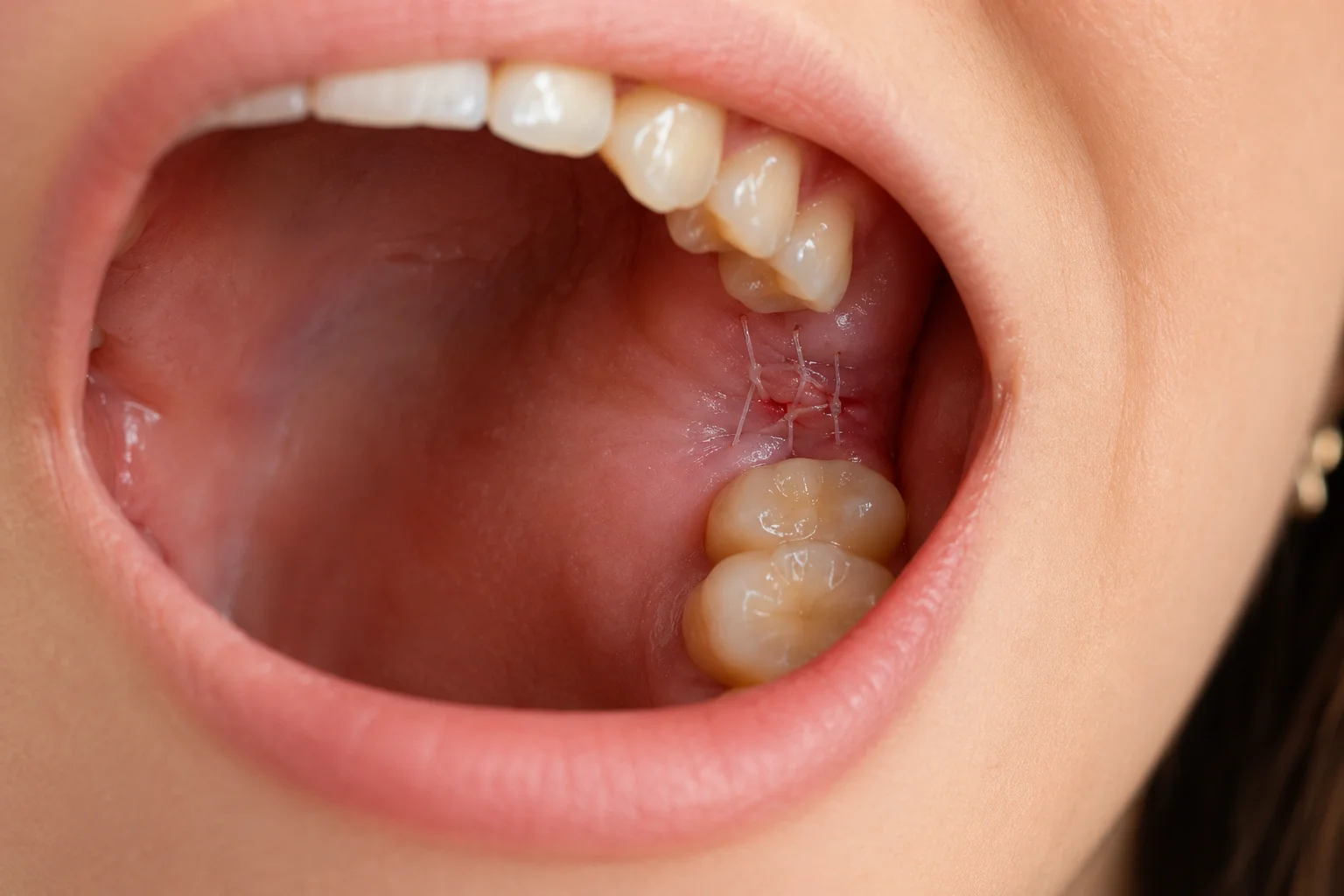
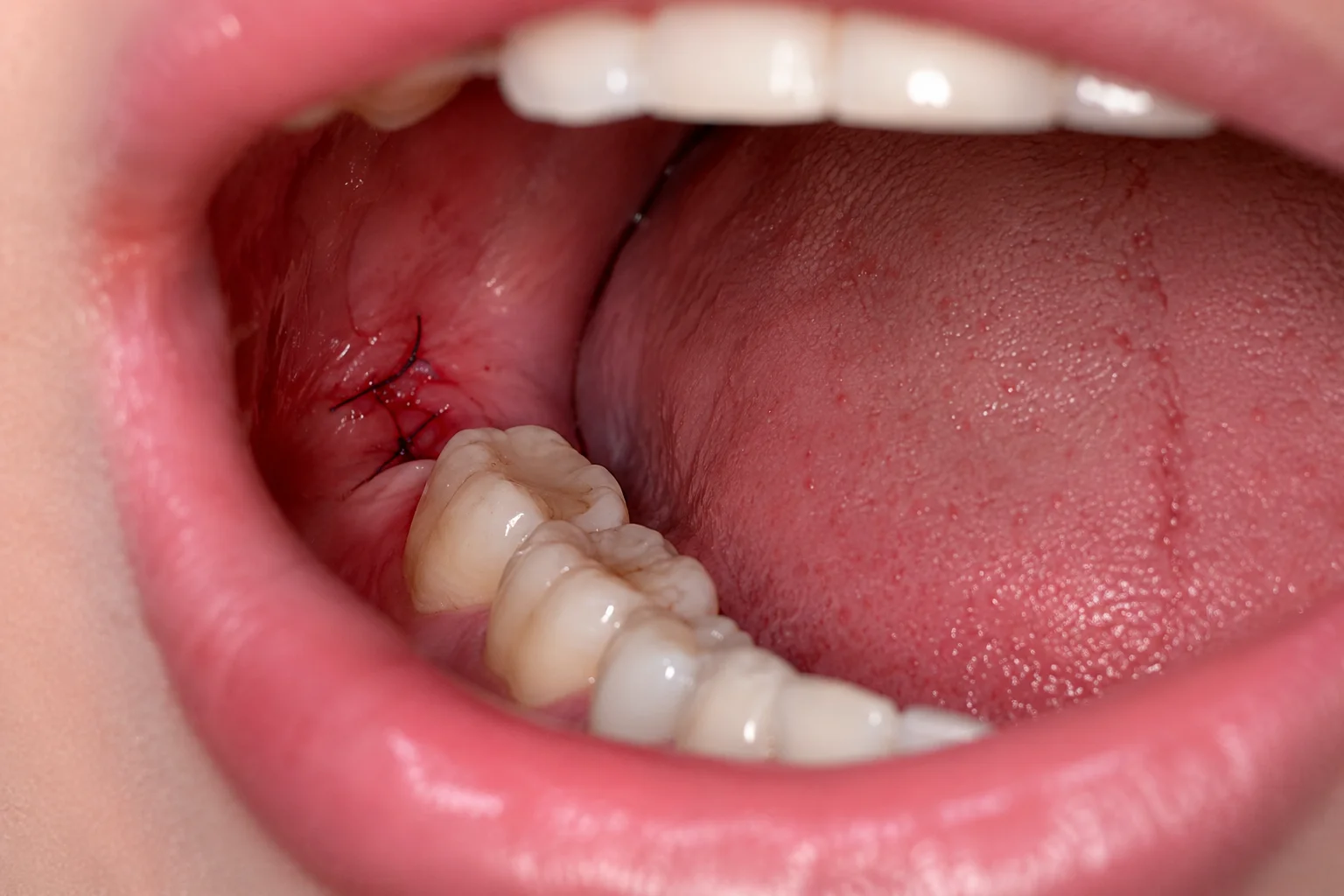
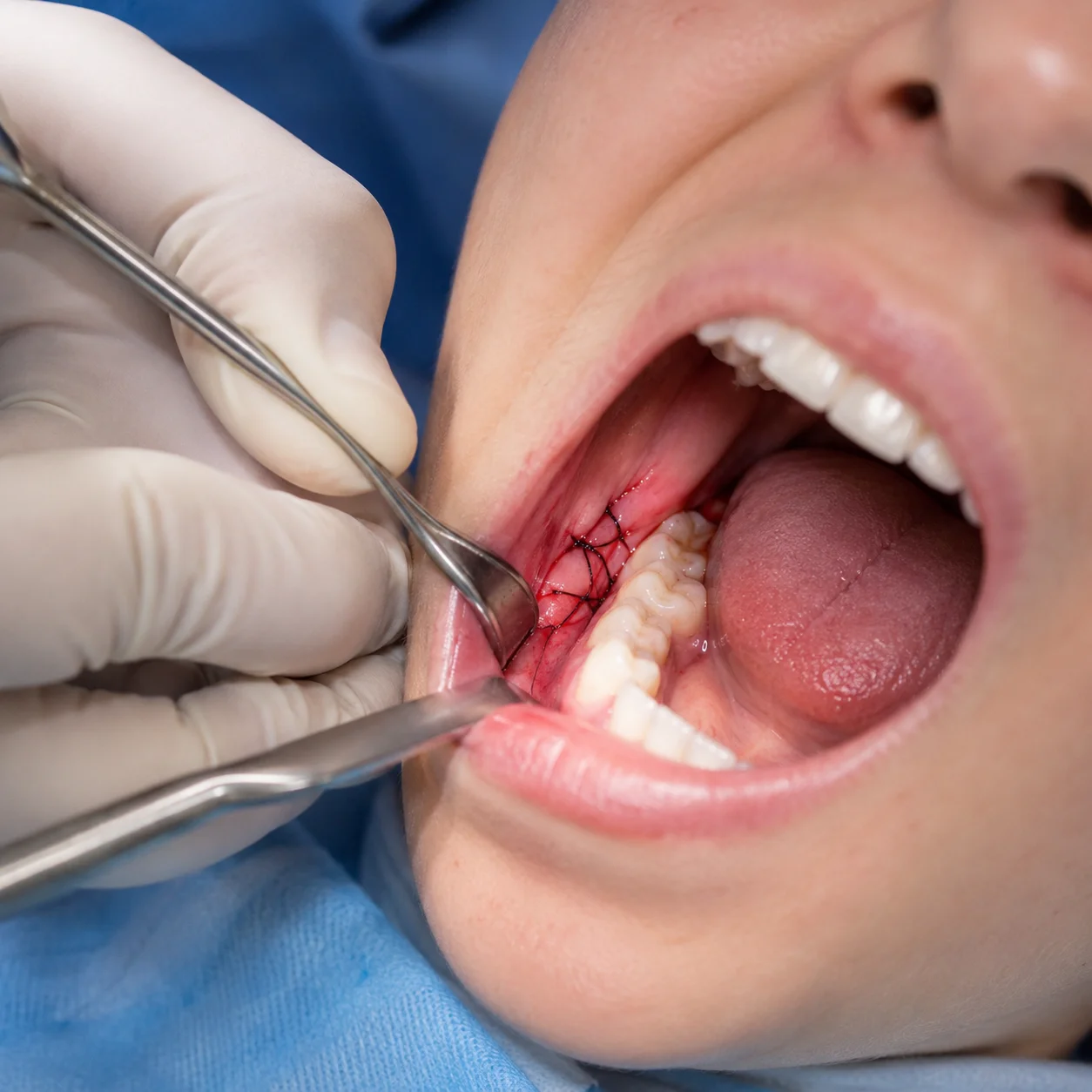
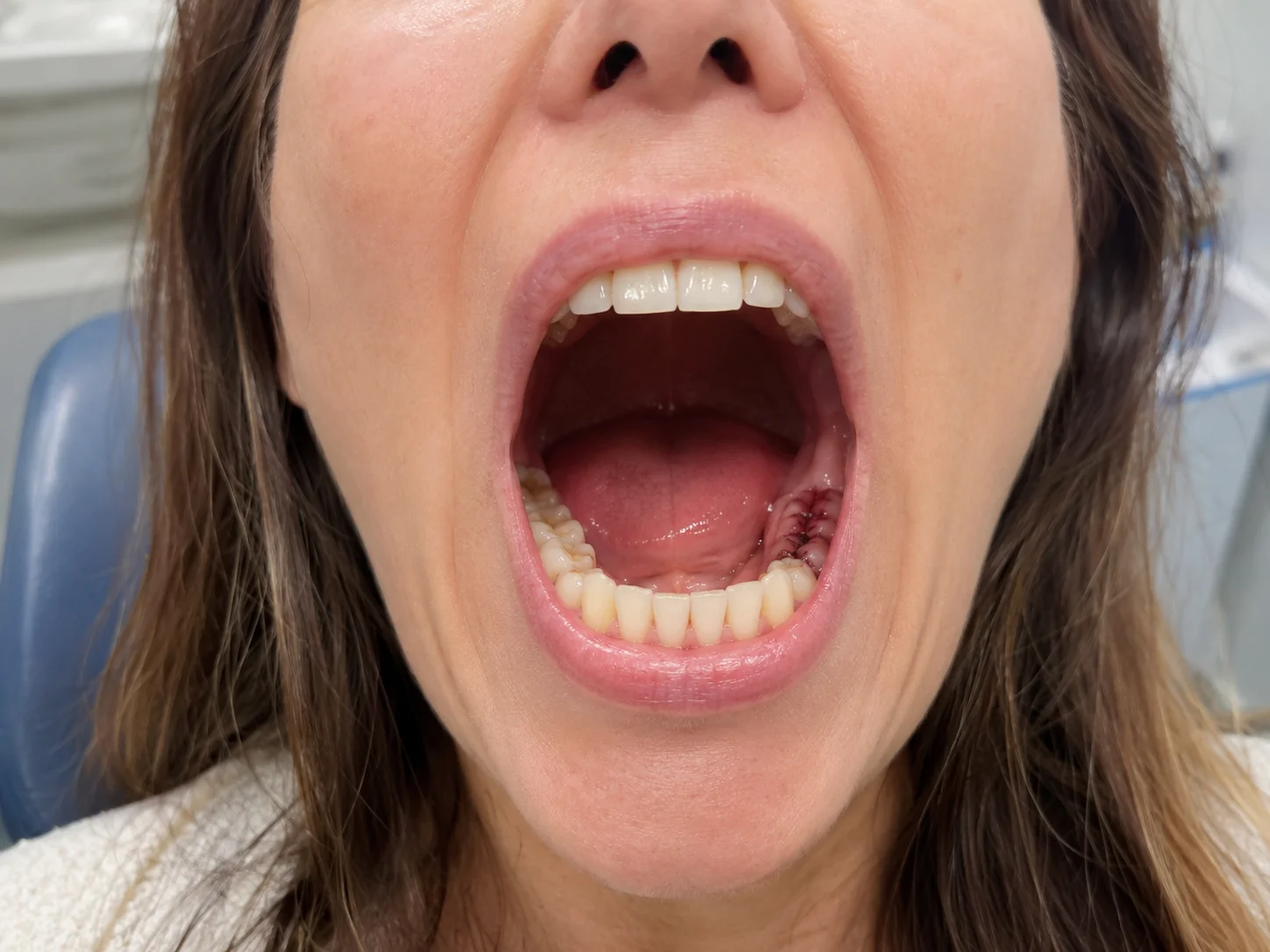
Dissolvable stitches do not have a fixed time when they come out. Some dissolvable stitches start to break down in a few days, while others may stay in place for a couple of weeks. They hold everything together while the tissue underneath heals. People often think dissolvable stitches simply fall out at a set time, but that’s not really how it works.
At South Shore Dentistry & Implants, we tell the patients that this process happens slowly over time. You may first notice small changes, like a loose thread, a slightly rough edge, or the feeling that the stitches aren’t as tight as before.
In dental care, these stitches are used after extractions, gum surgeries, and sometimes deeper cleaning procedures. They’re designed to support healing without needing a second visit for removal.
What dissolvable stitches actually do
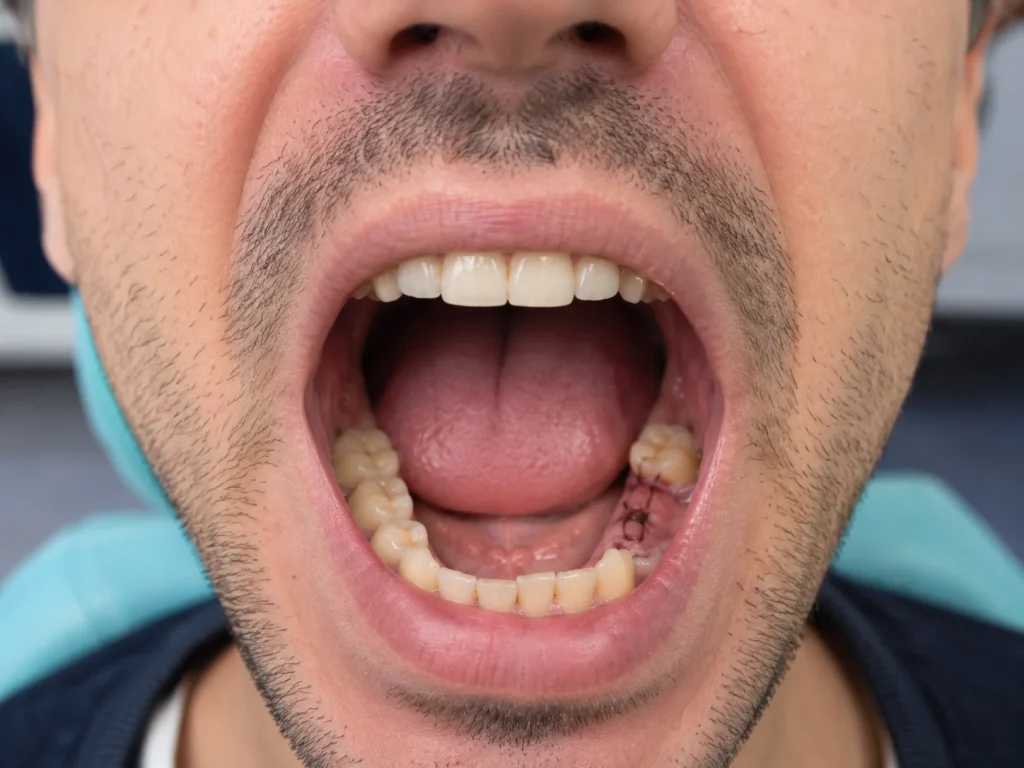
Dissolvable stitches are made from special material. They slowly break down inside your body. No one removes them manually. They just get weaker over time. As the wound heals, the stitches either dissolve or fall away on their own.
They’re used because:
- They support tissue while it heals naturally
- They reduce the need for follow-up removal
- They work well in areas that are hard to access
The stitch doesn’t just vanish instantly. It goes through a breakdown phase, where it slowly loses strength before fully disappearing.
Average time for stitches to dissolve
The timeline isn’t identical for everyone, but most dental stitches follow a general pattern.
7 to 10 days (early dissolving phase)
This is the most common range for many routine dental procedures. You may notice:
- Ends starting to loosen
- Slight fraying
- Threads becoming thinner or softer
At this stage, the wound underneath is usually already starting to stabilize.
10 to 14 days (moderate support stitches)
Some stitches are designed to last a bit longer, especially after extractions or gum contouring work. They hold the area together while deeper healing continues.
They don’t usually “snap” suddenly. Instead, they gradually weaken and become less noticeable.
2 to 3 weeks (slow-dissolving stitches)
In more complex cases, stronger materials are used. These can stay in place for a few weeks. You might still feel them with your tongue, even though the tissue underneath has already healed significantly.
Why dissolving time varies from person to person
Not everyone heals at the same speed. Two people can have the same procedure and still see different stitch timelines.
1. Type of material used
Different stitches break down at different speeds. Some are designed for fast absorption, while others are built for longer support.
2. Location in the mouth
Movement matters more than people expect. Areas like the back molars experience more pressure from chewing, which can speed up breakdown.
Front areas sometimes hold stitches longer because they’re less involved in daily biting force.
3. Oral habits
Simple habits affect healing:
- Chewing on one side
- Frequent tongue contact with stitches
- Smoking or poor oral hygiene
Even small repeated pressure can change how fast stitches loosen.
4. Overall healing response
Everyone’s body breaks down materials at a slightly different rate. Some people naturally heal faster, while others take a bit more time for tissue repair.
What dissolvable stitches feel like during healing
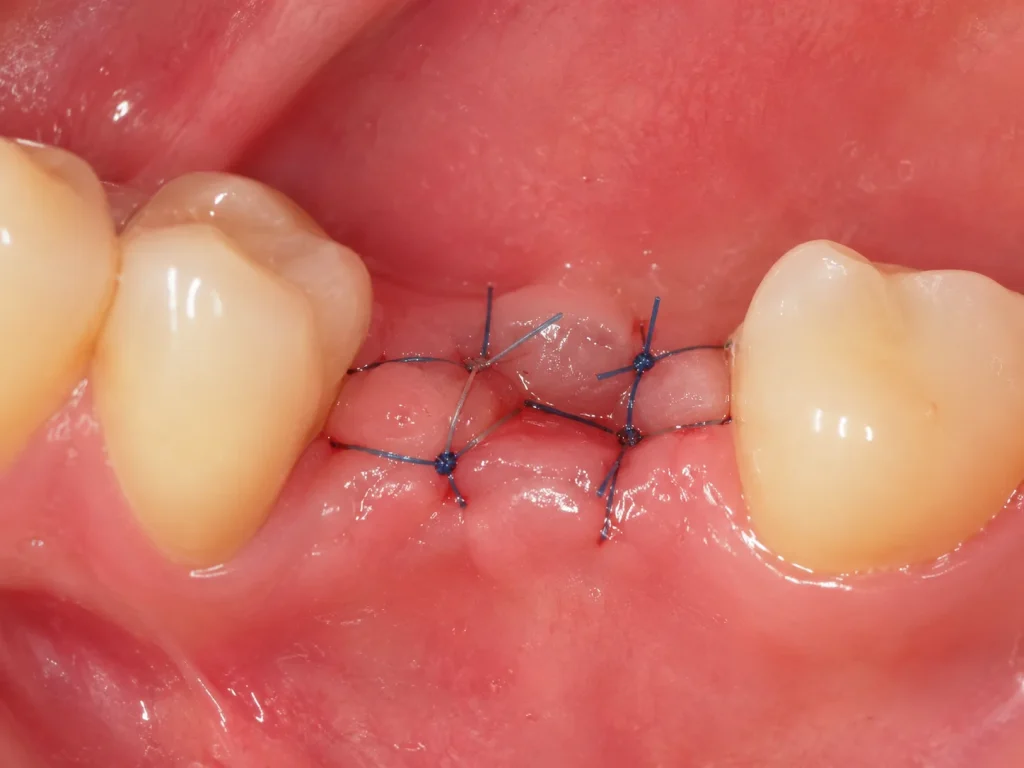
The sensation changes over time, and most people notice it in phases rather than all at once.
First few days
The area feels tight or slightly sore. The stitches feel firm and noticeable, especially when moving the tongue around the area.
Mid-stage healing
This is when things start to shift. The stitches may feel uneven or a bit loose. Some people describe it as a “thread catching” feeling.
Later stage
The stitch becomes softer, thinner, and less noticeable. It may hang slightly or disappear in sections rather than all at once.
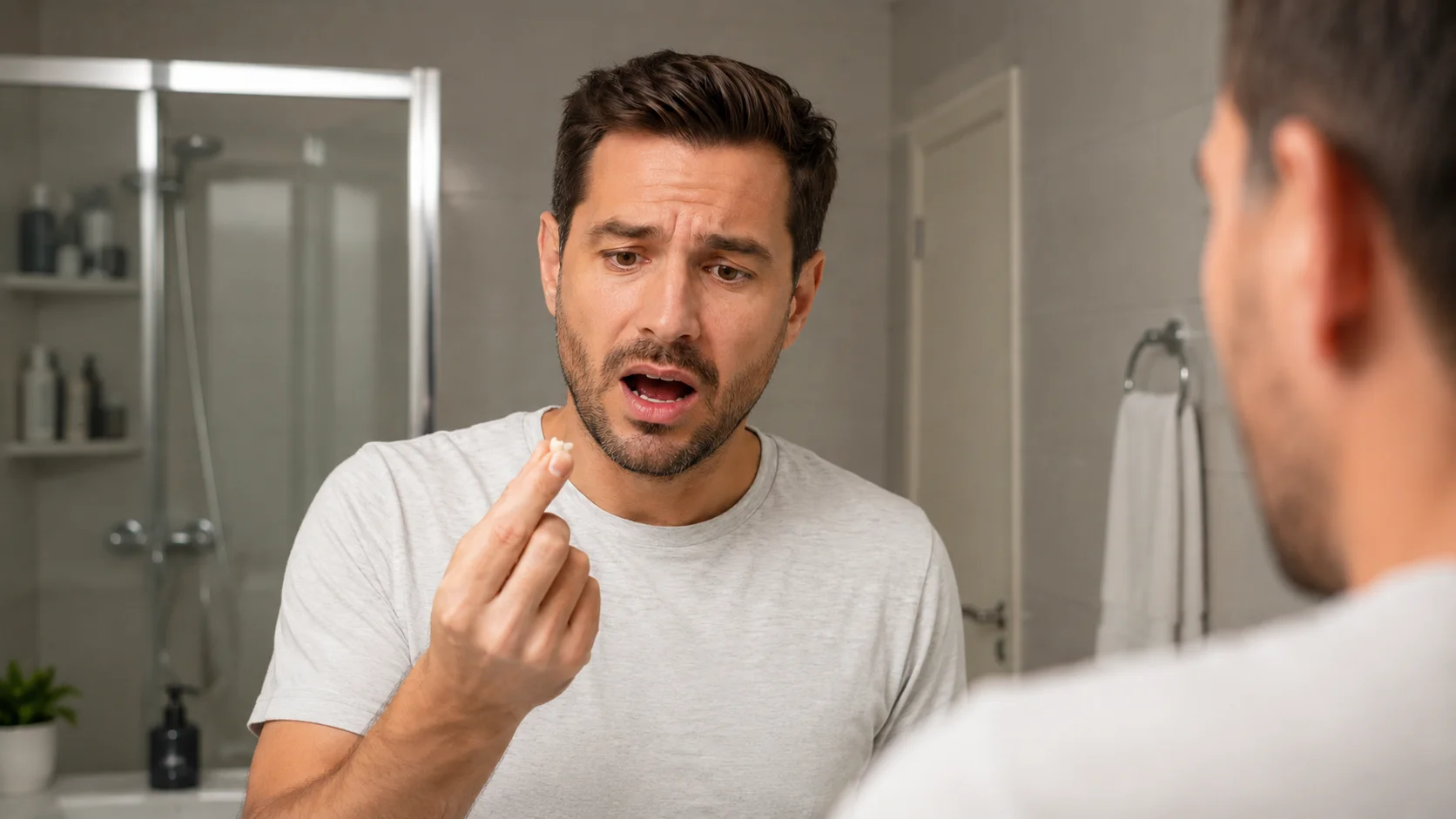
A common moment of confusion is when a piece seems to come off suddenly. In reality, it has usually been weakening for a while before that point.
What is normal during the dissolving process
Some changes are expected and usually not a concern.
You might notice:
- Mild loosening of stitch ends
- Small pieces falling out
- Slight irritation in the area
- Gradual reduction in tightness
The gum or tissue underneath often feels better even while the stitch is still present. That’s part of normal healing.
When stitches take longer than expected
Sometimes stitches don’t dissolve within the typical timeframe. That doesn’t automatically mean something is wrong.
They may last longer if:
- The wound needed extra support
- A stronger suture material was used
- Healing is slower due to health factors
If stitches are still clearly intact after 3 weeks or more, it’s usually worth getting them checked, especially if there’s discomfort or irritation.
Signs something may need attention
Most dissolving stitches heal quietly. But a few signs shouldn’t be ignored:
- Increasing pain instead of improvement
- Swelling that doesn’t reduce
- Pus or unusual taste in the mouth
- Stitch pulling into the gum or causing irritation
- Wound not showing signs of healing
These symptoms don’t always mean a serious problem, but they do suggest the area should be reviewed.
Daily care while stitches are dissolving
Small habits make a noticeable difference in recovery.
Keep the area clean
Gentle rinsing helps prevent food buildup. Warm salt water is often used after meals in dental recovery.
Avoid disturbing the stitches
It’s tempting to check them with your tongue, but repeated contact slows healing and can loosen them earlier than intended.
Soft food choices
Foods like rice, yogurt, mashed potatoes, and soups reduce pressure on the area.
Brush carefully
Cleaning should continue, but the stitched area needs a softer approach. A gentle toothbrush works better during this phase.
What happens after stitches fully dissolve
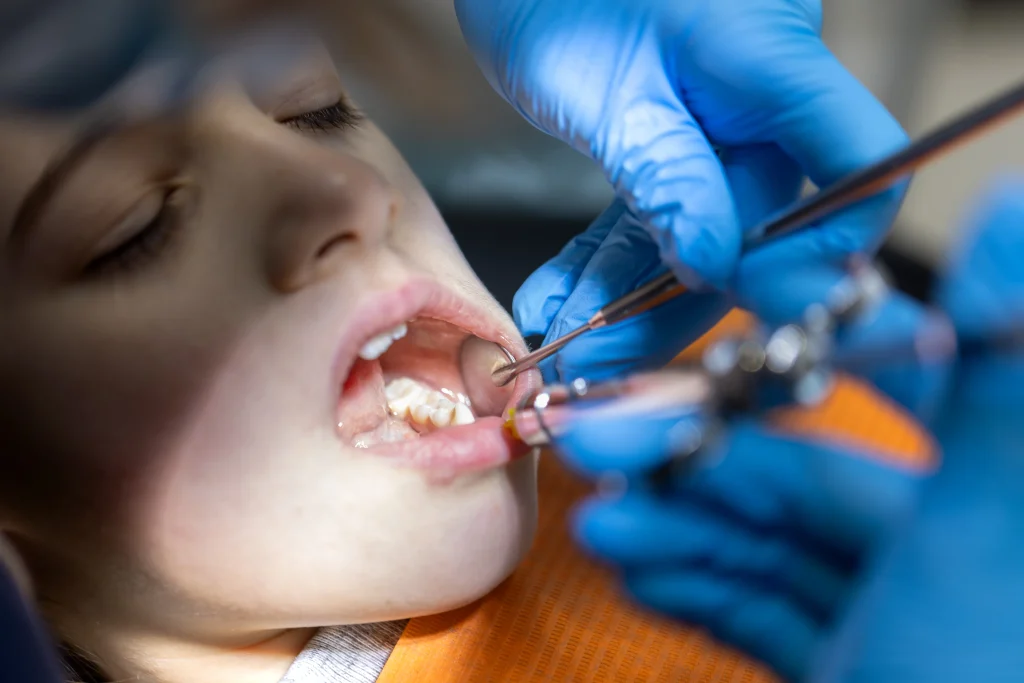
Once the stitches are gone, healing doesn’t stop immediately. The deeper tissue continues to strengthen for days or even weeks afterward.
You might still feel slight sensitivity, especially while chewing. That usually fades gradually as the gum tissue fully settles.
The key thing is stability. If the area feels stronger day by day, healing is on track.
Conclusion
Dissolvable stitches don’t have a set timeline. Most start to loosen in a week or two. Others may stay longer; it depends on the surgery. How your body heals. You might feel changes in how they feel or how tight they are and that’s usually normal. It’s all part of getting better.
What matters more than the exact day they disappear is how the area feels overall. Steady improvement, reduced soreness, and gradual stability are better signs than focusing on when the last stitch falls out.
FAQs
How long do dissolvable stitches usually take to dissolve?
Most dissolvable dental stitches begin loosening within 7 to 14 days. Some may disappear sooner, while stronger stitches can stay in place for up to 2 to 3 weeks depending on the procedure and healing process.
Is it normal for dissolvable stitches to feel loose?
Yes, slight loosening is a normal part of healing. As the stitches weaken, they may feel softer, uneven, or slightly mobile before they fully dissolve or fall away.
Can dissolvable stitches fall out too early?
A small piece coming out early is not always a problem. However, if stitches come out within the first few days along with bleeding, pain, or the wound opening, it’s best to contact a dentist.
Why are my dissolvable stitches still there after two weeks?
Some stitches are designed to last longer, especially after complex extractions or gum procedures. Healing speed and the type of suture material both affect how long they remain.
What do dissolvable stitches look like when healing?
During healing, stitches may appear thinner, frayed, or slightly loose. They often dissolve gradually instead of disappearing all at once.
Should I remove a loose dissolvable stitch myself?
No, it’s better not to pull or cut the stitch yourself. Even if it feels loose, removing it early can irritate the tissue or affect healing.
What foods should I avoid while stitches are dissolving?
Hard, crunchy, spicy, or sticky foods can irritate the area and place pressure on the stitches. Soft foods are usually easier and safer during recovery.