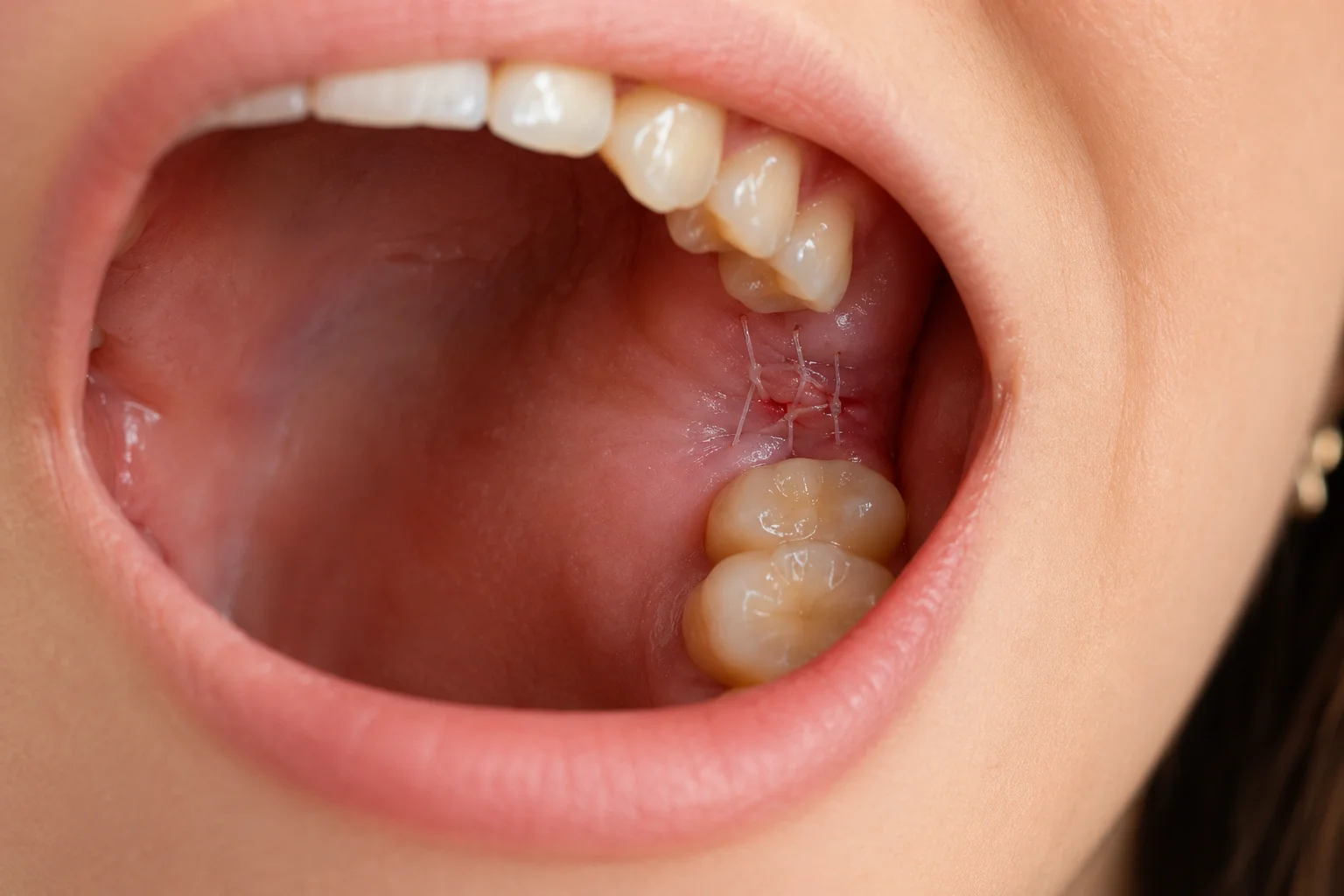
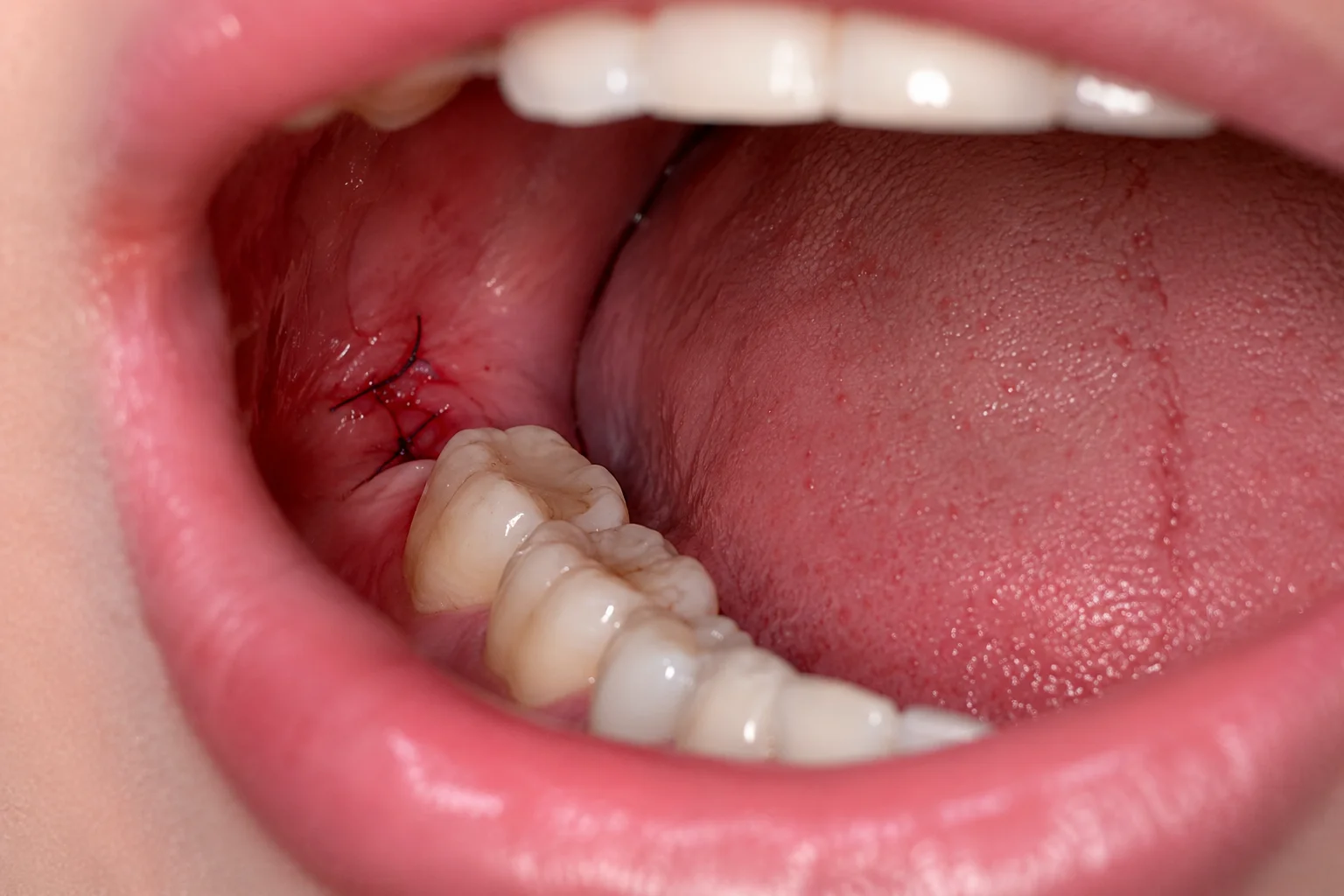
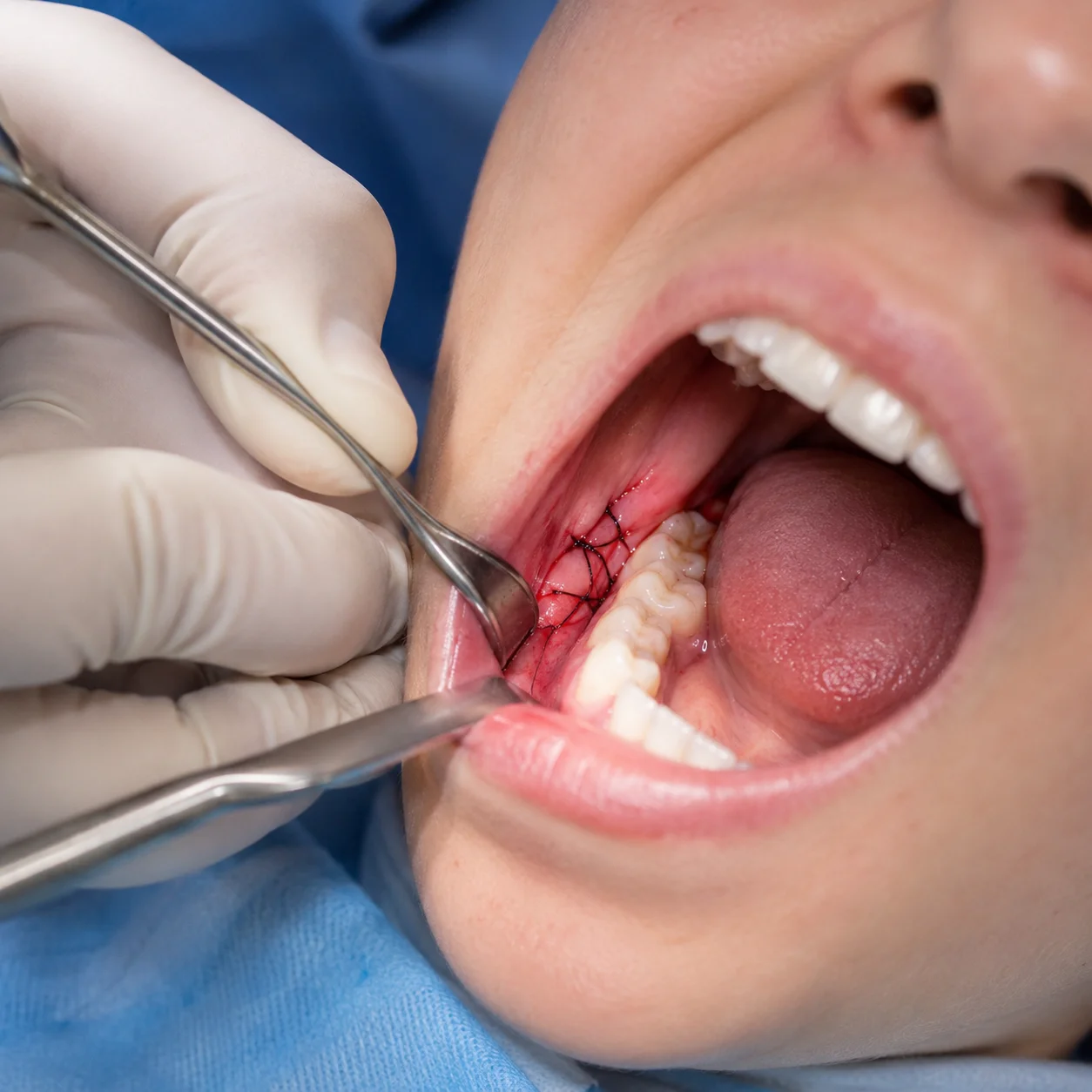
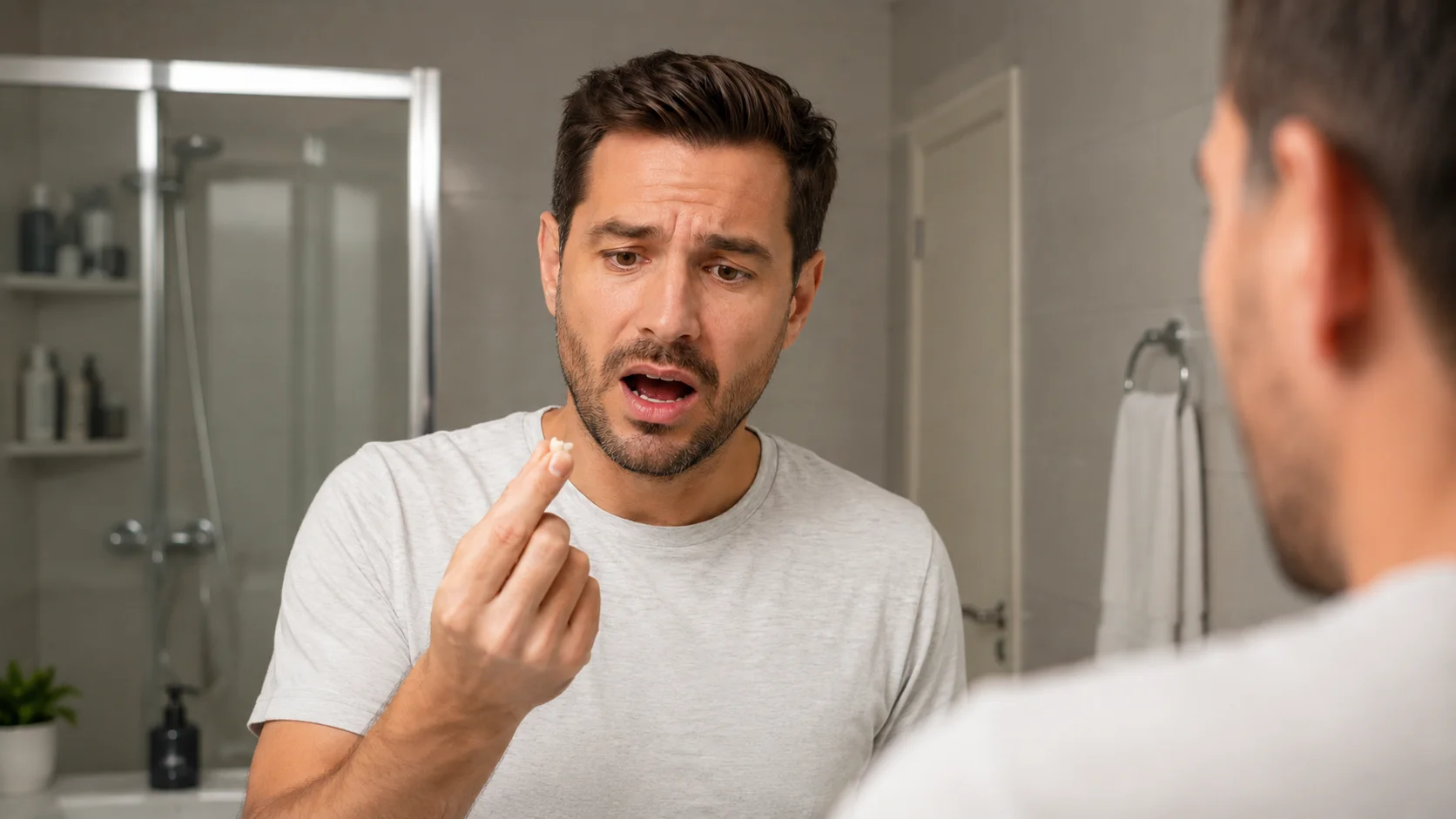
A loose permanent tooth often comes without warning, and it can feel disturbing the moment you notice it. One day everything seems normal while eating or brushing, and the next day you sense a slight movement. It might not hurt at first, which makes it even more confusing. People often assume it’s temporary or caused by something minor, but a permanent tooth rarely becomes loose without an underlying reason.
The change can be linked to gum problems, past injury, grinding habits, or even slow bone loss that develops quietly over time. For proper evaluation and care, it’s best to consult a dental professional such as South Shore Dentistry & Implants.
This blog explains what is Loose Permanent Tooth and why it happens in the first place. It also covers the most common symptoms, possible causes, and practical steps you can take before the condition gets worse.
What a loose permanent tooth actually means
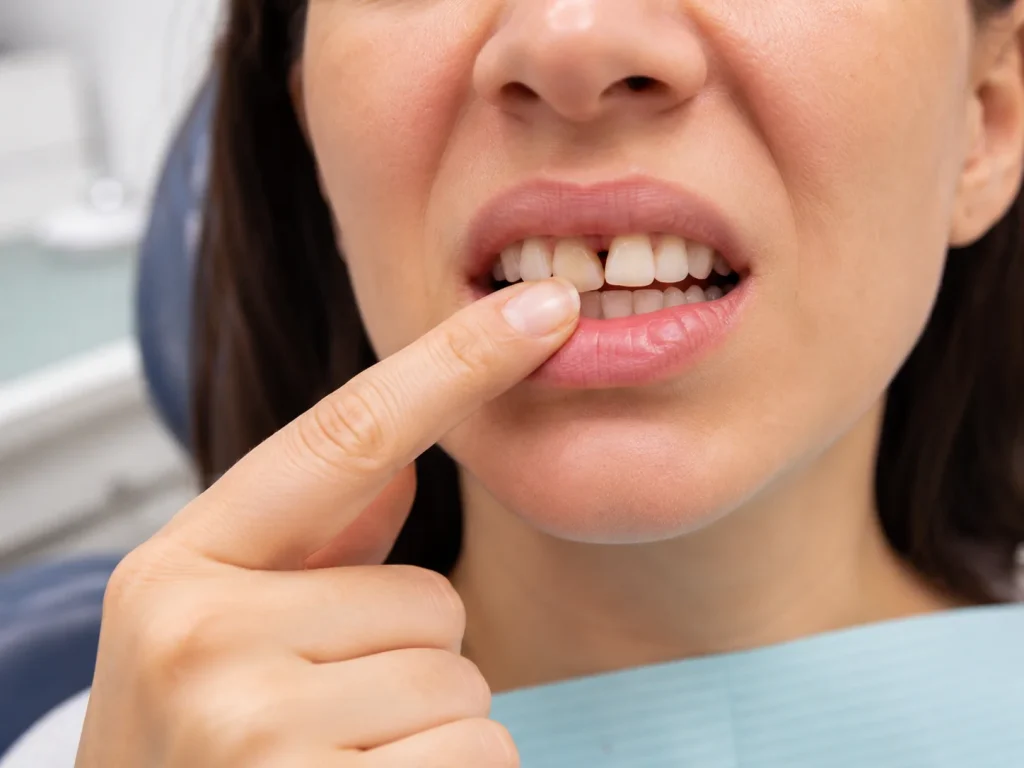
A permanent tooth is held in place by gum tissue and the surrounding bone. When either of these weakens, the tooth starts losing its grip.
The movement might be tiny at first. You may notice it only when pressing the tooth with your tongue or biting something firm. Even a small movement should be noticed. Teeth don’t loosen without a reason.
Common causes of a loose permanent tooth
A loose permanent tooth can be caused by gum disease, injury, grinding, or bone loss around the tooth.
1. Gum disease (the most common reason)
Gum disease usually starts quietly. Plaque builds up around the gum line, and over time it causes inflammation. At first, gums may bleed while brushing or feel tender. Many people brush it off as minor irritation.
But when it progresses, the bone supporting the tooth begins to weaken. That’s when the tooth starts to loosen.
You might notice:
- Bleeding gums during brushing
- Bad breath that doesn’t go away easily
- Receding gum line
- A slight shift in tooth position
It doesn’t happen in a single day. It builds slowly, which is why it often goes unnoticed until the tooth starts moving.
2. Injury or trauma to the mouth
A fall, a sports accident, or even biting something unexpectedly hard can strain the ligament that holds the tooth in place.
In these cases, the tooth may feel fine at first. Then, a day or two later, you notice a slight wobble.
This type of loosening can sometimes improve if the damage is mild and the tooth is protected early. But it still needs attention, because repeated movement can delay healing.
3. Teeth grinding (bruxism)
Some people clench or grind their teeth without realizing it, especially during sleep. Over time, this constant pressure weakens the supporting structures.
You might wake up with:
- Jaw tightness
- Headaches near the temples
- Tooth sensitivity
- A feeling that one tooth “feels different”
It doesn’t loosen teeth overnight, but months or years of pressure can gradually affect stability.
4. Bone loss around teeth
Bone is what actually holds teeth in place. When bone density reduces, teeth lose support.
This can happen due to:
- Long-term gum infection
- Certain medical conditions
- Aging-related changes
The tricky part is that bone loss doesn’t usually cause pain. That’s why people often don’t realize it until their teeth start shifting.
5. General health factors
Some body conditions can indirectly affect oral stability.
For example:
- Diabetes can slow healing and increase gum problems
- Smoking reduces blood flow to gums
- Hormonal changes may make gums more sensitive
These don’t directly loosen a tooth, but they weaken the environment around it.
Early signs you shouldn’t ignore
A loose permanent tooth doesn’t always announce itself loudly. Sometimes the signs are subtle.
You might notice:
- A slight movement when biting
- Sensitivity to cold drinks
- Food getting stuck near one tooth more than usual
- A “different feeling” when chewing on one side
Pain may or may not be present. Lack of pain doesn’t mean everything is fine.
What you should do immediately
The first reaction is usually to keep checking the tooth with your tongue or fingers. It feels natural, but it adds unnecessary pressure.
A few simple steps help reduce stress on the tooth:
Avoid chewing on that side
Stick to softer foods for a few days. Things like rice, yogurt, eggs, or soups reduce pressure while the tooth settles.
Be gentle with brushing
Don’t stop brushing, but avoid aggressive scrubbing near the affected area. A soft-bristle toothbrush works better.
Stop testing the tooth
Constant movement slows down recovery and can make the looseness worse.
Keep the area clean
Even if it feels sensitive, cleaning matters. Food buildup around the gum line can worsen the problem quickly. Professional Dental Cleanings are important to maintain gum health and prevent further complications
When a loose permanent tooth becomes serious
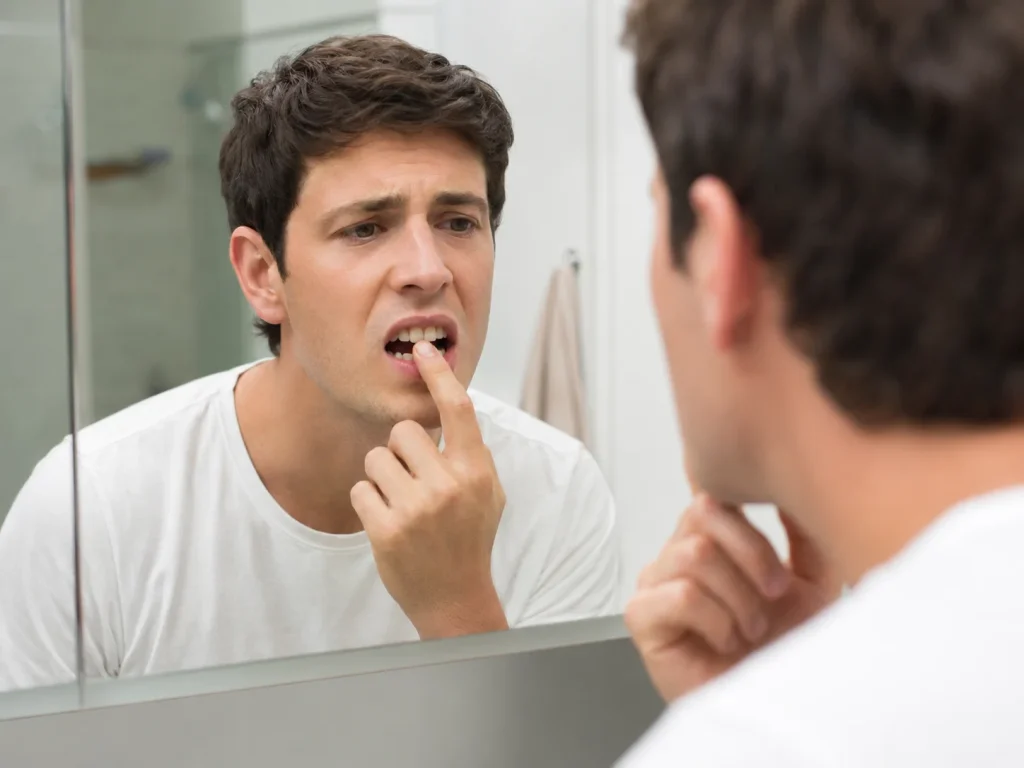
Some situations need prompt dental attention.
You shouldn’t wait if:
- The tooth becomes more mobile within days
- There is swelling in the gums or face
- You notice pus or a bad taste
- Pain increases while chewing
- The tooth shifts position noticeably
These signs often point to infection or deeper structural issues.
How dentists usually treat a loose permanent tooth
Treatment depends on the cause. There isn’t a single solution for every case.
1. Deep cleaning (scaling and root planing)
If gum disease is the reason, removing plaque and tartar below the gum line is often the first step. It helps reduce infection and allows gums to start healing.
2. Splinting the tooth
In some cases, the loose tooth is attached to nearby teeth for support. This reduces movement and gives it time to stabilize.
3. Bite adjustment
If grinding or uneven bite pressure is the issue, slight adjustments or night guards may be recommended.
4. Medication or infection control
If there’s an active infection, Root Canal Therapy may be needed alongside cleaning. It helps remove infection and protect the tooth from further damage.
5. Advanced gum treatment
For severe bone loss, more specialized periodontal treatment may be required to preserve surrounding teeth.
Can a loose permanent tooth tighten again?
It depends on what caused it and how early it’s treated.
If the looseness is due to minor trauma or early gum issues, there is a chance it can stabilize. The supporting tissues need time and proper care.
But if significant bone loss has already occurred, complete tightening becomes less likely. In such cases, the goal shifts to preventing further damage.
Timing matters more than most people realize.
Daily habits that help protect teeth
Small habits make a noticeable difference over time.
- Brush twice daily with a soft brush
- Floss gently once a day
- Avoid biting very hard objects
- Reduce sugary snacks between meals
- Stay consistent with dental checkups
Even if everything feels normal, these habits reduce the risk of future loosening.
What makes the condition worse
A few things quietly speed up the problem:
- Ignoring bleeding gums
- Smoking or tobacco use
- Chewing hard foods on the affected side
- Delaying dental visits
- Poor oral hygiene over time
The progression is usually slow, but once it advances, recovery becomes more complicated.
Conclusion
A loose permanent tooth is not something that appears randomly. It usually reflects a change happening in the gums, bone, or bite forces over time. The earlier it’s noticed, the better the chances of controlling it.
Small movement may not feel urgent, but it rarely stays the same if ignored. Paying attention early, adjusting daily habits, and getting a dental check when needed can make a real difference in how much of the tooth can be preserved.
FAQs
Can a loose permanent tooth heal on its own?
Mild cases caused by minor trauma can sometimes improve if the tooth is rested and not put under pressure. However, if the looseness is due to gum disease or bone loss, it usually won’t heal without proper treatment and may gradually worsen over time.
Is a loose tooth always painful?
Not always. In many cases, a loose permanent tooth doesn’t cause pain at all, especially in the early stages. This is why people often miss the warning signs until the movement becomes more noticeable or starts affecting chewing.
How long does it take to stabilize?
The time varies depending on the cause. If it’s from a minor injury, it may take a few weeks to settle. But if there’s an ongoing issue like gum disease, stabilization may require professional care and can take longer or need ongoing management.
Should I stop brushing if my tooth feels loose?
No, brushing should continue, but it needs to be gentle. Avoid applying strong pressure around the loose tooth area. Keeping the gums clean is important, because plaque buildup can make the condition worse.
When should I worry about a loose permanent tooth?
You should take it seriously if the tooth starts becoming more mobile, if there is swelling in the gums, bleeding, or discomfort while chewing. These signs often indicate an underlying problem that needs timely attention.
Related reading: For a broader look at symptoms, causes, and when to see a dentist, read our teeth feel loose causes and care guide.