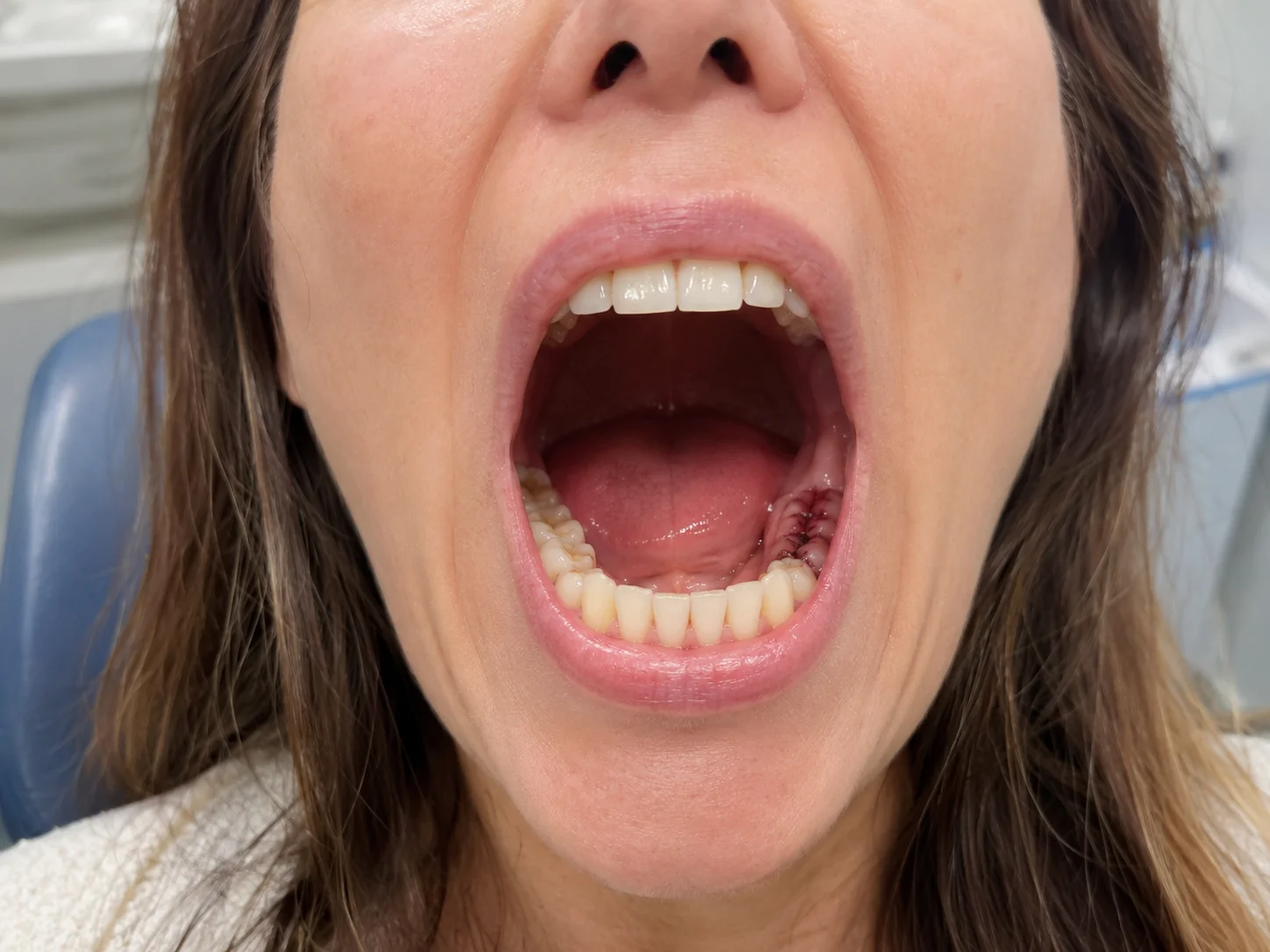
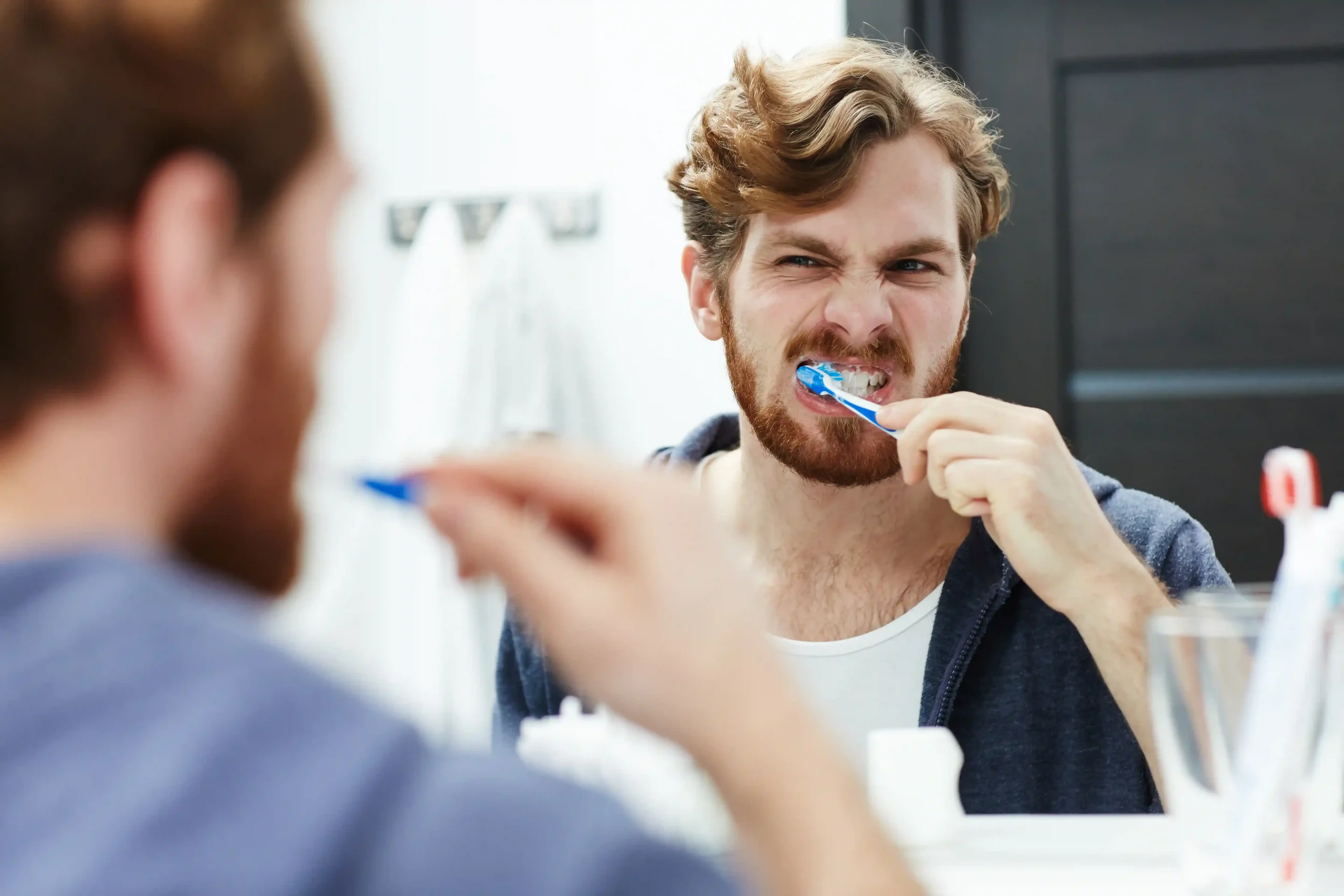
Teeth cleaning is an essential part of maintaining healthy teeth and gums, but it is common for many patients at South Shore Dentistry & Implants to experience mild discomfort afterward. This may include tooth sensitivity, slight gum pain, or soreness that can last for a few hours or a couple of days. While this can feel concerning, it is usually temporary and part of the normal healing process.
In this guide, you will learn why pain occurs after dental cleaning, how long it typically lasts, and the most effective ways to relieve it safely at home.
Is Pain After Teeth Cleaning Normal?
It is normal to feel some pain after a cleaning. A lot of people feel this way especially if they have not had their teeth cleaned in a while or if they had a really deep cleaning. In fact, many patients ask, does deep cleaning teeth hurt, and the answer is that it can cause more sensitivity than a regular cleaning. The pain usually gets better in a few days.
You may feel slight discomfort for a few hours to 2 days after cleaning, and sensitivity to cold can last up to a week. These symptoms usually improve on their own as your teeth and gums heal.
After cleaning, mild soreness, sensitivity, or discomfort while eating is normal and usually goes away in a few days. If pain is severe, gets worse, or lasts more than 1–2 weeks, see a dentist.
Why Do Teeth Hurt After Dental Cleaning?
There are several reasons why teeth may feel sore or sensitive after a cleaning. Most of them are harmless and temporary.
Exposed dentin and tooth sensitivity
Plaque and tartar are removed from your teeth during dental cleaning. This may cause the dentin’s tiny channels to open up, increasing the tooth’s sensitivity to heat and cold.
Gum irritation and inflammation
Cleaning instruments can slightly abrade the gums as they remove plaque and tartar. This may result in some discomfort or bleeding, particularly if your gums were swollen.
Removal of plaque and tartar buildup
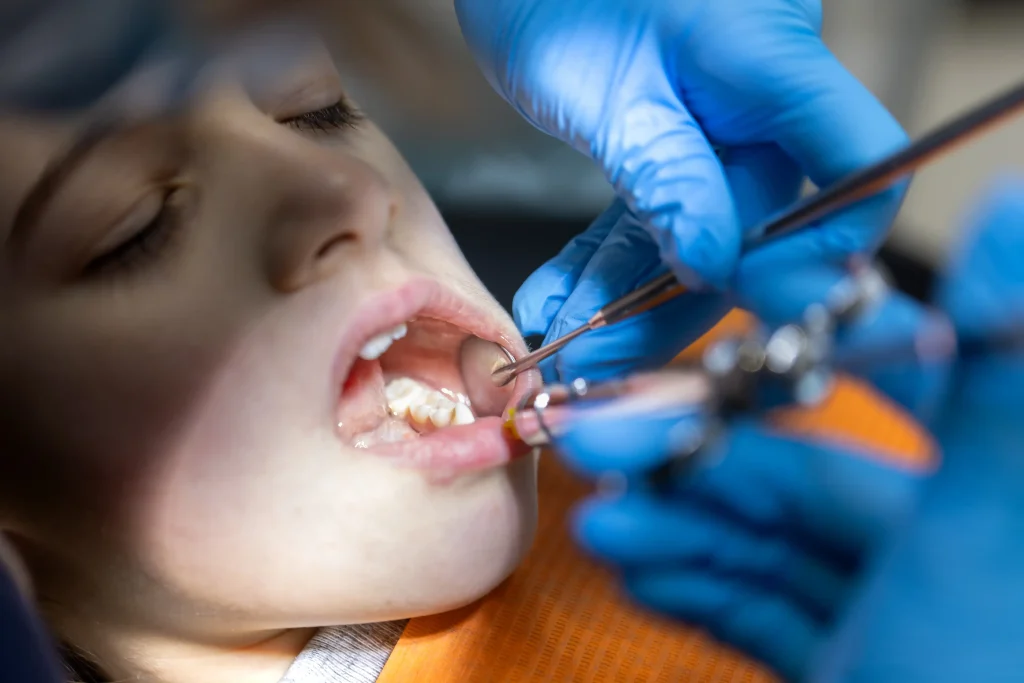
When plaque accumulates on your teeth, it becomes tartar. Teeth and gums may feel “weird” or sensitive because the plaque is no longer covering them.
Deep cleaning vs regular cleaning pain difference
A routine cleaning is usually easy. Many people wonder, does deep cleaning teeth hurt more than regular cleaning. .A deep cleaning like scaling and root planing goes deeper, into the gum. This can hurt more because the dentist cleans areas that are normally not touched. The dentist cleans below the gumline in a cleaning.
Temporary nerve sensitivity after scaling
Teeth may feel more sensitive following a cleaning because protective layers are just exposed. This is typical and normally resolves within a day or two when the nerves relax. The sensitivity is common and does not persist very long.
Common Symptoms After Teeth Cleaning
After a dental cleaning, you may notice some mild and temporary symptoms, including teeth sore after cleaning, gum tenderness, or sensitivity.
1: Tooth sensitivity to hot and cold
Cold water, tea or ice cream can feel weird for a few days. You might feel pain when you drink very cold drinks. Even foods that are just a little warm or cool can make your teeth feel sensitive, for a time. Cold water, tea and ice cream are the things that can make it feel weird. You have to be careful while eating or drinking something. The sensitivity will go away after some time.
2: Gum tenderness or slight bleeding
If you have gum disease or a significant buildup of tartar, your gums may feel irritated or bleed a little. This occurs as your gums adjust following cleaning and is typically temporary. The irritation usually goes away in a few days with adequate care and gentle brushing.
3: Mild pain while chewing
When you eat food it might feel a little uncomfortable, for a while until your gums get used to it. This is because your gums are a bit sensitive after they have been cleaned. You will probably find that soft foods are easier to eat during this time and they can help stop your gums from getting irritated. Your gums need some time to settle down after cleaning so it is better to stick to foods.
4: Temporary discomfort around gums
Your gums might feel tight or sore after cleaning and scaling. This is normal. Happens as your gums get better. The tight feeling will get better slowly as the swelling goes down and your gums keep healing. The gums feel tight because of the cleaning and scaling. It is normal for gums to feel this way.
How to Relieve Pain After Dental Cleaning

The good news is that most post-cleaning discomfort can be managed easily at home.
Use desensitizing toothpaste
Toothpastes for sensitive teeth help block pain signals and reduce discomfort over time. Use them twice daily for the best results. Brushing gently is also important to avoid increasing sensitivity and to support faster healing.
Rinse with warm salt water
A salt water rinse is really helpful. It reduces swelling in your gums, helps them heal and kills the bacteria. It also calms down gums. This rinse helps you get better fast after a cleaning. It is a way to take care of your gums.
Avoid very hot or cold foods
Your teeth may become sensitive to extreme temperatures. For a few days, eat foods and drinks that are not too hot or too cold. This helps reduce pain and allows your teeth and gums to heal more comfortably. Sticking to room temperature foods also supports better recovery.
Take mild pain relievers (if needed)
Although they help reduce discomfort, over-the-counter pain relievers should only be taken seldom. To prevent adverse effects, make sure you take the recommended dosage. Seeking dental advice is advised if the pain persists for longer than a few days.
Use a soft-bristled toothbrush
Gentle brushing and soft toothbrushes prevent further trauma and help in recovery. It maintains your mouth clean without harming your gums or teeth. Another way to reduce discomfort during recovery is to move gently in circles.
What Foods to Avoid After Dental Cleaning
Eating the wrong foods can increase sensitivity and delay recovery.
Hot and cold drinks
Avoid hot tea, coffee, and cold water after brushing your teeth. This could cause your teeth to become sensitive and painful. Instead, sip water that is neither too hot nor too cold. As a result, your gums will feel better and heal faster. Clean teeth are best served by slightly heated beverages. They reduce discomfort and encourage healing.
Acidic foods (citrus, soda)
Certain foods and drinks, like oranges and lemons, can cause severe irritation to sensitive teeth and gums. Foods strong in acid, such oranges and lemons, may temporarily exacerbate discomfort and impede the healing of teeth and gums. Eating neutral or non-acidic meals can help reduce sensitivity and speed up healing.
Hard or crunchy foods
It is a good idea to avoid things like chips, nuts and hard candies after cleaning. These types of food are not good because they need a lot of chewing. Food like this can make your sensitive teeth hurt more and you might feel more discomfort. During the time your teeth are healing it is better to eat foods. Soft foods are a choice because they do not irritate your teeth.
Sugary snacks and drinks
Sugar is not good for your gums. It can make the bacteria in your mouth more active. This can slow down the healing. Sugar also helps plaque to build up in your mouth. This can delay the time it takes for your gums to get better. Reducing sugar is a way to help your gums heal quickly.
How Long Does Pain After Cleaning Last?
Recovery time depends on the type of cleaning and your oral health.
Normal recovery timeline
- Mild discomfort: few hours to 2 days
- Sensitivity: up to 1 week
Deep cleaning recovery time
If you had scaling and root planing:
- Soreness may last 5–7 days
- Gums may take longer to fully heal
When sensitivity should improve naturally
In most cases, symptoms gradually reduce each day without treatment. Maintaining good oral hygiene and avoiding irritants can help speed up the recovery process.
How to Prevent Pain After Future Dental Cleanings
You can reduce post-cleaning discomfort by maintaining good oral health habits.
1: Maintain good oral hygiene daily
You should brush your teeth twice a day. Regularly floss. It can stop a significant amount of plaque from building up on your teeth. By brushing and flossing, you can maintain the health of your gums and reduce the number of extensive cleanings. Your teeth will remain healthy and less sensitive over time if you take good care of them by brushing and flossing every day.
2: Use sensitivity toothpaste regularly
If you already have sensitive teeth, using specialized toothpaste can really help reduce the discomfort you feel in the future. Specialized toothpaste for teeth helps to make your teeth stronger by strengthening the enamel and it also blocks the pain signals that go to the nerves. When you use toothpaste for sensitive teeth on a regular basis it can also make eating and drinking hot or cold foods and drinks a lot more comfortable for you.
3: Avoid plaque buildup before visits
Regular dental care is really good for your teeth. It helps get rid of tartar making cleanings more comfortable. It also helps prevent gum irritation. Regular dental care is important because over time you will have healthier teeth and going to the dentist will be easier.
4: Schedule regular dental cleanings
Visiting your dentist every six months helps prevent buildup. This reduces the chance of cleanings. It also helps detect issues early before it becomes a serious problem. Regular checkups ensure your teeth stay healthy. They also ensure your gums stay healthy. This makes them more comfortable on the run.
When to Contact a Dentist

Although mild discomfort is normal, some symptoms should not be ignored.
Pain lasting more than 1–2 weeks
If the pain does not get better, it may indicate a problem with your gums or tooth sensitivity that needs dental attention. You should visit a dentist so the issue does not get worse. A dentist can properly diagnose and treat gum or tooth problems and help prevent further complications.
Severe swelling or bleeding
This could mean you have a gum infection or severe gum disease. It might also mean that there are still bacteria under your gums that need to be treated by a professional. Getting diagnosed early can help stop the condition from getting worse and keep your mouth healthy. Gum disease can be prevented if caught early and that protects your oral health.
Increasing sensitivity instead of improvement
If your tooth sensitivity gets worse over time, you should see a dentist to check for any underlying issues. The dentist can examine your teeth, identify the cause of the sensitivity, and provide proper treatment. Early evaluation is important to prevent complications and keep your teeth healthy.
Sharp or persistent tooth pain
If you have a toothache, it may be due to cavities, a cracked tooth, or nerve issues. You should see a dentist as soon as possible so they can identify the exact cause and treat it properly. Early checkups help prevent further problems and reduce the risk of more serious complications.
Conclusion
Pain after dental cleaning is usually mild, temporary, and completely normal. It happens because your teeth and gums are adjusting after plaque and tartar removal. Whether you experience tooth pain after cleaning or slight sensitivity, it typically improves within a few days with proper care. At South Shore Dentistry & Implants, we often see that this sensitivity improves quickly with simple aftercare.
Using desensitizing toothpaste, avoiding extreme temperatures, and maintaining good oral hygiene can help you recover comfortably. Regular dental visits also make future cleanings easier.
FAQs
1. Is it normal to feel pain after teeth cleaning?
Yes, mild pain or sensitivity after teeth cleaning is normal. It usually happens due to gum irritation or exposed tooth surfaces and goes away within a few days.
2. How long does pain after dental cleaning last?
Most people feel discomfort for a few hours to 2 days. Sensitivity to hot or cold foods may last up to a week but gradually improves on its own.
3. What helps relieve pain after teeth cleaning?
Using desensitizing toothpaste, rinsing with warm salt water, avoiding very hot or cold foods, and brushing gently can help reduce discomfort.
4. When should I worry about pain after cleaning?
You should see a dentist if pain lasts more than 1–2 weeks, becomes severe, or is accompanied by swelling or worsening sensitivity.
5. Can I eat normally after teeth cleaning?
It’s best to avoid very hot, cold, hard, or acidic foods for a few days. Soft and room-temperature foods are easier on sensitive teeth and gums.