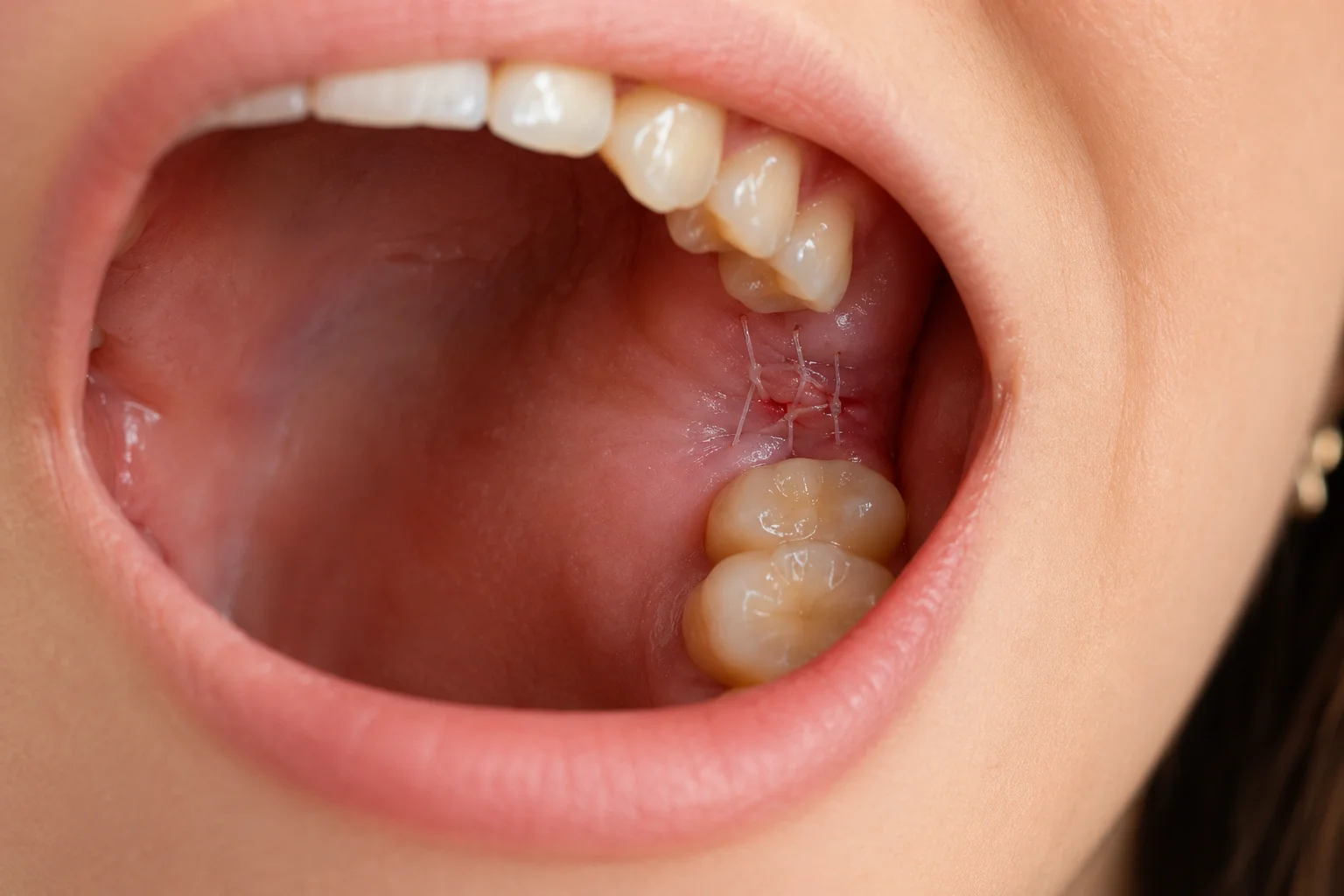
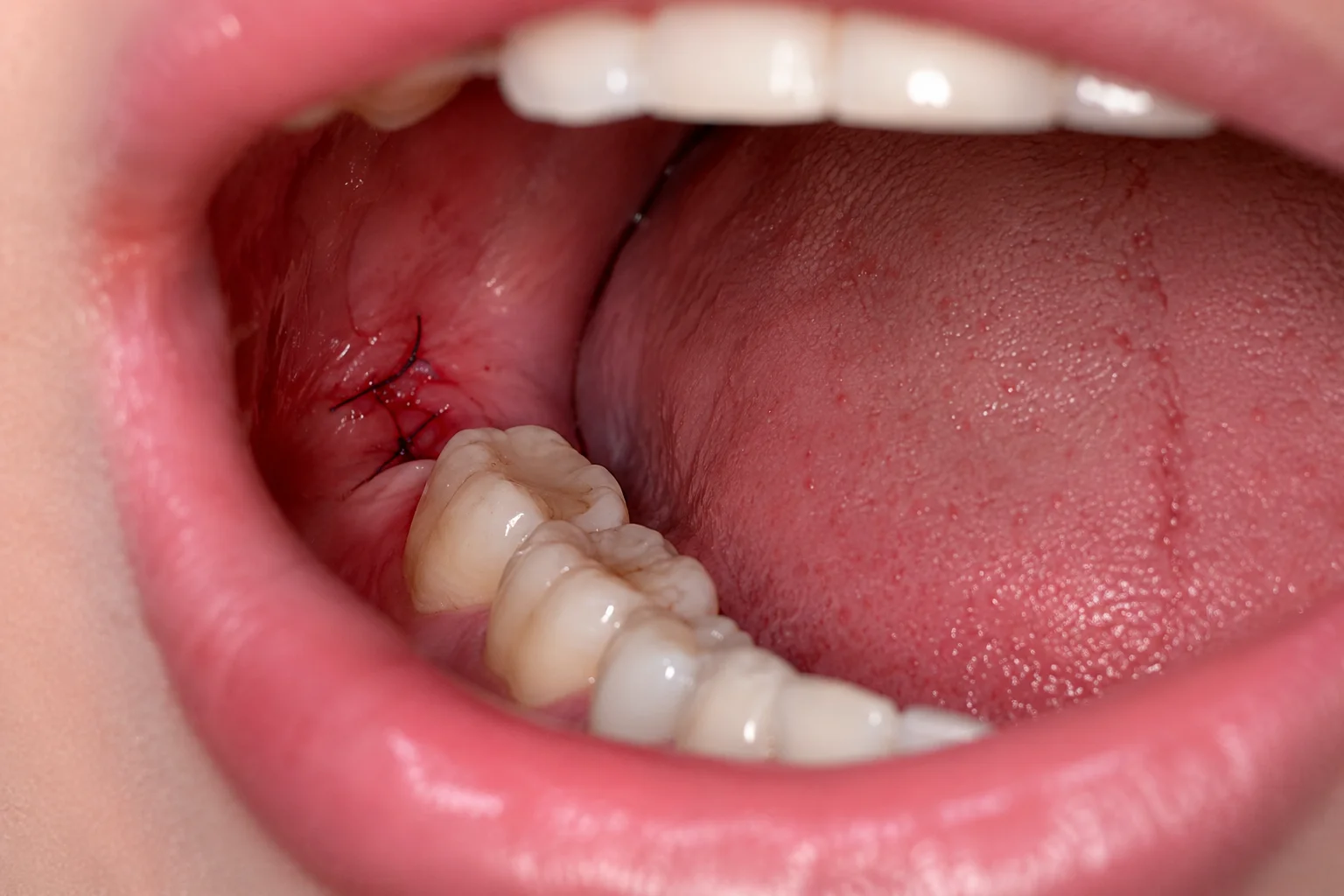
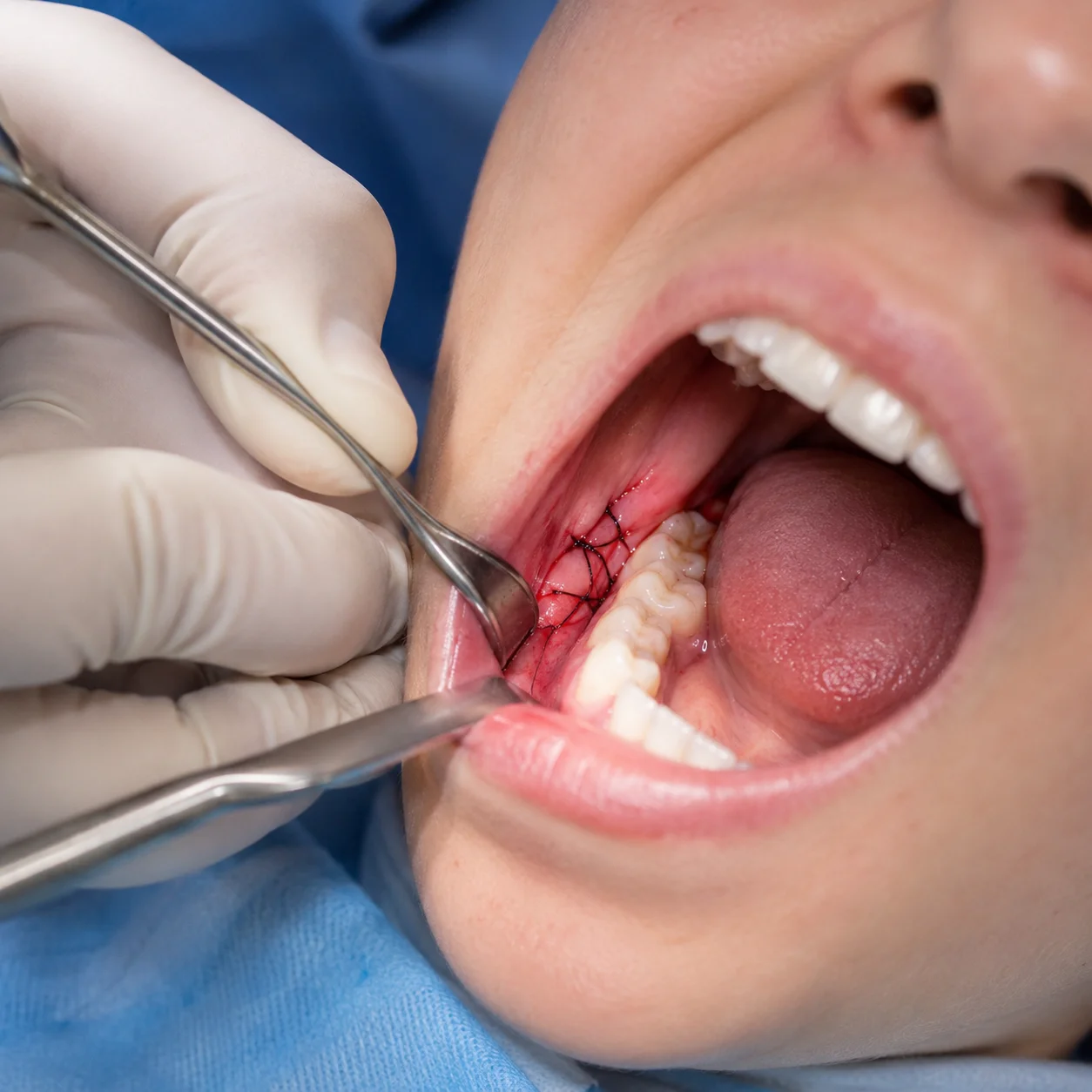

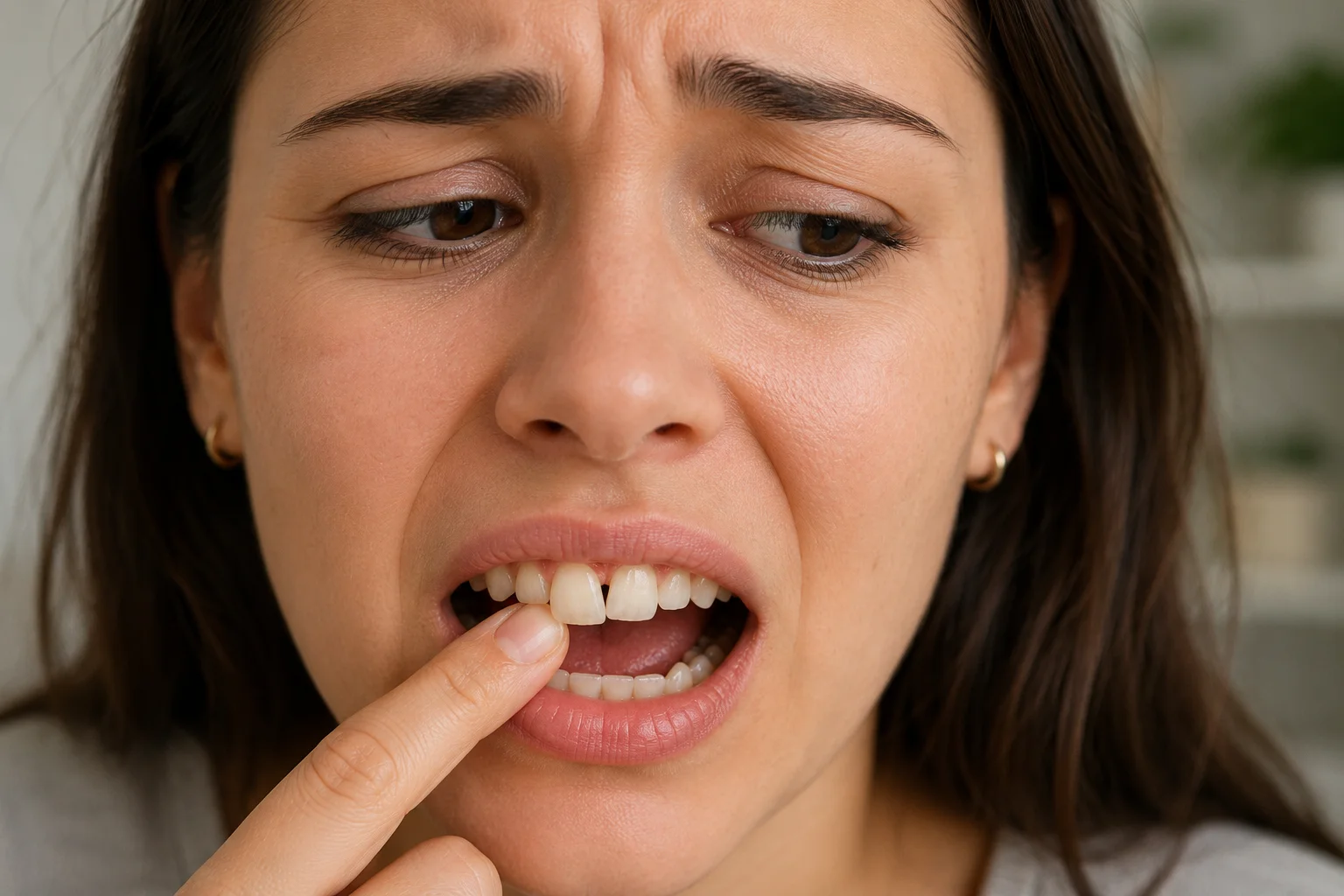
Tooth nerve pain isn’t just uncomfortable it’s the kind of relentless, throbbing agony that makes it impossible to sleep, eat, or think straight. When you’re in that state, you’ll search for anything. That’s exactly how millions of people end up asking whether you can kill tooth pain nerve in 3 seconds permanently.
The short, honest answer? No. You cannot.
The viral claim that swishing mouthwash or applying a household remedy for three seconds will permanently silence a tooth nerve is a dangerous misconception. Not just ineffective, but potentially harmful if it delays the professional care your tooth actually needs. According to Celebrate Dental, there is no topical or home remedy capable of permanently destroying or desensitizing a tooth nerve on contact.
Permanent relief from nerve pain is a process, not a three-second hack. Understanding why requires knowing what’s actually happening inside your tooth and why the biology of pain makes “instant” solutions physically impossible.
What separates safe, proven relief methods from dangerous myths isn’t marketing. It’s anatomy. And that’s exactly where we need to start.
The Anatomy of a Toothache: Why ‘Instant’ is Physically Impossible
To understand why no home remedy can kill a tooth nerve in seconds, you need to understand what’s actually standing between the outside world and your nerve.
The Three Layers of Your Tooth
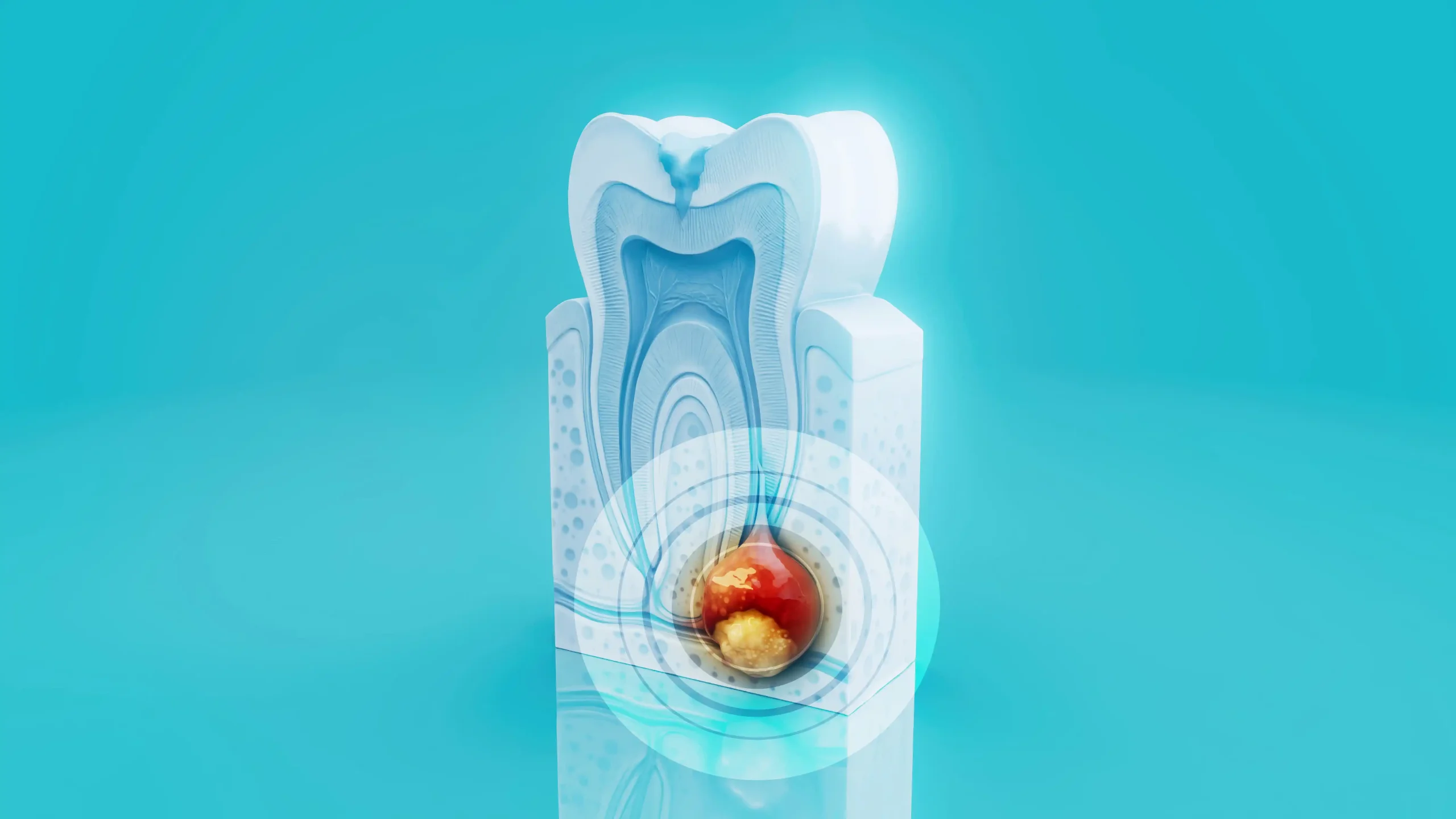
Every tooth is built like a fortress deliberately. From the outside in, there are three distinct layers:
- Enamel The hardest substance in the human body. It’s dense, non-porous, and highly resistant to penetration.
- Dentin A softer layer beneath enamel, containing microscopic tubules that transmit sensation toward the nerve.
- Pulp The innermost chamber housing the nerve, blood vessels, and connective tissue.
Any liquid including mouthwash, clove oil, or over-the-counter toothache medicine simply cannot breach all three layers in seconds. The chemistry and physics don’t support it.
Why Topical Treatments Can’t Reach the Source
When a tooth nerve becomes inflamed, the condition is called pulpitis. What makes pulpitis so agonizing is internal pressure building inside a sealed chamber with no outlet. Topical applications work on surface tissue only. They numb the gum or exposed enamel, not the pulp cavity where the real damage is occurring.
Numbing a sensation is fundamentally different from eliminating a nerve the same way covering a fire alarm doesn’t put out the fire.
Knowing why topical relief has real limits, the next question becomes: what does work quickly enough to make unbearable pain manageable? That’s exactly what we’ll cover next.
How to Stop Tooth Nerve Pain ASAP: Safe, Fast-Acting Relief
Now that you understand why no nerve can be switched off in seconds, the smarter question becomes: what can you realistically do right now to dial back the pain while you wait for a dental appointment? The answer involves a short list of evidence-backed strategies none of them miraculous, but all of them genuinely effective.
OTC Medications: Your First Line of Defense
Ibuprofen (Advil, Motrin) is widely regarded as the most effective over-the-counter option for toothache because it tackles both pain and the underlying inflammation driving it. A standard adult dose of 400–600 mg every 6–8 hours taken with food addresses the swelling pressing against the nerve, not just the pain signal itself. Acetaminophen (Tylenol) is a solid alternative if you have a sensitive stomach or can’t take NSAIDs, though it lacks ibuprofen’s anti-inflammatory edge. In practice, some people alternate between the two under guidance to keep pain consistently managed between doses.
Benzocaine: The Surface Numbing Shortcut
Benzocaine-based gels like Orajel work by temporarily blocking nerve signals at the gum surface. The relief is real but shallow. Benzocaine can’t penetrate deep enough to reach an inflamed pulp, so it’s most useful for sensitivity near the gumline or a cracked tooth edge. Apply sparingly with a cotton swab; overuse can cause local tissue irritation. It’s a bridge, not a destination.
Temporary numbing agents buy you time they don’t treat the source of the problem, and treating them as a long-term solution is a common and costly mistake.
Cold Compress and Elevation: The Mechanics Matter
Apply a cold compress wrapped in a cloth to the outside of your jaw in 20-minute intervals. Cold constricts blood vessels, reducing the internal pressure that amplifies nerve pain. Avoid applying ice directly to the tooth itself thermal shock can intensify the pain.
Elevation matters more than most people realize. Lying flat increases blood pressure to the head, which spikes inflammation and makes nighttime pain feel unbearable. Propping your head up with an extra pillow keeps fluid from pooling around the affected area.
You might be tempted to reach for something stronger or something unconventional. Searches like will Listerine kill tooth nerve point to a widespread desire for a fast chemical fix. Before you go down that road, it’s worth understanding exactly why those DIY approaches don’t just fail they can actively make your situation far more dangerous.
The Danger Zone: DIY Methods That Will Make It Worse
The fast-relief strategies covered in the previous section work with your body’s biology. The methods below work violently against it and the internet is full of people who learned that lesson the hard way.
The Listerine Myth
A persistent claim online suggests that rinsing with mouthwash can kill tooth nerve pain permanently. It can’t. Antiseptic mouthwash sanitizes the oral surface bacteria on your gums, your tongue, between teeth. It cannot penetrate dentin, reach the pulp chamber, or disrupt a live nerve. Treating a deep nerve infection with mouthwash is like spraying air freshener to fix a gas leak.
Bleach, Motor Oil, and Sharp Objects
These “remedies” exist in forum posts and social media threads, and they cause serious harm. Household bleach introduced into an open cavity creates chemical burns on soft tissue within seconds. Motor oil has zero analgesic or antimicrobial properties relevant to dental tissue. Probing the tooth with a sharp object a pin, a knife tip risks puncturing surrounding tissue, introducing new bacteria directly into an already-compromised pulp.
The Abscess Problem Nobody Mentions
Attempting to “kill” a nerve at home doesn’t eliminate the infection it seals it in. Disrupting tissue without proper drainage creates the ideal conditions for an abscess. Left untreated, a dental abscess can spread to the jaw, neck, and bloodstream. Sepsis from dental infections, while relatively uncommon, carries a mortality risk that no temporary pain relief is worth.
The only way to permanently resolve a nerve problem is through professional removal which is exactly what the next section covers.
The Only Permanent Solution: Professional Nerve Removal
Every home remedy, OTC gel, and temperature trick covered so far shares one fundamental limitation: they manage pain without resolving its source. The only way to permanently eliminate tooth nerve pain is to remove the nerve itself and that requires a dentist.
Root Canal Therapy: The Gold Standard
Root canal therapy is the definitive answer to what countless people are actually searching for when they type “kill tooth nerve in 3 seconds at home.” It’s not glamorous, but it works and nothing else reliably does.
The process breaks down into four core steps:
- Anesthesia The area is numbed completely, making the procedure far less painful than most patients expect
- Access opening A small hole is drilled through the crown of the tooth to reach the pulp chamber
- Pulp removal The infected or inflamed nerve tissue is extracted using fine instruments
- Sealing The chamber is cleaned, shaped, filled with a biocompatible material called gutta-percha, and sealed permanently
The entire process typically takes one to two appointments. A crown is usually placed afterward to restore the tooth’s structural integrity.
Success Rates Worth Knowing
Root canal therapy has an impressive track record. Studies consistently report success rates above 85–97%, with properly treated teeth lasting a lifetime when crowned and maintained correctly. That’s a compelling outcome compared to the zero percent permanent success rate of any home method.
Why a ‘Dead’ Nerve Still Demands Professional Care
Here’s a critical point many people miss: even after nerve tissue dies naturally through untreated decay or trauma — the tooth doesn’t become a non-issue. Dead pulp creates an ideal environment for anaerobic bacteria, which can spread into the jawbone and surrounding tissue, causing a dental abscess or, in severe cases, life-threatening systemic infection.
Nerve death without treatment isn’t relief it’s a ticking clock.
If you’re weighing professional treatment against another round of home remedies, the next section on natural approaches may help clarify what those options can and can’t realistically offer as a bridge to the dentist’s chair.
Natural and Traditional Remedies: What Actually Works?
If you’re searching for how to stop tooth nerve pain asap, natural remedies deserve an honest assessment not dismissal, and not exaggerated promises.
Salt Water Rinses
A warm salt water rinse is one of the most evidence-supported home options available. Salt creates an osmotic pressure shift that draws fluid away from inflamed tissue, temporarily reducing swelling around the nerve. It also disrupts the bacterial environment contributing to infection. Rinse for 30 seconds with one teaspoon of salt dissolved in 8 oz of warm water. Simple, accessible, and genuinely useful.
Clove Oil (Eugenol)
Clove oil earns its reputation. Its active compound, eugenol, is the same ingredient dentists historically used in temporary fillings it works as a mild anesthetic by partially blocking nerve signal transmission. Apply a small amount to a cotton ball and hold it directly against the affected tooth. It won’t eliminate pain entirely, but it’s the closest thing to a legitimate natural numbing agent.
TCM Approaches
Traditional Chinese Medicine points to acupressure at the LI4 point the webbing between thumb and index finger as a pain modulation technique. Some herbal teas containing chamomile or peppermint may offer mild anti-inflammatory support. These approaches work on the perception of pain, not its source.
Managing Expectations
Natural remedies are bridges, not destinations. Every option above buys time until professional treatment addresses the actual nerve. According to Celebrate Dental, no home remedy permanently resolves nerve pain only clinical intervention does that.
Key Takeaways
- Enamel The hardest substance in the human body. It’s dense, non-porous, and highly resistant to penetration.
- Dentin A softer layer beneath enamel, containing microscopic tubules that transmit sensation toward the nerve.
- Pulp The innermost chamber housing the nerve, blood vessels, and connective tissue.
- Anesthesia The area is numbed completely, making the procedure far less painful than most patients expect
- Access opening A small hole is drilled through the crown of the tooth to reach the pulp chamber
Final Thoughts: Real Relief Starts with the Right Care
Tooth nerve pain can feel overwhelming, especially when it hits suddenly and refuses to let up. It’s completely natural to look for a fast, at-home fix but as you now know, there’s no safe or effective way to permanently “kill” a tooth nerve in seconds. What works is the right diagnosis and the right treatment at the right time.
If your pain is lingering, getting worse, or keeping you up at night, it’s your body’s way of telling you something deeper needs attention. Temporary remedies may help you get through the moment, but lasting relief comes from professional care.
At South Shore Smile in Cudahy, WI, patients receive personalized, modern dental treatment focused on both immediate pain relief and long-term oral health. Whether you need a root canal or a thorough evaluation, getting expert care early can prevent complications and save your natural tooth.
If you’re in or around Cudahy, don’t wait for the pain to escalate. Call 414-401-4944 or visit 3527 E Squire Ave, Cudahy, WI 53110 to schedule your appointment. You can also learn more at southshoresmile.com.
Relief isn’t instant but it is absolutely within reach with the right care.